

 プレビュー
プレビュー
 プリントを購入
 シェアする
シェアする シェアする
シェアする
 詳細を見る
詳細を見る

 ダウンロード
 似ている作品
 X線調査
X線調査 スライドショー
CHAUMIERE NORMANDE


 詳細を見る
詳細を見る




P118B $10

P118H $10

P118W $10

P438Z $10

P508JH $12

P508YH $12

P805H $10

P805Z $10

P919BZ $10

P919G $10

P919XJ $10

P959ZH $10

P968JZ $12

W106C $8

W218G $10

W218JH $8

W218Y $10

W307PJ $10

W316G $10

W316PJ $8

W316Y $10

W398PJ $8

W4111J $10

W500HY $15

W500JH $15

W692G $12

W849H $8

W940BG $15

W953PJ $8




作品のオリジナル比率に合わせた、当店の規定サイズからお選びください。

特定のフレームやスペースに合わせて、ご希望のサイズをご入力いただけます。選択されたサイズが元の画像の比率と異なる場合、アートワークをトリミングするか、手描きで要素を追加して絵画を拡張いたします。デジタルモックアップ を制作し、制作開始前にご確認(承認)をいただきます。
画面上のプレビューは、実際のトリミングや拡張を正確に反映しているものではありません。最終的な構図は、モックアップによってのみ正確にご確認いただけます。
カスタムサイズもご利用いただけますが、元の比率を維持するためには、あらかじめ用意されたリストからサイズを選択することをお勧めいたします。
ご注文後、OriginalUniqueArt.com チームより詳細な指示をお送りするとともに、仕上がりイメージ(モックアップ)をご提供いたします。


 ガラスオプションは、110cm未満のサイズでのみご利用いただけます。

CHAUMIERE NORMANDE
複製技法
複製画のサイズ
-


合計金額
$ 300
作品解説
A Norman Reverie: Paul Huet’s “Chaumière Normande”
Paul Huet's "Chaumière Normande" isn’t merely a depiction of a farmhouse; it’s a carefully constructed evocation of rural tranquility, steeped in the Romantic sensibility that defined mid-19th century French art. Painted around 1861 and currently residing within the hallowed halls of the Louvre, this oil on canvas transports us to the heart of Normandy, offering a glimpse into a world where simplicity and connection with nature reigned supreme. Huet, a pivotal figure often overshadowed yet profoundly influential on both the Barbizon School and the nascent Impressionists, sought not just to represent a scene but to capture its very essence – the light, the atmosphere, the feeling of belonging within this timeless landscape.
The painting immediately draws the eye with its warm, diffused lighting. It’s an afternoon sun, perhaps just as twilight begins to gather, casting long shadows and highlighting the textured surfaces of the building and surrounding foliage. The palette is deliberately earthy – browns, greens, ochres, and creams—creating a sense of groundedness and authenticity. Huet masterfully employs broken brushstrokes, particularly evident on the thatched roof and weathered stone walls, lending a tactile quality to the scene that invites us to almost reach out and touch the rough-hewn timbers. This deliberate roughness contrasts beautifully with the smoother application of paint used for the fields and sky, demonstrating Huet’s keen observation of surface textures.
The Influence of English Romanticism
Huet's artistic journey was deeply shaped by his encounter with British landscape painting in the early 1820s. Inspired by artists like Constable and Turner, he deliberately rejected the rigid formality of Neoclassicism, embracing a looser, more expressive style that prioritized capturing the fleeting effects of light and atmosphere. This influence is strikingly evident in “Chaumière Normande.” Like his British counterparts, Huet wasn’t interested in precise detail or idealized beauty; instead, he sought to convey the *feeling* of being present within this rural setting – the warmth of the sun, the scent of the earth, the quiet rhythm of country life. The composition itself mirrors this approach: it's not a meticulously planned arrangement but rather an organic unfolding of elements, guided by the artist’s intuitive response to the scene before him.
Symbolism and Emotional Resonance
Beyond its picturesque beauty, “Chaumière Normande” resonates with deeper symbolic meaning. The humble farmhouse itself represents a connection to tradition, community, and the enduring values of rural life. The scattering of chickens – a common sight in Normandy—adds a touch of domesticity and reinforces this sense of belonging. The path leading towards the house invites us into the scene, suggesting a journey of discovery and a desire for simplicity. Huet’s use of watercolor techniques, often combined with oil paint, further enhances the painting's emotional impact, creating a luminous quality that evokes feelings of peace, nostalgia, and a longing for a simpler time. The overall effect is one of profound serenity – a reminder of the beauty and restorative power of nature.
A Legacy in French Landscape Painting
Paul Huet’s “Chaumière Normande” stands as a testament to his artistic vision and his pivotal role in shaping the course of French landscape painting. His dedication to observing and capturing the nuances of light, texture, and atmosphere paved the way for subsequent generations of artists, including the Barbizon School and the Impressionists. Reproductions of this captivating work offer a window into a bygone era, inviting us to contemplate the enduring appeal of rural life and the timeless beauty of the French countryside. It’s a painting that speaks not just to the eye but also to the heart, reminding us of the profound connection between humanity and the natural world.
アーティストの略歴
ポール・ユエ:ロマン主義風景画の先駆者
ポール・ユエ(1803-1869)は、19世紀フランス美術において極めて重要でありながら、しばしば控えめに語られがちな人物です。彼は、バルビゾン派や、誕生しつつあった印象派の両方に深い影響を与えた風景画家でした。芸術の息吹が満ち溢れるパリに生まれたユエの歩みは、絶え間ない観察、自然との深い結びつき、そして当時主流であった新古典主義の潮流に対する意図的な拒絶の歴史でもありました。彼の作品は単なる風景の描写にとどまりません。それは光の真髄、大気、そして自然界の移ろいゆく美を捉えようとする試みであり、その探求こそが、フランス絵画における重要な革新者としての彼の地位を確固たるものにしたのです。初期の啓蒙と芸術的修練
ユエの芸術的発展は、伝統的な技法の習得から始まりました。ジャック=ルイ・ダヴィッドの元弟子であるジャン=ジュリアン・デルティルから初期の指導を受け、その後、エコール・デ・ボザールにてピエール・ギュランやアントワーヌ=ジャン・グロのもとで研鑽を積みました。決定的な転機となったのは、グロのスタジオで共に学んだリチャード・パークス・ボニントンとの出会いでした。この邂逅は、彼の芸術人生を劇的に変えることになります。自然から直接描き出すボニントンの「プレネール(戸外制作)」の手法に魅了されたユエは、新古典主義の硬直した形式美を捨て去り、より即興的で観察に基づいたスタイルへと傾倒していきました。さらに、1824年のサロンで展示されたイギリスの風景画は、彼にとって一つの啓示となりました。ジョン・コンスタブルが、暗い影や作為に頼ることなく、瑞々しさと緑豊かな美しさを表現するその手腕は、ユエの心に深く響き、彼自身の芸術哲学を形作ることとなったのです。彼はコンスタブルの作品について、「黒ずみや粗野な表現、あるいは技巧主義に陥ることなく、おそらく初めて、生命力あふれる緑の自然と瑞々しさを感じることができた」と、その感動を言葉に残しています。バルビゾン様式とオランダ巨匠たち
ユエのスタイルは、さまざまな影響が織りなす魅力的な融合を経て進化していきました。当初はボニントンの水彩技法を模倣していましたが、彼の芸術的感性は単なる模倣の域を遥かに超えていました。彼は、ヤコブ・ファン・リュイスダールやメインデルト・ホッベマといったオランダの巨匠たちが描く、情緒豊かな風景からインスピレーションを得ていました。特に、情緒や空気感を伝えるための光と色彩の見事な使い方は、彼に多大な影響を与えました。こうしたオールド・マスターへの敬愛は、彼自身の画法にも反映され、写真のような写実性ではなく、静かな品格と、深く心に響くようなリアリズムを備えた作品を生み出しました。この時期の彼の作品は、アカデミックな慣習をあえて拒絶し、自由な筆致、鮮やかな色彩、そして自然の瞬間的な印象を捉えることに重きを置いたものでした。サロンでの評価と政治への関わり
ユエの芸術家としてのキャリアは、1827年のサロンデビューによって勢いづきました。この時、出品した8作品のうち1作品が採用されています。その後も1830年代から40年代にかけて定期的にサロンへ出品し続け、批評家やコレクターの間で着実に名声を築いていきました。盟友であり親しい友人でもあったウジェーヌ・ドラクロワは、ユエの作品が持つ独自の価値を見抜き、彼を支持しました。一方で、エティエンヌ=ジャン・デクレリューズのような批評家からは、コンスタブルやターナーに傾倒しすぎるあまり、基礎的な構成原理を疎かにしているという厳しい視線も向けられました。また、芸術活動の傍ら、ユエは1830年の七月革命に積極的に参加し、その後は共和主義政治にも関わるなど、当時のフランスの激動する社会・政治情勢を反映した生き方を送りました。こうした信念への献身は、国王ルイ・フィリップから1844年にセーヴル焼の壺一対を授与されるなどの評価を得たほか、1848年のサロンでは金賞を受賞することにも繋がりました。遺産と芸術的意義
フランス風景画におけるポール・ユエの影響は計り知れません。彼は水彩画を単なるスケッチの道具としてではなく、完成された作品のための主要な媒体として革新的に用いました。その技法は、油彩画にも劣らない驚くべき深みと豊かさを実現できることを証明したのです。また、スタジオでの作業よりも自然の直接的な観察を優先するプレネール(戸外制作)の先駆者でもありました。何より重要なのは、光と大気の移ろいゆく効果を捉えようとする彼の情熱が、バルビゾン派、そして後の印象派に深い影響を与えたことです。テオドール・ルソーやジャン=フランソワ・ミレーのように、農村の生活や風景を自然から直接描き出そうとした画家たちは、ユエの先駆的なアプローチに対して恩義を感じるべき存在と言えるでしょう。彼の作品は、観察することの力、簡潔さの美、そして自然界の本質を捉えようとする不変の魅力の証として、今なお輝き続けています。1869年にパリで世を去った彼が遺した膨大な作品群は、その情緒豊かな空気感と自然への深い結びつきによって、時代を超えて観る者を魅了し続けているのです。
ポール・ユエ
1803 - 1869 , フランス
基本情報
- Artistic Movement Or Style: ロマン主義的風景画
- Artists Or Movements Influenced By This Artist:
- バルビゾン派
- 印象派
- Artists Who Influenced This Artist:
- レンブラント
- ジョン・コンスタブル
- ウジェーヌ・ドラクロワ
- Date Of Birth: 1803-10-03
- Date Of Death: 1869-01-08
- Full Name: ポール・ユエ
- Nationality: フランス
- Notable Artworks:
- ローマ近郊の別荘
- 夕暮れの効果
- 池のある林
- Place Of Birth: フランス、パリ
関連記事
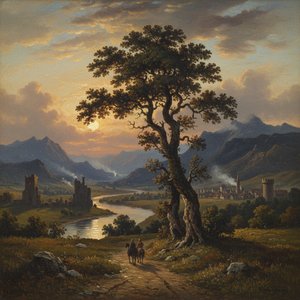
Paul Huet: Capturing the Essence of French Romanticism Through Light and Landscape
Explore the captivating world of Paul Huet (1803-1869), a master of French Romantic landscape painting. Discover his influence on Barbizon & Impressionism, and browse high-quality reproductions at OriginalUniqueArt.

ポール・セザンヌ:至高の25選 - 傑作と革新の軌跡 | OriginalUniqueArt
ポール・セザンヌの至高の25選。ポスト印象派を代表する画家、セザンヌの傑作と革新的な技法を紐解きます。OriginalUniqueArtで高品質な複製画やインテリアアートを見つけ、芸術の世界をご自宅に。今すぐコレクションをご覧ください。

ロマン派ランドスケープ:時代を彩る巨匠の10選|アートとインテリアの世界
ロマン派絵画の時代を彩る10選。巨匠たちの風景が織りなす感動の世界へ。ターナー、ルーベンスなど、名作の裏話と高精細複製でアートをお部屋に。OriginalUniqueArt.comで至福のアート体験を。
パウル・クレー傑作25選:色彩と象徴に満ちた芸術の世界 | OriginalUniqueArt
パウル・クレーの傑作25選🎨 色彩と象徴に満ちた抽象絵画の世界を旅。ドイツ表現主義からバウハウスまで、クレーの革新的な技法と感動的な作品群をOriginalUniqueArtで。高品質な美術品複製やインテリアアートも豊富です。オンラインストアで全コレクションをご覧ください。

Evocations of Place: A Historical Journey Through Landscape Art
Explore the rich history of landscape art with OriginalUniqueArt. Discover renowned artists, movements like Impressionism & Romanticism, and expert guidance for collecting timeless pieces. Find your perfect serene escape today!

