プリントを購入
 シェアする
シェアする シェアする
シェアする
 詳細を見る
詳細を見る

 ダウンロード
 似ている作品
 X線調査
X線調査 スライドショー
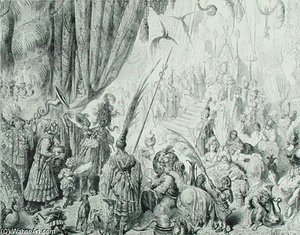
Devil's Acre, Westminster

 詳細を見る
詳細を見る




































作品のオリジナル比率に合わせた、当店の規定サイズからお選びください。

特定のフレームやスペースに合わせて、ご希望のサイズをご入力いただけます。選択されたサイズが元の画像の比率と異なる場合、アートワークをトリミングするか、手描きで要素を追加して絵画を拡張いたします。デジタルモックアップ を制作し、制作開始前にご確認(承認)をいただきます。
画面上のプレビューは、実際のトリミングや拡張を正確に反映しているものではありません。最終的な構図は、モックアップによってのみ正確にご確認いただけます。
カスタムサイズもご利用いただけますが、元の比率を維持するためには、あらかじめ用意されたリストからサイズを選択することをお勧めいたします。
ご注文後、OriginalUniqueArt.com チームより詳細な指示をお送りするとともに、仕上がりイメージ(モックアップ)をご提供いたします。


 ガラスオプションは、110cm未満のサイズでのみご利用いただけます。

Devil's Acre, Westminster
複製技法
複製画のサイズ
-


合計金額
-
作品解説
The Devil’s Acre – Westminster: A Glimpse of Victorian Despair
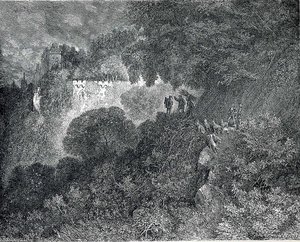
Gustave Doré's “Devil’s Acre – Westminster,” created in 1872, isn’t merely an illustration; it’s a haunting tableau of urban decay and social injustice. This powerful wood engraving offers a starkly realistic depiction of the infamous Devil’s Half Acre, a notorious slum nestled alongside the grand façade of Westminster Abbey in Victorian London. More than just a visual record, Doré's work serves as a poignant commentary on poverty, overcrowding, and the moral failings of an era grappling with rapid industrialization and its attendant social consequences.
The scene unfolds within a narrow, shadowed street – St. Anne’s Lane – choked by dilapidated buildings and overflowing refuse. The figures depicted are not idealized heroes or romanticized subjects; they are the marginalized inhabitants of this forgotten corner of London: a weary vendor hawking his wares, a man burdened with a bundle, and countless others lost in the grim reality of their existence. Doré masterfully employs chiaroscuro – the dramatic contrast between light and shadow – to heighten the sense of despair and claustrophobia. The muted palette of browns, grays, and blacks reinforces this atmosphere of gloom, while strategically placed shafts of light illuminate pockets of misery, drawing the viewer’s eye to the suffering within.
Doré's Technique: A Masterclass in Wood Engraving
Gustave Doré was a virtuoso of wood engraving, a technique demanding immense skill and patience. He began by meticulously transferring his detailed pencil sketches onto a block of hardwood – typically boxwood or pearwood – using a stylus. Each line, each shading effect, had to be painstakingly carved into the surface of the block with specialized gouges. This process was incredibly laborious, requiring countless hours of work for each image. The resulting print, however, possessed an astonishing level of detail and tonal richness, achieved through careful control of ink distribution and pressure during printing.
Doré’s mastery extended beyond technical skill; he understood how to use the limitations of wood engraving to his advantage. He skillfully created a sense of texture and depth by varying the line weight and density, mimicking the effects of brushstrokes or charcoal shading. The subtle gradations in tone – achieved through multiple passes with the ink roller – contribute significantly to the image’s emotional impact, conveying both the harshness and the vulnerability of the scene.
Historical Context: London's Dark Underbelly
The Devil’s Acre wasn’t a random slum; it was a deliberate consequence of Victorian urban planning. As London swelled with population during the Industrial Revolution, many impoverished families were pushed into overcrowded, unsanitary areas on the fringes of the city. The area surrounding Westminster Abbey, despite its proximity to power and wealth, became a haven for crime, disease, and despair. Charles Waterton, a wealthy eccentric, famously described it as “a place where the devil might find employment,” encapsulating the grim reality of the district.
Doré’s illustration emerged during a period of intense social reform in Britain. The plight of the poor was increasingly recognized, and reformers like Charles Dickens sought to expose the injustices faced by the working class. “Devil’s Acre” served as a powerful visual indictment of this societal failure, prompting reflection on the responsibilities of government and society towards its most vulnerable citizens.
Symbolism and Emotional Resonance
Beyond its documentary value, “Devil’s Acre” is rich in symbolism. The darkness enveloping the scene represents not only physical poverty but also moral decay and spiritual emptiness. The figures themselves embody resilience and suffering, their faces etched with hardship and resignation. The juxtaposition of the imposing grandeur of Westminster Abbey – a symbol of power and faith – against the squalor of the Devil’s Acre creates a profound sense of contrast and injustice.
Doré's work evokes a complex range of emotions: pity, outrage, and perhaps even a touch of melancholy. It is a reminder of the human cost of progress and a testament to the enduring power of art to expose uncomfortable truths and challenge viewers to confront difficult realities. Reproductions of this iconic image continue to resonate today, serving as a poignant symbol of social inequality and the importance of compassion.
アーティストの略歴
光と影の刻印:ギュスターヴ・ドレの生涯
1832年1月6日、フランスのストラスブールで生まれたポール・ギュスタヴ・ルイ・クリストフ・ドレ、通称ギュスターヴ・ドレは、イラストレーション、絵画、彫刻という異なる芸術分野を驚くべき才能で横断した人物でした。彼の人生は、ロマン主義が依然として隆盛を誇りながらも新たなリアリズムや象徴主義の潮流が台頭する激動の時代に展開しました。幼い頃から並外れた才能を発揮し、15歳という若さでフランスの風刺雑誌『Le Journal pour rire』の風刺画家としてプロのキャリアをスタートさせました。この初期の経験は、観察力と構図力を磨き、パリの喧騒の中でサタイアの世界に身を置くことで、その後の芸術的発展の基盤となりました。ドレの才能は、単なる絵画技術にとどまらず、年輪を超えた成熟した個性を示唆していました。彼の作品にはしばしば複雑でメランコリックなテーマが潜み、それが彼の芸術全体に一貫性をもたらしました。文学巨匠との協働:イラストレーターとしての台頭
ドレの初期の仕事は、その後の名声を確立するための礎となりました。『ヘラクレスの功業』(1847年)、『理解されず不満な三人の芸術家』(1851年)、『快適な旅行の不快感』(1851年)といった作品は、ダイナミックな構図と光と影の巧みな使い方が示されており、初期の作品ながらもその才能を遺憾なく発揮していました。彼は特にJ.J.グランヴィルのイラストレーションに強い影響を受け、その幻想的なイメージと風刺的なエッジはドレ自身の芸術的スタイルを形成する上で重要な役割を果たしました。しかし、彼が真に名声を確立したのは、文学の巨匠たちとの協働を通じてでした。1853年にロード・バイロンの作品の挿絵を手掛けたことで、さらなる高尚なプロジェクトへの道が開かれました。その後の聖書の挿絵という壮大な事業は、彼の芸術を世界中の広範な聴衆に届け、国際的な評価を確立しました。セルバンテスの『ドン・キホーテ』の挿絵(1860年代)も特に大きな影響を与え、登場人物や物語に対する後世の解釈に深く影響を与えました。ドレは単に物語を描写するだけでなく、それを再解釈し、読者の想像力を捉える劇的な強烈さで物語を表現しました。エドガー・アラン・ポーの『大鴉』の豪華版(1883年)は、ハーパー&ブラザーズから3万フランという高額な報酬を得て、芸術的評価と商業的成功の両立を示すこととなりました。特にブランチャード・ジェロルドとの共同作業による『ロンドン:巡礼』(1872年)は、ヴィクトリア朝の貧困の実態を痛烈に描き出し、社会問題に対する議論を巻き起こしました。技術の巨匠:木版画とロマン主義のビジョン
ドレの芸術的才能は、想像力豊かなビジョンの他に、特に木版画という技術における卓越した習熟にもありました。彼はこの技法を通して、信じられないほど詳細で劇的なイメージを生み出す並外れた能力を持っていました。その構図はダイナミックであり、光と影の強いコントラスト(キアロスクーロ)が特徴であり、畏敬の念や恐怖感さえ呼び起こす壮大な感覚を醸し出しています。彼はしばしばブロック彫刻家のチームを結成し、自身のデザインを木版画に翻訳することで、出版社や読者の需要に応えるための効率的な生産体制を確立しました。彼のスタイルはロマン主義の伝統に深く根ざしており、感情、想像力、そして崇高—自然の圧倒的な力と人間の状態に対する魅力—を強調しています。彼は単なる情景描写にとどまらず、高揚した感情性と劇的な演出を通してそれらを解釈していました。このアプローチは多くの人々から賞賛されましたが、一部の同時代人からは過度に演劇的であるとか、繊細さに欠けるといった批判も受けました。遺産と永続的な影響
ギュスターヴ・ドレは1861年にフランス政府からシュバリエ・デ・レジオン・ドヌール勲章を授与され、芸術界における彼の地位が確立されました。しかし、彼の真の遺産は、受賞や称賛を超越しています。彼のイラストレーションは世代を超えて視覚文化に大きな影響を与え、多くのアーティストや読者を魅了し続けています。フィンセント・ファン・ゴッホもまた、ドレの作品、特に苦難と貧困の描写から強いインスピレーションを受け、人類の苦悩に対する共通の感受性を認めていました。彼の生涯において批判もあったものの、ドレの作品は現在では芸術的価値と歴史的重要性をもって高く評価されています。彼のイラストレーションは、古典文学やヴィクトリア朝社会への理解を深め、時代を超越した物語とテーマの強力な視覚解釈を提供し続けています。1883年1月23日にその生涯を閉じましたが、彼は今なお人々の心を捉え、鼓舞する膨大な作品群を残しました。彼の芸術は、世界を単に描写するだけでなく、それを解釈し、変革するイラストレーションの力を証明するものなのです。主な作品
- ロンドンの花売り (1875年): ヴィクトリア朝時代の貧困と回復力に対する感動的な描写であり、苦難の中で家族の絆を描いています。
- キリスト教の殉教者たち: 信仰と迫害を力強い感情で描いた劇的な傑作です。
- ダンテの地獄の挿絵: 最も象徴的な作品の一つであり、これらの版画はダンテの地獄の恐ろしいビジョンを比類なき強さで描き出しました。
- ミルトンの失楽園の挿絵: この叙事詩へのドレの解釈は、その壮大さと劇的な演出で知られています。
- 永遠にさまようユダヤ人: 当時の反ユダヤ主義的傾向を反映した作品ですが、非常に人気がありました。
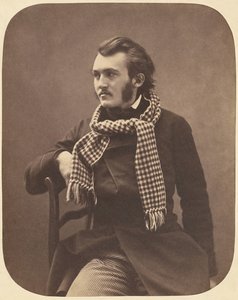
ギュスターヴ・ドレ
1832 - 1883 , フランス
基本情報
- フルネーム: ポール・ギュスターヴ・ドレ
- 主な作品:
- ドン・キホーテ
- ダンテの神曲
- ロンドンの巡礼
- 聖書
- エドガー・アラン・ポー
- 出生地: ストラスブール、フランス
- 国籍: フランス人
- 影響を与えたアーティスト: ['フィンセント・ファン・ゴッホ']
- 影響を受けたアーティスト: ['J.J. グランヴィル']
- 死亡年月日: 1883年1月23日
- 生年月日: 1832年1月6日
- 芸術運動またはスタイル: ロマン主義
関連記事
George Frederic Watts: Symbolism, Spirituality & Victorian Ideal Beauty
Explore the captivating Symbolist art of George Frederic Watts. Discover his allegorical masterpieces, classical influences & spiritual themes. Learn about his legacy and find high-quality reproductions at OriginalUniqueArt.

Frederick Waters Watts: A Victorian Vision of Aestheticism & Spiritual Symbolism
Explore the captivating world of Frederick Watts, a key Victorian painter blending aestheticism & spiritual symbolism. Discover his allegorical masterpieces like 'Hope' and delve into his artistic journey with OriginalUniqueArt.

The Gaze of a Changing World: Victorian Realism & Modern Life
Explore the captivating world of Victorian Realism! Discover genre painting's rise, social commentary in art, & masters like Fedotov and Wilkie. Expert analysis & high-quality reproductions at OriginalUniqueArt.
Walter Greaves: A Study in Victorian Realism & the Social Landscape of British Art
Explore the life & work of Walter Greaves, a key Victorian realist painter influenced by Whistler. Discover his London streetscapes, portraits, and enduring legacy. Learn about art appraisal & reproduction options at OriginalUniqueArt.

George Goodwin Kilburne: Capturing Victorian Sentimentality Through Genre Painting
Explore the evocative Victorian paintings of George Goodwin Kilburne. Discover his detailed scenes of domestic life, masterful use of light, and lasting impact on British genre painting. Learn more at OriginalUniqueArt.