サイズ選択

() ·

あなたのために、手仕事で描かれた一枚の絵画

Still life with three skulls

手描き油彩複製画

当社のアーティストが、ご希望のサイズと額縁に合わせてキャンバスに手描きで制作する、オーダーメイドの油彩画です。 ( プリント版に切り替え デジタル画像販売へ切り替え)

作品解説

Paul Cézanne's 'Still Life with Three Skulls' (1903) explores mortality & form through haunting composition, reflecting the artist’s innovative style & influence on modern art.

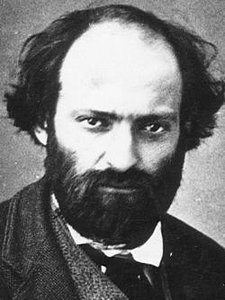
アーティストの略歴

セザンヌは印象派とキュビスムを繋ぐ革新的画家。リンゴや風景、バスティユなどを独自の視点で捉え、後の芸術に多大な影響を与えました。幾何学的な形態と色彩の探求が特徴です。

〜より ·

第1章

サイズはどのくらいが良いでしょうか?

スライドしてサイズを変更してください。左側の画像は、フレームの実際の幅を表示しています。作品の比率はそのまま維持されます。

標準サイズ
オーダーメイド
CM
INCH

作品のオリジナル比率に合わせた、当店の規定サイズからお選びください。

横幅
高さ

フレームや壁のスペースに合わせて、ご希望の幅と高さを入力してください。本作品は手描きのため、異なる比率のサイズをご希望の場合、絵画の周囲を少し広げて描くか、あるいは端を少しカットして調整することが可能です。お客様のご要望に合わせます。制作を開始する前に、仕上がりを確認するためのデジタルモックアップをお送りいたします。このページに表示されている画像は完成品の実物ではなく、あくまでモックアップによるイメージです。

第2章

どのような状態での配送をご希望ですか?

キャンバスの側面仕上げを選択

フレームを選択

Corner sample of the WhiteWrap canvas edge finish, stretched on 無垢材 bars
白の側面仕上げ ¥1
Corner sample of the BlurSideWrap canvas edge finish, stretched on 無垢材 bars
エッジぼかし仕上げ ¥1
Corner sample of the ExtendedWrap canvas edge finish, stretched on 無垢材 bars
回り込み仕上げ ¥1
Corner sample of the P118B picture frame: 成型ポリスチレン, 5 cm wide and 3 cm thick
P118B ¥10
Corner sample of the P118H picture frame: 成型ポリスチレン, 5 cm wide and 3 cm thick
P118H ¥10
Corner sample of the P118W picture frame: 成型ポリスチレン, 5 cm wide and 3 cm thick
P118W ¥10
Corner sample of the P438Z picture frame: 成型ポリスチレン, 5.5 cm wide and 3.5 cm thick
P438Z ¥10
Corner sample of the P508JH picture frame: 成型ポリスチレン, 7 cm wide and 3.5 cm thick
P508JH ¥12
Corner sample of the P508YH picture frame: 成型ポリスチレン, 7 cm wide and 3.5 cm thick
P508YH ¥12
Corner sample of the P805H picture frame: 成型ポリスチレン, 5 cm wide and 3.5 cm thick
P805H ¥10
Corner sample of the P805Z picture frame: 成型ポリスチレン, 5 cm wide and 3.5 cm thick
P805Z ¥10
Corner sample of the P919BZ picture frame: 成型ポリスチレン, 7 cm wide and 3.5 cm thick
P919BZ ¥10
Corner sample of the P919G picture frame: 成型ポリスチレン, 7 cm wide and 3.5 cm thick
P919G ¥10
Corner sample of the P919XJ picture frame: 成型ポリスチレン, 7 cm wide and 3.5 cm thick
P919XJ ¥10
Corner sample of the P959ZH picture frame: 成型ポリスチレン, 5 cm wide and 3 cm thick
P959ZH ¥10
Corner sample of the P968JZ picture frame: 成型ポリスチレン, 6 cm wide and 4 cm thick
P968JZ ¥12
Corner sample of the W106C picture frame: 無垢材, 5 cm wide and 3 cm thick
W106C ¥8
Corner sample of the W218G picture frame: 無垢材, 5 cm wide and 3 cm thick
W218G ¥10
Corner sample of the W218JH picture frame: 無垢材, 5 cm wide and 3 cm thick
W218JH ¥8
Corner sample of the W218Y picture frame: 無垢材, 5 cm wide and 3 cm thick
W218Y ¥10
Corner sample of the W307PJ picture frame: 無垢材, 6 cm wide and 3 cm thick
W307PJ ¥10
Corner sample of the W316G picture frame: 無垢材, 6 cm wide and 3 cm thick
W316G ¥10
Corner sample of the W316PJ picture frame: 無垢材, 6 cm wide and 3 cm thick
W316PJ ¥8
Corner sample of the W316Y picture frame: 無垢材, 6 cm wide and 3 cm thick
W316Y ¥10
Corner sample of the W398PJ picture frame: 無垢材, 5 cm wide and 3 cm thick
W398PJ ¥8
Corner sample of the W4111J picture frame: 無垢材, 6.5 cm wide and 3.5 cm thick
W4111J ¥10
Corner sample of the W500HY picture frame: 無垢材, 7 cm wide and 5 cm thick
W500HY ¥15
Corner sample of the W500JH picture frame: 無垢材, 7 cm wide and 5 cm thick
W500JH ¥15
Corner sample of the W692G picture frame: 無垢材, 8 cm wide and 4 cm thick
W692G ¥12
Corner sample of the W849H picture frame: 無垢材, 5 cm wide and 3 cm thick
W849H ¥8
Corner sample of the W940BG picture frame: 無垢材, 7.5 cm wide and 4.5 cm thick
W940BG ¥15
Corner sample of the W953PJ picture frame: 無垢材, 6 cm wide and 3.5 cm thick
W953PJ ¥8
Corner sample of the H24-GOLD picture frame: ジェッソ仕上げの木彫, 10 cm wide and 6 cm thick
H24-GOLD ¥30
Corner sample of the H24-SILVER picture frame: ジェッソ仕上げの木彫, 10 cm wide and 6 cm thick
H24-SILVER ¥30
Corner sample of the H36-GOLD picture frame: ジェッソ仕上げの木彫, 15 cm wide and 6.5 cm thick
H36-GOLD ¥45
Corner sample of the H36-SILVER picture frame: ジェッソ仕上げの木彫, 15 cm wide and 6.5 cm thick
H36-SILVER ¥45
額縁プレビュー
額装済み

額縁の形状: . 額縁を含む全体サイズ: .

第3章

誰が描き、何か変更すべき点はありますか?

変更可能な例:顔をお客様の写真に差し替え、ペットの変更(例:猫を犬に変更)、背景に隠しメッセージを追加、背景の風景や要素の変更。
ご注文後、OriginalUniqueArt.com のチームより詳細な手順についてメールをお送りし、仕上がりイメージ(モックアップ)をご提示いたします。

世界中への配送()は、通常の5週間ではなく、3〜4週間でお届けいたします。(6 11月)。品質には一切妥協いたしません。

第4章

仕上げのひと手間

美術館にあるような、銘板(ネームプレート)を。

刻印入りブロンズプレートの詳細

This elegant plaque features the artist's name and the title of the artwork, finely engraved for a timeless presentation.

It is made from bronze with a refined, elegant finish. The text is precisely laser-engraved for a sharp and permanent result. Measuring 9x2 cm, the plaque is compact yet easy to read. It's built to be durable and scratch-resistant, offering a professional, museum-quality look. Mounting is simple thanks to the included adhesive backing.

透明アクリル銘板の詳細

The plaque includes essential engraved details such as the artist's name, the title of the artwork, the date it was created, the type of media used-like oil on canvas or watercolor-a brief description of the piece, and a QR code that links to the complete artwork information.

It is crafted from clear acrylic, offering a sleek, modern appearance. The text is UV-engraved in black to ensure strong visual contrast. With a size of 10x15 cm, it ensures optimal readability. It comes equipped with two metal hooks for secure wall mounting. The plaque is designed to be weather-resistant, making it suitable for various environments, and it includes interactive features that work seamlessly with smartphone scanning.

黒アクリル製銘板の詳細

This elegant plaque includes engraved information such as the artist's name, the title of the artwork, the date it was created, the type of media used (like oil on canvas or watercolor), a short description of the artwork, and a QR code for quick access to more information.

The plaque itself is made from refined black acrylic with a premium finish. The text is laser-engraved in white for high contrast and readability. Its size is 10x15 cm, designed to be easy to read. It comes with two metal hooks for professional mounting. The design is sleek and fits any interior style. It is also weather-resistant and durable, with built-in digital integration for mobile compatibility.

保護用ニスをご希望ですか?

お届け希望日をお選びください

第5章

ご注文通りの絵画内容

Still life with three skulls

再現技法

複製画サイズ一覧

-

至高の熟練アーティスト

より細部までこだわった表現、洗練された技術、そして十分な制作時間

-

複製画用フレーム

-

-

いずれかの辺が105 cm(約41インチ)を超えるアートワークまたは複製画の場合、フレームは分解されたキットの状態でお届けいたします。この方法は、輸送中の破損を防ぎ、安全に配送するために採用しております。

組み立てには専門知識が必要です(DIY用製品ではありません)。
本キットは、経験豊富なプロの額装師が、木工用ボンド(別売)、キャンバス用プライヤー、およびボンドの乾燥時に桟を直角に保持するためのクランプを使用して、組み立ておよびキャンバスの張り作業を行う必要があります。不適切な組み立てやキャンバスの張りの不均一は、作品に永久的な損傷を与える恐れがあり、弊社の保証対象外となります。

  • すべての無垢材のパーツが含まれており、組み立てに最適なサイズに正確にカットされています。

  • 付属のネジを使用し、角の接合部には別途木工用ボンドをご用意ください(ボンドは付属しておりません)。ボンドは額装業者様にてご手配をお願いいたします。

  • プロ仕様の道具が必要ですが、キットには含まれていません:キャンバス用ストレッチングプライヤー(テンショナー)、および接着剤が乾燥するまで木枠を直角に固定するためのクランプ。

重要:
コーナーの接合部には木工用ボンドが必要です。また、ボンドが完全に乾くまでクランプでバーを固定しておく必要があり、組み立てたフレームにキャンバスを張るにはキャンバス用ストレッチングプライヤーが必要となります。これらの道具はキットに含まれておりません。このサイズをご注文される前に、経験豊富なプロの額装師(フライマー)の手配をお願いいたします。

キャプション

-

-

保護用ワニス

光沢ワニス(色彩を鮮やかに引き立て、光や湿気から保護します)

-

作品をカスタマイズ

カスタマイズの例:顔をお客様の写真に差し替える、ペットを追加する(例:猫を犬に変更)、背景に隠しメッセージを入れる、背景の風景や要素を変更する。

-

お急ぎ便

世界中への配送()は、通常の5週間ではなく、3〜4週間でお届けいたします。(6 11月)。品質には一切の妥協を許しません。

-

お急ぎ便

世界中への配送()は、5週間ほどでお届けします。(13 11月)。

込み

合計金額

¥ 47435

合計金額 ¥ 47435

ガラスオプションは、110cm未満のサイズでのみご利用いただけます。

すべての注文に同梱

  • 世界中へ無料エクスプレス配送
  • 高品質なリネンキャンバス
  • 配送時完全保険付
  • 関税・輸入税の払い戻し保証
  • 真の色彩再現に関する保証
  • 100日間返品保証(製造上の欠陥がある場合のみ)
  • 100% 全額返金保証
  • まとめ買い割引のご案内

Still Life with Three Skulls: A Meditation on Mortality by Paul Cézanne

Paul Cézanne’s “Still Life with Three Skulls,” painted around 1903, is far more than a simple arrangement of bone; it's a profound and unsettling meditation on mortality, the passage of time, and the very essence of being. This work, housed within the Art Institute of Chicago, stands as a pivotal moment in Cézanne’s artistic evolution – a bridge between the vibrant hues of Impressionism and the nascent geometric explorations that would define Cubism. The painting immediately confronts the viewer with its stark simplicity: three skulls, arranged in a deliberate pyramid formation, rest upon a draped couch beneath a muted, almost somber sky. Yet, within this apparent stillness lies a complex web of symbolism and artistic innovation. The choice of skulls as subject matter is deeply rooted in the late 19th century’s fascination with death and decay – a theme prevalent in still life painting since the Middle Ages. However, Cézanne transcends mere representation; he imbues these objects with an almost sculptural quality. The artist's use of watercolour, a medium often associated with delicacy, here creates a startling contrast against the macabre subject matter. The translucent washes and loose brushstrokes lend a sense of fragility to the skulls, as if they might dissolve into nothingness at any moment. This deliberate juxtaposition of materials – the smooth, cool surface of the paper versus the rough texture of bone – heightens the painting’s emotional impact. Notably, Cézanne's exploration of this theme aligns with his personal reflections on mortality, documented in his letters during his final years, where he frequently expressed a preoccupation with death and the ephemeral nature of life. Cézanne’s revolutionary approach to composition is immediately apparent. He abandons traditional perspective, flattening space and prioritizing the underlying structure of objects. The skulls are not depicted as realistically as one might expect; instead, they are rendered as simplified geometric forms – pyramids, planes, and cylinders – echoing Cézanne's earlier studies of Mont Sainte-Victoire. This technique, a cornerstone of his artistic vision, anticipates the Cubist movement that would emerge decades later. The strategic placement of the two chairs in the background further reinforces this sense of spatial ambiguity, drawing the viewer’s eye into the heart of the composition and emphasizing the skulls' central role. The muted color palette – primarily browns, grays, and pale yellows – contributes to the painting’s somber mood, creating a visual atmosphere that is both haunting and contemplative. Beyond its formal innovations, “Still Life with Three Skulls” carries a potent symbolic weight. The skull, traditionally associated with death and remembrance, serves as a reminder of our own mortality. Cézanne's deliberate arrangement in a pyramid – a shape often linked to stability and eternity – suggests an attempt to grapple with the paradox of life and death. The painting can be interpreted as a meditation on the cyclical nature of existence, where decay and renewal are inextricably intertwined. Furthermore, the work’s historical context is crucial: Cézanne was part of a Post-Impressionist movement that reacted against Impressionism's focus on capturing fleeting moments of light and color. He sought to create works with a more enduring quality, rooted in underlying structure and form. His initial reception was mixed, met with incomprehension and ridicule, but his work gradually gained recognition through the support of fellow artists like Camille Pissarro and Ambroise Vollard.
  • Key Techniques: Watercolour on paper; Loose brushstrokes; Flattened perspective; Geometric simplification.
  • Symbolism: Mortality, decay, the passage of time, cyclical existence.
  • Historical Context: Post-Impressionism; Reaction against Impressionism’s focus on light and color; Influence on Cubism.
The painting's legacy extends far beyond its initial reception. Cézanne’s innovative approach to form and color profoundly influenced generations of artists, including Henri Matisse and Pablo Picasso. His work demonstrated that art could be more than a mere representation of reality; it could be a vehicle for exploring complex ideas and emotions. Today, “Still Life with Three Skulls” remains a powerful testament to Cézanne’s artistic genius – a hauntingly beautiful meditation on the human condition. For those seeking a high-quality reproduction, OriginalUniqueArt offers meticulously crafted hand-painted reproductions that capture the essence of this iconic masterpiece. Explore our collection at OriginalUniqueArt to bring this timeless work into your home or studio.

Paul Cézanne: A Biographical Sketch

Born in Aix-en-Provence, France, in 1839, Paul Cézanne’s artistic journey was anything but conventional. Initially destined for a career in law, he abandoned his family's expectations and pursued his passion for painting with unwavering determination. His father, a successful banker, provided the financial stability that allowed him to dedicate himself fully to art – a rare privilege at the time. Cézanne’s early influences included Romanticism and the Barbizon school of landscape painting, which instilled in him a deep appreciation for nature and its forms. However, he quickly developed his own distinctive style, characterized by an emphasis on structure, color, and form. Cézanne's artistic development was shaped by encounters with other artists, including Vincent van Gogh and Paul Gauguin, whose explorations of color and form profoundly influenced his work. He spent several years studying at the Académie Suisse in Paris but largely developed his style independently, experimenting with various techniques and approaches. His dedication to observation and analysis is evident in his meticulous studies of objects – fruits, landscapes, and still lifes – which he used as a foundation for his paintings. Cézanne’s later life was marked by increasing isolation and a preoccupation with mortality, themes that are powerfully expressed in works like “Still Life with Three Skulls.” Despite facing initial criticism and rejection, Cézanne's innovative spirit ultimately paved the way for modern art, leaving an indelible mark on the history of painting.
  • Birth Year: 1839
  • Birth City: Aix-en-Provence
  • Birth Country: France
  • Key Influences: Romanticism, Barbizon School, Vincent van Gogh, Paul Gauguin.
To further explore Cézanne’s artistic world and discover other remarkable works, visit OriginalUniqueArt for a comprehensive collection of handmade oil painting reproductions and detailed information about his life and legacy. You can also find valuable resources on Wikipedia: Paul Cézanne on Wikipedia and explore related works such as “Mont Sainte-Victoire Seen from les Lauves” at Paul Cézanne: Mont Sainte-Victoire Seen from les Lauves.

Q&A

「Still life with three skulls」に似た作品はありますか?

セザンヌ作「Still life with three skulls」の関連作品ページでは、関連する作品をご紹介しています。

「Still life with three skulls」はいつ制作されたもので、どの様式(ムーブメント)に属していますか?

セザンヌ作「Still life with three skulls」は1903年に制作されたもので、Post-Impressionismに属します。

セザンヌ作「Still life with three skulls」のデジタル画像はどこで購入できますか?

セザンヌ作「Still life with three skulls」のデジタルファイルをご希望の場合は、高解像度デジタル画像ページより高解像度デジタル画像のダウンロードをご注文ください。

この絵画の詳細を見る

設置イメージを表示 ARで試着 プリント版に切り替え デジタル画像販売へ切り替え シェアする

詳細を見る ガイドを表示 お気に入りに追加 ダウンロード 似ている作品 X線調査 スライドショーを表示 Q&A 統計情報

数字で見る

  • 1903制作年
  • 29選べるフレーム一覧
  • 独自の比率による標準サイズ
  • 5制作と配送に数週間を要します
セザンヌ

セザンヌ

1839 - 1906, フランス

セザンヌについてのクイック・ファクト

  • フルネーム: ポール・セザンヌ
  • 主な作品:
    • ジャス・ド・ブーファン池の上の昼
    • エミール・ゾラの肖像
    • 森
    • モン・サン=ヴィクトワールシリーズ
    • バテュ
  • 出生地: エクス=アン=プロヴァンス (フランス)
  • 国籍: フランス
  • 影響を与えたアーティスト:
    • キュビスム
    • フォーヴィスム
    • シュルレアリスム
  • 影響を受けたアーティスト:
    • ロマン主義
    • バルビゾン学派
    • ポール・ゴーギャン
    • ジョルジュ・スーラ
  • 没年月日: 1906年10月22日
  • 生年月日: 1839年1月19日
  • 芸術運動: 後期印象派

作家プロフィール

ポール・セザンヌ:近代美術の礎を築いた画家

ポール・セザンヌは、1839年に南フランスのエクス=アン=プロヴァンスで生まれ、印象派の儚い光の描写と、キュビスムの断片化された形態を結びつける架け橋となった、まさに革命的な芸術家でした。彼の人生は、一躍成功を収めるのではなく、自己探求の長い道のりであり、自己疑念や批判に直面しながらも、近代美術の流れを根底から変える遺産を残しました。裕福な家庭に生まれ、父親は帽子職人から銀行家へと転身し、セザンヌは経済的な安定を得て、商業的な成功のプレッシャーなしに芸術に専念することができました。当初は父親の意向により法学を志しましたが、芸術への情熱がそれを上回り、最終的には法律を捨て、絵画の世界に飛び込みました。ロマン主義の影響やバルビゾン派の風景描写への傾倒など、初期には様々な影響を受けましたが、ポール・ゴーギャンやジョルジュ・スーラといった画家たちとの出会いを通じて、革新的な色彩と形態に対する彼らのアプローチに触発され、独自の道を切り開いていきます。

印象を超えて:構造へと至る芸術的進化

セザンヌの初期作品には、ロマン主義特有の劇的で感情的なテーマが反映されており、暗いパレットと表現力豊かな筆致が特徴でした。しかし、この初期段階は、より分析的で画期的なアプローチへの移行のための単なるステップに過ぎませんでした。印象派が好んだ光の儚い瞬間を捉えるだけでは不満を感じたセザンヌは、対象物の背後にある構造を理解し、表現することを追求しました。彼は、自分が何を見ているかだけでなく、現実を構成する根本的な形態がいかに認識されているのかを知りたいと考えました。この探求が、自然の形を幾何学的な等価物へと分解するという手法を生み出しました。彼の技法は、複雑な色彩とテクスチャのフィールドを作り上げるために注意深く重ねられた小さな反復筆致によって特徴づけられ、前例のない安定感と奥行きを生み出します。彼は単なる写実性ではなく、対象を複数の視点から同時に提示することで、伝統的な遠近法の概念に挑戦し、鑑賞者に彼の構成の構築された性質と積極的に関わることを強いるのです。この意図的な歪みは恣意的なものではなく、時間の一瞬だけでなく、知覚の統合を表す、より完全な形の理解を伝えるための試みでした。

風景、静物、そして人体:主要作品と繰り返されるモチーフ

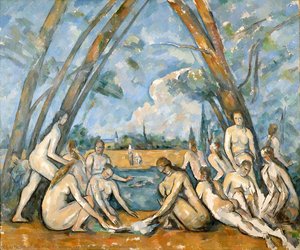
セザンヌの作品群は非常に多様で、風景画、静物画、肖像画、そして沐浴者の描写などを含みますが、そのすべてが彼の独特な形態と色彩のアプローチによって統一されています。1880年に描かれたジャス・ド・ブーファンの池は、形を注意深く配置し、色調を調整することで自然の本質を捉える能力を示す代表的な風景画です。1866年のエミール・ゾラの肖像は、彼の発展途上のスタイルを示し、親友であり作家であるゾラへの魅力的な洞察を提供します。リンゴなどの果物を取り上げた静物画は、単なる対象の描写ではなく、ボリューム、光、空間関係を探求する試みです。モン・サン=ヴィクトールシリーズはセザンヌにとって強迫観念とも言えるモチーフであり、何十年にもわたって形態と遠近法を徹底的に調査することを可能にしました。これらの絵画は単なる山の描写ではなく、私たちが奥行き、ボリューム、光と影の相互作用をどのように認識するかを探求する研究なのです。最後に、牧歌的な風景の中に裸婦を描いた沐浴者シリーズは、人体と自然とのつながりを深く探求し、しばしば時の流れを超越した静けさと瞑想に満ちた雰囲気で表現されています。

革新によって築かれた遺産:近代美術への影響

ポール・セザンヌの芸術が後世の世代に与えた影響は計り知れません。彼は、画期的な絵画言語への貢献により、「近代美術の父」として広く認められており、20世紀の主要な芸術運動の多くへの道を開きました。パブロ・ピカソやジョルジュ・ブラックは、セザンヌの幾何学的形態と複数の視点への強調に深く負い目を抱いており、それがキュビスムの中核となる原則となりました。彼の大胆な色彩の使用はまた、アンリ・マティスが率いるフォーヴィズム運動にも影響を与え、彼らは非現実的で鮮やかな色調を受け入れました。シュルレアリスムの芸術家でさえ、セザンヌの主観的な知覚と心理的な深さの探求に共鳴を見出しました。特定の運動を超えて、セザンヌは芸術家の個人的なビジョンを重視し、伝統的な学術的制約を拒絶することで、世代を超えた画家たちに新たな表現形態を探求する自由を与えました。彼は表象の定義そのものを覆し、現実を模倣することから、構造と主観的な知覚に基づいた視覚体験を構築することへの焦点をシフトさせました。1906年の彼の死は終わりではなく、始まりを告げるものでした。それは、彼の革命的なビジョンによって深く形作られた、芸術史における新たな時代の幕開けでした。
テーマ、スタイル、特徴別に分類された作品を探索しましょう。