

 設置イメージを確認
 送る
送る シェア
シェア
 詳細情報
詳細情報 ガイドを表示

 画像をダウンロード
 似ている作品
 X線調査
X線調査 スライドショー
 統計情報
統計情報The Mirror
 Etching
- WallArt
- Post-Impressionism
 20.0 x 19.0 cm
 Hammer Museum
 続きを読む
続きを読む
ジークレー/アートプリント
スピーディーな制作と多彩な仕上げオプションが魅力の、ミュージアムクオリティなジークレー・キャンバスプリント。 ( 手描きの複製画を注文する デジタル画像販売へ切り替え)




P118B ¥10

P118H ¥10

P118W ¥10

P438Z ¥10

P508JH ¥12

P508YH ¥12

P805H ¥10

P805Z ¥10

P919BZ ¥10

P919G ¥10

P919XJ ¥10

P959ZH ¥10

P968JZ ¥12

W106C ¥8

W218G ¥10

W218JH ¥8

W218Y ¥10

W307PJ ¥10

W316G ¥10

W316PJ ¥8

W316Y ¥10

W398PJ ¥8

W4111J ¥10

W500HY ¥15

W500JH ¥15

W692G ¥12

W849H ¥8

W940BG ¥15

W953PJ ¥8




作品のオリジナル比率に合わせた、当店の規定サイズからお選びください。

特定のフレームやスペースに合わせて、ご自身でサイズを指定することも可能です。選択されたサイズが元の画像の比率と一致しない場合、作品をトリミングするか、鏡面反射または単色での塗りつぶしによって画像を拡張いたします。制作を開始する前に、ご確認用のデジタルモックアップをお送りいたします。
画面上のプレビューには、実際のトリミングや拡張は反映されませんのでご注意ください。最終的な構図を正確に確認できるのは、モックアップのみとなります。
カスタムサイズも承っておりますが、元の比率を維持するためには、あらかじめ用意されたリストからサイズを選択することをお勧めいたします。


 ガラスオプションは、110cm未満のサイズでのみご利用いただけます。

The Mirror
ジークレー/アートプリント
複製画サイズ一覧
-


合計金額
¥ 12483
Paul César Helleu’s “The Mirror”: A Glimpse into Belle Époque Elegance
Paul César Helleu's "The Mirror," created around 1895, is more than just a portrait; it’s a meticulously crafted window into the social and psychological landscape of late 19th-century France. This drypoint etching, housed within the Hammer Museum at UCLA, captures a moment of quiet contemplation – two women observing each other through a shimmering mirror, their gazes holding a complex blend of curiosity, judgment, and perhaps even a touch of melancholy. Helleu, a master of his craft, expertly utilizes the limitations of printmaking to create an image brimming with subtle detail and emotional resonance.
A Master of Drypoint: Technique and Texture
Helleu’s genius lies in his command of drypoint etching – a technique he embraced after encountering the work of James Jacques Tissot. Unlike traditional engraving, drypoint involves scratching directly into a metal plate with a needle, creating a delicate, velvety texture known as “burr.” This burr then picks up ink, resulting in rich tonal variations and an immediate sense of depth. In "The Mirror," this technique is brilliantly employed to render the women’s clothing, the intricate folds of their garments, and the reflective surface itself with astonishing realism. The varying line weights – from delicate hairlines to bold, decisive strokes – create a dynamic interplay of light and shadow, drawing the viewer's eye into the scene and imbuing it with a palpable sense of atmosphere.
Belle Époque Portraits: Capturing a Social Moment
“The Mirror” is firmly rooted in the Belle Époque – an era defined by opulent luxury, rapid industrialization, and a burgeoning fascination with modernity. Helleu’s portraits of this period are renowned for their ability to capture not just physical likeness but also the social standing and inner lives of his subjects. The women depicted here belong to the fashionable elite, their attire reflecting the latest trends – elaborate gowns, delicate jewelry, and carefully coiffed hairstyles. The setting, though somewhat ambiguous, suggests a refined interior space—likely a salon or drawing room—a typical environment for socializing and observing others. Helleu’s skill lies in his ability to convey this sense of social context through subtle details: the arrangement of furniture, the positioning of the mirror, and the women's own postures and expressions.
Symbolism and Reflection: The Mirror as Metaphor
The central image—the mirror itself—is far more than a simple reflective surface. It functions as a potent symbol, inviting multiple interpretations. Mirrors have long been associated with introspection, self-perception, and the duality of identity. In this context, it suggests that each woman is not only observing the other but also contemplating her own reflection – her appearance, her social position, and perhaps even her inner thoughts. The act of looking into a mirror can be both revealing and deceptive, highlighting the complexities of human relationships and the often-contradictory nature of self-awareness. The composition subtly reinforces this idea; the mirroring effect creates a sense of circularity, suggesting an endless cycle of observation and judgment.
A Legacy of Elegance: Helleu’s Enduring Appeal
Paul César Helleu's “The Mirror” stands as a testament to his exceptional talent and his deep understanding of the Belle Époque aesthetic. His meticulous attention to detail, combined with his masterful command of drypoint etching, results in an image that is both visually stunning and emotionally resonant. Reproductions of this captivating artwork offer a unique opportunity to bring a touch of Parisian elegance into any space – a reminder of a bygone era and the enduring power of visual storytelling. Consider commissioning a high-quality print from OriginalUniqueArt.com to experience the full beauty and nuance of Helleu’s masterpiece.
よくあるご質問
「The Mirror」のプレビューはどこで確認できますか?
ポール=セザール・エルー作「The Mirror」の複製画をプレビューするには、作品のプレビューページを開いてください。
「The Mirror」の作者は?
「The Mirror」はポール=セザール・エルーの作品とされています。
「The Mirror」には、どのような情緒や感情が込められているのでしょうか?
ポール=セザール・エルー作「The Mirror」に描かれた情緒はElegantであり、その感情的なトーンはReflectiveです。
「The Mirror」のスタイルは、作者の時代背景とどのように関わっていますか?
ポール=セザール・エルー作「The Mirror」において、Post-Impressionismの潮流と19世紀の時代が融合しています。
「The Mirror」の油彩複製画を注文することはできますか?
「The Mirror」はリネンキャンバスに手描きされた油彩複製画としてご購入いただけます。サイズをお選びの上、このページよりご注文いただけます。
ポール=セザール・エルー作「The Mirror」の複製画は、お部屋にどのような雰囲気をもたらしてくれるでしょうか?
ポール=セザール・エルー作「The Mirror」が醸し出すElegantな雰囲気は、おすすめの空間であるLiving Roomにぴったりです。
「The Mirror」のファインアートプリントは販売されていますか?
「The Mirror」はコットンキャンバスまたはアーカイブ品質のキャンバスペーパーに施されたファインアートプリントとしてご購入いただけます。ご注文はこのページにて、お好みのサイズでお受けしております。
アーティストについて
ポール・セザール・エルー:ベル・エポックの肖像
- 生誕:フランス、ヴァンヌ(1859年)
- 没年:1927年
幼少期と芸術への研鑽
ポール・セザール・エルーは、1859年、フランス・ブルターニュ地方のヴァンヌに生を受けました。税関吏であった父を、エルーがまだ十代の頃に亡くすという困難な境遇にありましたが、芸術への情熱を抱く彼の志を止めることはできませんでした。母の不安をよそに、彼は若き日の野心を追い求めてパリへと渡ります。シャプタル高校で学び、驚くべきことにわずか16歳にして名門エコール・デ・ボザールへの入学を果たしました。そこで彼は、ジャン=レオン・ジェロームという巨匠のもとで、正統な芸術教育を授かったのです。
エルーの芸術人生における決定的な転換点となったのは、1876年の第2回印象派展での出会いでした。ジョン・シンガー・サージェント、ジェームズ・マクニール・ウィスラー、そしてクロード・モネといった画家たちの存在が、彼の感性に深い衝撃を与えました。伝統的なアトリエでの制作手法とは一線を画す、革新的な技法や屋外の光を捉える彼らのアプローチに、エルーは心を奪われたのです。
芸術家としての発展:影響と技法
キャリアの初期、エルーは自らの生計を立てるため、テオドール・デックの陶磁器工房で装飾皿に手描きを施す仕事に従事していました。この経験が、彼の技術的な基礎をより強固なものへと磨き上げました。その後、鮮烈なスタイルで知られる肖像画家ジョヴァンニ・ボルドーニとの出会いと師事によって、彼の芸術的進路は劇的な変化を遂げます。ボルドーニの存在は、エルーの表現に決定的な方向性を与えました。
また、ジョン・シンガー・サージェントとは生涯続く深い友情を育みました。サージェントによる励ましと支援は、エルーの初期のキャリアにおいて極めて重要な役割を果たしました。さらに、エルーの作品を象徴する大きな特徴となったのが、ドライポイント・エッチングにおける卓越した技術です。ジェームズ・ジャック・ティソからこの技法を伝授された彼は、瞬く間にその達人となり、パステル画と同様のダイナミズムと洗練された美しさを、銅版画の世界においても実現してみせたのです。
主要な作品と称賛
エルーの名を世に知らしめたのは、ベル・エポック時代のパリ社交界を彩った、優雅な女性たちの肖像画でした。マルボロ公爵夫人、マルケサ・カサティ、ベル・ダ・コスタ・グリーン、ルイーズ・シェリュイ、そしてヘレナ・ルーベンシュタインといった著名な人々がその主題となりました。洗練された気品とともに、彼女たちの美しさと優雅さを捉える彼の類まれなる才能は、広く世界的な称賛を浴びることとなりました。
- 肖像画:エルーの肖像画は、繊細な線、絶妙な色彩感覚、そして人物の容貌のみならず、その内面的な個性までも描き出す表現力において高く評価されています。
- ドライポイント・エッチング:彼のドライポイント作品は特に人気を博し、友人や家族の間で広く親しまれるため、多くの版画が制作されました。生涯を通じて、彼は2,000点を超える作品を残しています。
- グランド・セントラル・ターミナル壁画:彼の輝かしい功績の一つに、ニューヨークのグランド・セントラル・ターミナルの天井に描かれた、星座をモチーフとした壮大な壁画の依頼があります。この野心的なプロジェクトは、彼の芸術的ビジョンが大規模なスケールにおいても通用することを見せつけました。
遺産と歴史的意義
ポール・セザール・エルーの作品は、楽観主義、優雅さ、そして芸術的革新に満ちた「ベル・エポック」の精神そのものを体現しています。彼の描く肖像画は、この時代におけるパリ社交界の華やかな生活やファッションを垣間見ることができる、極めて貴重な窓となっています。
- 芸術への影響:ドライポイント・エッチングを用いた革新的な手法は、後世の版画家たちに多大な影響を与えました。
- ベル・エポックの象徴:彼は、ベル・エポックの真髄と美学的理想を捉えた最も重要な芸術家の一人と見なされています。
- 家族の系譜:特筆すべきは、彼がジャン・エルーの父であり、ジャック・エルーの祖父であることです。両名ともシャネルの香水部門における影響力のあるアーティスティック・ディレクターを務めており、芸術とデザインの世界における一族の永続的な繋がりを示しています。
エルーの作品は、パリのオルセー美術館やルーヴル美術館をはじめ、ロンドンのテート、ニューヨークのメトロポリタン美術館など、世界中の主要な美術館に収蔵され、今なお輝きを放っています。

ポール=セザール・エルー
1859 - 1927 , フランス
アーティスト情報
- Artistic Movement Or Style: ベル・エポック、印象派
- Artists Or Movements Influenced By This Artist: ['Parfums Chanel (アーティスティック・ディレクター)']
- Artists Who Influenced This Artist:
- ジャン=レオンス・ジェローム
- ジョン・シンガー・サージェント
- ジェイムズ・マクニール・ウィスラー
- クロード・モネ
- ジョヴァンニ・ボルドニー
- ジェイムズ・ジャック・ティソ
- Date Of Birth: 1859年12月17日
- Date Of Death: 1927年3月23日
- Full Name: ポール=セザール・エルー
- Nationality: フランス
- Notable Artworks:
- アジサイのある静物画
- グランド・セントラル・ターミナルの天井壁画
- Place Of Birth: フランス、ヴァンヌ
関連記事
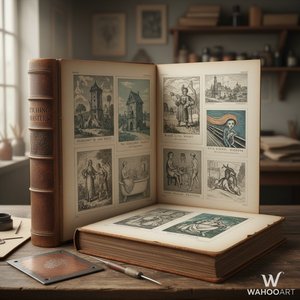
Etching Masters: 10 Legendary Prints That Revolutionized Art | OriginalUniqueArt
Journey through 10 legendary etching masterpieces by Rembrandt, Dürer & Goya. Explore the history of printmaking and discover timeless art for your home. Find museum-quality reproductions at OriginalUniqueArt.com.
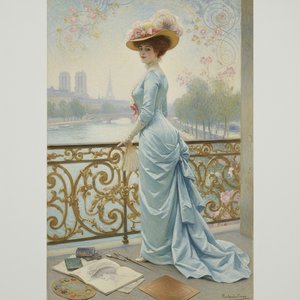
Paul César Helleu: Capturing Belle Époque Elegance & Artistic Innovation
Explore the captivating world of Paul César Helleu, master portraitist of the Belle Époque. Discover his innovative techniques, iconic works like 'Portrait of Margaret Kelly,' and investment potential with OriginalUniqueArt.

ポール・セザンヌ:至高の25選 - 傑作と革新の軌跡 | OriginalUniqueArt
ポール・セザンヌの至高の25選。ポスト印象派を代表する画家、セザンヌの傑作と革新的な技法を紐解きます。OriginalUniqueArtで高品質な複製画やインテリアアートを見つけ、芸術の世界をご自宅に。今すぐコレクションをご覧ください。

Etching: A Historical Survey of Technique, Aesthetic Qualities & Enduring Artistic Significance
Explore the rich history of etching, from its origins to Rembrandt's masterful innovations. Discover the technique, aesthetic qualities & enduring legacy of this captivating art form. Expert insights for collectors and enthusiasts.
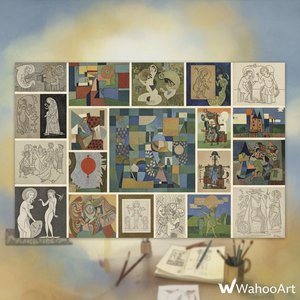
パウル・クレー傑作25選:色彩と象徴に満ちた芸術の世界 | OriginalUniqueArt
パウル・クレーの傑作25選🎨 色彩と象徴に満ちた抽象絵画の世界を旅。ドイツ表現主義からバウハウスまで、クレーの革新的な技法と感動的な作品群をOriginalUniqueArtで。高品質な美術品複製やインテリアアートも豊富です。オンラインストアで全コレクションをご覧ください。