

 プレビュー
プレビュー
 プリントを購入
 シェアする
シェアする シェアする
シェアする
 詳細を見る
詳細を見る

 ダウンロード
 似ている作品
 X線調査
X線調査 スライドショー
Morphine Addicts
 Acrylic On Canvas
- WallArt
- Impressionism
 1887
1887 24.0 x 37.0 cm
 メトロポリタン美術館
 詳細を見る
詳細を見る
オンラインプレビューをはるかに凌ぐ、高解像度で鮮明なデジタル画像をご購入いただけます。
各ファイルは、社内の専門家が高度なツールと熟練した手作業によるレタッチを用いて、細心の注意を払って準備されています。すべての画像において、卓越した鮮明度、正確な色彩再現性、そして繊細なディテールを保証いたします。
最終ファイルは、プロフェッショナルな編集・印刷環境ですぐにご利用いただけるよう最適化された状態で、72時間以内にメールにてお届けいたします。これは、一流のデザインスタジオ、出版社、ギャラリーから信頼されているものと同等の品質です。
デジタル画像のご注文に付随する特典
高品質なデジタル画像配信を、確かな品質で。
OriginalUniqueArt.com を選ぶことは、単に画像を手に入れることではありません。それは、プロの手によって精密に仕上げられ、満足保証が付いた高品質なデジタルアートワークを受け取ることを意味します。ご注文いただいた際に自動的に付随する内容は、以下の通りです:

メールですぐにお届け
ご注文から72時間以内に、高解像度のデジタル画像ファイルがメールでお手元に届きます。すぐにそのままご利用いただけます。

AI技術で最適化されたデジタルファイル
お客様の作品は、高度なAIツールと専門家による手作業の編集を組み合わせてプロフェッショナルに最適化されており、細部のディテール、鮮明さ、そして正確な色再現性を最大限に引き出しています。

一生涯無料の再送サービス
ファイルを誤って削除したり、紛失してしまったりしましたか?ご安心ください。いつでも無料で再送いたします。

輸入手数料は一切かかりません
関税や手数料、配送料を気にすることなく、お気に入りのアートワークをすぐにお楽しみいただけます。デジタルダウンロードは常に免税です。

色彩再現の保証
プロ仕様のツールとカラーマネジメント技術を用いることで、デジタル画像が元の色を最大限に忠実に再現することを保証いたします。

100日間満足保証
ご購入いただいたデジタル画像にご満足いただけない場合は、100日以内であれば、理由を問わず修正または100%の返金対応をさせていただきます。

100% 返金保証
ご満足いただけない場合は、デジタルファイルを受け取ってから100日以内であれば、理由を問わず全額返金いたします。

まとめ買い割引
3枚購入で10%OFF - 5枚購入で15%OFF - 10枚以上購入で20%OFF。クリエイティブなプロジェクト、ギャラリー、エージェンシーに最適です。
Paul Albert Besnard - Morphine Addicts
Paul Albert Besnard (1849-1934) stands as a singular figure in French art of the late nineteenth and early twentieth centuries—a painter who stubbornly resisted categorization while simultaneously achieving remarkable success across diverse artistic mediums. Born in Paris, he possessed an innate talent nurtured by formal training at the École des Beaux-Arts under Jean Bremond and profoundly shaped by the pioneering spirit of Alexandre Cabanel, whose meticulous realism served as a cornerstone for Besnard’s initial artistic explorations. His academic grounding provided a disciplined foundation upon which he would later forge his own distinctive path, one characterized by an unwavering fascination with color and light—concepts championed by the Impressionists. Despite eschewing the overtly dramatic aesthetic favored by his contemporaries, Besnard skillfully adapted Impressionistic techniques to monumental decorative pro Besnard’s oeuvre is marked by a profound sensitivity to human emotion and psychological nuance, particularly evident in his portraits of women – figures rendered with exquisite detail and imbued with an aura of melancholy. “Morphine Addicts,” completed in 1887, exemplifies this artistic approach, presenting two women presented in a starkly lit laboratory setting—a juxtaposition that immediately invites contemplation on themes of illness, addiction, and the complexities of human experience. The artist’s masterful command of etching technique contributes significantly to the artwork's expressive power, capturing subtle tonal variations and textural nuances with remarkable precision. The composition itself is deliberately restrained, focusing intently on the faces and upper bodies of the subjects—a stylistic choice that underscores Besnard’s commitment to realism while simultaneously conveying a sense of intimacy. The figures are positioned slightly off-center, creating visual balance and drawing the viewer's gaze towards their expressive eyes. A table laden with scientific glassware serves as a grounding element, anchoring the scene within its clinical context and subtly hinting at the underlying narrative. Besnard’s meticulous hatching and crosshatching techniques—inherited from Cabanel’s influence—are employed to build up areas of shadow, enhancing depth and creating an atmosphere of quiet contemplation. Color plays a crucial role in conveying emotion, though Besnard eschews vibrant hues characteristic of Impressionism, opting instead for a monochrome palette dominated by shades of grey and white. This tonal scheme amplifies the artwork’s melancholic mood, emphasizing the vulnerability of the subjects and fostering a connection with the viewer on an emotional level. The artist skillfully utilizes light and shadow to sculpt the forms of the women's faces, highlighting their expressions and conveying subtle nuances of emotion—a testament to Besnard’s artistic prowess. Ultimately, “Morphine Addicts” transcends mere visual representation; it functions as a poignant meditation on human suffering and resilience. Besnard’s stylistic blend of academic realism with Impressionistic sensibilities captures the essence of his era—a period marked by intellectual curiosity and an exploration of psychological states. The artwork's enduring appeal lies in its ability to provoke reflection on themes of addiction, vulnerability, and the profound beauty found within moments of quiet introspection. It remains a compelling example of Besnard’s artistic vision and a testament to the power of art to communicate complex emotions with grace and subtlety.作家の略歴
ポール・アルベール・ブエスナールが遺した、光り輝くレガシー
フランス美術の壮大なタペストリーにおいて、ポール・アルベール・ブエスナール(1849-1934)は、他に類を見ない唯一無二の存在として君臨しています。彼は19世紀末から20世紀初頭にかけての激動する時代の潮流を、独自の、そしていかなる定義も拒むかのような優雅さをもって泳ぎ切った画家でした。パリに生まれた彼の芸術的旅路は、ジャン・ブレモンに師事したエコール・デ・ボザールの厳格な規律の中で幕を開けました。初期の形成期において、アレクサンドル・カバネルによる緻密なリアリズムは彼に深い影響を与え、ブエスナールに規律あるアカデミックな基礎をもたらしました。しかし、その古典的な訓練の底には、常に革新者としての鼓動が打ち鳴らされていました。彼はやがて伝統という硬直した境界を越え、光と大気が織りなす、儚くも美しい瞬間を捉える道へと進んでいったのです。
キャリアが成熟するにつれ、ブエスナールはアカデミックな絵画が持つ構造化された世界と、印象派が追求した鮮やかで感覚的な探求との間に、架け橋を築き始めました。純粋な抽象化のために形態を完全に放棄したわけではありませんでしたが、彼は色彩の巨匠となり、光に満る輝きと深い感情を湛えたパレットを操るようになりました。彼の作品を特徴づけるのは、光が物体といかに交わるかという点に対する、揺るぎない情熱です。それは肖像画における繊細な肌の質感から、壮大な依頼作品に見られる広大な建築的空間に至るまで、一貫しています。記念碑的なスケールと親密な情緒を融合させるこの比類なき能力こそが、彼を時代のラベルを超越させ、時代を超越しながらも驚くほど現代的な感覚を失わない独自のスタイルを確立させたのです。
規模と精神の巨匠
ブエスナールの真の天才性は、現代的な感性を壮大で装飾的なスケールへと翻訳する能力に最も顕著に表れていました。彼は単に絵を描いたのではありません。空間そのものを変容させたのです。フランスの最も権威ある機関を彩る彼の野心的なフレスコ画は、芸術を「公的で没入的な体験」として捉える彼のビジョンの証左といえます。これらの傑作は、以下のような場所で見ることができます。
- ソルボンヌ大学:そこでは彼の筆致が、アカデミックな威厳に生命を吹き込んでいます。
- 薬科大学:芸術を機能的な建築と融合させる彼の卓越した手腕が示されています。
- コメディ・フランセーズの科学の間:装飾的な物語表現における一つの到達点です。
- パリ市庁舎:パリ市民の誇りと、洗練された美意識を反映しています。
- ベルク病院の礼拝堂:ここで描かれた十字架の道行きは、宗教的な図像学を現代的かつ人間主義的な視点から再構築しました。
これら大規模な試みにおいて、ブエスナールは当時の多くの画家が好んだ過度に劇的、あるいは演劇的な美学をあえて避けました。その代わりに、彼はより繊細で大気的なアプローチを採用し、光が鑑賞者の視線を導くように仕向けたのです。それによって、たとえどれほど巨大な構図であっても、詩的な親密さと精神的な深みが失われることはありませんでした。
肖像画と形態の親密さ
フレスコ画が描き出す広大な景色を超えて、ブエスナールはよりパーソナルな作品においても多作な表現者でした。彼は油彩、水彩、パステル、そしてエッチングを通じて、被写体の心理的な本質を捉える驚異的な能力を備えていました。彼の肖像画が称賛されるのは、単なる技術的な正確さゆえではなく、そこから立ち上がる深い感情の共鳴によるものです。マダム・ジョルジュ・ロダンバックを描いた作品には、従来の規範に挑戦するような美への大胆な探求が見られ、質感とキャラクターを等しく情熱的に描き出す彼の技量を見ることができます。
版画家および素描家としての多才さは、より繊細なスケールにおいて光と影の相互作用を実験することを可能にしました。ベルギー国王夫妻の威厳ある佇まいを捉えるときも、風景の静寂を描くときも、ブエスナールの作品にはトマス・ゲインズボローを彷彿とさせる影響が根底に流れています。それは主題を高揚させる、ある種のエレガンスとリズム感のある流れです。結局のところ、ポール・アルベール・ブエスナールの重要性は、まさにこの二面性に集約されています。彼はフランスの最も広大なホールを支配する力強さを持ちながら、同時に、光の最も儚く繊細な囁きをも捉えることができる芸術家だったのです。
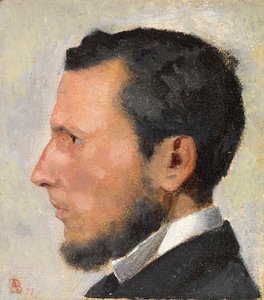
ポール=アルベール・ベスナール
1849 - 1934 , フランス
プロフィール概要
- Artistic Movement Or Style: 印象派
- Artists Or Movements Influenced By This Artist: ['アカデミック絵画']
- Artists Who Influenced This Artist:
- アレクサンドル・カバネル
- トマス・ゲインズボロー
- Date Of Birth: フランス、パリ (1849年)
- Date Of Death: 1934年
- Full Name: ポール・アルベール・ベスナール
- Nationality: フランス
- Notable Artworks:
- ティモパネスの死
- 仲裁による平和
- ジョルジュ・ロデンバック夫人肖像
- Place Of Birth: パリ