- ホーム

- キャンバスプリント用
- Paul Albert Besnard
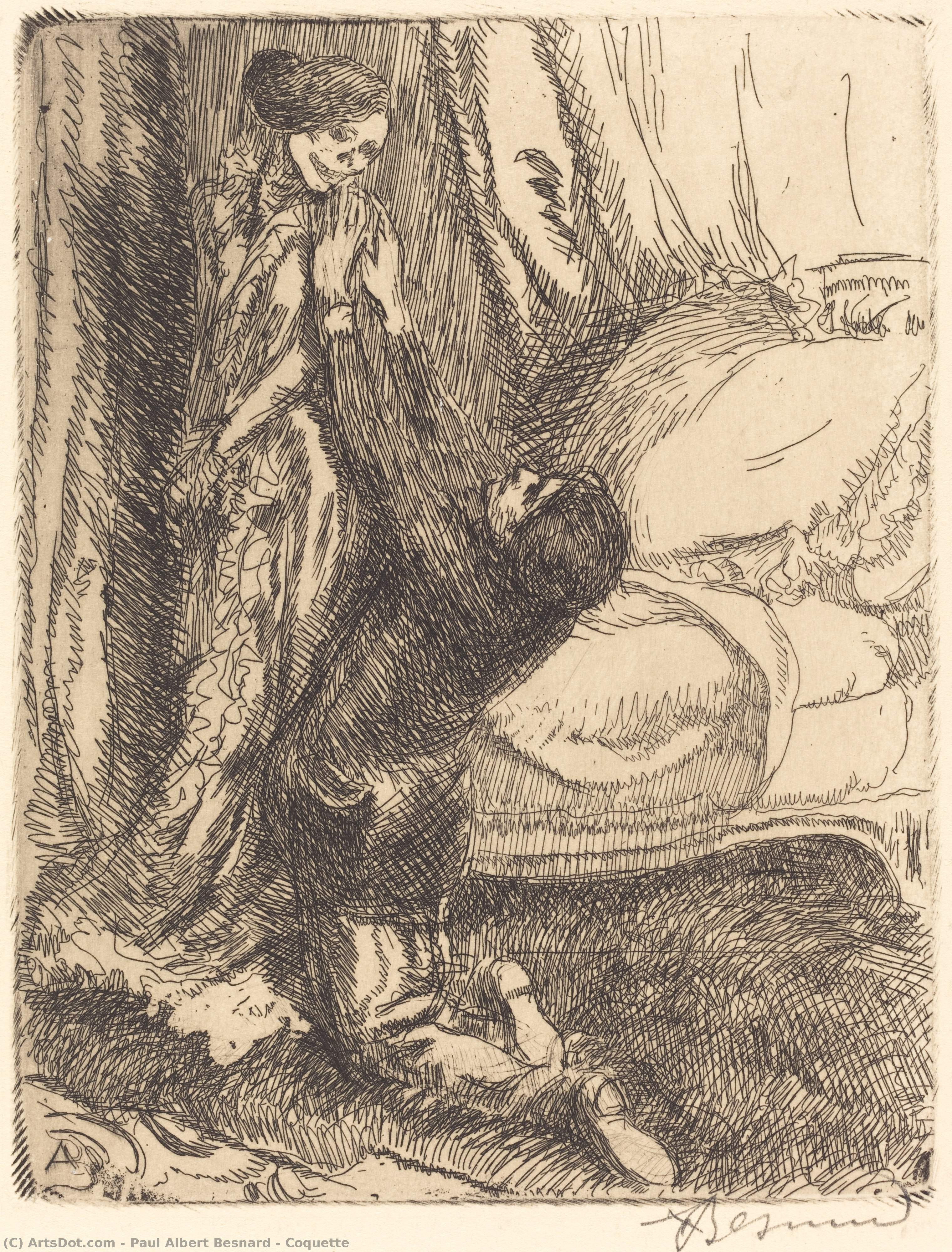
- Coquette
 手描き複製画を注文する
 シェアする
シェアする シェアする
シェアする
 詳細を見る
詳細を見る

 ダウンロード
 似ている作品
 X線調査
X線調査 スライドショー
Coquette


 詳細を見る
詳細を見る




































作品のオリジナル比率に合わせた、当店の規定サイズからお選びください。

特定のフレームやスペースに合わせて、ご自身でサイズを指定することも可能です。選択されたサイズが元の画像の比率と一致しない場合、作品をトリミングするか、鏡面反射または単色での塗りつぶしによって画像を拡張いたします。制作を開始する前に、ご確認用のデジタルモックアップをお送りいたします。
画面上のプレビューには、実際のトリミングや拡張は反映されませんのでご注意ください。最終的な構図を正確に確認できるのは、モックアップのみとなります。
カスタムサイズも承っておりますが、元の比率を維持するためには、あらかじめ用意されたリストからサイズを選択することをお勧めいたします。


 ガラスオプションは、110cm未満のサイズでのみご利用いただけます。

Coquette
ジークレー/アートプリント
複製画のサイズ
-


合計金額
-
アーティストの略歴
The Luminous Legacy of Paul Albert Besnard
Paul Albert Besnard (1849-1934) stands as a singular figure in the tapestry of French art, a painter who navigated the shifting tides of the late nineteenth and early twentieth centuries with a unique, unclassifiable grace. Born in Paris, his artistic journey began within the rigorous confines of the École des Beaux-Arts, where he studied under Jean Bremond. His early development was profoundly shaped by the meticulous realism of Alexandre Cabanel, an influence that provided Besnard with a disciplined academic foundation. Yet, beneath this classical training beat the heart of a modernizer, one who would eventually move beyond the rigid boundaries of tradition to embrace the ephemeral beauty of light and atmosphere.
As his career matured, Besnard began to bridge the gap between the structured world of academic painting and the vibrant, sensory explorations of Impressionism. While he did not fully abandon form for the sake of pure abstraction, he became a master of color, utilizing a palette that felt both luminous and deeply emotive. His work is characterized by an unwavering fascination with how light interacts with surfaces, whether it be the delicate skin in a portrait or the sweeping architectural expanses of his grandest commissions. This ability to marry the monumental with the intimate allowed him to transcend the labels of his era, creating a style that felt both timeless and strikingly contemporary.
A Master of Scale and Spirit
Besnard’s true genius was perhaps most visible in his ability to translate modern sensibilities onto a grand, decorative scale. He did not merely paint pictures; he transformed spaces. His ambitious frescoes, which adorn some of France's most prestigious institutions, serve as a testament to his vision of art as a public, immersive experience. These works can be found in locations such as:
- The Sorbonne, where his brushwork breathes life into academic grandeur.
- The École de Pharmacie, showcasing his ability to integrate art with functional architecture.
- The Comédie Française’s Salle des Sciences, a triumph of decorative storytelling.
- Hôtel de Ville, reflecting the civic pride and aesthetic sophistication of Paris.
- Berck Hospital's chapel, where his Stations of the Cross reimagined religious iconography through a modern, humanistic lens.
In these massive undertakings, Besnard eschewed the overtly dramatic or theatrical aesthetics favored by many of his contemporaries. Instead, he utilized a more subtle, atmospheric approach that allowed the light to guide the viewer's eye, ensuring that even the most massive compositions retained a sense of poetic intimacy and spiritual depth.
Portraiture and the Intimacy of Form
Beyond the sweeping vistas of his frescoes, Besnard was a prolific creator of much more personal works. He possessed an extraordinary ability to capture the psychological essence of his subjects through oil, watercolor, pastel, and etching. His portraits are celebrated not just for their technical precision, but for their profound emotional resonance. In his depiction of Madame Georges Rodenbach, one finds a daring exploration of beauty that challenges conventional norms, showcasing his skill in rendering texture and character with equal fervor.
His versatility as a printmaker and draftsman allowed him to experiment with the interplay of shadow and light on a much more delicate scale. Whether capturing the regal presence of The King and Queen of Belgium or the quietude of a landscape, Besnard’s work remains anchored by an influence reminiscent of Thomas Gainsborough—a certain elegance and rhythmic flow that elevates the subject matter. Ultimately, Paul Albert Besnard’s significance lies in this very duality: he was an artist who could command the largest halls of France while simultaneously capturing the most fleeting, delicate whispers of light.
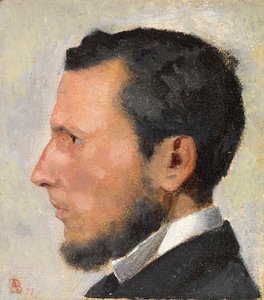
Paul Albert Besnard
1849 - 1934 , France
基本情報
- Artistic Movement Or Style: Impressionism
- Artists Or Movements Influenced By This Artist: ['Academic Painting']
- Artists Who Influenced This Artist:
- Alexandre Cabanel
- Thomas Gainsborough
- Date Of Birth: Paris, France (1849)
- Date Of Death: 1934
- Full Name: Paul Albert Besnard
- Nationality: French
- Notable Artworks:
- Death of Timophanes
- Peace by arbitration
- Portrait de Madame Georges Rodenbach
- Place Of Birth: Paris

