

 設置イメージを確認
 送る
送る シェア
シェア
 詳細情報
詳細情報 ガイドを表示

 画像をダウンロード
 似ている作品
 X線調査
X線調査 スライドショー
 統計情報
統計情報Hope


 続きを読む
続きを読む
ジークレー/アートプリント
スピーディーな制作と多彩な仕上げオプションが魅力の、ミュージアムクオリティなジークレー・キャンバスプリント。 ( 手描きの複製画を注文する デジタル画像販売へ切り替え)




P118B ¥10

P118H ¥10

P118W ¥10

P438Z ¥10

P508JH ¥12

P508YH ¥12

P805H ¥10

P805Z ¥10

P919BZ ¥10

P919G ¥10

P919XJ ¥10

P959ZH ¥10

P968JZ ¥12

W106C ¥8

W218G ¥10

W218JH ¥8

W218Y ¥10

W307PJ ¥10

W316G ¥10

W316PJ ¥8

W316Y ¥10

W398PJ ¥8

W4111J ¥10

W500HY ¥15

W500JH ¥15

W692G ¥12

W849H ¥8

W940BG ¥15

W953PJ ¥8




作品のオリジナル比率に合わせた、当店の規定サイズからお選びください。

額縁や壁のスペースに合わせて、ご希望の幅と高さを入力してください。プリントはカットすることは可能ですが、元の画像より大きくすることはできないため、異なる比率のサイズを選択された場合は、画像の一部が欠けることになります。印刷を開始する前に、内容を確認していただくためのデジタルモックアップをお送りいたします。このページに表示されている画像は、実際のカット後の状態を示すものではありません。実際の仕上がりはモックアップにてご確認ください。


 ガラスオプションは、110cm未満のサイズでのみご利用いただけます。

Hope
ジークレー/アートプリント
複製画サイズ一覧
-


合計金額
¥ 12591
Paolo Uccello’s ‘Hope’: A Renaissance Vision of Faith and Ascent
Paolo Uccello's “Hope,” painted around 1435, is not merely a depiction of a woman reaching towards the heavens; it’s a profound exploration of faith, perspective, and the burgeoning humanist ideals of the Early Renaissance. This captivating work, housed within the Duomo di Firenze (Florence Cathedral), offers a glimpse into Uccello's unique artistic vision – one characterized by an obsessive pursuit of mathematical precision blended with a vibrant, almost theatrical use of color and movement.
Uccello’s background as a barber-surgeon, coupled with his family’s noble lineage, instilled in him both a practical eye for detail and an appreciation for refined aesthetics. He wasn't simply a painter; he was a meticulous investigator, fascinated by the mechanics of sight and how to translate three-dimensional space onto a two-dimensional surface. This intellectual curiosity is strikingly evident in “Hope,” where he masterfully employs linear perspective – a technique still relatively new at this time – to create an illusion of depth that draws the viewer into the scene.
The Figure and Her Gesture
At the heart of the painting stands a woman, her posture radiating both serenity and fervent aspiration. She’s draped in a simple yet elegant green gown, its color echoing the lush foliage surrounding her – a subtle nod to nature's enduring symbolism of hope and renewal. Her hands are raised towards the sky, not in supplication, but with an expression of confident expectation. The gesture is crucial; it isn’t passive waiting, but active reaching, suggesting a belief in a future filled with promise.
The figure's face remains partially obscured, adding to her enigmatic quality and allowing viewers to project their own hopes and desires onto the image. She appears to be gazing at an unseen celestial event – perhaps a radiant angel or a divine manifestation – further emphasizing the painting’s spiritual core. The composition is carefully balanced; the woman occupies the central space, while the surrounding figures—a man on the left and two others on the right—create a dynamic backdrop that reinforces her upward trajectory.
Technique and Color
Uccello's mastery of color is immediately apparent. He utilizes a rich palette – yellows, blues, reds, and whites – to create a luminous effect, particularly in the depiction of the sky. The use of layered glazing techniques gives the colors depth and vibrancy, while strategically placed highlights draw attention to key elements within the composition. Notice how he employs atmospheric perspective, with distant objects appearing paler and less distinct, further enhancing the illusion of space.
The painting’s surface is characterized by a smooth, polished finish, indicative of Uccello's meticulous preparation and application of paint. His attention to detail extends beyond color; he carefully renders the folds of the woman’s gown, the textures of the surrounding foliage, and even the subtle expressions on the faces of the supporting figures. This dedication to realism, combined with his innovative use of perspective, distinguishes “Hope” as a landmark achievement in Renaissance art.
Symbolism and Context
"Hope" was likely commissioned for the Chapel of Our Lady of the Assumption within Florence’s Duomo. The chapel's design reflects the broader artistic trends of the period, incorporating elements of Gothic and Early Renaissance styles. The painting’s theme—hope—resonates deeply with the religious context of the commission, aligning with the church’s desire to inspire faith and devotion among its congregation.
Beyond its immediate religious significance, “Hope” embodies the humanist ideals that were gaining momentum during the Early Renaissance. The focus on human experience, particularly the aspiration for a better future, reflects a shift away from purely theological concerns towards a more worldly perspective. Uccello’s innovative use of perspective and his masterful rendering of space demonstrate a desire to understand and represent the world in a more accurate and compelling way – a hallmark of Renaissance art.
Bringing ‘Hope’ Home: A High-Quality Reproduction
OriginalUniqueArt offers meticulously crafted, hand-painted reproductions of Paolo Uccello's “Hope,” allowing you to bring this iconic masterpiece into your home or office. Our skilled artists replicate Uccello’s distinctive style and techniques with the utmost care, ensuring that each reproduction captures the painting’s original beauty and emotional impact. Choose from a range of sizes and canvas materials to perfectly complement your décor. Experience the timeless allure of “Hope” – a testament to Renaissance artistry and enduring human aspiration.
よくあるご質問
「Hope」のEarly Renaissance様式には、どのような情緒的なトーンが漂っていますか?
「Hope」のEarly Renaissance様式には、Hopefulな感情が添えられています。
ウッチョロ作「Hope」 の色彩は、どの程度調和していますか?
ウッチョロ作「Hope」は、Strong Color Unityな色彩の調和を見せています。
「Hope」の閲覧数はどのくらいですか?
ウッチョロ作「Hope」の統計情報ページでは、公開されている閲覧統計をご覧いただけます。この作品の月間閲覧数、アーティストのなかで最も閲覧されている作品との比較、そして訪問者の地域情報などが掲載されています。
アーティストについて
パオロ・ウッチョーロ:視覚の数学者、ルネサンスの先駆者
1397年、アレッチョ近郊プラトヴェッキオに生まれ、1475年にフィレンツェで生涯を閉じたパオロ・ディ・ドーノ、通称パオロ・ウッチョーロ。彼はルネサンス初期の画家であり、数学者として、絵画における視覚的遠近法への先駆的な取り組みによって、美術史にその名を刻みました。「鳥(Uccello)」という愛称は、彼の動物、特に鳥への愛情と、その鮮やかな描写に対する才能から得られたものです。ウッチョーロの芸術は、単なる絵画技術の習熟にとどまらず、知的な探求心、そして現実世界の認識原理を解き明かそうとする飽くなき好奇心の表れでした。幼少期には理髪師であり外科医でもあった父の影響を受けつつも、フィレンツェの貴族系の母から洗練された美的感覚を育み、1412年から1416年までにはロレンツォ・ギベルティの下で修行し、その後の芸術的発展に大きな影響を与えました。ギベルティの工房での経験は、彼にゴシック様式の特徴である装飾的な優美さと物語の明瞭さを深く理解させましたが、同時に既存の枠組みを超えようとする情熱を燃え上がらせたのです。遠近法の探求:数学的思考と絵画
ウッチョーロの芸術的成長は、単なる技術の習得ではなく、知覚を支配する根本原理に対する飽くなき探究心によって推進されました。彼は数学、特に幾何学と遠近法に没頭し、それらを抽象的な学問としてではなく、現実をより真実に表現するための道具として捉えました。フィリッポ・ブルネレスキが線形遠近法の発見者であることはよく知られていますが、ウッチョーロはそれを絵画に応用した最初の芸術家の一人であり、消失点や直交線を丹念に計算することで、これまで存在しなかった奥行きを創り出しました。これは単なる技術的な正確さではなく、物語の構成、劇性の強調、そして作品全体に秩序と知的な厳格さを与える手段だったのです。ジョルジョ・ヴァサリが記したように、ウッチョーロは遠近法への執着心から夜遅くまで研究に没頭し、消失点や空間関係について熟考していました。この献身こそが、芸術を革命的に変革し、後世の芸術家たちに道を開いたのです。幻想の傑作:主要作品と様式
ウッチョーロの作品群は比較的規模は小さいものの、ゴシック様式の優美さとルネサンスの革新性を融合させた独特なスタイルによって特徴づけられます。サン・ロマノの戦いシリーズは、おそらく彼の最も有名な業績であり、フィレンツェの勝利を記念するために依頼された三枚連作です。これらの絵画は単なる戦争の描写ではなく、渦巻く人物、断片化された鎧、劇的に短縮された槍で満たされたダイナミックな構成です。鮮やかな色彩と丹念に計算された遠近法によって、息を呑むような奥行きが創出されています。聖母マリア誕生は、浅い空間の中に説得力のある奥行きを作り出すウッチョーロの線形遠近法の習熟度を示し、聖ジョージと竜は、大胆な色彩と様式化された形態によって特徴づけられた伝説的な聖人の印象的な描写を提供しています。ノアの洪水と箱舟のような作品においても、ウッチョーロの建築的細部への関心と複雑な構成が顕著に現れています。彼のスタイルは常に以下の要素を反映しています:- 鮮やかな色彩と大胆な色の使用
- 劇的な効果のためにしばしば限界まで押し広げられた線形遠近法への重点
- ゴシック美術を彷彿させる様式化された人物と装飾的なパターン
- 幾何学的形態と空間関係に対する深い関心
遺産と影響:美術史における永続的な意義
パオロ・ウッチョーロの貢献は、彼の個々の絵画を超えて、美術史全体を大きく変えました。彼による遠近法の先駆的な探求は、数えきれないほどの芸術家たちに影響を与え、その後の芸術の流れを根本的に変えました。アルブレヒト・デューラーのようなドイツの版画家であり画家もまた、ウッチョーロの作品から大きなインスピレーションを受け、遠近法の研究に専念し、その原理を自身の芸術的実践に取り入れました。ウッチョーロのスタイルは、彼のキャリアを通してやや型にはまらないものでありましたが(ゴシック様式の洗練とルネサンスの革新性のユニークな融合)、彼の空間と形態に対する画期的なアプローチは、西洋美術の発展における重要な人物としての地位を確固たるものにしました。1475年にフィレンツェで亡くなった彼は、美しい絵画だけでなく、知的な好奇心と芸術的勇気の遺産を残し、今もなお私たちを魅了し続けています。彼の作品は、私たちが目にするものが何であるかだけでなく、どのように見るのかという理解こそが真の芸術の本質であることを思い出させてくれます。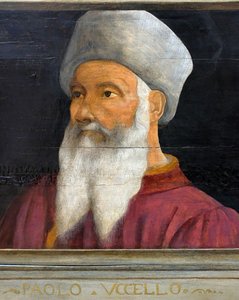
ウッチョロ
1397 - 1475 , イタリア
アーティスト情報
- フルネーム: パオロ・ウッチェロ
- 主な作品:
- サン・ロマーノの戦い
- 生 Virgin
- 聖ジョージと竜
- 出身地: プラートヴェッキョ、イタリア
- 国籍: イタリア
- 影響を与えたアーティスト: ['アルブレヒト・デューラー']
- 影響を受けたアーティスト:
- ロレンツォ・ギベルティ
- ドナテッロ
- 死亡年月日: 1475年
- 生年月日: 1397年
- 芸術運動/スタイル: 初期ルネサンス
関連記事

OriginalUniqueArt.com F.A.Q.: Elevating Interiors with Bespoke Wall Murals & Masterpiece Frescoes
Discover the pinnacle of bespoke interior transformation with OriginalUniqueArt.com. Our master fresco artists create exquisite, hand-painted wall murals and ceiling masterpieces tailored to your estate. Elevate your architectural space with timeless, museum-quality artistry.


