設置イメージを確認
 送る
送る シェア
シェア
 詳細情報
詳細情報 ガイドを表示

 画像をダウンロード
 似ている作品
 X線調査
X線調査 スライドショー
 Q&A
Q&A 統計情報
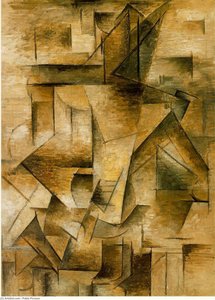
統計情報Working painter observed by a nude model
 Etching
- WallArt
- Cubist Influence
 1928
1928- Modern
 19.0 x 28.0 cm
 MoMA(ニューヨーク近代美術館)
 続きを読む
続きを読む
このページに掲載されている作品は著作権法によって保護されており、当社の許可なく同一の複製物を制作または販売することは法律で禁じられています。この保護は、以下のような国際条約に基づき執行されます。 ベルヌ条約 および、以下の条項に定められたものを含む各国の法律により、 米国著作権法 第17編。
敬意を払った法的な代替手段として、私たちはオリジナルにインスピレーションを与えられた、カスタムの手描きアートワークを提供しています。私たちの熟練したプロのアーティストは、元の作品が持つスタイル、情緒、そして芸術的なエッセンスを注意深く研究し、独自の創作物でありながら、同じ感性を呼び起こすような、新しくユニークな作品を作り上げます。
この手法は、著作権で保護された作品の複製や複写を伴わないため、著作権法に完全に準拠しています。これは単なる模倣ではなく、創造的な再解釈です。元の作品からインスピレーションを受けつつも、それとは異なる、全く新しい絵画を生み出すものです。
手描き油彩複製画
当社のアーティストが、お客様のご希望のサイズと額縁に合わせて、キャンバスに手描きで制作する油彩画です。 ( プリント版に切り替え デジタル画像販売へ切り替え)




P118B ¥10

P118H ¥10

P118W ¥10

P438Z ¥10

P508JH ¥12

P508YH ¥12

P805H ¥10

P805Z ¥10

P919BZ ¥10

P919G ¥10

P919XJ ¥10

P959ZH ¥10

P968JZ ¥12

W106C ¥8

W218G ¥10

W218JH ¥8

W218Y ¥10

W307PJ ¥10

W316G ¥10

W316PJ ¥8

W316Y ¥10

W398PJ ¥8

W4111J ¥10

W500HY ¥15

W500JH ¥15

W692G ¥12

W849H ¥8

W940BG ¥15

W953PJ ¥8




作品のオリジナル比率に合わせた、当店の規定サイズからお選びください。

フレームや壁のスペースに合わせて、ご希望の幅と高さを入力してください。本作品は手描きのため、異なる比率のサイズをご希望の場合、絵画の周囲を少し広げて描くか、あるいは端を少しカットして調整することが可能です。お客様のご要望に合わせます。制作を開始する前に、仕上がりを確認するためのデジタルモックアップをお送りいたします。このページに表示されている画像は完成品の実物ではなく、あくまでモックアップによるイメージです。
ご注文後、OriginalUniqueArt.com チームより詳細な指示をお送りするとともに、仕上がりイメージ(モックアップ)をご提供いたします。


 ガラスオプションは、110cm未満のサイズでのみご利用いただけます。

Working painter observed by a nude model
再現技法
複製画サイズ一覧
-


合計金額
¥ 55085
A Quiet Intimacy in Monochrome
In the hushed atmosphere of a 1928 studio, Pablo Picasso captured a moment that transcends the mere act of painting, offering us instead a profound meditation on the gaze. "Working Painter Observed by a Nude Model" is not simply a depiction of an artist at his easel; it is a delicate dance of observation and vulnerability. Through the masterful medium of etching, Picasso invites the viewer into a private sanctuary where the boundaries between creator and subject begin to blur. The artwork presents a stark yet soulful monochrome palette, where subtle shades of gray dance against a warm, beige paper, creating an atmosphere of quiet intensity that commands the room it inhabates.
The composition is anchored by two figures locked in a silent dialogue. On one side, the painter—a surrogate for Picasso himself—is deeply immersed in his labor, his form partially obscured as he focuses on the canvas. Opposite him, a nude model reclines upon a chaise lounge, her eyes fixed intently upon the artist's progress. This arrangement evokes a sense of voyeurism and shared purpose, suggesting that the act of creation is never a solitary endeavor but one fueled by the energy of the muse. For the discerning collector or interior designer, this piece offers a sophisticated focal point, bringing a sense of intellectual depth and classical poise to any modern space.
The Precision of the Etched Line
Technically, this work is a triumph of intaglio printmaking. Picasso utilized the etching process to achieve a level of detail and tonal gradation that a brush alone might struggle to convey. By meticulously manipulating acid on a metal plate, he created a network of fine, closely spaced lines that define the soft contours of the human form and the textured weight of the studio objects. The use of linear hatching provides a palpable sense of depth, guiding the eye through the flattened pictorial space characteristic of his Cubist-influenced style.
The brilliance of the technique lies in its restraint. There is no need for vibrant color when the density of a single black line can suggest the heavy shadow of a chair or the delicate light hitting a shoulder. This mastery of light and shadow—chiaroscuro reimagined through a modern lens—creates a rhythmic texture that makes the print feel alive. The organic shapes of the figures contrast beautifully with the structured, geometric elements of the studio setting, providing a visual complexity that rewards prolonged contemplation.
A Legacy of Modernity and Emotion
Historically, this piece emerges from a pivotal era in Picasso's career, where he was navigating the complexities of post-Cubist expression. While it retains the fragmented perspective and structural experimentation of his earlier radical works, there is a newfound Neoclassical grace present here. It reflects a period of profound introspection, where the artist sought to reconnect with the fundamental human elements of form and emotion. The nudity of the model serves as a powerful symbol of openness and truth, stripping away the superficial to reveal the raw essence of the creative spirit.
For those looking to adorn their homes or galleries with a piece of art history, this reproduction offers more than just aesthetic beauty; it offers an emotional resonance. It is a work that speaks of the beauty found in stillness and the profound connection found in the act of looking. Whether placed in a minimalist contemporary study or a classic, richly textured library, "Working Painter Observed by a Nude Model" serves as a timeless testament to the enduring power of the artistic gaze.
よくあるご質問
「Working painter observed by a nude model」は、Cubist Influenceを代表する有名な作品でしょうか?
カタログ内のCubist Influenceの作品の中で、「Working painter observed by a nude model」はIconicと記録されています。
「Working painter observed by a nude model」全体の明るさはどの程度ですか?
視覚的な明るさの観点から見ると、パブロ・ピカソ作「Working painter observed by a nude model」 は brilliant です。
パブロ・ピカソによる「Working painter observed by a nude model」はパブリックドメインに含まれますか?また、その理由は何ですか?
パブロ・ピカソ作「Working painter observed by a nude model」は著作権により保護されていますです。著作権の保護期間は、1973年に亡くなった作家の没年から起算されます。
アーティストについて
パブロ・ピカソが遺した不朽のレガシー
芸術革命の代名詞とも言えるその名は、パブロ・ルイス・イ・ピカソ。1881年10月25日、スペインのマラガに彼は生まれました。彼の存在そのものが、創造的な表現のために運命づけられていたかのようです。伝説によれば、彼が最初に発した言葉は「鉛筆」を意味する「piz, piz」であったといいます。この幼少期からの芸術への傾倒は、画家であり美術教師でもあった父、ホセ・ルイス・ブルスコによって育まれ、基礎的な訓練を受けました。しかし、弟子は瞬く間に師を凌駕し、その内なる類まれな才能を予感させるほど、自然主義的な描写において驚異的な適性を見せました。その後、家族がア・コルクーニャ、そしてバルセロナへと移り住む中で、ピカソの姉の死という個人的な悲劇に見舞われます。こうした経験は、後の彼の作品に、憂鬱や死への意識といったテーマを繊細に吹き込むこととなりました。バルセロナ美術学校での正規の学業や、マドリードのサン・フェルノランド王立芸術アカデミーでの短い滞在期間中であっても、ピカソは硬直したアカデミズムの制約に抗い、むしろヴェラスケスやゴヤといった巨匠たちの作品に没頭することを好みました。こうして彼は、芸術的革新へと向かう独自の道を切り拓いていったのです。
憂鬱な「青」から、薔薇色の色彩へ
20世紀の幕開けとともに、ピカソの作品群には二つの際立った時期が現れます。それは「青の時代」(おおよそ1901年〜1904年)と「薔薇の時代」(1904年〜1906年)です。個人的な苦難と社会的な苦痛への鋭い認識から生まれた「青の時代」は、沈んだ青や青緑色の色調に浸された作品群が特徴です。そこには、物乞い、盲人、売春婦といった社会の片隅で生きる人々が描かれ、孤独と絶望というテーマを語りかけるような、忘れがたい共感をもって表現されています。生命(1903年)や古いギター弾き(1903年〜1904年)は、この感情に満ちた時期を象徴する痛切な例です。その後、パリへの移住と私生活の変化が、「薔薇の時代」の到来を告げました。パレットは劇的に暖かみを増し、ピンク、オレンジ、赤といった色彩が画面を彩るようになり、より楽観的な展望を反映したものとなりました。この時期、彼はサーカス団員たち――道化師やアクロバット、家族連れの芸人たち――に魅了されました。彼らは脆さと強靭さの両方を体現する存在でした。塩imbancosの一族(1905年)は、この変遷期を美しく凝縮しており、その後に待ち受ける様式的な探求への予兆を感じさせます。
視点の破壊:キュビスムとその先へ
1907年、美術史における決定的な瞬間が訪れます。アヴィニョンの娘たちの制作です。イベリア彫刻やアフリカのマスクの影響を受けたこの画期的な作品は、伝統的な遠近法や表現の概念を根底から打ち砕きました。それは、数世紀にわたる芸術的慣習に対する大胆な拒絶であり、キュビスムへの道を切り拓くものでした。ジョルジュ・ブラックとの緊密な協力関係の中で、ピカソはこの革命的な運動を共同で創設し、芸術家が現実をどのように認識し、描写するかというあり方を根本的に変えてしまいました。「分析的キュビスム」(1909年〜1912年)では、物体を幾何学的な形状へと断片化し、あたかも形態そのものを解剖するかのように、抑えられた色彩で描き出しました。これは後に「総合的キュビスム」(1912年〜1919年)へと進化し、新聞の切り抜きや布の端切れといったコラージュの要素を取り入れることで、質感と視覚的な複雑さの新たな層を加えました。ピカソは単に世界を再現することに満足せず、自らの定義によって世界を解体し、再構築しようとしたのです。
飽くなき実験者:新古典主義、シュルレアリスム、そして戦争
1920年代、ピカソは一時的に新古典主義的なスタイルを模索し、古典的な形態を反映させつつも、紛れもない現代的な感性を保持した記念碑的な人物像を描き出しました。同時に、彼は勃興しつつあったシュルレアリスム運動とも関わりを持ちましたが、その原理に完全に身を投じることはありませんでした。この時期の彼の作品は、初期の様式的影響とシュルレリスム的なイメージ、そして歪んだ遠近法を融合させ、彼の絶え間ない実験精神を示しています。スペイン内戦の恐怖はピカソに深い衝撃を与え、その集大成として誕生したのがゲルニカ(1937年)です。これはゲルニカ爆撃に対する、内臓を抉るような感情的な反応でした。この記念碑的な作品は、戦争の残虐性を象徴する不朽のシンボルとなり、ピカソが単なる芸術家としてだけでなく、平和と社会正義のための力強い代弁者としての地位を確立する一助となりました。1950年代から60年代にかけても、彼は揺るぎない好奇心と技術をもって、陶芸、彫刻、版画といった領域へと境界を押し広げ続けました。1961年のジャクリーヌ・ロクとの結婚は、彼の私生活と芸術的表現に新たな次元をもたらしました。
計り知れない影響力
1973年4月8日、フランスのムジャンの地でパブロ・ピカソは没しました。しかし、彼が遺した驚異的な作品群――推定5万点を超えるといわれるその膨大な遺産――は、今なお人々を魅了し、インスピレーションを与え続けています。彼の芸術的発展は、ヴェラスケスやゴヤといったスペインの巨匠から、イベリア彫刻、アフリカ美術、そしてアンリ・マティスの鮮やかな色彩感覚に至るまで、多種多様な影響によって形作られました。20世紀美術における彼の衝撃は、計り知れないものです。 彼はキュビスムを創始し、コラージュや構成彫刻の先駆者となり、常に芸術的慣習に挑戦し続けました。ピカソの飽くなき実験は近代美術を再定義し、後世の世代に消えることのない足跡を残し、歴史上最も重要かつ影響力のある人物の一人としての地位を不動のものにしました。彼のレガシーはキャンバスを超えて広がり、現代文化の数え切れない側面の中に響き渡り、芸術的ビジョンが持つ変革の力を私たちに思い起こさせてくれるのです。

パブロ・ピカソ
1881 - 1973 , スペイン
アーティスト情報
- フルネーム: パブロ・ルイス・ピカソ
- 主な作品:
- レ・デモワゼル・ダヴィニョン
- ゲルニカ
- 老ギター弾き
- 出生地: マラガ、スペイン
- 国籍: スペイン
- 影響を与えたアーティストまたは運動:
- キュビスム
- 現代美術
- 影響を受けたアーティスト:
- ベラスケス
- ゴヤ
- 没年月日: 1973年4月8日
- 生年月日: 1881年10月25日
- 芸術運動またはスタイル: キュビスム、シュルレアリスム
関連記事

Giclée Prints: Archival Quality & Aesthetic Nuances for the Discerning Collector
Explore the world of giclée prints with OriginalUniqueArt. Learn about archival quality, aesthetic nuances & investment potential. Expert guidance for discerning art collectors seeking museum-quality reproductions and lasting value.
Etching Masters: 10 Legendary Prints That Revolutionized Art | OriginalUniqueArt
Journey through 10 legendary etching masterpieces by Rembrandt, Dürer & Goya. Explore the history of printmaking and discover timeless art for your home. Find museum-quality reproductions at OriginalUniqueArt.com.

Etching: A Historical Survey of Technique, Aesthetic Qualities & Enduring Artistic Significance
Explore the rich history of etching, from its origins to Rembrandt's masterful innovations. Discover the technique, aesthetic qualities & enduring legacy of this captivating art form. Expert insights for collectors and enthusiasts.

The Enduring Legacy of Fine Art Prints: Technique, History & Aesthetic Impact
Explore the rich history & techniques of fine art prints. Discover investment potential, assess authenticity, and learn how to preserve your collection with expert guidance. Trusted insights for discerning collectors.

The Intricate World of Etching: A Historical Survey of Technique, Aesthetic Evolution, and Enduring Artistic Impact
Explore the rich history of etching, from its origins to modern practice. Discover techniques, key artists like Rembrandt, and insights for collectors. A comprehensive guide by OriginalUniqueArt.