 プレビュー
プレビュー
 シェアする
シェアする シェアする
シェアする
 詳細を見る
詳細を見る

 ダウンロード
 似ている作品
 X線調査
X線調査 スライドショー
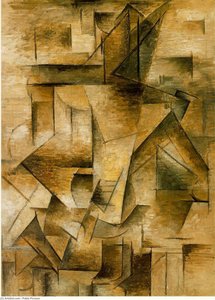
La bella Holandesa

 詳細を見る
詳細を見る
ジークレー/アートプリント
迅速な制作と多彩な仕上げオプションを備えた、ミュージアムクオリティのジークレーまたはキャンバスプリント。 ( 手描きの絵画を購入 画像を購入)




P118B $10

P118H $10

P118W $10

P438Z $10

P508JH $12

P508YH $12

P805H $10

P805Z $10

P919BZ $10

P919G $10

P919XJ $10

P959ZH $10

P968JZ $12

W106C $8

W218G $10

W218JH $8

W218Y $10

W307PJ $10

W316G $10

W316PJ $8

W316Y $10

W398PJ $8

W4111J $10

W500HY $15

W500JH $15

W692G $12

W849H $8

W940BG $15

W953PJ $8




作品のオリジナル比率に合わせた、当店の規定サイズからお選びください。

特定のフレームやスペースに合わせて、ご自身でサイズを指定することも可能です。選択されたサイズが元の画像の比率と一致しない場合、作品をトリミングするか、鏡面反射または単色での塗りつぶしによって画像を拡張いたします。制作を開始する前に、ご確認用のデジタルモックアップをお送りいたします。
画面上のプレビューには、実際のトリミングや拡張は反映されませんのでご注意ください。最終的な構図を正確に確認できるのは、モックアップのみとなります。
カスタムサイズも承っておりますが、元の比率を維持するためには、あらかじめ用意されたリストからサイズを選択することをお勧めいたします。


 ガラスオプションは、110cm未満のサイズでのみご利用いただけます。

La bella Holandesa
ジークレー/アートプリント
複製画のサイズ
-


合計金額
$ 80
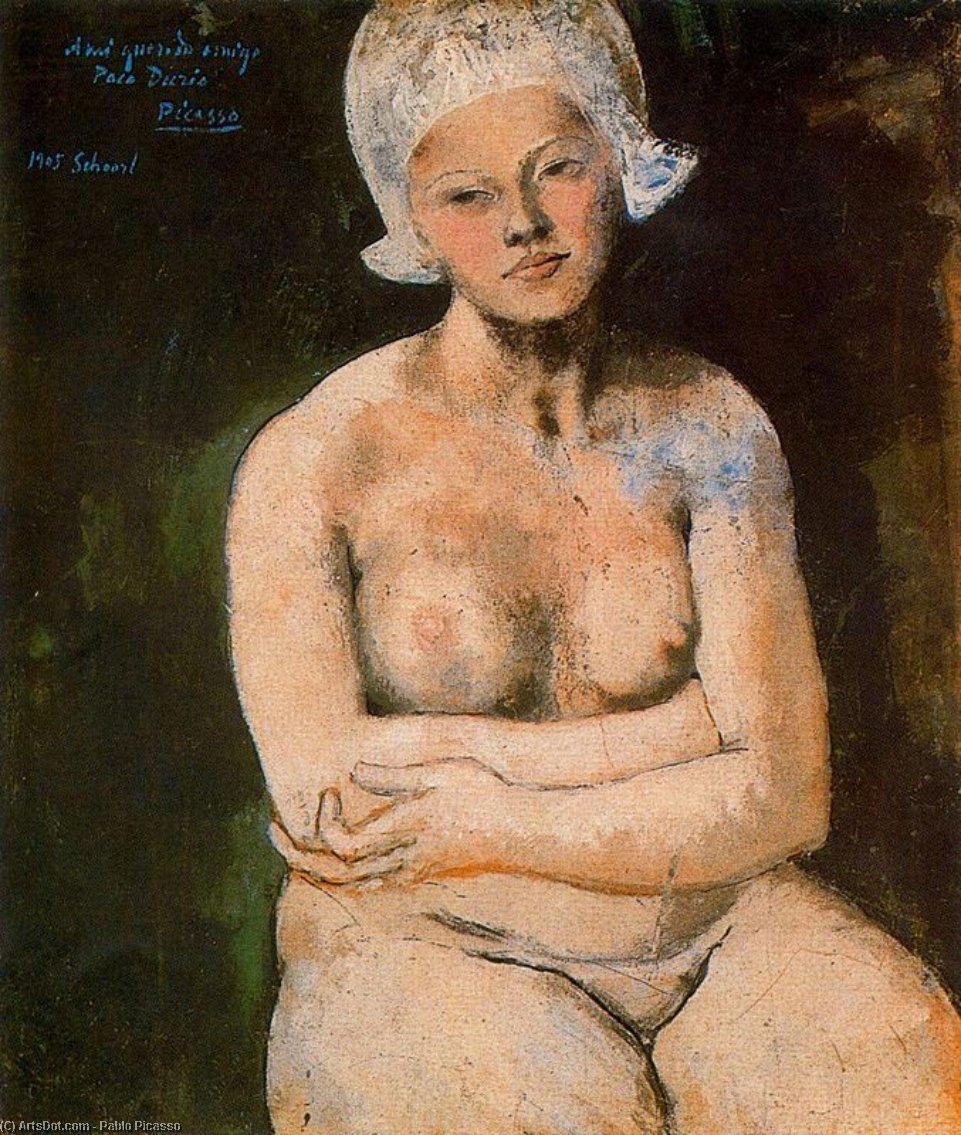
La Bella Holandesa: A Fragmented Portrait of Elegance
Pablo Picasso’s “La Bella Holandesa,” painted in 1905, stands as a pivotal moment in the genesis of Cubism and a testament to Picasso's masterful exploration of perspective and form. This gouache on cardboard mounted on wood depicts a woman with luminous blonde hair adorned with a delicate white wig—a figure rendered with remarkable sensitivity amidst a deliberately fractured landscape. The painting immediately captivates viewers not merely with its beauty but also with the audacious challenge it presents to traditional artistic conventions.Style and Technique: Embracing Cubist Innovation
The artwork embodies the core tenets of Cubism, spearheaded by Picasso alongside Georges Braque. Departing from representational accuracy, Cubists dismantle objects into geometric planes—cubes, cones, cylinders—and reconstruct them simultaneously from multiple viewpoints. In “La Bella Holandesa,” this technique is evident in the fragmented depiction of the woman’s face and torso, juxtaposed against a simplified blue background that echoes the tonal harmonies found in Vermeer's celebrated masterpiece, "Girl with a Pearl Earring." Picasso skillfully utilizes layering and glazing to achieve depth and luminosity, capturing the subtle nuances of light and shadow—a deliberate nod to Impressionist influences while simultaneously forging an entirely new aesthetic path. The meticulous execution showcases Picasso’s unwavering commitment to experimentation and his desire to push the boundaries of artistic expression.Historical Context: Vermeer's Influence and Artistic Dialogue
Picasso’s decision to incorporate elements reminiscent of Vermeer is no accident; it represents a conscious engagement with the artistic heritage of Northern Europe. Vermeer, known for his serene interiors bathed in diffused light, had established a paradigm for portraying domestic scenes with unparalleled realism and psychological insight. Picasso recognized the power of this stylistic approach—a masterful distillation of observation—and sought to elevate his own work beyond mere imitation. The painting emerged during a period of intense artistic ferment, coinciding with the burgeoning avant-garde movement that questioned accepted norms and championed radical innovation. “La Bella Holandesa” thus functions as both an homage to Vermeer’s legacy and a declaration of Cubism's independence from traditional representation.Symbolism: Beyond Surface Beauty
While visually arresting, "La Bella Holandesa" transcends mere decorative splendor; it harbors layers of symbolic significance. The woman herself embodies idealized femininity—a figure imbued with grace and composure—yet her gaze is averted, conveying a palpable sense of introspection and melancholy. This subtle emotional undertone underscores Picasso’s preoccupation with themes of vulnerability and psychological complexity—subjects that would become central to his oeuvre throughout his prolific career. The muted blue background serves as a counterpoint to the woman's vibrancy, suggesting an underlying tension between outward appearance and inner experience. It invites contemplation on the elusive nature of beauty and the profound depths of human emotion.Emotional Impact: A Window into Picasso’s Vision
Ultimately, “La Bella Holandesa” succeeds in capturing the essence of Picasso’s artistic vision—a desire to explore the complexities of perception and to challenge viewers' preconceptions about how reality is perceived. The painting’s fragmented form compels us to reconsider our understanding of space and perspective, prompting a dialogue between observation and imagination. More than just a portrait, it is an invitation to delve into the artist’s psyche—to contemplate the beauty of stillness amidst artistic disruption. Reproductions of this iconic artwork offer collectors and interior designers alike the opportunity to experience firsthand the transformative power of Picasso's groundbreaking style and his enduring legacy as one of art history’s most influential figures.アーティストの略歴
マálagaの息子、芸術革命への道
パブロ・ピカソ。その名は、20世紀美術における革命を象徴する言葉として世界中に知られています。1881年10月25日、スペインのマálagaで生まれ、幼い頃から鉛筆に惹かれる才能を示した彼は、父であるホセ・ルイス・ブルスコの指導のもと、絵画の世界へと足を踏み入れました。しかし、ピカソはすぐに師を凌駕し、自然主義的な描写における驚くべき才能を発揮しました。家族がコルヌーニャ、そしてバルセロナへと移り住った際、姉の死という悲劇に見舞われる中で、彼の作品には繊細な憂鬱と死への意識が滲み出ることになります。バルセロナ美術学校やマドリード王立サン・フェルナンド芸術アカデミーでの学業も中途半端に終わりましたが、それは彼が伝統的な画風に縛られることを拒否し、ヴェラスケスやゴヤといった巨匠たちから学びながら、独自の芸術的道を切り開こうとした証でした。青と薔薇の時代:感情と色彩の探求
20世紀初頭、ピカソは「青の時代」(1901年~1904年)と「薔薇の時代」(1904年~1906年)という、二つの明確な時期を経験します。青の時代は、個人的な苦悩と社会的な苦しみの鋭い認識から生まれ、憂鬱な青や藍色の色調に染め上げられた作品群が特徴です。貧困にあえぐ人々、盲人、売春婦といった社会の底辺で生きる人々を、深い共感をもって描き出し、孤独と絶望というテーマを表現しています。「生命」(1903年)や「古いギター弾き」(1903年~1904年)は、この時代を象徴する作品として、今もなお多くの人々の心を打ちます。そして、パリへの移住と私生活の変化が、「薔薇の時代」をもたらしました。パレットは暖色系へと変わり、ピンク、オレンジ、赤といった色彩が画面を彩ります。ピカソはサーカス団員たちに魅せられ、彼らの脆さと力強さを表現しました。「塩imbancosの一族」(1905年)は、この時代の移行期を示す作品であり、その後の芸術的探求への伏線となっています。視点の破壊:キュビスムと新たな表現
1907年の「アビニョンの娘たち」の制作は、美術史における転換点となりました。イベリア彫刻やアフリカのマスクの影響を受け、この作品は伝統的な遠近法や描写を根本から覆しました。それは、何世紀にもわたる芸術的慣習に対する大胆な拒絶であり、ジョルジュ・ブラックと共にキュビスムという革命的な運動へと繋がりました。分析的キュビスム(1909年~1912年)では、物体は幾何学的な形に分解され、抑制された色彩で表現されることで、あたかもその形態を解剖しているかのような印象を与えます。そして、新聞の切り抜きや布片といったコラージュ要素を取り入れた総合的キュビスム(1912年~1919年)へと発展し、新たな質感と視覚的な複雑さを加えました。ピカソは世界を単に表現するのではなく、それを解体し、自身の創造的な意図によって再構築しようとしたのです。変革の探求:新古典主義、シュルレアリスム、そして戦争
1920年代には、ピカソは一時的に新古典主義様式を取り入れ、古典的な形態を彷彿とさせる巨大な人物像を描きました。同時に、彼は新興のシュルレアリスム運動とも関わりを持ちましたが、完全にその影響下に入ったわけではありません。この時期の作品は、初期の様式的な影響とシュールなイメージ、そして歪んだ遠近法が融合し、彼の飽くなき実験精神を物語っています。スペイン内戦の悲劇はピカソに深い衝撃を与え、「ゲルニカ」(1937年)という巨大な作品を生み出しました。この作品は、ゲルニカ爆撃に対する激しい感情的な反応であり、戦争の惨禍を象徴する不朽の名作となりました。ピカソは芸術家としてだけでなく、平和と社会正義のための強力な声となったのです。1950年代から60年代にかけても、彼は陶芸、彫刻、版画といった様々な分野に挑戦し続けました。そして、1961年にジャクリーヌ・ルクとの結婚は、彼の個人的な生活と芸術表現に新たな次元をもたらしました。計り知れない遺産
1973年4月8日、ムーアンでピカソはその生涯を閉じましたが、5万点を超えるという驚くべき数の作品群を残し、後世に多大な影響を与えました。彼の芸術的発展は、ヴェラスケスやゴヤといったスペインの巨匠たちから、イベリア彫刻、アフリカ美術、そしてマティスの鮮やかな色彩パレットまで、多様な影響を受けています。20世紀美術への彼の貢献は計り知れません。キュビスムを創始し、コラージュや組み立て彫刻の先駆者となり、常に芸術的慣習に挑戦しました。ピカソの飽くなき実験精神は現代美術を再定義し、世代を超えて多くのアーティストにインスピレーションを与え続けています。彼の遺産はキャンバスを超え、現代文化の様々な側面に共鳴し、芸術的ビジョンの変革力を私たちに思い出させてくれます。
パブロ・ピカソ
1881 - 1973 , スペイン
基本情報
- フルネーム: パブロ・ルイス・ピカソ
- 主な作品:
- レ・デモワゼル・ダヴィニョン
- ゲルニカ
- 老ギター弾き
- 出生地: マラガ、スペイン
- 国籍: スペイン
- 影響を与えたアーティストまたは運動:
- キュビスム
- 現代美術
- 影響を受けたアーティスト:
- ベラスケス
- ゴヤ
- 没年月日: 1973年4月8日
- 生年月日: 1881年10月25日
- 芸術運動またはスタイル: キュビスム、シュルレアリスム
関連記事
Cubism's Revolution: 10 Masterpieces That Redefined Modern Art | OriginalUniqueArt
Explore 10 Cubist masterpieces by Picasso, Braque & more! Delve into the history of this revolutionary art movement. Find museum-quality reproductions and elevate your home decor with OriginalUniqueArt. Discover all masterpieces on OriginalUniqueArt.com

Pablo Picasso: A Revolutionary Vision – Cubism, Symbolism & Enduring Legacy
Explore the revolutionary art of Pablo Picasso with OriginalUniqueArt.com. Discover Cubism's origins, symbolism in his masterpieces & investment insights for collectors. Expert appraisal & custom reproductions available.
Cubist Portraits: 10 Masterpieces That Revolutionized Art | OriginalUniqueArt
Explore 10 revolutionary Cubist portraits by Picasso, Braque & more! Discover the stories behind these iconic paintings and how they shaped modern art. Find museum-quality reproductions to elevate your home decor on OriginalUniqueArt.com.
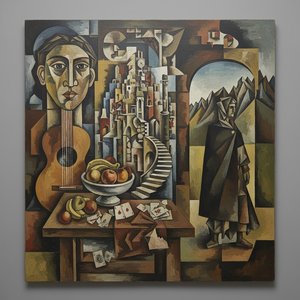
Cubist Expression: 10 Masterpieces That Revolutionized Modern Art | OriginalUniqueArt
Explore 10 Cubist masterpieces by Picasso, Braque & more! Discover the stories behind these revolutionary paintings and their impact on modern art. Find museum-quality reproductions for your home at OriginalUniqueArt.com – where art comes to life.
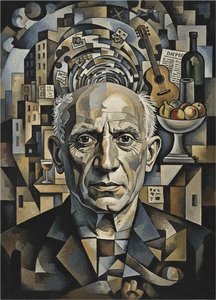
Mastering Cubism: An Essential Guide to the Revolutionary Artworks of Pablo Picasso
Explore the profound evolution of Cubism through an expert analysis of Pablo Picasso's revolutionary works. From Analytical to Synthetic Cubism, discover the techniques that redefined modern art and learn how to curate these iconic masterpieces for your private collection.