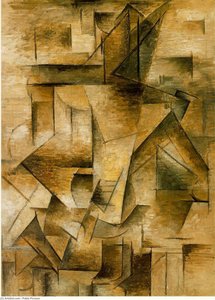
プレビュー
プレビュー
 シェアする
シェアする シェアする
シェアする
 詳細を見る
詳細を見る

 ダウンロード
 似ている作品
 X線調査
X線調査 スライドショー
Guernica details

 詳細を見る
詳細を見る
ジークレー/アートプリント
迅速な制作と多彩な仕上げオプションを備えた、ミュージアムクオリティのジークレーまたはキャンバスプリント。 ( 手描きの絵画を購入 画像を購入)




































作品のオリジナル比率に合わせた、当店の規定サイズからお選びください。

特定のフレームやスペースに合わせて、ご自身でサイズを指定することも可能です。選択されたサイズが元の画像の比率と一致しない場合、作品をトリミングするか、鏡面反射または単色での塗りつぶしによって画像を拡張いたします。制作を開始する前に、ご確認用のデジタルモックアップをお送りいたします。
画面上のプレビューには、実際のトリミングや拡張は反映されませんのでご注意ください。最終的な構図を正確に確認できるのは、モックアップのみとなります。
カスタムサイズも承っておりますが、元の比率を維持するためには、あらかじめ用意されたリストからサイズを選択することをお勧めいたします。


 ガラスオプションは、110cm未満のサイズでのみご利用いただけます。

Guernica details
ジークレー/アートプリント
複製画のサイズ
-


合計金額
$ 80
A Fragmented Echo of Trauma: Decoding Picasso’s Guernica
Pablo Picasso's "Guernica," completed in 1937, transcends mere visual representation; it stands as a visceral indictment of violence and suffering—a monumental achievement born from the crucible of historical upheaval. Commissioned by the Spanish Republican government to commemorate the bombing of Guernica during the Spanish Civil War, this sprawling canvas embodies Picasso’s masterful manipulation of Cubist principles to convey an overwhelming emotional response to atrocity. The painting's stark monochrome palette – predominantly grey, black, and white – amplifies its dramatic impact, mirroring the bleakness of wartime devastation while simultaneously elevating it beyond a simple depiction of events into a timeless meditation on human anguish.The Anatomy of Fragmentation: Picasso’s Cubist Vision
At first glance, “Guernica” assaults the viewer with a chaotic composition characterized by fractured planes and overlapping figures. Picasso deliberately dismantles traditional perspective, presenting multiple viewpoints simultaneously—a hallmark of Cubism pioneered by Georges Braque and Picasso himself. Geometric shapes dominate the scene: rectangular blocks define architectural structures and convey rigidity, while triangular forms contribute to instability and fragmentation. Lines are angular and jagged, mirroring the violence inflicted upon Guernica’s inhabitants and creating a palpable sense of unease. This deliberate disruption of form isn't merely stylistic; it serves as a crucial tool for conveying Picasso’s profound emotional conviction—the impossibility of capturing the totality of suffering through conventional artistic conventions.Symbolic Language: Decoding the Visual Narrative
Beyond its formal innovation, “Guernica” is laden with potent symbolism designed to resonate deeply within the viewer's psyche. The central figure – a screaming horse – embodies agony and vulnerability, representing both innocence and the brutality of oppression. Adjacent to it stands a bull, often interpreted as symbolizing Spain itself—a stoic witness to suffering yet also embodying primal aggression. Scattered throughout the canvas are fragmented human figures: a grieving mother clutching her dead child, a wounded soldier desperately grasping for solace, and anguished women fleeing terror. The piercing eye dominating the upper section serves as a beacon of vigilance and divine judgment, reminding us that innocence is perpetually threatened by barbarity. Furthermore, Picasso’s masterful use of light—or rather, its absence—intensifies the painting's emotional impact, casting shadows that deepen the sense of despair and highlighting the vulnerability of those caught in the crosshairs of conflict.Historical Context: Witness to a Brutal Reality
“Guernica” emerged from the turbulent backdrop of the Spanish Civil War (1936-1939), pitting Republican forces against Nationalist rebels led by Francisco Franco. The bombing of Guernica—a deliberate targeting of civilians—by Nazi Germany’s Luftwaffe, acting in support of Franco’s regime, galvanized Picasso into creating this monumental artwork. It stands as a searing condemnation of fascism and its disregard for human life—a testament to the enduring power of art to bear witness to historical trauma and inspire moral outrage. The painting's immediate reception was overwhelmingly critical acclaim, cementing Picasso’s reputation as one of the most influential artists of the 20th century.Emotional Resonance: An Image That Remains
“Guernica” continues to captivate audiences worldwide with its unflinching portrayal of suffering and its unwavering commitment to artistic integrity. Its monochrome palette, fractured composition, and symbolic language combine to create an experience that transcends mere visual perception—it compels us to confront the horrors of war and grapple with fundamental questions about humanity’s capacity for compassion and cruelty. More than just a painting; it's a timeless emblem of resilience in the face of adversity—a reminder that art can serve as a conduit for empathy and a catalyst for social change.アーティストの略歴
マálagaの息子、芸術革命への道
パブロ・ピカソ。その名は、20世紀美術における革命を象徴する言葉として世界中に知られています。1881年10月25日、スペインのマálagaで生まれ、幼い頃から鉛筆に惹かれる才能を示した彼は、父であるホセ・ルイス・ブルスコの指導のもと、絵画の世界へと足を踏み入れました。しかし、ピカソはすぐに師を凌駕し、自然主義的な描写における驚くべき才能を発揮しました。家族がコルヌーニャ、そしてバルセロナへと移り住った際、姉の死という悲劇に見舞われる中で、彼の作品には繊細な憂鬱と死への意識が滲み出ることになります。バルセロナ美術学校やマドリード王立サン・フェルナンド芸術アカデミーでの学業も中途半端に終わりましたが、それは彼が伝統的な画風に縛られることを拒否し、ヴェラスケスやゴヤといった巨匠たちから学びながら、独自の芸術的道を切り開こうとした証でした。青と薔薇の時代:感情と色彩の探求
20世紀初頭、ピカソは「青の時代」(1901年~1904年)と「薔薇の時代」(1904年~1906年)という、二つの明確な時期を経験します。青の時代は、個人的な苦悩と社会的な苦しみの鋭い認識から生まれ、憂鬱な青や藍色の色調に染め上げられた作品群が特徴です。貧困にあえぐ人々、盲人、売春婦といった社会の底辺で生きる人々を、深い共感をもって描き出し、孤独と絶望というテーマを表現しています。「生命」(1903年)や「古いギター弾き」(1903年~1904年)は、この時代を象徴する作品として、今もなお多くの人々の心を打ちます。そして、パリへの移住と私生活の変化が、「薔薇の時代」をもたらしました。パレットは暖色系へと変わり、ピンク、オレンジ、赤といった色彩が画面を彩ります。ピカソはサーカス団員たちに魅せられ、彼らの脆さと力強さを表現しました。「塩imbancosの一族」(1905年)は、この時代の移行期を示す作品であり、その後の芸術的探求への伏線となっています。視点の破壊:キュビスムと新たな表現
1907年の「アビニョンの娘たち」の制作は、美術史における転換点となりました。イベリア彫刻やアフリカのマスクの影響を受け、この作品は伝統的な遠近法や描写を根本から覆しました。それは、何世紀にもわたる芸術的慣習に対する大胆な拒絶であり、ジョルジュ・ブラックと共にキュビスムという革命的な運動へと繋がりました。分析的キュビスム(1909年~1912年)では、物体は幾何学的な形に分解され、抑制された色彩で表現されることで、あたかもその形態を解剖しているかのような印象を与えます。そして、新聞の切り抜きや布片といったコラージュ要素を取り入れた総合的キュビスム(1912年~1919年)へと発展し、新たな質感と視覚的な複雑さを加えました。ピカソは世界を単に表現するのではなく、それを解体し、自身の創造的な意図によって再構築しようとしたのです。変革の探求:新古典主義、シュルレアリスム、そして戦争
1920年代には、ピカソは一時的に新古典主義様式を取り入れ、古典的な形態を彷彿とさせる巨大な人物像を描きました。同時に、彼は新興のシュルレアリスム運動とも関わりを持ちましたが、完全にその影響下に入ったわけではありません。この時期の作品は、初期の様式的な影響とシュールなイメージ、そして歪んだ遠近法が融合し、彼の飽くなき実験精神を物語っています。スペイン内戦の悲劇はピカソに深い衝撃を与え、「ゲルニカ」(1937年)という巨大な作品を生み出しました。この作品は、ゲルニカ爆撃に対する激しい感情的な反応であり、戦争の惨禍を象徴する不朽の名作となりました。ピカソは芸術家としてだけでなく、平和と社会正義のための強力な声となったのです。1950年代から60年代にかけても、彼は陶芸、彫刻、版画といった様々な分野に挑戦し続けました。そして、1961年にジャクリーヌ・ルクとの結婚は、彼の個人的な生活と芸術表現に新たな次元をもたらしました。計り知れない遺産
1973年4月8日、ムーアンでピカソはその生涯を閉じましたが、5万点を超えるという驚くべき数の作品群を残し、後世に多大な影響を与えました。彼の芸術的発展は、ヴェラスケスやゴヤといったスペインの巨匠たちから、イベリア彫刻、アフリカ美術、そしてマティスの鮮やかな色彩パレットまで、多様な影響を受けています。20世紀美術への彼の貢献は計り知れません。キュビスムを創始し、コラージュや組み立て彫刻の先駆者となり、常に芸術的慣習に挑戦しました。ピカソの飽くなき実験精神は現代美術を再定義し、世代を超えて多くのアーティストにインスピレーションを与え続けています。彼の遺産はキャンバスを超え、現代文化の様々な側面に共鳴し、芸術的ビジョンの変革力を私たちに思い出させてくれます。
パブロ・ピカソ
1881 - 1973 , スペイン
基本情報
- フルネーム: パブロ・ルイス・ピカソ
- 主な作品:
- レ・デモワゼル・ダヴィニョン
- ゲルニカ
- 老ギター弾き
- 出生地: マラガ、スペイン
- 国籍: スペイン
- 影響を与えたアーティストまたは運動:
- キュビスム
- 現代美術
- 影響を受けたアーティスト:
- ベラスケス
- ゴヤ
- 没年月日: 1973年4月8日
- 生年月日: 1881年10月25日
- 芸術運動またはスタイル: キュビスム、シュルレアリスム
関連記事
Cubism's Revolution: 10 Masterpieces That Redefined Modern Art | OriginalUniqueArt
Explore 10 Cubist masterpieces by Picasso, Braque & more! Delve into the history of this revolutionary art movement. Find museum-quality reproductions and elevate your home decor with OriginalUniqueArt. Discover all masterpieces on OriginalUniqueArt.com
Cubist Portraits: 10 Masterpieces That Revolutionized Art | OriginalUniqueArt
Explore 10 revolutionary Cubist portraits by Picasso, Braque & more! Discover the stories behind these iconic paintings and how they shaped modern art. Find museum-quality reproductions to elevate your home decor on OriginalUniqueArt.com.
Cubist Expression: 10 Masterpieces That Revolutionized Modern Art | OriginalUniqueArt
Explore 10 Cubist masterpieces by Picasso, Braque & more! Discover the stories behind these revolutionary paintings and their impact on modern art. Find museum-quality reproductions for your home at OriginalUniqueArt.com – where art comes to life.
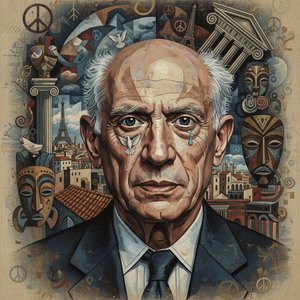
Pablo Picasso: A Revolutionary Vision – Cubism, Symbolism & Enduring Legacy
Explore the revolutionary art of Pablo Picasso with OriginalUniqueArt.com. Discover Cubism's origins, symbolism in his masterpieces & investment insights for collectors. Expert appraisal & custom reproductions available.
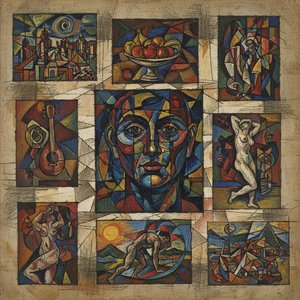
Cubist Expressionism's 10 Defining Masterpieces | Art for Your Home
Explore 10 defining Cubist Expressionism masterpieces by Picasso, Braque & more. Discover the stories behind these bold, geometric paintings and bring museum-quality art to your home with OriginalUniqueArt.com. Explore the full collection online.