
 プレビュー
プレビュー
 プリントを購入
 シェアする
シェアする シェアする
シェアする
 詳細を見る
詳細を見る

 ダウンロード
 似ている作品
 X線調査
X線調査 スライドショー
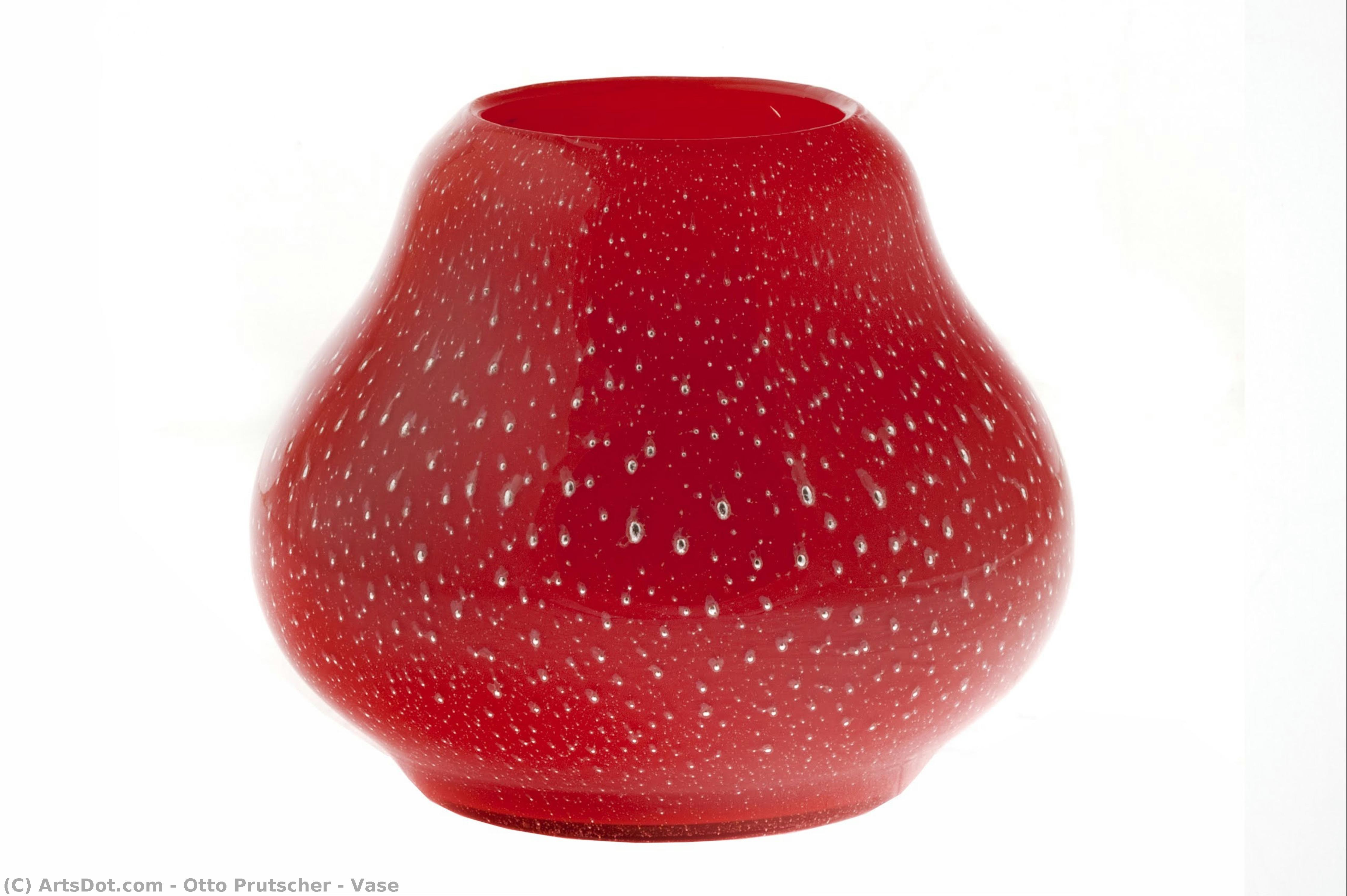
Vase
 1908
1908 6.0 x 12.0 cm
 Національний музей декоративних мистецтв Мадрида
 詳細を見る
詳細を見る
オンラインプレビューをはるかに凌ぐ、高解像度で鮮明なデジタル画像をご購入いただけます。
各ファイルは、社内の専門家が高度なツールと熟練した手作業によるレタッチを用いて、細心の注意を払って準備されています。すべての画像において、卓越した鮮明度、正確な色彩再現性、そして繊細なディテールを保証いたします。
最終ファイルは、プロフェッショナルな編集・印刷環境ですぐにご利用いただけるよう最適化された状態で、72時間以内にメールにてお届けいたします。これは、一流のデザインスタジオ、出版社、ギャラリーから信頼されているものと同等の品質です。
デジタル画像のご注文に付随する特典
高品質なデジタル画像配信を、確かな品質で。
OriginalUniqueArt.com を選ぶことは、単に画像を手に入れることではありません。それは、プロの手によって精密に仕上げられ、満足保証が付いた高品質なデジタルアートワークを受け取ることを意味します。ご注文いただいた際に自動的に付随する内容は、以下の通りです:

メールですぐにお届け
ご注文から72時間以内に、高解像度のデジタル画像ファイルがメールでお手元に届きます。すぐにそのままご利用いただけます。

AI技術で最適化されたデジタルファイル
お客様の作品は、高度なAIツールと専門家による手作業の編集を組み合わせてプロフェッショナルに最適化されており、細部のディテール、鮮明さ、そして正確な色再現性を最大限に引き出しています。

一生涯無料の再送サービス
ファイルを誤って削除したり、紛失してしまったりしましたか?ご安心ください。いつでも無料で再送いたします。

輸入手数料は一切かかりません
関税や手数料、配送料を気にすることなく、お気に入りのアートワークをすぐにお楽しみいただけます。デジタルダウンロードは常に免税です。

色彩再現の保証
プロ仕様のツールとカラーマネジメント技術を用いることで、デジタル画像が元の色を最大限に忠実に再現することを保証いたします。

60日間満足保証
ご購入いただいたデジタル画像にご満足いただけない場合は、60日以内であれば、修正または100%の返金(理由を問う必要はありません)をさせていただきます。

100% 返金保証
ご満足いただけない場合は、デジタルファイルを受け取ってから60日以内であれば、理由を問わず全額返金いたします。

まとめ買い割引
3枚購入で10%OFF - 5枚購入で15%OFF - 10枚以上購入で20%OFF。クリエイティブなプロジェクト、ギャラリー、エージェンシーに最適です。
作家の略歴
A Pioneer of Viennese Modernism: The Life and Legacy of Otto Prutscher
Otto Prutscher, born in Vienna in 1880 and passing away in 1949, stands as a pivotal yet often-underappreciated figure in the evolution of Austrian design. He wasn’t merely an architect; he was a versatile artist who seamlessly blended tradition with burgeoning modernity, leaving an indelible mark on everything from grand architectural projects to the delicate curves of glassware and the intricate patterns adorning textiles. Prutscher embodied the spirit of Vienna at the turn of the 20th century—a city brimming with artistic innovation, intellectual ferment, and a desire to forge a new aesthetic identity. His early education at the Fachschule für Holzindustrie and subsequently at the Kunstgewerbeschule (School of Applied Arts) laid the foundation for his multifaceted career. Crucially, it was under the tutelage of Josef Hoffmann that Prutscher’s artistic sensibilities were truly shaped, instilling in him a commitment to quality craftsmanship and a keen awareness of prevailing architectural trends.Early Influences and Artistic Development
Prutscher's formative years coincided with the rise of the Vienna Secession, a movement that challenged the conservative norms of the established art world. While not a founding member, he wholeheartedly embraced its principles—a rejection of historical eclecticism in favor of a more streamlined, functional aesthetic. His initial designs reflected this influence, often characterized by geometric forms and a restrained elegance. However, Prutscher wasn’t content to simply replicate Hoffmann's style; he embarked on a journey of artistic exploration that led him to incorporate classical motifs and indigenous patterns into his work. This unique synthesis became a hallmark of his oeuvre, distinguishing him from his contemporaries. His participation in the 1900 Paris Exposition and the 1902 Turin Exposition served as crucial platforms for showcasing his burgeoning talent and establishing his reputation within the international art community. These early exhibitions weren’t just opportunities to display finished products; they were vital moments of exchange, allowing Prutscher to absorb new ideas and refine his artistic vision.A Prolific Creator: Architecture, Interiors, and Applied Arts
The sheer breadth of Prutscher's creative output is astonishing. He designed over 50 buildings, conceptualized nearly 50 exhibitions, crafted interiors for countless shops and cafés in Vienna, and produced an estimated 300 interior designs. Beyond that, he created more than 200 individual pieces and sets of furniture. This remarkable productivity was facilitated by his collaborative approach—he frequently worked with over 200 companies to bring his designs to life, most notably the Wiener Werkstätte (Vienna Workshop), Backhausen, and Augarten. Prutscher’s involvement extended beyond mere design; he also dedicated himself to education, teaching at institutions like the Graphische Lehr- und Versuchsanstalt and later returning to the Kunstgewerbeschule as an instructor. He wasn't simply creating objects; he was shaping a generation of artists and designers. His work spanned a vast range of mediums—from glassware and textiles to metalwork, silverware, and jewelry—demonstrating his mastery of diverse techniques and materials.The Legacy of a Universal Designer
Otto Prutscher’s significance lies not in any single iconic masterpiece but rather in the pervasive influence he exerted on Viennese Modernism. He was a true “Universal Designer,” capable of seamlessly transitioning between architectural plans, interior schemes, and intricate decorative details. His designs weren't merely aesthetically pleasing; they were imbued with a sense of functionality and practicality, reflecting his belief that art should enhance everyday life. He skillfully navigated the complex relationship between tradition and innovation, creating works that were both rooted in Austrian heritage and forward-looking in their aesthetic sensibility.- Vienna Secession Influence: Embraced the movement’s rejection of historical eclecticism.
- Collaborative Spirit: Worked with over 200 companies, including Wiener Werkstätte and Backhausen.
- Educational Role: Taught at prominent art institutions, shaping future generations of designers.
- Versatility in Mediums: Mastered glassware, textiles, metalwork, furniture design, and more.

Otto Prutscher
1880 - 1949 , Austria
プロフィール概要
- Artistic Movement Or Style: Post-Impressionism
- Artists Or Movements Influenced By This Artist:
- Fauves
- Expressionism
- Artists Who Influenced This Artist:
- Jean-François Raffaëlli
- Anton Mauve
- Date Of Birth: March 30, 1853
- Date Of Death: July 29, 1890
- Full Name: Vincent Willem van Gogh
- Nationality: Dutch
- Notable Artworks:
- Sunflowers
- Bedroom in Arles
- The Starry Night
- Wheatfield with Crows
- Place Of Birth: Netherlands

