

 設置イメージを確認
 送る
送る シェア
シェア
 詳細情報
詳細情報 ガイドを表示

 画像をダウンロード
 似ている作品
 X線調査
X線調査 スライドショー
 統計情報
統計情報Triumph of Death


 続きを読む
続きを読む
ジークレー/アートプリント
スピーディーな制作と多彩な仕上げオプションが魅力の、ミュージアムクオリティなジークレー・キャンバスプリント。 ( 手描きの複製画を注文する デジタル画像販売へ切り替え)




P118B $10

P118H $10

P118W $10

P438Z $10

P508JH $12

P508YH $12

P805H $10

P805Z $10

P919BZ $10

P919G $10

P919XJ $10

P959ZH $10

P968JZ $12

W106C $8

W218G $10

W218JH $8

W218Y $10

W307PJ $10

W316G $10

W316PJ $8

W316Y $10

W398PJ $8

W4111J $10

W500HY $15

W500JH $15

W692G $12

W849H $8

W940BG $15

W953PJ $8




作品のオリジナル比率に合わせた、当店の規定サイズからお選びください。

特定のフレームやスペースに合わせて、ご自身でサイズを指定することも可能です。選択されたサイズが元の画像の比率と一致しない場合、作品をトリミングするか、鏡面反射または単色での塗りつぶしによって画像を拡張いたします。制作を開始する前に、ご確認用のデジタルモックアップをお送りいたします。
画面上のプレビューには、実際のトリミングや拡張は反映されませんのでご注意ください。最終的な構図を正確に確認できるのは、モックアップのみとなります。
カスタムサイズも承っておりますが、元の比率を維持するためには、あらかじめ用意されたリストからサイズを選択することをお勧めいたします。


 ガラスオプションは、110cm未満のサイズでのみご利用いただけます。

Triumph of Death
ジークレー/アートプリント
複製画サイズ一覧
-


合計金額
$ 80
A Descent into Mortality: Otto Dix’s ‘Triumph of Death’
Otto Dix's "Triumph of Death," completed in 1934, is not merely a painting; it’s an immersive plunge into the heart of human despair. This monumental work, echoing Pieter Bruegel the Elder’s iconic “The Triumph of Death,” confronts viewers with a relentlessly bleak vision of mortality – a scene of chaotic carnage where death reigns supreme and all earthly pursuits are rendered utterly futile. Dix, deeply scarred by his experiences in World War I, channeled this trauma into a powerfully unsettling allegory, creating an image that resonates with primal fear and the inescapable truth of human existence.
- Historical Context: Created during the rise of extremism in Germany, "Triumph of Death" reflects Dix’s own disillusionment with society and his profound anxieties about the future. The painting's stark realism and unflinching depiction of death align with the broader Expressionist movement, which sought to convey subjective emotions and experiences rather than objective reality.
- Style & Technique: Dix employs a brutally realistic style, characteristic of German Expressionism, utilizing thick impasto brushstrokes that lend a visceral quality to the scene. The composition is deliberately jarring – figures are distorted, limbs are broken, and the overall effect is one of overwhelming chaos. He masterfully utilizes chiaroscuro, employing dramatic contrasts between light and shadow to heighten the sense of horror and emphasize the skeletal forms dominating the canvas.
Symbolism and Allegory
The painting’s symbolism is layered and profoundly disturbing. The central figure, a skeletal king wielding a scythe, immediately establishes death as the ultimate authority. Surrounding him are countless victims – soldiers, peasants, nobles – all equally vulnerable to the relentless advance of mortality. Dix deliberately avoids romanticizing death; instead, he presents it as a cold, indifferent force, stripping away any pretense of glory or significance. The inclusion of everyday objects – musical instruments, dice, and even a partially eaten meal – underscores the futility of human endeavors in the face of inevitable demise. Even the landscape itself is rendered bleak and desolate, mirroring the emotional state of the scene.
- Skeletal Figures: The overwhelming presence of skeletal figures represents the universality of death, transcending social status or individual identity.
- The Scythe: Symbolizes not just death but also the harvesting of souls.
- Distorted Forms: Reflect the psychological trauma experienced by Dix and contribute to the painting’s unsettling atmosphere.
A Masterclass in Oil Painting
Dix's technical skill is undeniable. He demonstrates a remarkable command of oil paint, layering colors with meticulous precision to create a rich, textured surface. The palette – dominated by browns, ochres, reds, and muted blues – contributes significantly to the painting’s somber mood. The artist’s use of perspective, though somewhat flattened, effectively conveys a sense of claustrophobia and intensifies the viewer's feeling of vulnerability within this terrifying tableau. The meticulous detail in rendering each individual figure, from the broken armor to the decaying flesh, adds to the painting’s unsettling realism. This work stands as a testament to Dix’s artistic prowess and his ability to translate profound emotional experience into a powerfully evocative visual statement.
Collecting ‘Triumph of Death’ – A Reproduction Opportunity
OriginalUniqueArt offers meticulously crafted hand-painted reproductions of Otto Dix's “Triumph of Death,” allowing you to bring this iconic artwork into your home or office. Our skilled artisans employ the same techniques and materials as Dix, ensuring an authentic representation of this profoundly moving masterpiece. Whether you are a seasoned art collector or simply seeking a unique piece of art that sparks conversation, a OriginalUniqueArt reproduction of “Triumph of Death” is a powerful addition to any collection – a constant reminder of life’s fragility and the enduring power of artistic expression.
アーティストについて
生い立ちと戦争の影
ヴィルヘルム・ハインリヒ・オットー・ディックスは、1891年にドイツのウンターハウスで生まれました。彼の父親は鉄工場の労働者であり、母親は詩的な精神を育み、若き日のオットーの創造性を静かに促しました。重要なのは、画家フリッツ・アマンの影響です。アマンのスタジオで過ごした時間は単なる技術のレッスンではなく、芸術表現が具体的な力を持つ世界への没頭でした。この初期の経験はカール・ゼンフとの徒弟制度やドレスデン美術工芸学校での研究につながりましたが、当初は純粋な絵画よりも応用芸術に重点を置いていました。しかし、第一次世界大戦がディックスの芸術的軌跡を決定的に変えました。自発的に兵役に参加した彼は、塹壕戦の残酷さを直接体験し、そのトラウマは何十年にもわたって彼の作品につきまといます。ソンムの戦いやフランダースでの戦闘で目撃した恐怖は、有望な風景画家から人間の苦しみと社会の衰退を描く記録者へと彼を変えました。ヴァイマル共和国とノイエ・ザハlichkeit
戦争から帰還したディックスは大きく変化し、その経験を容赦ない描写に変えました。初期の戦後作品には表現主義的な傾向が見られましたが、すぐに新しい美学—*ノイエ・ザハlichkeit*(新客観主義)へと傾倒しました。この運動は感情的な抽象性を拒否し、辛辣なリアリズムと批判的な社会評論を重視しました。ディックスはジョージ・グロスやマックス・ベックマンとともに、その主要な人物の一人となりました。1923年の『塹壕』のような絵画は、バラバラになった死体のグラフィックな描写によって公衆の怒りを引き起こし、美術館が作品を隠すことを余儀なくさせました。これは単なる衝撃を与えるためではありませんでした。それは、戦争の残酷な真実を鑑賞者に直面させ、英雄主義や栄光のロマンチックな概念を取り除く意図的な試みでした。彼は兵士に負わされた肉体的および心理的傷を描くことを躊躇しませんでしたし、社会が彼らの苦境を無視していることも見過ごしませんでした。『戦没者』の一連の絵画はさらにこのテーマを強調し、社会に見捨てられ忘れられた退役軍人を描いています。戦争を超えて、ディックスはヴァイマルドイツの過剰と道徳的破綻にも目を向けました。1928年の『メトロポリス』は都市生活に対する痛烈な告発であり、堕落、売春、社会的な疎外のシーンで満たされています。この時代の彼の肖像画も同様に容赦がなく、時代のエリートのシニシズムと退廃を捉えています。政治的混乱と晩年
1930年代に入るとドイツが政治的混乱に陥り、ディックスはナチス政権からますます標的にされるようになりました。彼の芸術は「堕落した」と見なされ、1933年にドレスデン美術アカデミーの教職を解任されました。迫害と検閲に直面したディックスは、徐々に露骨な政治的主題から離れ、代わりに風景や宗教的な主題へと移行しました—これは自己保存のための戦略的な動きでした。しかし、これらの後期作品でさえ、根底にある緊張感と不安感を保っていました。第二次世界大戦中、彼は再びドイツ軍に徴兵され、その経験は彼の反戦姿勢をさらに強固なものにしました。戦後、ディックスは新たな評価と称賛を得ましたが、両方の紛争のトラウマは彼の芸術の中で響き続けました。彼は戦後のドイツで尊敬される人物となりましたが、戦争体験の影から完全に逃れることはできませんでした。遺産と芸術的影響
オットー・ディックスの芸術的遺産は多面的かつ永続的です。彼は20世紀を代表する最も重要なドイツ人画家の1人であり、妥協のないリアリズム、辛辣な社会評論、人間の苦しみを容赦なく描いたことで知られています。彼の影響は、困難な真実と社会規範に挑戦しようとした後世の芸術家たちの作品に見ることができます。ディックスが技術的なスキルを感情的な強度と融合させる能力 は彼を際立たせています。彼は現実を単に記録しているのではなく、深い共感と道徳的憤りのレンズを通して解釈していました。戦争、トラウマ、社会的不公正、人間の状態といったテーマの探求は、今日でも聴衆に響き続けています。彼は芸術が美的にも力強く、政治的にも関与し、社会変革のための強力な力として機能できることを示しました。- ディックスの作品は、ニューヨーク近代美術館やドイツのズーアモンド・ルートヴィヒ博物館など、世界中の主要な美術館に展示されています。
- 彼の版画、特に『戦争』は、グラフィックアートの傑作と見なされています。
- 彼はヴァイマルドイツの芸術的および社会的景観を理解する上で不可欠な人物です。

オットー・ディックス
1891 - 1969
アーティスト情報
- Artistic Movement Or Style: ノイエ・ザハlichkeit(新即物主義)
- Artists Or Movements Influenced By This Artist: ['ジョージ・グロス']
- Date Of Birth: 1891年12月2日
- Date Of Death: 1969年7月25日
- Full Name: ヴィルヘルム・ハインリヒ・オットー・ディックス
- Nationality: ドイツ人
- Notable Artworks (List Of Titles):
- 塹壕
- 大都市
- 戦争傷痍兵
- 戦争
- Place Of Birth (City And Country): ドイツ、ウンターハウス
関連記事

The Northern Renaissance: A Flourishing of Realism, Religious Reform & Artistic Innovation
Explore the Northern Renaissance! Discover Jan van Eyck's innovations, religious shifts, & key artists of this influential period. Expert analysis and insights into Early Netherlandish painting at OriginalUniqueArt.

Elegance & Distortion: A Cultural Reflection on the Captivating World of Northern Mannerism
Embark on a cultural journey through Northern Mannerism. Discover how artists moved from Renaissance harmony to an era of elegant distortion, psychological depth, and exquisite tension in the 16th-century European art landscape.

Otto Dix: Trauma, Society & Artistic Rebellion in Weimar Germany
Explore the powerful and unsettling art of Otto Dix, a key figure of Neue Sachlichkeit. Discover his unflinching depictions of Weimar Germany's trauma, society, and war through insightful analysis & iconic masterpieces.

Northern Mannerism: The Bold Revolution of Elegant Distortion and High-Impact Tension
Explore the high-impact world of Northern Mannerism. Discover how artists mastered elegant distortion and psychological tension to revolutionize European art through bold, visually striking compositions for the modern collector.
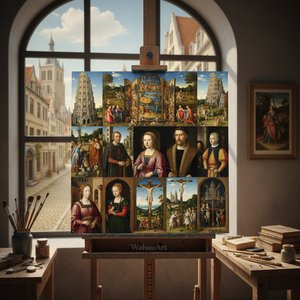
北方ルネサンスを彩る至宝:10の傑作が語る芸術と革新の世界
北方ルネサンスの10大傑作を紐解き、芸術の革新と美しさを再発見。ヤン・ファン・エイクからデューラーまで、巨匠たちの物語と技法を深く探求。高品質な複製絵画で、お部屋にアートの息吹を。OriginalUniqueArt.comで至宝の世界をお楽しみください!


