

 設置イメージを確認
 送る
送る シェア
シェア
 詳細情報
詳細情報 ガイドを表示

 画像をダウンロード
 似ている作品
 X線調査
X線調査 スライドショー
 統計情報
統計情報Shock Troops Advance under Gas


 続きを読む
続きを読む
このページに掲載されている作品は著作権法によって保護されており、当社の許可なく同一の複製物を制作または販売することは法律で禁じられています。この保護は、以下のような国際条約に基づき執行されます。 ベルヌ条約 および、以下の条項に定められたものを含む各国の法律により、 米国著作権法 第17編。
敬意を払った法的な代替手段として、私たちはオリジナルにインスピレーションを与えられた、カスタムの手描きアートワークを提供しています。私たちの熟練したプロのアーティストは、元の作品が持つスタイル、情緒、そして芸術的なエッセンスを注意深く研究し、独自の創作物でありながら、同じ感性を呼び起こすような、新しくユニークな作品を作り上げます。
この手法は、著作権で保護された作品の複製や複写を伴わないため、著作権法に完全に準拠しています。これは単なる模倣ではなく、創造的な再解釈です。元の作品からインスピレーションを受けつつも、それとは異なる、全く新しい絵画を生み出すものです。
手描き油彩複製画
当社のアーティストが、お客様のご希望のサイズと額縁に合わせて、キャンバスに手描きで制作する油彩画です。 ( プリント版に切り替え デジタル画像販売へ切り替え)




P118B ¥10

P118H ¥10

P118W ¥10

P438Z ¥10

P508JH ¥12

P508YH ¥12

P805H ¥10

P805Z ¥10

P919BZ ¥10

P919G ¥10

P919XJ ¥10

P959ZH ¥10

P968JZ ¥12

W106C ¥8

W218G ¥10

W218JH ¥8

W218Y ¥10

W307PJ ¥10

W316G ¥10

W316PJ ¥8

W316Y ¥10

W398PJ ¥8

W4111J ¥10

W500HY ¥15

W500JH ¥15

W692G ¥12

W849H ¥8

W940BG ¥15

W953PJ ¥8




作品のオリジナル比率に合わせた、当店の規定サイズからお選びください。

フレームや壁のスペースに合わせて、ご希望の幅と高さを入力してください。本作品は手描きのため、異なる比率のサイズをご希望の場合、絵画の周囲を少し広げて描くか、あるいは端を少しカットして調整することが可能です。お客様のご要望に合わせます。制作を開始する前に、仕上がりを確認するためのデジタルモックアップをお送りいたします。このページに表示されている画像は完成品の実物ではなく、あくまでモックアップによるイメージです。
ご注文後、OriginalUniqueArt.com チームより詳細な指示をお送りするとともに、仕上がりイメージ(モックアップ)をご提供いたします。


 ガラスオプションは、110cm未満のサイズでのみご利用いただけます。

Shock Troops Advance under Gas
再現技法
複製画サイズ一覧
-


合計金額
¥ 47260
Otto Dix’s “Shock Troops Advance under Gas” – A Chronicle of Trauma and Modernity
Otto Dix's "Shock Troops Advance under Gas," painted in 1924, isn’t merely a depiction of war; it’s a visceral scream rendered in stark black and white. This arresting work, currently housed at The Art Institute of Chicago, serves as a brutal indictment of the First World War and its enduring psychological scars. Dix, deeply affected by his own experiences as an artillery gunner on both the Western and Eastern fronts, channeled his trauma into a style he termed “Neue Sachlichkeit” – New Objectivity – characterized by unflinching realism and a deliberate rejection of romanticized depictions of conflict.
The painting immediately assaults the viewer with its chaotic composition. A dense mass of soldiers, their faces obscured by gas masks, surges forward across a desolate landscape. The figures are not heroic or valiant; they’re distorted, grotesque even, reduced to anonymous masses consumed by a horrifying ordeal. Dix masterfully employs a limited palette – primarily black, white, and shades of gray – to amplify the sense of despair and decay. This monochromatic approach isn't simply stylistic; it mirrors the bleakness of the battlefield and the emotional numbness experienced by those who fought there. The use of drypoint etching technique, combined with aquatint, creates a remarkable textural quality, emphasizing the rough surfaces of uniforms, the crumbling earth, and the suffocating gas itself.
The Anatomy of Horror: Technique and Symbolism
Dix’s technical prowess is evident in his meticulous rendering of detail, juxtaposed against the overall sense of chaos. Notice how he meticulously depicts the individual gas masks, highlighting their uncomfortable angles and the grim determination etched on the soldiers' faces. The figures are not uniformly rendered; some appear to be collapsing, others staggering forward with a vacant stare, while still others seem lost in a detached nightmare. This deliberate lack of clarity contributes to the painting’s unsettling effect, mirroring the disorientation and psychological trauma experienced by soldiers exposed to gas attacks.
Symbolism permeates every aspect of “Shock Troops Advance under Gas.” The gas itself represents not just chemical warfare but also the insidious corruption of the human spirit. It obscures vision, both literal and metaphorical, blinding soldiers to reason and morality. The desolate landscape – a barren wasteland punctuated by shattered buildings – symbolizes the destruction wrought by war and the loss of innocence. The positioning of the figures, seemingly trapped in an endless forward march, speaks to the futility and relentless nature of conflict. Even the composition itself—a tightly packed mass with no clear focal point—reflects the overwhelming sense of chaos and disorientation experienced on the front lines.
Historical Context: Weimar Germany and the Shadow of War
To fully appreciate “Shock Troops Advance under Gas,” it’s crucial to understand its historical context. Painted in the aftermath of World War I, the painting reflects the profound disillusionment and social upheaval gripping Weimar Germany. The country was grappling with economic instability, political extremism, and a deep sense of national shame following the devastating conflict. Dix's unflinching portrayal of war directly challenged the prevailing patriotic narratives and exposed the brutal realities that had been deliberately obscured by official propaganda.
Dix’s work aligned him with the broader movement of “Neue Sachlichkeit,” which sought to depict reality without sentimentality or romanticism. However, unlike many of his contemporaries, Dix didn't shy away from confronting uncomfortable truths about German society and its role in the war. His paintings served as a powerful critique of militarism, nationalism, and the moral bankruptcy of the ruling elite.
Emotional Resonance: A Timeless Testament to Human Suffering
"Shock Troops Advance under Gas" is more than just a historical document; it’s a profoundly moving work of art that continues to resonate with viewers today. Dix's masterful use of composition, technique, and symbolism creates an intensely unsettling experience, forcing us to confront the horrors of war and its lasting impact on individuals and societies. The painting’s stark imagery and emotional honesty serve as a timeless reminder of the human cost of conflict – a message that remains tragically relevant in our own turbulent times.
よくあるご質問
オットー・ディックス作「Shock Troops Advance under Gas」の色彩構成はどのように構築されていますか?
「Shock Troops Advance under Gas」では、Gentleな対比とUnified Paletteな調和が共存しています。
オットー・ディックス作「Shock Troops Advance under Gas」は、どのような空間に飾るのがおすすめですか?
オットー・ディックス作「Shock Troops Advance under Gas」にふさわしい空間はLiving Roomです。もちろん、お客様のインテリアに合わせて調整していただくことも可能です。
「Shock Troops Advance under Gas」のスタイルは、作者の時代背景とどのように関わっていますか?
オットー・ディックス作「Shock Troops Advance under Gas」は、作者の近代美術という時代における、Neue Sachlichkeitのムーブメントに位置づけられます。
アーティストについて
生い立ちと戦争の影
ヴィルヘルム・ハインリヒ・オットー・ディックスは、1891年にドイツのウンターハウスで生まれました。彼の父親は鉄工場の労働者であり、母親は詩的な精神を育み、若き日のオットーの創造性を静かに促しました。重要なのは、画家フリッツ・アマンの影響です。アマンのスタジオで過ごした時間は単なる技術のレッスンではなく、芸術表現が具体的な力を持つ世界への没頭でした。この初期の経験はカール・ゼンフとの徒弟制度やドレスデン美術工芸学校での研究につながりましたが、当初は純粋な絵画よりも応用芸術に重点を置いていました。しかし、第一次世界大戦がディックスの芸術的軌跡を決定的に変えました。自発的に兵役に参加した彼は、塹壕戦の残酷さを直接体験し、そのトラウマは何十年にもわたって彼の作品につきまといます。ソンムの戦いやフランダースでの戦闘で目撃した恐怖は、有望な風景画家から人間の苦しみと社会の衰退を描く記録者へと彼を変えました。ヴァイマル共和国とノイエ・ザハlichkeit
戦争から帰還したディックスは大きく変化し、その経験を容赦ない描写に変えました。初期の戦後作品には表現主義的な傾向が見られましたが、すぐに新しい美学—*ノイエ・ザハlichkeit*(新客観主義)へと傾倒しました。この運動は感情的な抽象性を拒否し、辛辣なリアリズムと批判的な社会評論を重視しました。ディックスはジョージ・グロスやマックス・ベックマンとともに、その主要な人物の一人となりました。1923年の『塹壕』のような絵画は、バラバラになった死体のグラフィックな描写によって公衆の怒りを引き起こし、美術館が作品を隠すことを余儀なくさせました。これは単なる衝撃を与えるためではありませんでした。それは、戦争の残酷な真実を鑑賞者に直面させ、英雄主義や栄光のロマンチックな概念を取り除く意図的な試みでした。彼は兵士に負わされた肉体的および心理的傷を描くことを躊躇しませんでしたし、社会が彼らの苦境を無視していることも見過ごしませんでした。『戦没者』の一連の絵画はさらにこのテーマを強調し、社会に見捨てられ忘れられた退役軍人を描いています。戦争を超えて、ディックスはヴァイマルドイツの過剰と道徳的破綻にも目を向けました。1928年の『メトロポリス』は都市生活に対する痛烈な告発であり、堕落、売春、社会的な疎外のシーンで満たされています。この時代の彼の肖像画も同様に容赦がなく、時代のエリートのシニシズムと退廃を捉えています。政治的混乱と晩年
1930年代に入るとドイツが政治的混乱に陥り、ディックスはナチス政権からますます標的にされるようになりました。彼の芸術は「堕落した」と見なされ、1933年にドレスデン美術アカデミーの教職を解任されました。迫害と検閲に直面したディックスは、徐々に露骨な政治的主題から離れ、代わりに風景や宗教的な主題へと移行しました—これは自己保存のための戦略的な動きでした。しかし、これらの後期作品でさえ、根底にある緊張感と不安感を保っていました。第二次世界大戦中、彼は再びドイツ軍に徴兵され、その経験は彼の反戦姿勢をさらに強固なものにしました。戦後、ディックスは新たな評価と称賛を得ましたが、両方の紛争のトラウマは彼の芸術の中で響き続けました。彼は戦後のドイツで尊敬される人物となりましたが、戦争体験の影から完全に逃れることはできませんでした。遺産と芸術的影響
オットー・ディックスの芸術的遺産は多面的かつ永続的です。彼は20世紀を代表する最も重要なドイツ人画家の1人であり、妥協のないリアリズム、辛辣な社会評論、人間の苦しみを容赦なく描いたことで知られています。彼の影響は、困難な真実と社会規範に挑戦しようとした後世の芸術家たちの作品に見ることができます。ディックスが技術的なスキルを感情的な強度と融合させる能力 は彼を際立たせています。彼は現実を単に記録しているのではなく、深い共感と道徳的憤りのレンズを通して解釈していました。戦争、トラウマ、社会的不公正、人間の状態といったテーマの探求は、今日でも聴衆に響き続けています。彼は芸術が美的にも力強く、政治的にも関与し、社会変革のための強力な力として機能できることを示しました。- ディックスの作品は、ニューヨーク近代美術館やドイツのズーアモンド・ルートヴィヒ博物館など、世界中の主要な美術館に展示されています。
- 彼の版画、特に『戦争』は、グラフィックアートの傑作と見なされています。
- 彼はヴァイマルドイツの芸術的および社会的景観を理解する上で不可欠な人物です。

オットー・ディックス
1891 - 1969 , ドイツ
アーティスト情報
- Artistic Movement Or Style: ノイエ・ザハlichkeit(新即物主義)
- Artists Or Movements Influenced By This Artist: ['ジョージ・グロス']
- Date Of Birth: 1891年12月2日
- Date Of Death: 1969年7月25日
- Full Name: ヴィルヘルム・ハインリヒ・オットー・ディックス
- Nationality: ドイツ人
- Notable Artworks (List Of Titles):
- 塹壕
- 大都市
- 戦争傷痍兵
- 戦争
- Place Of Birth (City And Country): ドイツ、ウンターハウス
関連記事

抽象表現主義を定義する十大傑作:芸術と装飾の深遠な旅
抽象表現主義を定義する10の傑作。ポロック、ロスコら巨匠たちの情熱と色彩の世界へ。各作品に込められた物語と技法を紐解き、至高のアート体験を。OriginalUniqueArt.comで、ミュージアムクオリティの複製画や洗練されたインテリアアイデアを発見してください。

Echoes of Trauma & Hope: Representing Transformation in Artworks of 1918
Explore the profound artistic responses to World War I's trauma & hope. Discover Expressionist masterpieces by Bacon, de Kooning & more. Expert insights for collectors & art enthusiasts at OriginalUniqueArt.

Dark Masterpieces: 10 Iconic Paintings Dominated by Black Tones |
Explore 10 iconic paintings dominated by black tones, from Rembrandt’s chiaroscuro to Goya's dark expressions. Discover the stories behind these masterpieces & find museum-quality art reproductions for your home at .

Otto Dix: Trauma, Society & Artistic Rebellion in Weimar Germany
Explore the powerful and unsettling art of Otto Dix, a key figure of Neue Sachlichkeit. Discover his unflinching depictions of Weimar Germany's trauma, society, and war through insightful analysis & iconic masterpieces.
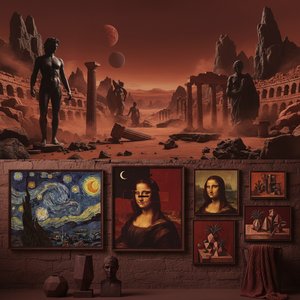
Mars Black Masterpieces: 10 Iconic Paintings & Timeless Art Decor Ideas
Delve into the power of 'Mars Black' with 10 iconic paintings by masters like Rembrandt & Caravaggio. Explore dramatic chiaroscuro, gothic art, and timeless beauty. Find museum-quality reproductions & elevate your home decor on .


