
 プレビュー
プレビュー
 シェアする
シェアする シェアする
シェアする
 詳細を見る
詳細を見る

 ダウンロード
 似ている作品
 X線調査
X線調査 スライドショー
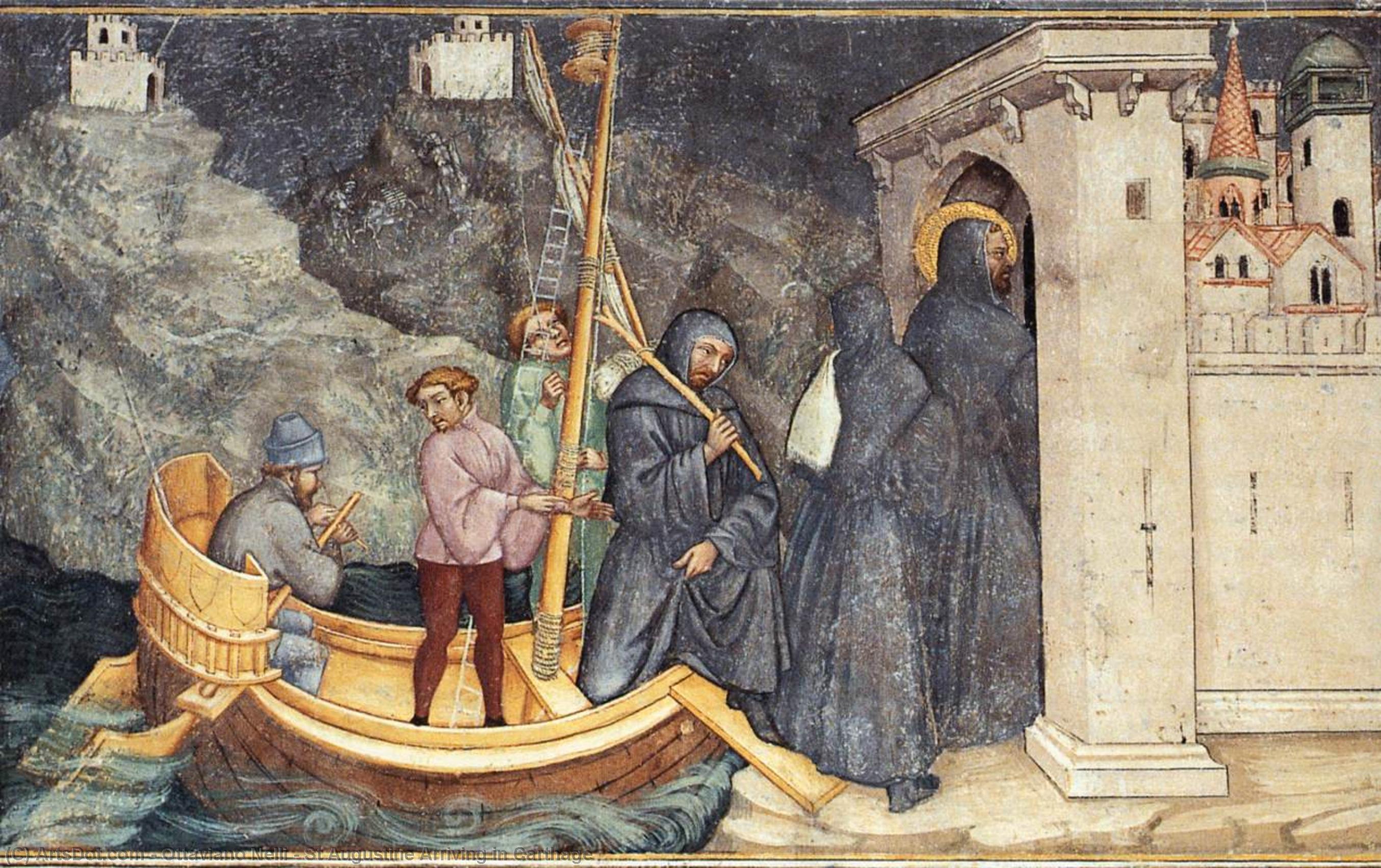
St Augustine Arriving in Carthage


 詳細を見る
詳細を見る
ジークレー/アートプリント
迅速な制作と多彩な仕上げオプションを備えた、ミュージアムクオリティのジークレーまたはキャンバスプリント。 ( 手描きの絵画を購入 画像を購入)




































作品のオリジナル比率に合わせた、当店の規定サイズからお選びください。

特定のフレームやスペースに合わせて、ご自身でサイズを指定することも可能です。選択されたサイズが元の画像の比率と一致しない場合、作品をトリミングするか、鏡面反射または単色での塗りつぶしによって画像を拡張いたします。制作を開始する前に、ご確認用のデジタルモックアップをお送りいたします。
画面上のプレビューには、実際のトリミングや拡張は反映されませんのでご注意ください。最終的な構図を正確に確認できるのは、モックアップのみとなります。
カスタムサイズも承っておりますが、元の比率を維持するためには、あらかじめ用意されたリストからサイズを選択することをお勧めいたします。


 ガラスオプションは、110cm未満のサイズでのみご利用いただけます。

St Augustine Arriving in Carthage
ジークレー/アートプリント
複製画のサイズ
-


合計金額
$ 80
作品詳細説明
Introduction to the Painting and its Artist
Ottaviano Nelli, an Italian painter from Gubbio, was born around 1375. He is known for his frescoes and panel paintings in the Umbrian-Gothic style. One of his most famous works is the fresco cycle depicting the life of St Augustine in the choir apse at Sant'Agostino, Gubbio, Italy. Among these frescoes, "St Augustine Arriving in Carthage" stands out as a masterpiece of early Renaissance art.Historical Context and Significance
The fresco cycle at Sant'Agostino was created around 1410-1415, during the period of humanism when the view of St Augustine changed. The new humanist image of St Augustine began to appear in miniature painting and wall cycles towards the end of the fourteenth century. St Augustine Arriving in Carthage is a significant work that documents this changing view of the saint.Visual Analysis
In St Augustine Arriving in Carthage, Nelli skillfully depicts St Augustine's journey from Rome to Carthage, where he would embrace Manichaeism before converting to Christianity. The artist masterfully uses perspective and color to create a sense of depth and movement, drawing the viewer into the narrative. The figures in the fresco are depicted with naturalism and individuality, reflecting Nelli's understanding of human anatomy and his ability to capture emotional expression. The use of architectural elements, such as columns and arches, adds structure and balance to the composition while also providing a sense of place.The Legacy of Ottaviano Nelli
Ottaviano Nelli's work had a significant impact on the development of early Renaissance art in Umbria. His innovative use of perspective and naturalistic figure representation set new standards for future artists. Today, his works can be found in various museums, including Sant'Agostino in Gubbio, Italy.Experience the Masterpiece with a Hand-Made Oil Painting Reproduction
At OriginalUniqueArt.com, we offer high-quality hand-made oil painting reproductions of Ottaviano Nelli's St Augustine Arriving in Carthage. Our skilled artists meticulously recreate each detail, ensuring you can enjoy this masterpiece in the comfort of your own home. To learn more about our process and available options, visit our website or contact us directly.Conclusion
St Augustine Arriving in Carthage by Ottaviano Nelli is a remarkable example of early Renaissance art that showcases the artist's mastery of narrative, perspective, and naturalistic figure representation. By understanding its historical context and visual language, we can appreciate the significance of this work and its impact on the development of Italian art. St Augustine Arriving in Carthage is a must-see for anyone interested in early Renaissance art or the life of St Augustine. At OriginalUniqueArt.com, we are proud to offer hand-made oil painting reproductions that allow you to experience this masterpiece up close and personal.アーティストの略歴
Ottaviano Nelli (1375–1444?)
Ottaviano Nelli (1375–1444?), Italian early Renaissance painter, stands as a pivotal figure in Umbrian art history. Born around 1370 in Gubbio, he emerged from a lineage of artists—his father Martino Nelli and grandfather Mello da Gubbio—establishing him firmly within the artistic traditions of his region. While definitive biographical details remain elusive, scholarly research suggests connections to Mello’s workshop, bolstering the understanding of Nelli's formative influences. His involvement in Gubbio’s civic life extended beyond mere administrative duties; he served as consul for the St. Pietro district in 1400 and held prominent positions throughout his career, demonstrating a commitment to both artistic patronage and public service.Early Artistic Training and Influences
Nelli's artistic education likely commenced under the tutelage of his father, Martino Nelli, who himself was a respected painter. This familial connection undoubtedly instilled in him a foundational appreciation for Umbrian stylistic conventions—particularly those championed by Mello da Gubbio—whose distinctive approach to painting would resonate throughout Nelli’s oeuvre. Furthermore, evidence indicates that he traveled extensively, absorbing artistic ideas from Siena and Florence, where the burgeoning Renaissance was reshaping artistic sensibilities. The influence of Lombard and Burgundian styles is particularly noteworthy, shaping his compositional techniques and color palettes. Gentile da Fabriano and Giovanni Sanzio served as pupils under Nelli’s guidance, cementing his role as a teacher and disseminating his stylistic innovations.Notable Works and Artistic Style
Nelli's artistic style distinguishes itself through a remarkable blend of decorative elegance and expressive dynamism—a hallmark of Umbrian painting during the early Quattrocento. Critics consistently praise his ability to juxtapose sacred themes with vernacular elements, creating artworks that transcend mere religious iconography. The Madonna del Belvedere (1403), housed in Gubbio’s Santa Maria Nuova church, exemplifies this characteristic fusion perfectly. Its serene Virgin Mary is framed by grotesque columns adorned with scenes of earthly life—a deliberate strategy designed to illuminate the divine realm through relatable human experience. Similarly, the fresco cycle depicting the Life of Saint Augustine (c. 1430-40) showcases Nelli’s masterful use of color and narrative storytelling, capturing the spirit of his time. The monumental Polyptych of Pietralunga (completed circa 1424), now residing in Perugia's Galleria Nazionale dell'Umbria, represents another cornerstone of Nelli’s artistic legacy. This ambitious undertaking—commissioned by the Trinci family—demonstrates his technical prowess and compositional sophistication. The depiction of Saint Jerome embodies Nelli’s signature style: a harmonious balance between idealized beauty and earthy realism, achieved through meticulous attention to detail and vibrant color harmonies. His work also includes panels from a polyptych commissioned for Assisi and Urbino, furthering his reputation as one of Umbria's foremost artists.Historical Significance and Legacy
Ottaviano Nelli’s contribution to the artistic landscape of Italy cannot be overstated. He stands alongside other masters of his era—such as Salimbeni and Gentile da Fabriano—as a champion of Umbrian artistic identity during the early Renaissance. His stylistic innovations—characterized by decorative elegance, expressive dynamism, and a masterful fusion of sacred and vernacular themes—influenced subsequent generations of artists. Despite fading from historical memory for centuries, Nelli’s work was rediscovered in the 19th century as part of the broader revival of primitivism, securing his place within art history's canon. Today, Gubbio honors him with a school bearing his name, ensuring that his artistic legacy continues to inspire and educate future generations.
ottaviano nelli
1375 - 1444 , Italy
基本情報
- Artistic Movement Or Style: Early Quattrocento
- Artists Or Movements Influenced By This Artist:
- Sienese Painting
- Bolognese Painting
- Lombard Painting
- Burgundian Style
- Artists Who Influenced This Artist:
- Gentile da Fabriano
- Giovanni Pintali
- Cristoforo di Nicoluccio
- Salimbeni
- Guiduccio Palmerucci
- Date Of Birth: ca. 1375
- Date Of Death: ca. 1444
- Full Name: Ottaviano Nelli
- Nationality: Italian
- Notable Artworks:
- St Augustine Arriving in Carthage
- Madonna del Belvedere
- Life of the Virgin
- Madonna della misericordia e santi
- Last Judgement
- Saint Jerome
- Circumcision of Christ and Mystical Marriage of Saint Francis
- Place Of Birth: Gubbio, Italy
関連記事
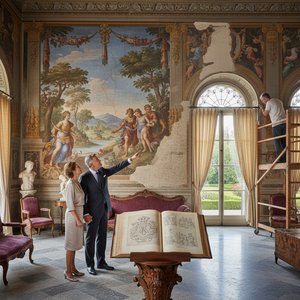
家族の遺産を壁画で彩る:伝統技法が紡ぐ、時を超越する美と記憶
古代から現代までの壁画の歴史と技法を解説。日本の壁画文化やカスタムオーダーによる家族の遺産表現、保存・修復技術まで網羅。専門家が時を超越する美と記憶を紡ぐ芸術的価値をご案内します。
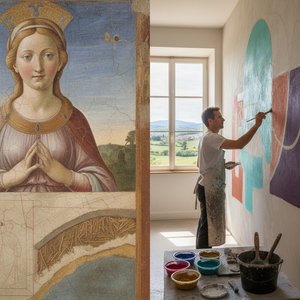
The Enduring Legacy of Fresco Painting: Techniques, History & Contemporary Relevance
Explore the rich history & enduring artistry of fresco painting – from Giotto to Michelangelo! Discover techniques, conservation efforts, & modern applications. Learn how OriginalUniqueArt brings this timeless art form to your home.

The Enduring Legacy of Fresco: Technique, History & Artistic Expression Across Cultures
Explore the rich history & enduring legacy of fresco painting! Discover ancient techniques, Giotto's masterpieces, and modern applications. Expert insights for art lovers & professionals.

The Enduring Legacy of Fresco: Technique, History & Artistic Expression
Explore the rich history & enduring artistry of fresco painting. Discover techniques from Giotto to Michelangelo, conservation efforts, & modern applications. Learn how OriginalUniqueArt brings this timeless art form to your home.

Art That Lives With You: The Emotional Power of a Custom Interior Fresco
Discover the emotional power & timeless beauty of custom interior frescoes. Explore history, design tips & expert guidance from – creating lasting legacies.

