
 プレビュー
プレビュー
 プリントを購入
 シェアする
シェアする シェアする
シェアする
 詳細を見る
詳細を見る

 ダウンロード
 似ている作品
 X線調査
X線調査 スライドショー
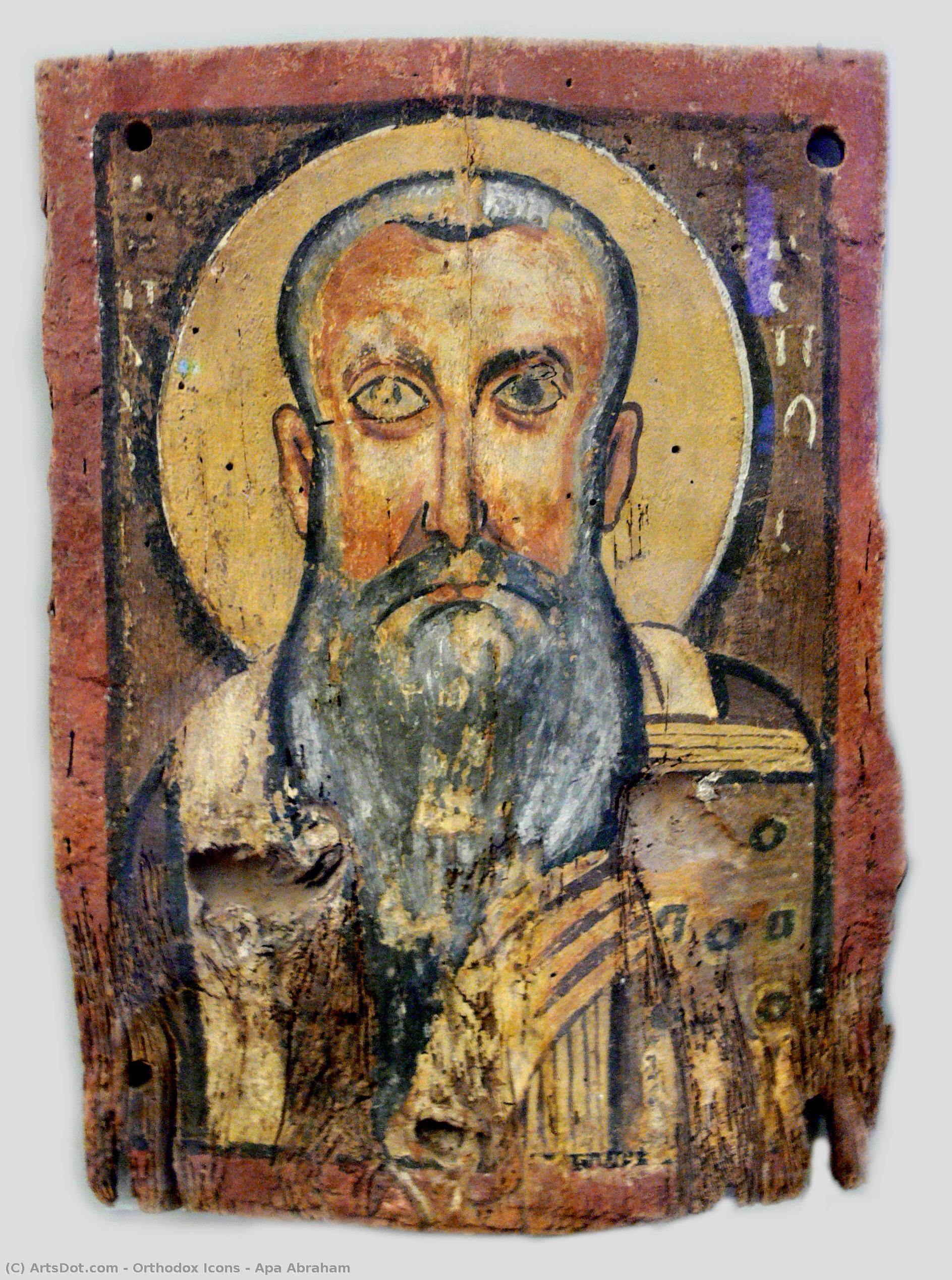
Apa Abraham


 詳細を見る
詳細を見る
オンラインプレビューをはるかに凌ぐ、高解像度で鮮明なデジタル画像をご購入いただけます。
各ファイルは、社内の専門家が高度なツールと熟練した手作業によるレタッチを用いて、細心の注意を払って準備されています。すべての画像において、卓越した鮮明度、正確な色彩再現性、そして繊細なディテールを保証いたします。
最終ファイルは、プロフェッショナルな編集・印刷環境ですぐにご利用いただけるよう最適化された状態で、72時間以内にメールにてお届けいたします。これは、一流のデザインスタジオ、出版社、ギャラリーから信頼されているものと同等の品質です。
デジタル画像のご注文に付随する特典
高品質なデジタル画像配信を、確かな品質で。
OriginalUniqueArt.com を選ぶことは、単に画像を手に入れることではありません。それは、プロの手によって精密に仕上げられ、満足保証が付いた高品質なデジタルアートワークを受け取ることを意味します。ご注文いただいた際に自動的に付随する内容は、以下の通りです:

メールですぐにお届け
ご注文から72時間以内に、高解像度のデジタル画像ファイルがメールでお手元に届きます。すぐにそのままご利用いただけます。

AI技術で最適化されたデジタルファイル
お客様の作品は、高度なAIツールと専門家による手作業の編集を組み合わせてプロフェッショナルに最適化されており、細部のディテール、鮮明さ、そして正確な色再現性を最大限に引き出しています。

一生涯無料の再送サービス
ファイルを誤って削除したり、紛失してしまったりしましたか?ご安心ください。いつでも無料で再送いたします。

輸入手数料は一切かかりません
関税や手数料、配送料を気にすることなく、お気に入りのアートワークをすぐにお楽しみいただけます。デジタルダウンロードは常に免税です。

色彩再現の保証
プロ仕様のツールとカラーマネジメント技術を用いることで、デジタル画像が元の色を最大限に忠実に再現することを保証いたします。

60日間満足保証
ご購入いただいたデジタル画像にご満足いただけない場合は、60日以内であれば、修正または100%の返金(理由を問う必要はありません)をさせていただきます。

100% 返金保証
ご満足いただけない場合は、デジタルファイルを受け取ってから60日以内であれば、理由を問わず全額返金いたします。

まとめ買い割引
3枚購入で10%OFF - 5枚購入で15%OFF - 10枚以上購入で20%OFF。クリエイティブなプロジェクト、ギャラリー、エージェンシーに最適です。
作品の詳細
The Divine Presence in Byzantine Tradition
In the quiet contemplation of an Orthodox icon, one does not merely observe a painting; one encounters a window into the eternal. Apa Abraham stands as a profound testament to this sacred tradition, embodying the spiritual essence of Byzantine iconography. This piece, rendered with the solemnity characteristic of Eastern Christian art, presents the figure of Saint Abraham not as a mere historical subject, but as a living presence. The composition is centered and frontal, inviting the viewer into a direct, unmediated dialogue with the saint. Through its weathered appearance and aged texture, the icon evokes a sense of timelessness, suggesting a relic that has survived the passage of centuries to bring its message of faith into the modern era.
The aesthetic language of the work is deeply rooted in the symbolic rather than the naturalistic. Eschewing the dramatic shadows and anatomical realism found in Western Renaissance art, Apa Abraham utilizes a flattened perspective and geometric forms to prioritize spiritual truth over physical accuracy. The color palette is a masterclass in earthy restraint, dominated by rich ochres, deep browns, and muted reds. These tones ground the figure in a sense of ancient stability, while the subtle use of gold leaf for the halo provides a luminous, celestial contrast. This interplay between the humble, terrestrial pigments and the radiant, divine light creates a visual tension that is central to the iconographic experience.
Symbolism and Sacred Craftsmanship
Every element within this icon serves as a vessel for theological meaning. The figure of Saint Abraham is depicted with a dignified beard and a steady gaze, embodying the wisdom of a patriarch. In his hands, he holds an open book—a powerful symbol of divine revelation, scholarship, and the sacred teachings that guide the faithful. The halo encircling his head acts as a visual manifestation of the uncreated light, signifying his sanctified status and his proximity to the divine. Even the rough, uneven textures of the wood panel and the layered application of tempera or encaustic paint contribute to the piece's narrative, suggesting the organic, enduring nature of faith itself.
For the discerning collector or interior designer, a reproduction of Apa Abraham offers more than mere decoration; it provides an anchor of tranquility and historical depth. The icon’s ability to command a space through its quiet intensity makes it a magnificent centerpiece for a curated collection or a sophisticated sanctuary within a home. It serves as a bridge between the ancient traditions of the Byzantine Empire and contemporary aesthetic sensibilities, offering a touch of profound, meditative beauty that transcends the fleeting trends of modern design.
作家の略歴
Orthodox Icons
Orthodox icons represent a profound tradition of religious art rooted in Byzantine Christianity and extending across Eastern Europe and beyond. Unlike Western Christian iconography, which often prioritizes realism and narrative detail, Orthodox icon painting strives for spiritual contemplation and evokes divine grace through stylized representations. The aim is not merely to depict events or figures accurately but to convey their essence—to illuminate the sacred mysteries of faith. ### Origins and Early Development The roots of Orthodox icon painting can be traced back to the early Christian centuries, influenced by Jewish traditions concerning depictions of God’s glory and illuminated manuscripts from Alexandria and Jerusalem. The Byzantine Empire adopted Christianity as its state religion in 395 AD, establishing Constantinople (modern Istanbul) as its capital and fostering a vibrant artistic culture. Initially mirroring Byzantine imperial art—characterized by monumental mosaics and frescoes—icon painting quickly developed its own distinctive aesthetic. Artists adhered to strict canons of proportion and perspective, reflecting theological principles about the divine order. The Byzantine iconographers believed that God’s glory could only be expressed through symbols and stylized forms that transcended earthly limitations. ### Key Figures and Artistic Styles Several artists stand out as pivotal figures in shaping Orthodox iconography. Andrei Rublev (c. 1360 – early 15th century), considered Russia's greatest icon painter, exemplified the spiritual depth and artistic mastery of his time. His masterpiece, “The Trinity,” depicts God the Father, God the Son, and God the Holy Spirit as three interconnected circles radiating outward—a visual representation of divine unity and transcendence. Other notable icon painters included Dionysios Psellos (c. 1057 – 1109), who produced elaborate frescoes in monasteries across Greece, and Andrei Bogolyubov (c. 1113 – 1164), whose icons are renowned for their expressive faces and emotive gestures. Throughout the centuries, Orthodox icon painting evolved into diverse regional styles—Moscow School, Novgorod School, Serbian Iconography—each reflecting local cultural traditions and artistic sensibilities. The Moscow School emphasized clarity of form and monumental scale, while Novgorod iconography favored intricate detail and psychological realism. Serbian icon painters developed a distinctive style characterized by vibrant colors and expressive drapery, conveying spiritual fervor and devotion. ### Symbolism and Theological Significance Orthodox icons are laden with symbolism—each color, gesture, and compositional element carries theological meaning. Gold represents divine glory and immortality, while blue symbolizes heaven and the Virgin Mary’s purity. The haloes surrounding saints signify their holiness and communion with God. Iconographers meticulously crafted images to convey spiritual truths—the incarnation of Christ, the ascension of Saints Peter and Paul, the Dormition (falling asleep) of Mary—inspiring piety and fostering contemplation among worshippers. ### Legacy and Influence Orthodox icon painting continues to thrive today, serving as a cornerstone of Orthodox Christian spirituality and artistic heritage. Its influence extends beyond religious practice, inspiring artists across cultures and disciplines—from Renaissance painters like Raphael to contemporary sculptors and filmmakers—who seek to capture the essence of faith and transcendence. The enduring appeal of Orthodox icons testifies to their ability to communicate profound spiritual truths in timeless visual language—a testament to the power of art to illuminate the divine mysteries of existence.
orthodox icons
World
プロフィール概要
- Artistic Movement Or Style: Orthodox Iconography
- Artists Or Movements Influenced By This Artist: ['Western European Art']
- Artists Who Influenced This Artist: ['Rublev Andrei']
- Full Name: Vladimir Manzhos
- Nationality: Russian
- Notable Artworks: ['The Virgin Mary with Saint George']
- Place Of Birth: Russia

