

 プレビュー
プレビュー
 シェアする
シェアする シェアする
シェアする
 詳細を見る
詳細を見る

 ダウンロード
 似ている作品
 X線調査
X線調査 スライドショー
 統計情報
統計情報The Finding of Moses
 Oil On Canvas
- WallArt
- Baroque Painting
 1630
1630- Early Modern
 257.0 x 301.0 cm
 ナショナル・ギャラリー
 詳細を見る
詳細を見る
ジークレー/アートプリント
迅速な制作と多彩な仕上げオプションを備えた、ミュージアムクオリティのジークレーまたはキャンバスプリント。 ( 手描きの絵画を購入 デジタル画像販売へ切り替え)




P118B $10

P118H $10

P118W $10

P438Z $10

P508JH $12

P508YH $12

P805H $10

P805Z $10

P919BZ $10

P919G $10

P919XJ $10

P959ZH $10

P968JZ $12

W106C $8

W218G $10

W218JH $8

W218Y $10

W307PJ $10

W316G $10

W316PJ $8

W316Y $10

W398PJ $8

W4111J $10

W500HY $15

W500JH $15

W692G $12

W849H $8

W940BG $15

W953PJ $8




作品のオリジナル比率に合わせた、当店の規定サイズからお選びください。

特定のフレームやスペースに合わせて、ご自身でサイズを指定することも可能です。選択されたサイズが元の画像の比率と一致しない場合、作品をトリミングするか、鏡面反射または単色での塗りつぶしによって画像を拡張いたします。制作を開始する前に、ご確認用のデジタルモックアップをお送りいたします。
画面上のプレビューには、実際のトリミングや拡張は反映されませんのでご注意ください。最終的な構図を正確に確認できるのは、モックアップのみとなります。
カスタムサイズも承っておりますが、元の比率を維持するためには、あらかじめ用意されたリストからサイズを選択することをお勧めいたします。


 ガラスオプションは、110cm未満のサイズでのみご利用いただけます。

The Finding of Moses
ジークレー/アートプリント
複製画のサイズ
-


合計金額
$ 80
A Divine Encounter in the Bulrushes
In the heart of the early seventeenth century, a period defined by the dramatic tension between light and shadow, Orazio Gentileschi captured a moment of profound destiny. The Finding of Moses is far more than a mere depiction of a biblical event; it is a breathtaking window into a world where the miraculous intersects with the earthly. The canvas brings to life that pivotal instant from the Book of Exodus, where the infant Moses, hidden away by his mother to escape Pharaoh’s decree, is discovered amidst the swaying reeds of the Nile. As the eye wanders through the composition, one is immediately struck by the monumental scale and the palpable sense of a world held in breathless anticipation.
The scene unfolds with a group of figures gathered around a small basket, their faces illuminated by a light that feels both natural and divine. There is an intimate, nurturing atmosphere present as women—some standing in regal grace, others kneeling in humble reverence—interact with the child. This gathering serves as a testament to human compassion, illustrating how a moment of potential tragedy is transformed into one of celebration and care. For the discerning collector or interior designer, this piece offers a profound narrative of protection and the unexpected arrival of hope.
The Mastery of Light and Baroque Grandeur
Gentileschi’s command over chiaroscuro—the dramatic interplay between light and dark—is nothing short of masterful. Drawing deeply from the revolutionary influence of Caravaggio, the artist employs a technique known as tenebrism to heighten the emotional intensity of the scene. A luminous yellow gown worn by Pharaoh's daughter dominates the central visual space, acting as a beacon that draws the viewer’s gaze upward toward an idealized depiction of royal splendor. This brilliance is contrasted sharply against deep, enveloping shadows that shroud the figures in the lower periphery, emphasizing their humility and the secrecy of the infant's survival.
Beyond the dramatic lighting, the artist’s dedication to texture and anatomical accuracy provides a sense of profound realism. One can almost feel the smooth sheen of the fine fabrics, the delicate folds of heavy drapery, and the organic textures of the riverbank surroundings. The brushstrokes are confident yet refined, achieving a rare balance between dynamic movement and a sacred stillness. This technical virtuosity ensures that the painting remains a captivating focal point in any high-end setting, offering a sophisticated layer of visual interest and historical depth.
A Legacy of Royal Patronage and Symbolism
The historical weight of this masterpiece is as significant as its aesthetic beauty. Completed around 1630, the work was commissioned by King Charles I for his wife, Queen Henrietta Maria. This was a deeply personal gesture intended to celebrate the birth of their son and to solidify royal legitimacy through biblical parallel. Consequently, the painting functions as an emblem of divine grace and the continuity of lineage. Every element within the frame is layered with deliberate meaning: the basket represents both the vulnerability of life and the strength of concealment; the watchful gaze of Miriam embodies unwavering faith; and the presence of the Queen's daughter symbolizes a royal authority tempered by profound compassion.
For those seeking to adorn a space with art that inspires contemplation, The Finding of Moses offers an unparalleled emotional resonance. It is a symphony of color, light, and sacred storytelling that transcends time. Whether placed in a grand gallery or a curated private study, this reproduction serves as a powerful reminder of the beauty found in moments of divine intervention and the enduring strength of human devotion.
アーティストの略歴
トスカーナの夜明け:オラツィオ・ジェンティレスキの生涯と芸術
1563年、イタリアのトスカーナ地方の穏やかな丘陵地帯に生まれたオラツィオ・ジェンティレスキは、マニエリスムからバロック絵画への移行期において重要な役割を担うことになる芸術家の道を歩み始めました。当初は「オラツィオ・ロミ」という名で知られていた彼は、当時の芸術の中心地であったローマへと向かい、コラ・デッラマータの工房で技術を磨き、フランチェスコ・ダ・サンガッロの建築的な感性を吸収しました。これらの初期の影響は、彼のスタイルが劇的に進化していく過程においても一貫して見られる、形式と構成に対する細心の注意という特徴を彼に植え付けました。ジェンティレスキの初期の作品は、しばしば他の芸術家によって構想された大規模な装飾計画に貢献するものでしたが、これは協調性と適応性を教える一方で、独立した表現への芽生えた野心を暗示していました。影を抱きしめて:カラヴァッジョの影響と芸術的発展
17世紀初頭は、ジェンティレスキの芸術的軌跡における転換点となりました。革命的な自然主義画家カラヴァッジョがローマのアートシーンに登場し、光と影の劇的な使い方—テネブリズム—そして容赦ない写実性によって確立された慣習を覆しました。ジェンティレスキはこの激震に深く影響を受け、自身の作品にカラヴァッジョの要素を取り入れました。しかし彼は単なる模倣者ではありませんでした。むしろ、カラヴァッジョの革新を既存の芸術的感性を通して濾過したのです。劇的な強度を維持しながらも、ジェンティレスキはカラヴァッジョのテネブリズムの厳しさを和らげ、より明るい色彩と洗練されたディテールへのアプローチを取り入れました。その結果生まれた絵画は、感情的な力強さと優雅な美しさを兼ね備え—同時代の人々とは異なる独自の融合を特徴づけました。聖書の場面や神話の物語が頻繁にテーマとなり、ジェンティレスキは信仰、英雄主義、人間の脆弱性といったテーマを探求する説得力のある視覚的なストーリーテリングを可能にしました。宮廷を巡る旅人:パリからロンドンへ
ジェンティレスキの芸術的評判はイタリア国境を超えて広まりました。彼の才能は有力者の庇護を引きつけ、ヨーロッパ各地を巡る遍歴へと導きました。彼はマリー・ド・メディチの宮廷で過ごし、洗練されたスタイルが女王の優雅さと洗練への嗜好と共鳴しました。この時期には、より複雑な構成と高められた装飾性が彼の作品に見られるようになり、キャリアの最終章を定義することになるイングランドへの招待を受けました。1626年にチャールズ1世の宮廷画家として任命されたジェンティレスキは、イギリスにおけるカラヴァッジョ主義の主要な提唱者の一人となり、イギリスのバロック絵画の発展に大きな影響を与えました。彼は野心的なプロジェクトに取り組み、グリニッジ宮殿(現在はマールボロー・ハウス)の天井画シリーズなど、大規模な装飾計画に対する彼の習熟度を示し、時代の主要な芸術家としての地位を確立しました。遺産と永続的な影響
オラツィオ・ジェンティレスキの芸術界への貢献は多岐にわたります。彼はマニエリスムとバロックの間を取り持ち、カラヴァッジョの革新を取り入れながらも独自のスタイルを確立しました。鮮やかな色彩、劇的な構成、洗練された技術の使用は、ヨーロッパ各地の世代の芸術家に影響を与えました。彼はイギリスへのカラヴァッジョ主義の導入に貢献し、そこに消えない足跡を残しました。しかし、彼の最も永続的な遺産はおそらく娘のアルトゥメシア・ジェンティレスキにあるでしょう。父親の工房で訓練された彼女は、バロック時代の最も有名な女性画家の一人となり、家族の芸術的伝統を受け継ぎ、自身も名声を得ました。今日、ジェンティレスキの作品は世界中の著名な美術館やギャラリーに所蔵されており—フィレンツェのウフィツィ美術館からヴェネツィアのアカデミア美術館まで—彼の永続的な輝きと芸術史への持続的な影響を証明しています。彼の絵画は、感情的な深さ、技術的な巧みさ、そして時代を超越した美しさで観客を魅了し続けています。- 主要な作品: “ダナエ”、“受胎告知”、“聖母マリア”
- 主な影響: マニエリスム、カラヴァッジョ
- 芸術的スタイル: バロック、劇的な構成、鮮やかな色彩。

オラツィオ・ジェンティレスキ
1563 - 1639 , イタリア
基本情報
- Artistic Movement Or Style: バロック、カラヴァッジョ派
- Artists Or Movements Influenced By This Artist:
- アルテミジア・ジェンティレスキ
- バロック美術
- Artists Who Influenced This Artist:
- カラヴァッジョ
- フランチェスコ・ダ・サングallo
- Date Of Birth: 1563年
- Date Of Death: 1639年
- Full Name: オラツィオ・ジェンティレスキ
- Nationality: イタリア人
- Notable Artworks (List Of Titles):
- ダナエ
- 受胎告知
- 聖母マリア
- Place Of Birth (City And Country): トスカーナ州、イタリア
関連記事

Beyond the Shadows: The Powerful Legacies of Artemisia Gentileschi and Berthe Morisot
Explore the profound legacies of Artemisia Gentileschi and Berthe Morisot. Discover how these female masters redefined the Baroque and Impressionist eras through dramatic chiaroscuro and luminous light in this expert art-history guide for collectors and enthusiasts.

The Dramatic Flourish: Exploring the Baroque Movement's Enduring Legacy in Art History
Explore the dramatic world of Baroque art! Discover iconic artists like Caravaggio & Rubens, defining techniques, and its lasting impact on art history. Expert insights for collectors & enthusiasts at OriginalUniqueArt.

バロックのドラマ:現代のインテリアに壮麗さと情感を取り込む
バロック様式の歴史、絵画、家具の魅力をご紹介。OriginalUniqueArtでは、高品質な油絵複製やカスタムポートレートをご提供し、現代のインテリアに壮麗さと情感を取り入れます。アートコンサルテーションも承ります。

バロック美術を極めた至宝:時代を彩る10大名作の世界
バロック美術の華!カラヴァッジョ、ベルニーニら巨匠が創り上げた10大名作を徹底解剖。ドラマチックな色彩と豪華絢爛の世界観に触れ、至宝のアートプリントで空間を彩ろう。OriginalUniqueArt.comで美術館品質の複製と洗練されたインテリアを見つけましょう!
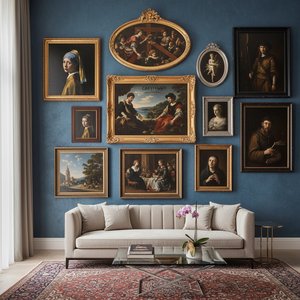
Baroque Painting's Greatest Hits: 10 Masterpieces for Your Home | OriginalUniqueArt
Journey through Baroque painting's glory! Explore 10 masterpieces by Caravaggio, Rembrandt & Vermeer. Discover dramatic lighting, rich colors & timeless stories. Find museum-quality art reproductions for your home at OriginalUniqueArt.com.