

 設置イメージを確認
 送る
送る シェア
シェア
 詳細情報
詳細情報 ガイドを表示

 画像をダウンロード
 似ている作品
 X線調査
X線調査 スライドショー
 統計情報
統計情報Daniel Cottier


 続きを読む
続きを読む
手描き油彩複製画
当社のアーティストが、お客様のご希望のサイズと額縁に合わせて、キャンバスに手描きで制作する油彩画です。 ( プリント版に切り替え デジタル画像販売へ切り替え)




































作品のオリジナル比率に合わせた、当店の規定サイズからお選びください。

特定のフレームやスペースに合わせて、ご希望のサイズをご入力いただけます。選択されたサイズが元の画像の比率と異なる場合、アートワークをトリミングするか、手描きで要素を追加して絵画を拡張いたします。デジタルモックアップ を制作し、制作開始前にご確認(承認)をいただきます。
画面上のプレビューは、実際のトリミングや拡張を正確に反映しているものではありません。最終的な構図は、モックアップによってのみ正確にご確認いただけます。
カスタムサイズもご利用いただけますが、元の比率を維持するためには、あらかじめ用意されたリストからサイズを選択することをお勧めいたします。
ご注文後、OriginalUniqueArt.com チームより詳細な指示をお送りするとともに、仕上がりイメージ(モックアップ)をご提供いたします。


 ガラスオプションは、110cm未満のサイズでのみご利用いただけます。

Daniel Cottier
再現技法
複製画サイズ一覧
-


合計金額
¥ 46112
アーティストについて
光と影の彫刻家:オリン・レヴィ・ワーナーの生涯
19世紀後半のアメリカ彫刻史において、古典的な壮大さと親密なリアリズムとの繊細な均衡を、これほどまでに切なく呼び起こす名は他に類を見ません。それがオリン・レヴィ・ワーナーです。1844年、コネチカット州サフィルドの静かな町に生まれたワーナーは、その血筋の中に歴史の重みを受け継いでいました。彼は独立戦争の英雄セス・ワーナーの末裔であり、このアメリカの伝説との祖先的な繋がりが、記念碑的芸術への生涯にわたる献身をあらかじめ決定づけていたのかもしれません。大理石やブロンズに対して鑿(のみ)を振るう以前、ワーナーの手は近代社会の実務的な営みに触れていました。職人、そして電信技師としての初期の経験は、彼に類まれな規律ある精密さをもたらしました。その技術的な器用さは、後に彼の彫刻作品における緻密なディテールを定義することとなるのです。
ワーナーの人生の軌道が決定的に変わったのは、1869年、彼がヨーロッパの芸術的精神を求めた時でした。パリに到着した彼は、エコール・デ・ボザール(国立高等美術学校)の厳格なアカデミックな空気に身を投じました。フランソワ・ジュフロワの指導の下、ワーナーは古典的な形態の言語を習得し始めましたが、彼の創造的精神に真の火を灯したのは、伝説的なジャン=バティスト・カルポーとの出会いでした。カルポーから、ワーナーはアカデミックな彫刻の硬直した伝統に、生命感と動きを吹き込む術を学びました。この様式的な特徴こそが、被写体の単なる外見だけでなく、その本質までも捉えることを可能にしたのです。たとえ普仏戦争の動乱であっても、彼の芸術的進化を阻むことはできませんでした。フランス軍団に入隊した彼は、紛争を乗り越えた後、フランス彫刻の洗練されたニュアンスをアメリカの地へと持ち帰るという、より強固な決意を胸に抱いて帰還したのです。
低浮彫とブロンズに刻まれた遺産
1872年にニューヨークへ戻ったワーナーは、ある魅惑的な媒体の先駆者としてその地位を確立しました。それが「メダリオン」と呼ばれる低浮彫(バス・レリーフ)の肖像です。同時代の多くの彫刻家が巨大な記念碑的彫像のスケールに注力する一方で、ワーナーは浅く優美なレリーフの輪郭の中に、深い表現を見出しました。ブロンズや石膏の表面において光と影を操る彼の能力は、時代を超越しながらも、極めてパーソナルな響きを持つ肖像を生み出すことを可能にしました。その卓越した技量は、1878年の石膏彫刻「トーマス・フェントン」に最も顕著に表れています。髪や肌の繊細な質感を通じて、静かな知的な沈思を捉えたこの作品は、人間の微妙な表情を描き出す彼の驚異的な才能を証明しています。
ワーナーの芸術的レパートリーは、決して単一的なものではありませんでした。新古典主義の巨匠であった一方で、後年の探求においては、アメリカという経験が織りなす多様なタペストリーに対して深い共感を示しました。北西領域への遠征は、ネイティブ・アメリカンの文化に対する変革的な情熱へと彼を導きました。この時期の活動は、1891年のカイユ族のチーフ・ヤ・ティン・イー・アー・ウィッツのブロンズ・レリーフなど、最も心を打つ成果をもたらしました。これらの作品において、ワーナーは単なる記録を超越していました。彼は洗練された技法を用いることで、被写体に尊厳と荘厳さ、そして歴史的な永続性を授け、ヨーロッパの古典的伝統と、アメリカ開拓地の荒々しく力強い現実との架け橋となったのです。
芸術的卓越性と歴史的重要路
オリン・レヴィ・ワーナーの重要性は、彼が遺した物理的な作品群をはるかに超えて広がっています。彼はアメリカ芸術の制度化における基礎的な人物であり、専門的な芸術コミュニティの確立において極めて重要な役割を果たしました。以下の組織への貢献は、彼の世代のリーダーとしての地位を確固たるものにしました。
- アメリカ芸術家協会:1877年にこの影響力のあるグループの創設者となったワーナーは、芸術家たちが保守的な制約を脱し、よりモダンで表現豊かな様式を受け入れるためのプラットフォームを作る手助けをしました。
- ナショナル・アカデミー・オブ・デザイン:この権威ある機関との結びつきは、アメリカ彫刻界のエリート実務家としての彼の地位を反映していました。
1896年にその生涯は断たれましたが、ワーナーの影響は、スミソニアン・アメリカン・アート・ミュージアムやウォルターズ・アート・ミュージアムをはじめとする世界中の高名なコレクションのブロンズや石膏の中に刻まれ続けています。彼は、フランス・ボザール様式の洗練された技法を、独自の「アメリカ的彫刻言語」へと見事に翻訳した極めて重要な人物であり続けています。それは、肖像メダリオンの緻密な美しさを通じて過去を敬いながらも、人類のより写実的で包括的な表現に向けて未来を見据えた、不朽の芸術なのです。
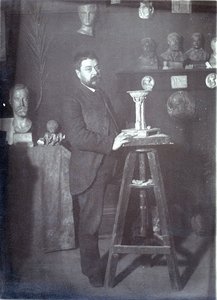
オリン・レヴィ・ワーナー
1844 - 1896 , アメリカ合衆国
アーティスト情報
- Artistic Movement Or Style: 低浮彫(バス・レリーフ)
- Artists Or Movements Influenced By This Artist: ['新古典主義']
- Artists Who Influenced This Artist: ['ジャン=バティスト・カルポー']
- Date Of Birth: アメリカ合衆国、サフィルド
- Date Of Death: 1896年
- Full Name: オリン・レヴィ・ワーナー
- Nationality: アメリカ
- Notable Artworks:
- トーマス・フェントン
- 人物の肖像
- Place Of Birth: コネチカット州
関連記事

The Enduring Legacy of Bronze: A Historical & Artistic Exploration for the Collector
Explore the rich history & enduring appeal of bronze sculpture with expert insights for collectors at OriginalUniqueArt. Learn about casting techniques, iconic artists, collecting tips & contemporary interpretations.

Bronze Sculptures That Defined Art History | OriginalUniqueArt
Journey through art history with our Top 10 bronze sculptures! Explore masterpieces by Rodin, Michelangelo & more. Discover stories behind iconic statues and find museum-quality reproductions for your home decor at OriginalUniqueArt.com.

Bronze Age to Modern Masters: 10 Sculptures That Redefined Art | OriginalUniqueArt
Journey through art history with 10 legendary bronze sculptures – from Michelangelo's David to Rodin’s Thinker. Explore the stories, techniques & timeless beauty of these masterpieces. Find museum-quality reproductions & elevate your home decor on OriginalUniqueArt.com.
The Enduring Legacy of Bronze: History, Technique & Artistic Expression for the Collector
Explore the rich history & enduring appeal of bronze sculpture with expert insights for collectors at OriginalUniqueArt. Learn about casting techniques, iconic artists, and collecting tips.
The Enduring Legacy of Bronze Sculpture: A Collector's Guide to Form & Cultural Significance
Explore the rich history & enduring appeal of bronze sculpture with expert insights for collectors at OriginalUniqueArt. Learn about casting techniques, iconic artists, and collecting tips to build a discerning art collection.