メニュー
無料アート相談
PreviewPreview プリントを購入 プリントを購入画像を 購入する 画像を 購入する シェアするシェアする
詳細を見る詳細を見る お気に入りに追加 お気に入りに追加 ダウンロードダウンロード 似ている作品似ている作品 X線調査X線調査 スライドショースライドショー

Wirbelwerk

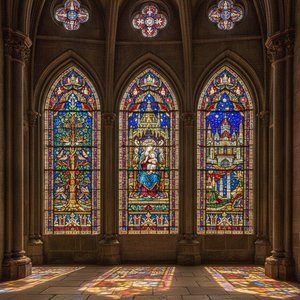
Experience 'Wirbelwerk' by Olafur Eliasson – an immersive installation of swirling glass and light that transforms spaces with dynamic patterns and captivating illusions.

Ólafur Elíasson: Danish-Icelandic artist renowned for immersive installations exploring light, water, air & perception. Blends art, science & architecture.

手描き油彩複製画

当社のアーティストが、お客様のご希望のサイズと額縁に合わせて、キャンバスに手描きで制作する油彩画です。

P118B $10
P118H $10
P118W $10
P438Z $10
P508JH $12
P508YH $12
P805H $10
P805Z $10
P919BZ $10
P919G $10
P919XJ $10
P959ZH $10
P968JZ $12
W106C $8
W218G $10
W218JH $8
W218Y $10
W307PJ $10
W316G $10
W316PJ $8
W316Y $10
W398PJ $8
W4111J $10
W500HY $15
W500JH $15
W692G $12
W849H $8
W940BG $15
W953PJ $8

Standard
custom
CM
INCH

作品のオリジナル比率に合わせた、当店の規定サイズからお選びください。

高さ

特定のフレームやスペースに合わせて、ご希望のサイズをご入力いただけます。選択されたサイズが元の画像の比率と異なる場合、アートワークをトリミングするか、手描きで要素を追加して絵画を拡張いたします。デジタルモックアップ を制作し、制作開始前にご確認(承認)をいただきます。
画面上のプレビューは、実際のトリミングや拡張を正確に反映しているものではありません。最終的な構図は、モックアップによってのみ正確にご確認いただけます。
カスタムサイズもご利用いただけますが、元の比率を維持するためには、あらかじめ用意されたリストからサイズを選択することをお勧めいたします。

カスタマイズの例:顔をお客様の写真に置き換える、ペットを追加する(例:猫を犬に変更)、背景に隠れたメッセージを入れる、背景の風景や要素を変更するなど。
ご注文後、OriginalUniqueArt.com チームより詳細な指示をお送りするとともに、仕上がりイメージ(モックアップ)をご提供いたします。

世界中への配送()は、通常の5週間ではなく、3〜4週間でお届けいたします。(24 7月)。品質には一切妥協いたしません。

why_choose_icon
世界中へ無料エクスプレス配送
why_choose_icon
高品質なリネンキャンバス
why_choose_icon
配送時完全保険付
why_choose_icon
関税・輸入税の払い戻し保証
why_choose_icon
忠実な色彩再現保証
why_choose_icon
60日間返品保証(製造上の欠陥のみ)
why_choose_icon
100% 全額返金保証
why_choose_icon
まとめ買い割引のご案内

合計金額

-

reproduction

Wirbelwerk

複製技法

複製画のサイズ

-

合計金額

-

作品詳細

  • Year: 2013
  • Title: Wirbelwerk
  • Medium: Metal & Glass
  • Influences: Gestalt psychology
  • Dimensions: 811 x 813 cm
  • Artistic Style: Installation art
  • Subject/Theme: Perception & Light

アート・クイズ

各質問の正解は1つだけです。

問題 1:
What is the primary subject matter depicted in the image of ‘Wirbelwerk’?
問題 2:
The installation ‘Wirbelwerk’ is located within which museum?
問題 3:
What material is predominantly used to construct the ‘Wirbelwerk’ sculpture?
問題 4:
According to the provided text, what does ‘Wirbelwerk’ evoke in terms of natural phenomena?
問題 5:
Ólafur Eliasson’s work often explores how viewers perceive space and reality. Which artistic movement influenced his approach?

作品解説

Wirbelwerk: A Dance of Light and Geometry by Ólafur Eliasson

Ólafur Eliasson’s “Wirbelwerk,” created in 2012 for the Lenbachhaus museum in Munich, isn't merely a sculpture; it’s an orchestrated experience. This monumental installation immediately captivates with its sheer scale – spanning over eight meters in diameter and descending nearly nine meters below – yet manages to feel remarkably intimate as visitors are drawn into its swirling embrace. The work is a testament to Eliasson’s signature approach: a masterful blend of science, perception, and the evocative power of light and space. It's an invitation to reconsider our relationship with the world around us, prompting a moment of quiet contemplation amidst the bustle of a museum setting.

At its core, “Wirbelwerk” is built upon a complex system of polished metal tubes – hundreds of them – meticulously arranged in opposing spirals. These aren’t simply lines; they are conduits for light, each tube subtly tinted with color, creating an iridescent shimmer as it catches the ambient illumination. Interwoven within this metallic framework are hand-blown coloured glass triangles, strategically positioned to refract and scatter light further, adding layers of complexity and visual richness. The entire structure is bathed in a carefully calibrated internal lighting system, shifting and evolving throughout the day, mirroring the natural rhythms of sunlight and shadow.

The Language of Motion: Vortexes and Perception

Eliasson’s fascination with movement – particularly the dynamic forms of vortexes and spirals – is central to “Wirbelwerk.” He draws inspiration from phenomena observed in nature, such as the swirling patterns of water currents or the graceful rotation of schools of fish. The installation subtly mimics these natural movements, creating an illusion of perpetual motion that engages the viewer’s sense of spatial awareness. The geometry itself—the precise spirals and intersecting lines—references principles of Gestalt psychology, demonstrating how our brains actively interpret visual information to create a cohesive whole. It's not just about seeing; it’s about *feeling* the movement within the space.

A Dialogue with Light and Space

The brilliance of “Wirbelwerk” lies in its interaction with the surrounding environment. The installation is designed to respond dynamically to changes in light, casting shifting patterns of color and shadow onto the museum’s walls and floors. This creates a constantly evolving visual landscape, transforming the space into an immersive experience. Eliasson deliberately blurs the boundaries between art and architecture, turning the entire atrium into a single, unified artwork. The work invites viewers to become active participants in this dynamic interplay of light and form, altering their perception of the room with each movement.

Symbolism and Emotional Resonance

Beyond its technical sophistication, “Wirbelwerk” carries a subtle symbolic weight. The swirling forms evoke notions of transformation, fluidity, and interconnectedness – mirroring the cyclical nature of life itself. The installation’s scale encourages a sense of awe and wonder, prompting viewers to momentarily step outside their everyday concerns and embrace a more expansive perspective. It's a reminder of our inherent connection to the natural world, and a celebration of the beauty and complexity that surrounds us. The piece ultimately leaves one with a feeling of quiet contemplation, a lingering awareness of the intricate dance between light, space, and perception.


アーティストの略歴

Ólafur Elíasson: A Biography

Early Life and Education

  • Born in Copenhagen, Denmark in 1967 to Icelandic parents, Elías Hjörleifsson and Ingibjörg Olafsdottir.
  • Spent formative years navigating dual cultural identities – Danish and Icelandic.
  • Showed early artistic promise with his first solo exhibition at age 15.
  • Studied at the Royal Danish Academy of Fine Arts from 1989 to 1995, a period crucial for developing his conceptual approach.

Artistic Development and Influences

  • Elíasson’s work evolved from early landscape drawings to large-scale installations exploring perception, light, and natural phenomena.
  • Influenced by phenomenology and Gestalt psychology, focusing on how viewers experience space and reality.
  • Collaboration with architect Einar Thorsteinn significantly impacted his geometric works and spatial designs.
  • Inspired by artists like Robert Irwin and James Turrell who also manipulate perception through light and space.

Key Themes and Artistic Style

  • Central themes include the relationship between humans and nature, artificial versus natural environments, and the subjective experience of reality.
  • His style is characterized by large-scale installations that often incorporate elemental materials like light, water, air temperature, and mirrors.
  • Immersive experiences are a hallmark of his work, inviting viewers to actively participate in and question their surroundings.
  • Frequently blends art with scientific inquiry, exploring concepts from physics, optics, and meteorology.

Major Achievements and Notable Works

  • Represented Denmark at the 50th Venice Biennale in 2003, gaining international recognition.
  • “The Weather Project” (2003) at Tate Modern’s Turbine Hall – a monumental installation creating an artificial sun and sky, becoming one of his most iconic works.
  • Designed the Serpentine Gallery Pavilion in 2007, showcasing innovative architectural design.
  • Created “New York City Waterfalls” (2008), transforming Manhattan’s waterfront with cascading waterfalls.
  • Co-founded Studio Other Spaces with Sebastian Behmann, expanding his practice into architecture and urban interventions.
  • Designed the Harpa Concert Hall in Reykjavik, Iceland – a stunning architectural landmark.

Historical Significance and Legacy

  • Elíasson is considered one of the most influential contemporary artists working today.
  • His work challenges traditional notions of art by blurring boundaries between disciplines—art, science, architecture, and environmentalism.
  • He has sparked important conversations about climate change, sustainability, and our relationship with the natural world.
  • Continues to push the boundaries of artistic practice through innovative installations, architectural projects, and public interventions.
  • Currently a professor at the Berlin University of the Arts, nurturing future generations of artists and thinkers.
ólafur elíasson

ólafur elíasson

1967 - , Denmark

基本情報

  • Birth Date: 1967-02-05
  • Birth Place: Copenhagen, Denmark
  • Movement:
    • Installation Art
    • Contemporary Art
    • Environmental Art
  • Name: Ólafur Elíasson
  • Nationality:
    • Danish
    • Icelandic
  • Notable Works:
    • The Weather Project
    • Serpentine Gallery Pavilion 2007
    • New York City Waterfalls
    • The Presence of Absence Pavilion