

 プリントを購入
 シェアする
シェアする シェアする
シェアする
 詳細を見る
詳細を見る

 ダウンロード
 似ている作品
 スライドショー
Landscape
 Silk
Silk- Textile
- Nanga
 1833
1833- 19th Century
 28.0 x 18.0 cm
 クリーブランド美術館
 詳細を見る
詳細を見る
オンラインプレビューをはるかに凌ぐ、高解像度で鮮明なデジタル画像をご購入いただけます。
各ファイルは、社内の専門家が高度なツールと熟練した手作業によるレタッチを用いて、細心の注意を払って準備されています。すべての画像において、卓越した鮮明度、正確な色彩再現性、そして繊細なディテールを保証いたします。
最終ファイルは、プロフェッショナルな編集・印刷環境ですぐにご利用いただけるよう最適化された状態で、72時間以内にメールにてお届けいたします。これは、一流のデザインスタジオ、出版社、ギャラリーから信頼されているものと同等の品質です。
デジタル画像のご注文に付随する特典
高品質なデジタル画像配信を、確かな品質で。
OriginalUniqueArt.com を選ぶことは、単に画像を手に入れることではありません。それは、プロの手によって精密に仕上げられ、満足保証が付いた高品質なデジタルアートワークを受け取ることを意味します。ご注文いただいた際に自動的に付随する内容は、以下の通りです:

メールですぐにお届け
ご注文から72時間以内に、高解像度のデジタル画像ファイルがメールでお手元に届きます。すぐにそのままご利用いただけます。

AI技術で最適化されたデジタルファイル
お客様の作品は、高度なAIツールと専門家による手作業の編集を組み合わせてプロフェッショナルに最適化されており、細部のディテール、鮮明さ、そして正確な色再現性を最大限に引き出しています。

一生涯無料の再送サービス
ファイルを誤って削除したり、紛失してしまったりしましたか?ご安心ください。いつでも無料で再送いたします。

輸入手数料は一切かかりません
関税や手数料、配送料を気にすることなく、お気に入りのアートワークをすぐにお楽しみいただけます。デジタルダウンロードは常に免税です。

色彩再現の保証
プロ仕様のツールとカラーマネジメント技術を用いることで、デジタル画像が元の色を最大限に忠実に再現することを保証いたします。

60日間満足保証
ご購入いただいたデジタル画像にご満足いただけない場合は、60日以内であれば、修正または100%の返金(理由を問う必要はありません)をさせていただきます。

100% 返金保証
ご満足いただけない場合は、デジタルファイルを受け取ってから60日以内であれば、理由を問わず全額返金いたします。

まとめ買い割引
3枚購入で10%OFF - 5枚購入で15%OFF - 10枚以上購入で20%OFF。クリエイティブなプロジェクト、ギャラリー、エージェンシーに最適です。
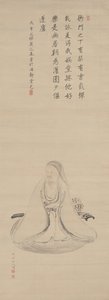
A Journey Through Edo Serenity: The Landscape of Nukina Kaioku
To gaze upon this exquisite landscape by Nukina Kaioku is to step across the threshold of time and into a realm steeped in profound tranquility. Dating from 1833, this piece captures not merely a vista of mountains, trees, and rocks, but rather the very spirit of contemplation that defined much of Edo period Japanese artistry. The delicate rendering on silk, combined with the presence of oriental calligraphy, elevates this work beyond simple decoration; it becomes a meditative object, a tangible whisper from a bygone era when art served as both mirror and guide for the soul.
Mastery in Nanga: Technique and Tradition
Kaioku’s genius is inextricably linked to the tradition of Nanga—the masterful fusion of landscape painting with calligraphy. This integration demands an extraordinary level of skill, requiring the artist to treat ink strokes not just as descriptive elements, but as carriers of philosophical weight. The technique employed here speaks to a deep understanding of materials; the silk substrate allows for a luminosity and softness that wood or paper cannot replicate, giving the mountains a breathy, ethereal quality. Observe how the brushwork guides the eye: it moves seamlessly from the solid grounding of the rocks to the delicate sweep of the distant peaks, all while being anchored by the elegant script that frames the scene.
Symbolism Woven into the Brushstrokes
In Japanese art, landscape is rarely just about geography. The mountains often symbolize permanence and the enduring spirit, while the scattered trees and rocks speak to resilience amidst change. The inclusion of calligraphy adds a layer of intellectual depth; these characters are not mere labels but distillations of poetry or philosophical thought, inviting the viewer to pause and decipher their meaning. For the collector or designer, this piece offers more than aesthetic beauty; it offers conversation—a dialogue between visual art, written word, and natural philosophy. It suggests that true beauty lies in the harmony between the wild grandeur of nature and the disciplined elegance of human contemplation.
Bringing Edo Calm into Modern Spaces
This reproduction captures the essence of a masterpiece designed for quiet appreciation. Whether adorning a formal reception room or lending a serene focal point to a private study, this artwork introduces an immediate sense of cultured calm. Its dimensions (28 x 18 cm) suggest its perfect placement as a treasured accent piece—a window into Japanese aesthetic ideals. Owning a reproduction allows one to partake in the history and profound artistry of Kaioku’s hand without the constraints of time or distance, inviting daily moments of quiet reflection.
CLASSIFICATION: Asian作家の略歴
Nukina Kaioku: A Master of Tranquility and Tradition
Nukina Kaioku (1778-1863) stands as a pivotal figure in Edo period Japanese art, embodying the spirit of Nanga—a fusion of landscape painting and calligraphy—and representing one of the “Three Brushes,” a prestigious group of artists recognized for their exceptional skill and artistic vision.
Born into a samurai family steeped in archery instruction to the Hachisuka clan of Awa Province, Kaioku’s upbringing instilled a disciplined ethos that subtly shaped his artistic pursuits. Unlike many of his peers destined for martial prowess, he embraced the intellectual traditions championed by Confucian philosophy and excelled in calligraphy, specifically adopting the stylistic influence of Kūkai—the revered Buddhist monk known for his innovative kana syllabary.
Early Life and Education: Kaioku’s formative years were dedicated to mastering both art and scholarship. His uncle, a priest at Mount Kōyasan’s Shingon-shū temple, nurtured his passion for calligraphy by introducing him to Kūkai's distinctive writing style. This foundational training would prove instrumental in shaping his artistic sensibilities throughout his life.
The Artistic Style of Tranquil Landscapes
Kaioku’s mature artistic style was characterized by unwavering adherence to the orthodox tradition of Wang Xizhi—a monumental figure in Chinese calligraphy whose elegant strokes and profound philosophical underpinning served as a guiding principle. However, he wasn't merely a slavish imitator; Kaioku demonstrated remarkable versatility, skillfully employing Kara-e—the Chinese-style painting technique—to depict breathtaking vistas of Japan’s largest inland lake, Lake Biwa.
His landscapes are imbued with a palpable serenity, reflecting the contemplative spirit of Nanga and conveying a deep appreciation for the natural world. Kaioku's meticulous attention to detail—capturing subtle variations in light and shadow—combined with his masterful command of brushwork created images that resonate with timeless beauty.
Notable Works: Reflections of Seasons
Perhaps Kaioku’s most celebrated achievement is “Lake Biwa in Four Seasons,” completed in 1834. Measuring 62 x 154 cm, this monumental panel painting exemplifies the grandeur and subtlety of Kara-e artistry. It portrays Lake Biwa across its seasonal transformations—spring blossoms, summer greenery, autumn foliage, and winter snow—offering viewers a panoramic glimpse into Japan’s natural splendor.
This artwork stands as a testament to Kaioku's technical prowess and his ability to distill complex emotions into visual form. It exemplifies the core tenets of Nanga painting: capturing the essence of nature while simultaneously conveying philosophical contemplation.
Legacy and Influence
Nukina Kaioku’s influence extended far beyond his own lifetime, inspiring subsequent generations of artists who sought to emulate his stylistic elegance and intellectual depth. He remains a cornerstone of Edo period art history—a symbol of artistic refinement and unwavering devotion to tradition. His serene landscapes continue to captivate audiences today, reminding us of the enduring power of beauty and contemplation.
Nukina Kaioku
1778 - 1863 , Japan
プロフィール概要
- Artistic Movement Or Style: Nanga Style
- Artists Or Movements Influenced By This Artist: ['Kara-e']
- Artists Who Influenced This Artist: ['Wang Xizhi']
- Date Of Birth: 1778
- Date Of Death: 1863
- Full Name: Nukina Kaioku
- Nationality: Japanese
- Notable Artworks: ['Lake Biwa in Four Seasons']
- Place Of Birth: Shikoku, Japan

