
 設置イメージを表示
 シェアする
シェアする シェアする
シェアする
 詳細を見る
詳細を見る ガイドを表示

 ダウンロード
 似ている作品
 X線調査
X線調査 スライドショーを表示
 Q&A
Q&A 統計情報
統計情報Peasant and his son

- 75.0 x 56.0 cm


 詳細を表示
詳細を表示
ジークレー/アートプリント
スピーディーな制作と多彩な仕上げオプションが魅力の、ミュージアムクオリティなジークレー・キャンバスプリント。 ( 手描き複製画を注文する デジタル画像販売へ切り替え)




P118B ¥10

P118H ¥10

P118W ¥10

P438Z ¥10

P508JH ¥12

P508YH ¥12

P805H ¥10

P805Z ¥10

P919BZ ¥10

P919G ¥10

P919XJ ¥10

P959ZH ¥10

P968JZ ¥12

W106C ¥8

W218G ¥10

W218JH ¥8

W218Y ¥10

W307PJ ¥10

W316G ¥10

W316PJ ¥8

W316Y ¥10

W398PJ ¥8

W4111J ¥10

W500HY ¥15

W500JH ¥15

W692G ¥12

W849H ¥8

W940BG ¥15

W953PJ ¥8




作品のオリジナル比率に合わせた、当店の規定サイズからお選びください。

額縁や壁のスペースに合わせて、ご希望の幅と高さを入力してください。プリントはカットすることは可能ですが、元の画像より大きくすることはできないため、異なる比率のサイズを選択された場合は、画像の一部が欠けることになります。印刷を開始する前に、内容を確認していただくためのデジタルモックアップをお送りいたします。このページに表示されている画像は、実際のカット後の状態を示すものではありません。実際の仕上がりはモックアップにてご確認ください。


 ガラスオプションは、110cm未満のサイズでのみご利用いただけます。

Peasant and his son
ジークレー/アートプリント
複製画サイズ一覧
-


合計金額
¥ 12810
A Glimpse into Georgian Rural Life: Niko Pirosmani's "Peasant and his Son"
Niko Pirosmani’s “Peasant and his son,” painted in 1908, offers a poignant window into the soul of rural Georgia at the turn of the twentieth century. This vertical oil painting isn't merely a depiction of two figures; it is an embodiment of generational connection, quiet dignity, and the timeless rhythms of agricultural life. The scene unfolds outdoors, suggested by the tall stalks that rise in the background—resembling reeds or corn—creating a backdrop evocative of the Georgian countryside. An elderly man dominates the left side of the composition, his presence weighty and grounded, while his young son stands to the right, presenting something unseen to his father. This simple act forms the heart of the painting’s narrative, hinting at respect, inheritance, or perhaps the passing down of knowledge—a symbolic exchange that resonates across time and cultures. The overall impression is one of profound stillness, a moment captured in amber, inviting contemplation on themes of family, tradition, and the enduring strength of human bonds.The Language of Primitivism: Style and Technique
Pirosmani’s artistic style defies easy categorization, often described as primitivist or naive. He wasn't formally trained; his skill blossomed from a deep observation of the world around him and an innate ability to translate that vision onto canvas. This lack of formal training is evident in the painting’s deliberate simplicity—a flattened perspective characteristic of folk art traditions, where illusionistic space takes a backseat to emotional impact. The artist employs visible brushstrokes, layering oil paints to create texture, particularly noticeable in the man's beard and robes, lending them a tactile quality that draws the viewer closer. Lines are used purposefully to define forms – both figures and surrounding vegetation—creating a sense of solidity and depth despite the overall flatness. The palette is predominantly dark: browns, blacks, and muted reds dominate, contributing to a somber yet contemplative mood. This restrained use of color amplifies the painting’s emotional weight, focusing attention on the subjects' faces and their interaction. Pirosmani often worked on oilcloth rather than traditional canvas, a testament to his resourcefulness and perhaps adding another layer of rustic authenticity to his work.A Georgian Visionary: Context and Legacy
To fully appreciate “Peasant and his son,” it’s essential to understand the context in which it was created. Niko Pirosmani lived a life largely outside the mainstream art world, working various odd jobs while pursuing his passion for painting. He was a self-taught artist who captured the essence of Georgian culture with remarkable honesty and sensitivity. His work gained recognition later in his life thanks to the support of Russian poets and artists like Mikhail Le-Dantyu and Kirill Zdanevich, who championed his unique vision. Pirosmani’s style resonated with the burgeoning primitivist movement, which celebrated art created outside established academic traditions. He became a pivotal figure in 20th-century Georgian art, influencing generations of artists with his distinctive approach to subject matter and technique. His paintings offer invaluable insights into the social fabric and daily life of Georgia during a period of significant change and transition.Emotional Resonance: A Timeless Portrait
Beyond its historical significance and artistic merit, “Peasant and his son” possesses an undeniable emotional power. The painting evokes a sense of quiet dignity and timelessness—a feeling that transcends the specific time and place depicted. The connection between father and son is palpable, conveyed through their posture and gaze. There's a profound tenderness in the boy’s offering, and a gentle acceptance in the man’s response. This isn’t a grand narrative of triumph or tragedy; it’s a simple moment of human interaction elevated to something extraordinary by Pirosmani’s masterful touch. The painting invites viewers to reflect on their own relationships with family, tradition, and the enduring values that shape our lives—making it a work of art that continues to resonate deeply with audiences today.Q&A
ニコ・ピロスマニ (Niko Pirosmani)作「Peasant and his son」を彩る主役の色は何ですか?
ニコ・ピロスマニ (Niko Pirosmani)作「Peasant and his son」の色彩表現:Black (#150d12)を基調とした、Earthyなパレット。
ニコ・ピロスマニ (Niko Pirosmani)作「Peasant and his son」の複製画には、どのサイズがおすすめですか?
ニコ・ピロスマニ (Niko Pirosmani)作「Peasant and his son」 の推奨プリントサイズは Medium です。
ニコ・ピロスマニ (Niko Pirosmani)作「Peasant and his son」の色彩は、鮮やかですか、それとも落ち着いたトーンですか?
ニコ・ピロスマニ (Niko Pirosmani)作「Peasant and his son」の彩度はMutedです。
作家プロフィール
生い立ちと初期のキャリア
1862年、カヘティ地方の小さな村ミルザアニに生まれたニコ・ピロスマニは、ジョージアのプリミティブ画家として知られるようになりました。彼の両親、アスラン・ピロスマニシビリとテクレ・トクリキシュヴィリは、小さなブドウ園を所有する農家でした。幼い頃に孤児となり、2人の姉妹の世話のもとで育ちました。ピロスマニの人生は、貧困の中で始まりましたが、その後の芸術活動を通して、ジョージア文化に深い足跡を残すことになります。彼の作品には、故郷への愛情や人々の生活への温かい眼差しが込められています。独特な様式とテーマ
ピロスマニの芸術様式は、その素朴でプリミティブな性質によって特徴づけられます。彼の絵画は、ジョージアの人々の日常生活を描いたものが多く、油布をキャンバスとして使用していました。独特な構図と人物配置が際立ち、自然や農村生活への愛情が強く表現されています。都市の風景はほとんど描かれず、ジョージアの田園地帯の美しさが作品を通して伝わってきます。ピロスマニは、洗練された技巧よりも、感情を率直に表現することを重視しました。彼の絵画は、見る人の心に直接語りかけるような力を持っています。代表作と展覧会
ピロスマニの代表的な作品には、以下のようなものがあります:- ワインスキンを持つムシャ、ジョージア文化の本質を捉える能力を示す絵画です。
- ジョージアの結婚式、伝統的なジョージアの結婚式の様子を描いたものです。
- ジダネヴィチの肖像、ロシアの詩人ミハイル・レー=ダンチュウの肖像画で、キリル・ジダネヴィチとその弟イリヤ・ジダネヴィチから熱狂的な支持を得ました。
遺産と死後の評価
ピロスマニの生涯は貧困に彩られていましたが、死後の評価は非常に高いものとなりました。1918年にジョージア人画家の大規模な展覧会が開催され、彼の作品が広く知られるようになりました。今日、彼の絵画はジョージア美術館やシグナギ歴史民族博物館で展示されており、35万人以上の人々が鑑賞しています。彼の作品は、ジョージアの芸術史において重要な位置を占めており、その独特なスタイルとテーマは、多くのアーティストに影響を与え続けています。OriginalUniqueArtでニコ・ピロスマニの作品を見るWikipediaでニコ・ピロスマニについてもっと読む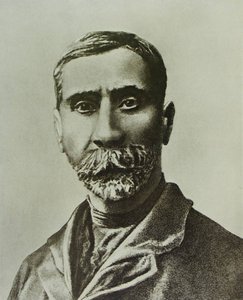
ニコ・ピロスマニ (Niko Pirosmani)
1862 - 1918 , ジョージア
プロフィール概要
- Artistic Movement Or Style: プリミティビズム
- Artists Who Influenced This Artist: ['ウラジーミル・グディアシビリ']
- Date Of Birth: 1862年5月5日
- Date Of Death: 1918年4月9日
- Full Name: ニコラ・アスラーノヴィチ・ピロスマナシビリ
- Nationality: グルジア人
- Notable Artworks:
- ワイン入りのムシャ
- グルジアの結婚式
- ズダネヴィチの肖像
- Place Of Birth: グルジア ミルザアニ村
関連記事
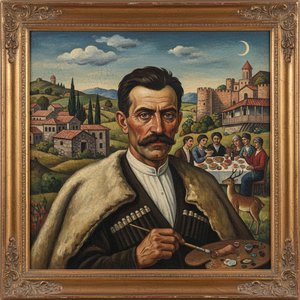
Niko Pirosmani: A Georgian Visionary – Life, Legacy, and the Poetics of Outsider Art
Discover the captivating life & art of Niko Pirosmani, Georgia’s celebrated primitivist painter. Explore his unique oilcloth paintings, lasting influence, and enduring legacy with OriginalUniqueArt.
Cultivating Visions: Rural Life & Social Commentary in Art History
Explore the rich history of rural life in art! Discover masterpieces from Dutch Masters to Van Gogh & Courbet. Uncover artistic movements, social significance & expert collecting insights at OriginalUniqueArt.
Cultivating Visions: A Historical Exploration of Rural Life in Painting
Explore the rich history of rural life in painting! Discover masterpieces from Dutch Masters to Courbet & Watteau. Uncover the artistic and social significance of idyllic landscapes and peasant scenes.

Echoes of Rural Life: Nostalgia, Labor & Identity in Art History
Explore the rich history of rural life in art! Discover how Realism captured labor & identity through masterpieces by Van Gogh, Millet & more. Expert analysis for collectors and enthusiasts.

Echoes of Rural Life: Art's Enduring Representations of the Countryside
Explore the rich history of rural life in art! Discover masterpieces from Millet to Mauve & beyond. Learn about Realism, Barbizon School & find inspiration for your home with OriginalUniqueArt.
