
 設置イメージを表示
 シェアする
シェアする シェアする
シェアする
 詳細を見る
詳細を見る ガイドを表示

 ダウンロード
 似ている作品
 X線調査
X線調査 スライドショーを表示
 Q&A
Q&A 統計情報
統計情報Bear hunting

- 107.0 x 57.0 cm


 詳細を表示
詳細を表示
ジークレー/アートプリント
スピーディーな制作と多彩な仕上げオプションが魅力の、ミュージアムクオリティなジークレー・キャンバスプリント。 ( 手描き複製画を注文する デジタル画像販売へ切り替え)




P118B ¥10

P118H ¥10

P118W ¥10

P438Z ¥10

P508JH ¥12

P508YH ¥12

P805H ¥10

P805Z ¥10

P919BZ ¥10

P919G ¥10

P919XJ ¥10

P959ZH ¥10

P968JZ ¥12

W106C ¥8

W218G ¥10

W218JH ¥8

W218Y ¥10

W307PJ ¥10

W316G ¥10

W316PJ ¥8

W316Y ¥10

W398PJ ¥8

W4111J ¥10

W500HY ¥15

W500JH ¥15

W692G ¥12

W849H ¥8

W940BG ¥15

W953PJ ¥8




作品のオリジナル比率に合わせた、当店の規定サイズからお選びください。

額縁や壁のスペースに合わせて、ご希望の幅と高さを入力してください。プリントはカットすることは可能ですが、元の画像より大きくすることはできないため、異なる比率のサイズを選択された場合は、画像の一部が欠けることになります。印刷を開始する前に、内容を確認していただくためのデジタルモックアップをお送りいたします。このページに表示されている画像は、実際のカット後の状態を示すものではありません。実際の仕上がりはモックアップにてご確認ください。


 ガラスオプションは、110cm未満のサイズでのみご利用いただけます。

Bear hunting
ジークレー/アートプリント
複製画サイズ一覧
-


合計金額
¥ 12795
A Savage Symphony in Oilcloth: Niko Pirosmani’s “Bear Hunting”
Niko Pirosmani, a largely forgotten titan of Georgian art, possessed an extraordinary ability to distill the essence of rural life and primal emotion onto humble oilcloth canvases. His work, often dismissed as naive or primitive during his lifetime, now stands as a testament to raw honesty and a uniquely captivating vision. “Bear Hunting,” painted in the 1890s, is arguably Pirosmani’s most dramatic and compelling piece – a visceral depiction of a hunting expedition that transcends mere representation, plunging the viewer directly into the heart of Georgian wilderness and the brutal beauty of its traditions.
The scene unfolds within a dense, almost claustrophobic forest. A group of French chasseurs, clad in meticulously rendered uniforms of dark blue and brown, pursue a colossal bison – an animal rendered with astonishing power and scale. The composition is deliberately chaotic; figures are crammed together, limbs tangle, and the bison dominates the frame, its immense form dwarfing the hunters below. Pirosmani eschews traditional perspective, favoring instead a flattened, frontal approach that intensifies the drama and immediacy of the action. Lines are bold and directional, guiding the eye relentlessly across the canvas, mirroring the hunters’ desperate pursuit.
The Primitivist Palette: Color and Texture
Pirosmani's distinctive style is immediately recognizable through his masterful use of color and texture. He employs a restricted palette dominated by deep greens, earthy browns, and muted blues – colors that evoke the dampness and shadow of the forest floor. These somber tones are punctuated by flashes of brighter hues—the crimson of blood (implied), the ochre of the bison’s hide, and the occasional splash of yellow or white to highlight key figures. Crucially, Pirosmani worked on oilcloth, a readily available and inexpensive material in Georgia, which lends his paintings a unique tactile quality. The thick, impasto brushstrokes are visible throughout the composition, creating a palpable sense of physicality – you can almost feel the roughness of the bark beneath your fingers and the weight of the hunters’ clothing.
The technique itself is deliberately rough-hewn, reflecting Pirosmani's lack of formal training. He eschewed meticulous detail in favor of capturing the *feeling* of the scene – the tension, the urgency, the raw energy of the hunt. This approach aligns perfectly with the principles of Primitivism, a movement that sought to strip away academic conventions and return to a more direct, emotionally charged form of expression.
Symbolism of the Hunt: Power, Tradition, and Mortality
“Bear Hunting” is far more than just a depiction of a hunting scene; it’s laden with symbolic meaning. The hunt itself represents power, control, and the enduring traditions of Georgian rural life. For centuries, hunting had been a vital part of the region's economy and culture, providing sustenance and reinforcing social hierarchies. However, Pirosmani doesn’t glorify this activity. Instead, he presents it with a stark realism that acknowledges its inherent violence and potential for destruction.
The massive bison, a symbol of strength and wildness, embodies the forces of nature that the hunters seek to subdue. The implied bloodshed – hinted at through subtle color choices—underscores the cost of this conquest. Furthermore, Pirosmani’s unflinching portrayal of human figures engaged in such a brutal act raises questions about humanity's relationship with the natural world and the consequences of unchecked ambition. The painting subtly evokes themes of mortality and the fleeting nature of life, mirroring the precariousness of both hunter and hunted.
A Window into Georgian Soul: Pirosmani’s Legacy
Niko Pirosmani's work offers a rare glimpse into the soul of Georgia in the late 19th century. His paintings are not merely aesthetically pleasing; they are windows into a world of hardship, resilience, and profound connection to the land. Rediscovered in the mid-20th century, Pirosmani’s art has since gained international recognition as a cornerstone of Georgian primitivism and a powerful example of outsider art. Reproductions of “Bear Hunting” – available through OriginalUniqueArt – allow us to experience this extraordinary vision firsthand, inviting us to contemplate the enduring power of raw emotion and the timeless beauty of the Georgian landscape.
Q&A
ニコ・ピロスマニ (Niko Pirosmani)作「Bear hunting」の技法とサイズを教えてください。
「Bear hunting」はOil On Canvasで制作されており、原寸は107 x 57 cmです。
私の部屋には、"Bear hunting" のどのプリントサイズが適していますか?
Living Roomに飾る場合、ニコ・ピロスマニ (Niko Pirosmani)作「Bear hunting」の推奨プリントサイズはLargeです。
「Bear hunting」には、ニコ・ピロスマニ (Niko Pirosmani)の他の作品群とどのような共通点が見られますか?
「Bear hunting」は、ニコ・ピロスマニ (Niko Pirosmani)の他の作品と同様に、Primitivism様式と、一貫して描かれてきたテーマであるeuropean realism influence, georgian rural life depiction, power & nature conflict, hunter's instincts shown, pirosmani's primitive style, iconic georgian portraiture, early 20th century vision, unique artistic voiceを共有しています。
作家プロフィール
生い立ちと初期のキャリア
1862年、カヘティ地方の小さな村ミルザアニに生まれたニコ・ピロスマニは、ジョージアのプリミティブ画家として知られるようになりました。彼の両親、アスラン・ピロスマニシビリとテクレ・トクリキシュヴィリは、小さなブドウ園を所有する農家でした。幼い頃に孤児となり、2人の姉妹の世話のもとで育ちました。ピロスマニの人生は、貧困の中で始まりましたが、その後の芸術活動を通して、ジョージア文化に深い足跡を残すことになります。彼の作品には、故郷への愛情や人々の生活への温かい眼差しが込められています。独特な様式とテーマ
ピロスマニの芸術様式は、その素朴でプリミティブな性質によって特徴づけられます。彼の絵画は、ジョージアの人々の日常生活を描いたものが多く、油布をキャンバスとして使用していました。独特な構図と人物配置が際立ち、自然や農村生活への愛情が強く表現されています。都市の風景はほとんど描かれず、ジョージアの田園地帯の美しさが作品を通して伝わってきます。ピロスマニは、洗練された技巧よりも、感情を率直に表現することを重視しました。彼の絵画は、見る人の心に直接語りかけるような力を持っています。代表作と展覧会
ピロスマニの代表的な作品には、以下のようなものがあります:- ワインスキンを持つムシャ、ジョージア文化の本質を捉える能力を示す絵画です。
- ジョージアの結婚式、伝統的なジョージアの結婚式の様子を描いたものです。
- ジダネヴィチの肖像、ロシアの詩人ミハイル・レー=ダンチュウの肖像画で、キリル・ジダネヴィチとその弟イリヤ・ジダネヴィチから熱狂的な支持を得ました。
遺産と死後の評価
ピロスマニの生涯は貧困に彩られていましたが、死後の評価は非常に高いものとなりました。1918年にジョージア人画家の大規模な展覧会が開催され、彼の作品が広く知られるようになりました。今日、彼の絵画はジョージア美術館やシグナギ歴史民族博物館で展示されており、35万人以上の人々が鑑賞しています。彼の作品は、ジョージアの芸術史において重要な位置を占めており、その独特なスタイルとテーマは、多くのアーティストに影響を与え続けています。OriginalUniqueArtでニコ・ピロスマニの作品を見るWikipediaでニコ・ピロスマニについてもっと読む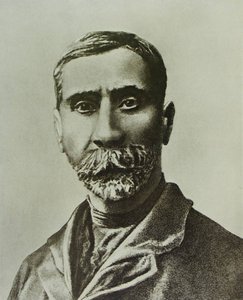
ニコ・ピロスマニ (Niko Pirosmani)
1862 - 1918 , ジョージア
プロフィール概要
- Artistic Movement Or Style: プリミティビズム
- Artists Who Influenced This Artist: ['ウラジーミル・グディアシビリ']
- Date Of Birth: 1862年5月5日
- Date Of Death: 1918年4月9日
- Full Name: ニコラ・アスラーノヴィチ・ピロスマナシビリ
- Nationality: グルジア人
- Notable Artworks:
- ワイン入りのムシャ
- グルジアの結婚式
- ズダネヴィチの肖像
- Place Of Birth: グルジア ミルザアニ村
関連記事

The Enduring Legacy of Oil on Canvas: Technique, History & Aesthetic Impact
Explore the rich history & techniques of oil painting – from Renaissance masters to Impressionism. Discover pigments, layering methods, and why this timeless medium endures. Expert insights for artists & art enthusiasts.

The Enduring Power of Painting: A Historical & Contemporary Exploration of Form and Emotion
Explore the rich history & enduring techniques of oil painting with OriginalUniqueArt. Discover masterpieces, learn about art collecting, and find authentic handmade reproductions crafted by skilled artists.

Oil on Canvas: A Historical & Technical Exploration of a Timeless Artistic Medium
Explore the rich history & enduring techniques of oil painting on canvas. Discover the science behind its longevity, conservation practices, and contemporary relevance. Expert insights for art enthusiasts.
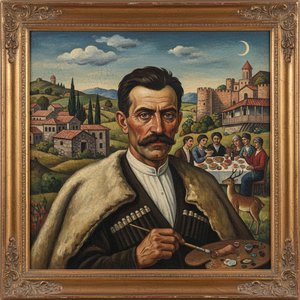
Niko Pirosmani: A Georgian Visionary – Life, Legacy, and the Poetics of Outsider Art
Discover the captivating life & art of Niko Pirosmani, Georgia’s celebrated primitivist painter. Explore his unique oilcloth paintings, lasting influence, and enduring legacy with OriginalUniqueArt.

油彩のキャンバス:技法、歴史、そして現代の実践 - 古典美術愛好家へ
油彩の技法、歴史、巨匠たちの秘密を徹底解説。古典美術愛好家向けに、初期フランドル絵画から現代の実践まで深く掘り下げます。OriginalUniqueArtで高品質な複製画やカスタムオーダーも承ります。
