

 プレビュー
プレビュー
 シェアする
シェアする シェアする
シェアする
 詳細を見る
詳細を見る

 ダウンロード
 似ている作品
 X線調査
X線調査 スライドショー
Crucifixion
 Oil On Canvas
- WallArt
- Baroque
 1635
1635 422.0 x 292.0 cm
 ルーブル美術館
 詳細を見る
詳細を見る
ジークレー/アートプリント
迅速な制作と多彩な仕上げオプションを備えた、ミュージアムクオリティのジークレーまたはキャンバスプリント。 ( 手描き画への切り替え 画像に切り替え)




P118B $10

P118H $10

P118W $10

P438Z $10

P508JH $12

P508YH $12

P805H $10

P805Z $10

P919BZ $10

P919G $10

P919XJ $10

P959ZH $10

P968JZ $12

W106C $8

W218G $10

W218JH $8

W218Y $10

W307PJ $10

W316G $10

W316PJ $8

W316Y $10

W398PJ $8

W4111J $10

W500HY $15

W500JH $15

W692G $12

W849H $8

W940BG $15

W953PJ $8




作品のオリジナル比率に合わせた、当店の規定サイズからお選びください。

特定のフレームやスペースに合わせて、ご自身でサイズを指定することも可能です。選択されたサイズが元の画像の比率と一致しない場合、作品をトリミングするか、鏡面反射または単色での塗りつぶしによって画像を拡張いたします。制作を開始する前に、ご確認用のデジタルモックアップをお送りいたします。
画面上のプレビューには、実際のトリミングや拡張は反映されませんのでご注意ください。最終的な構図を正確に確認できるのは、モックアップのみとなります。
カスタムサイズも承っておりますが、元の比率を維持するためには、あらかじめ用意されたリストからサイズを選択することをお勧めいたします。


 ガラスオプションは、110cm未満のサイズでのみご利用いただけます。

Crucifixion
ジークレー/アートプリント
複製画のサイズ
-


合計金額
$ 81
作品詳細説明
Nicolas Tournier’s “Crucifixion” – A Baroque Masterpiece of Suffering and Grace
The year is 1635. Nestled within the hallowed halls of the Louvre Museum in Paris resides a painting that transcends mere representation, plunging the viewer into the heart of human sorrow and spiritual contemplation: Nicolas Tournier’s “Crucifixion.” More than just a depiction of Christ's final hours, this work is a testament to Tournier’s mastery of Baroque style, his profound understanding of light and shadow, and his ability to imbue religious subject matter with an intensely emotional resonance. It’s a scene both brutal in its realism and profoundly moving in its portrayal of sacrifice and redemption.
Tournier, a French painter born in Montbéliard and deeply influenced by the Caravaggio he encountered during his time in Rome, presents us with a strikingly direct and unflinching image. The composition is immediately arresting – a vertical emphasis drawing our gaze directly to the central figure of Christ on the cross. He’s not idealized or romanticized; instead, Tournier renders him with a palpable sense of agony, his body contorted under the weight of the ordeal. The stark contrast between the dark, almost oppressive background and the illuminated foreground creates an immediate dramatic effect, forcing the viewer to confront the gravity of the event.
A Symphony of Light and Shadow – Technique and Style
Tournier’s technical skill is immediately evident in his masterful manipulation of light. He employs a technique known as “chiaroscuro,” dramatically contrasting areas of intense brightness with deep shadows, a hallmark of Caravaggio's style. This isn’t merely an aesthetic choice; it serves to heighten the emotional impact of the scene, emphasizing Christ’s suffering and drawing attention to key details – the wounds on his body, the texture of his clothing, and the rough-hewn wood of the cross itself. The brushstrokes are visible yet controlled, contributing to a sense of immediacy and realism.
The painting is executed in oil on canvas, utilizing layering and glazing techniques to build up depth and luminosity. Notice how Tournier subtly renders the folds of Christ’s garments, creating a tactile quality that invites us to almost feel the weight of his burden. The figures surrounding him – including the Virgin Mary, St. John, and other mourners – are depicted with varying degrees of detail, reflecting their importance within the narrative. The overall effect is one of intense realism blended seamlessly with a heightened sense of drama and spiritual significance.
Symbolism and Historical Context
“Crucifixion” is rich in symbolic meaning. The cross itself represents sacrifice, redemption, and the promise of salvation – central tenets of Christian theology. The figures gathered around the scene—the Virgin Mary, grieving with profound sorrow; St. John, offering comfort; and other mourners—represent the human response to Christ’s death: grief, compassion, and faith. The inclusion of these figures underscores the universal nature of suffering and the hope offered through Christian belief.
Painted in 1635 during a period of intense religious fervor within Europe, “Crucifixion” reflects the Counter-Reformation’s emphasis on emotional engagement with religious art. The Catholic Church actively sought to inspire piety and devotion through works that powerfully conveyed the drama and significance of biblical narratives. Tournier's painting perfectly embodies this goal, inviting viewers to contemplate the profound implications of Christ’s sacrifice and to connect with the spiritual message at its core.
A Timeless Masterpiece – Emotional Resonance
Despite being over three centuries old, “Crucifixion” continues to resonate deeply with audiences today. It's not a comfortable painting; it confronts us with the harsh realities of suffering and death. Yet, within that darkness lies an undeniable sense of hope and grace. Tournier’s masterful use of light, shadow, and composition creates a powerfully moving experience, prompting reflection on themes of faith, sacrifice, and redemption. It remains a poignant reminder of humanity's capacity for both cruelty and compassion, and the enduring power of spiritual belief.
アーティストの略歴
ジュゼッペ・アルチンボルド:没入型肖像画の巨匠
1527年頃にミラノで生まれ、1593年に惜しまれつつこの世を去ったジュゼッペ・アルチンボルドは、ルネサンス美術において最も独創的な人物の一人として今なお語り継がれています。彼は単なる肖像画家ではありませんでした。むしろ、日常の断片――果物、野菜、花々、本、さらには羽毛や蝋燭に至るまで――から画像を彫り上げる、卓越した錯覚の魔術師だったのです。彼の作品は単なる再現を超越しています。それは、象徴性と遊び心に満ちた、緻密に構築された世界へと鑑賞者を誘い込む、没入型の体験そのものなのです。アルチンボルドが遺したレガシーは、単に美しい絵画を残したことだけではありません。肖像画という概念の既成概念に挑み、芸術的表現の無限の可能性を証明した点にこそ、その真価があるのです。
アルチンボルドの初期のキャリアは、ミラノ美術の確立された枠組みの中で展開されました。彼はそこでステンドグラスのデザインや、教会における精巧なフレスコ画の制作を通じて、その技術を磨いていきました。この基礎的な修行が、構図、色彩理論、そして装飾技法に対する深い理解を彼に植え付け、後の革命的な肖像画へのアプローチの礎となったのです。しかし、彼を芸術的な名声へと真に押し上げたのは、ウィーンとプラハにおけるハプスブルク家の皇帝、フェルディナント1世、マキシミリアン2世、そしてルドルフ2世の宮廷画家への任命でした。これらの帝国の依頼は、彼に贅沢な世界、エキゾチックな素材、そして知的な刺激への扉を開きました。それが彼の創造精神に火を灯し、より精緻で複雑な構図への実験を可能にしたのです。
アルチンボルドの全作品の中核を成すのは、今日では「冬の静物画」として知られる、季節の要素から構築された肖像画です。これらは単なる物の配置ではありません。それぞれの要素に象徴的な意味が込められた、入念に構成された物語なのです。例えば、冬の肖像画には不滅を象徴するセイヨウヒイラギの実が降り注ぎ、積み上げられた本は知識と知恵を暗示することがあります。描かれた人物たちは、しばしば漠然とした人間らしさや歴史的人物への面影を宿しながら、周囲の動植物の中に継ぎ目なく溶け込み、作為と現実の境界を曖昧にしていきます。彼の作品にはマニエリスムの影響、特に様式化された形態、劇的な光の演出、そして高まった感情的強烈さが反映されています。しかし、アルチンボルドの天才性は、これらの影響を彼独自の個人的なヴィジョンと融合させ、知的刺激と視覚的な魅力を兼ね備えたイメージを生み出した点にあります。
冬の静物画にとどまらず、アルチンボルドは宗教的な場面、肖像画、装飾パネルなど、多岐にわたる作品を残しました。聖人や聖書の登場人物の描写には伝統的な技法の習熟が見て取れる一方で、精巧な衣装や舞台設定からは、細部への鋭い眼差しと演劇的な才能が溢れ出ています。特筆すべきは、彼が宮廷の装飾家や衣装デザイナーも務めていたことです。これは彼の多才さを示すとともに、視覚的要素がいかに帝国の儀式の全体的な雰囲気に寄与するかを彼が理解していたことを物語っています。また、ハプスブルク家の動物園にいた珍しい動物たちを用いた仕事は、彼の芸術的スキルと、自然の本質を捉える能力をさらに際立たせています。
アルチンボルドの影響は、彼の生涯を遥かに超えて広がり、美術史の流れを形作り、後世のアーティストたちにインスピレーションを与え続けてきました。彼の革新的な肖像画へのアプローチは、サルバドール・ダリやルネ・マグリットといったシュルレアリスムの画家たちの道を開きました。彼らもまた、予期せぬ並置や象徴的なイメージを用いることで、従来の知覚に挑戦したのです。彼の作品は今日でも鑑賞者を魅了し、驚かせ続けています。それは、ありふれたものを非凡なものへと変容させ、世界を新しく想像力豊かな方法で見るよう私たちに促す、芸術の力を思い出させてくれるからです。ジュゼッペ・アルチンボルドの不朽の魅力は、単なる技術的な巧みさにあるのではなく、人間の心理に対する深い洞察と、私たちの驚きや好奇心に深く共鳴するイメージを生み出す力にあるのです。

ニコラ・トゥルニエ
1590 - 1639 , フランス
基本情報
- Artistic Movement Or Style: マニエリスム、肖像画
- Artists Or Movements Influenced By This Artist:
- カラヴァッジョ
- マニエリスム
- Artists Who Influenced This Artist:
- アンドレア・マンテーニャ
- レオナルド・ダ・ヴィンチ
- Date Of Birth: 1527年4月5日
- Date Of Death: 1593年7月11日
- Full Name: ジュゼッペ・アルチンボルド
- Nationality: イタリア
- Notable Artworks:
- 四季
- アクバル帝の凱旋
- バッカス
- ホロフェルネスの首を掲げるユディト
- Place Of Birth: イタリア、ミラノ
関連記事
Nicolas Poussin: Classicism, Allegory & Order in 17th-Century French Painting
Explore the life & work of Nicolas Poussin, a master of French Classicism. Discover his allegorical paintings, Roman influences, and enduring impact on art history. Expert analysis & insights.
Baroque Realism: Illusion, Emotion & the Dramatic Transformation of 17th-Century Art
Explore the dramatic world of Baroque Realism! Discover iconic artists like Caravaggio & Rubens, their techniques, and the movement's lasting impact on art history. Expert insights for collectors & enthusiasts.
ミュンヘン・アルテ・ピナコテークの至宝25選:名画と芸術の物語 | OriginalUniqueArt
ミュンヘン・アルテ・ピナコテークの至宝25選。ドゥーラー、ラファエロ、レンブラントの名画を紐解き、ルネサンス美術とバロック美術の輝きをご堪能ください。OriginalUniqueArtで高品質なアートプリントや複製画を見つけ、お部屋に芸術の彩りを。今すぐコレクションをご覧ください。
Proto-Renaissance Masters: 10 Artworks That Changed History | OriginalUniqueArt
Journey back to the dawn of Renaissance art! Explore 10 iconic Proto-Renaissance masterpieces by Giotto, Cimabue & Duccio. Discover their stories, techniques & lasting impact. Find museum-quality reproductions for your home at OriginalUniqueArt.com
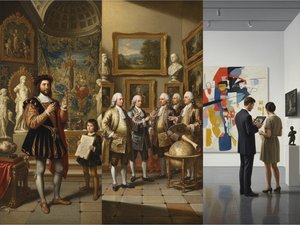
The Patron's Gaze: Art Collectors in Western Painting – A Renaissance to Modern History
Explore the fascinating history of art collectors in Western painting, from Renaissance patrons to modern museum founders. Discover how portraits revealed status, shaped artistic movements & built lasting legacies. Expert insights at OriginalUniqueArt.

