
 プレビュー
プレビュー
 プリントを購入
 シェアする
シェアする シェアする
シェアする
 詳細を見る
詳細を見る

 ダウンロード
 似ている作品
 X線調査
X線調査 スライドショー
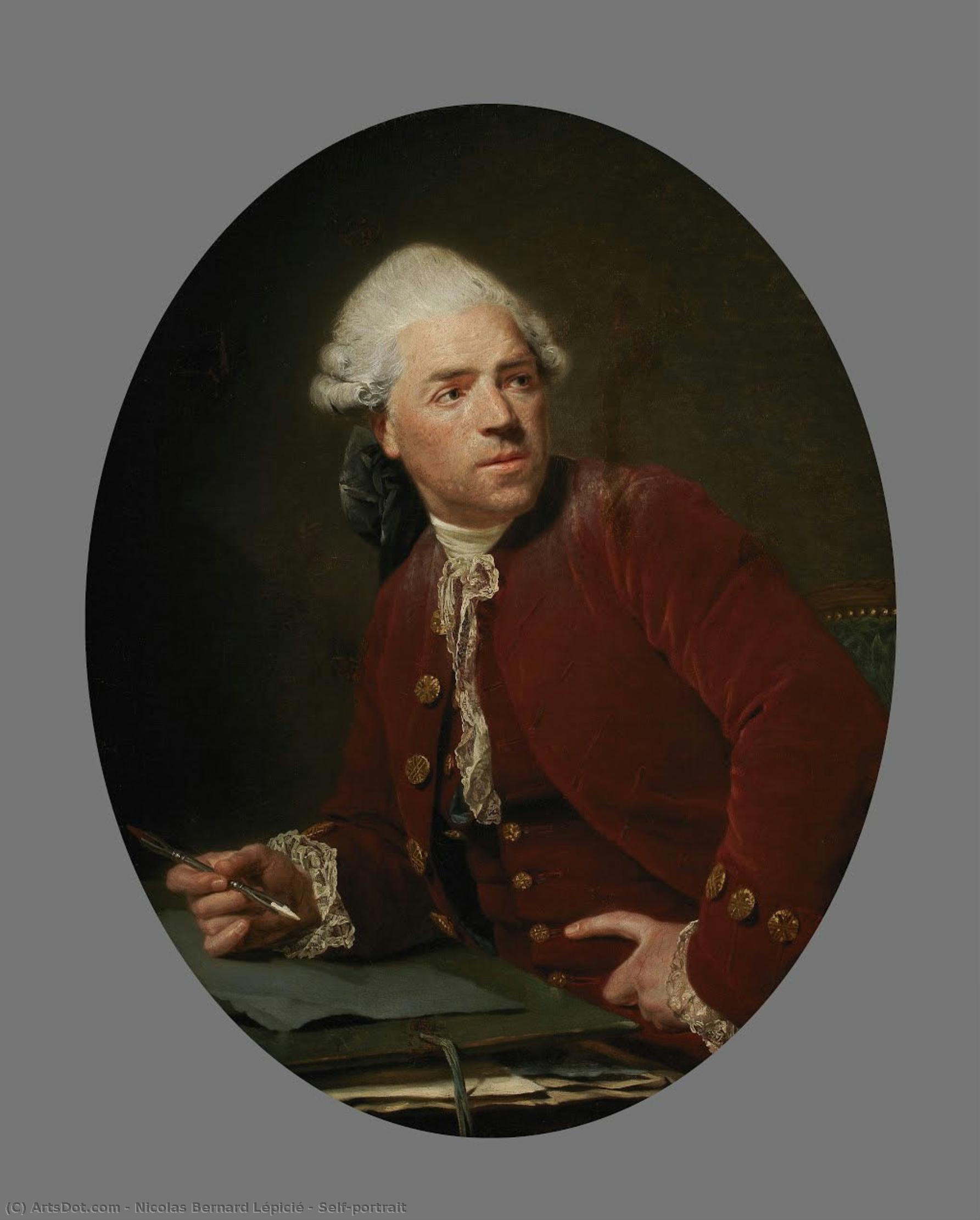
Self-portrait
 Acrylic On Canvas
- WallArt
- Rococo
 1777
1777 90.0 x 71.0 cm
 国立カルオステ・ギルベンキアン美術館
 詳細を見る
詳細を見る




P118B $10

P118H $10

P118W $10

P438Z $10

P508JH $12

P508YH $12

P805H $10

P805Z $10

P919BZ $10

P919G $10

P919XJ $10

P959ZH $10

P968JZ $12

W106C $8

W218G $10

W218JH $8

W218Y $10

W307PJ $10

W316G $10

W316PJ $8

W316Y $10

W398PJ $8

W4111J $10

W500HY $15

W500JH $15

W692G $12

W849H $8

W940BG $15

W953PJ $8




作品のオリジナル比率に合わせた、当店の規定サイズからお選びください。

特定のフレームやスペースに合わせて、ご希望のサイズをご入力いただけます。選択されたサイズが元の画像の比率と異なる場合、アートワークをトリミングするか、手描きで要素を追加して絵画を拡張いたします。デジタルモックアップ を制作し、制作開始前にご確認(承認)をいただきます。
画面上のプレビューは、実際のトリミングや拡張を正確に反映しているものではありません。最終的な構図は、モックアップによってのみ正確にご確認いただけます。
カスタムサイズもご利用いただけますが、元の比率を維持するためには、あらかじめ用意されたリストからサイズを選択することをお勧めいたします。
ご注文後、OriginalUniqueArt.com チームより詳細な指示をお送りするとともに、仕上がりイメージ(モックアップ)をご提供いたします。


 ガラスオプションは、110cm未満のサイズでのみご利用いただけます。

Self-portrait
複製技法
複製画のサイズ
-


合計金額
$ 300
作品解説
A Portrait of Refinement: Exploring Nicolas Bernard Lépicié’s Self-Portrait
The canvas holds a quiet dignity – a self-portrait by Nicolas Bernard Lépicié, completed in 1777 and exhibited at the prestigious Paris Salon. More than just a likeness, this painting embodies the spirit of Rococo elegance while subtly hinting at the stylistic shifts that would soon dominate European art history. Examining its details reveals not only artistic mastery but also a glimpse into the social milieu of Louis XV’s France – a world obsessed with beauty, ornamentation, and carefully cultivated appearances.Style and Technique: The Delicate Touch of Rococo
Lépicié's approach aligns perfectly with the prevailing aesthetic sensibilities of his time. Characteristic of the Rococo movement, the portrait eschews dramatic poses or forceful expressions in favor of an understated composure. The artist employs a soft brushstroke technique, layering translucent glazes to achieve a luminous quality that captures the subtle nuances of light and shadow. This meticulous attention to detail is evident in the rendering of fabrics – particularly the opulent crimson robe adorned with delicate lace – demonstrating Lépicié’s command of color and texture. The muted palette contributes to an overall atmosphere of serenity, reflecting the Rococo's preoccupation with idealized beauty and sensual pleasure.Historical Context: Versailles and Societal Expectations
The Salon of 1777 served as a cornerstone of artistic patronage and social prestige in France. Artists like Lépicié sought recognition from the royal court and influential members of Parisian society, striving to portray themselves – and often their families – within the framework of aristocratic ideals. The portrait speaks volumes about the values held dear during this era: intellectual pursuits were valued alongside refined manners and a cultivated taste for art. Furthermore, the inclusion of the quill pen symbolizes Lépicié’s engagement in scholarly endeavors—a deliberate gesture intended to elevate his status and convey an image of cultured sophistication.Symbolism Within the Composition
Beyond its technical brilliance, the self-portrait is laden with symbolic significance. The wig, a fashionable accessory for men during the period, represents social ambition and adherence to established conventions. Its placement atop Lépicié’s head underscores the importance of outward appearance in conveying status and respectability. Similarly, the crimson robe – a color associated with royalty and passion – symbolizes pride and confidence. However, it is perhaps the gaze directed at the viewer that holds particular interest. This directness conveys an air of self-assurance and invites contemplation about the artist’s inner life—a subtle challenge to traditional portraiture conventions that prioritized idealized representations over honest introspection.Emotional Impact: A Moment Frozen in Time
Despite its formal restraint, Lépicié's self-portrait possesses a palpable emotional resonance. The artist’s gaze conveys a quiet thoughtfulness, suggesting an awareness of his own identity and place within the broader context of his time. The painting captures not merely physical likeness but also something deeper – a sense of inner dignity and intellectual curiosity. It invites viewers to consider the complexities of human experience and appreciate the beauty found in understated elegance. Like many masterpieces of its era, Lépicié’s portrait transcends mere visual representation, offering a poignant glimpse into the soul of an artist striving for recognition within a society obsessed with appearances.アーティストの略歴
絵画に刻まれた生涯:ニコラ・ベルナール・レピシエの世界
1735年、版画の技法が息づくパリの芸術一家に生まれたニコラ・ベルナール・レピシエは、変革期を迎えていた18世紀フランス絵画において、重要な足跡を残した画家の一人です。彼の生涯は、まさに芸術様式の転換点と重なっていました。バロック様式の壮大さから離れ、ロココの繊細で親密な美学を受け入れながら、同時に、後に新古典主義を定義することとなる明晰さと形態への志向を予感させていたのです。シャルダンやフラゴナールといった同時代の巨匠たちほど、今日広くその名が知られているわけではありませんが、レピシエの作品は、革命前フランスの社会習慣や家庭生活を覗き見る魅力的な窓となります。そこには、時代を超えて観る者の心に響き続ける、繊細な感性と卓越した技術が宿っています。父フランソワ=ベルナール・レピシエは尊敬を集める版画家であり歴史家であり、母レネ=エリザベート・マルリエもまた版画師でした。幼いニコラにとって、視覚芸術の世界は日常そのものであったと言えるでしょう。この家族の基盤が、彼の芸術的軌道を決定づけたことは疑いようもありませんが、彼は最終的に画家として、彼自身の独自の道を切り拓いていったのです。芸術的発展と受け継がれた影響
レピシエの芸術的な旅路は、当時の重要人物であったカール・ヴァン・ルーに師事することから始まり、歴史画や肖像画の両面において、瞬く間にその才能を開花させました。しかし、彼が真にその真価を発揮したのは、日常の情景を描き出す「風俗画」という領域でした。彼のスタイルは、繊細な筆致、細部への緻密なこだわり、そして温かみのある自然な色彩によって特徴づけられます。何気ない瞬間の機微を捉える驚くべき能力を持ち、キャンバスに静かな親密さと心理的な深みを与えました。ジャン=バティスト=シメオン・シャルダンの影響は、レピシエの作品の中に鮮明に見て取ることができます。両者は、つつましい主題に対して尊厳と優雅さを与えて描くという共通の関心を持っていました。しかし、レピシエは単なる模倣者ではありませんでした。彼はフラゴナールの作品に見られるような、より遊び心のあるロココ的な感性も理解していましたが、それらを、後にフランス絵画を席巻する新古典主義的な美学へとつながる「明晰さと形態」への意識によって、巧みに抑制させていたのです。また、キャリアを通じてカール・ヴェルネをモデルとして頻繁に起用しており、これは18世紀の芸術界におけるアトリエでの実践と、相互の学びがいかに重要であったかを物語っています。主要作品と称賛
レピシエの作品群は多岐にわたる主題を含んでいますが、その中でも彼の技術とヴィジョンを象徴する傑作がいくつか存在します。例えば、Portrait de la famille Leroy (1766)では、家族の容貌だけでなく、一人ひとりの個性や関係性を驚くべき感受性で捉えた肖像画の才能が示されています。また、Adonis changé en anémone (c. 1768)やNarcisse (1771)といった神話的な場面では、複雑な構図と寓意的なテーマを技術的に習熟して扱う手腕が見て取れます。しかし、今日最も愛されているのは、おそらく彼の風俗画でしょう。Le lever de Fanchon (177なる)は、目覚める少女を描いており、光と質感の繊細な表現によって、穏やかで親密な空気感を見事に創り出しています。さらに、L'intérieur d'une douane (1775)は、当時のフランス社会の仕組みを垣間見せる貴重な資料であり、芸術作品に描かれがちな貴族階級の輪を超えた、日常の営みへの深い洞察を与えてくれます。彼のキャリアにおける大きな節目となったのは、1777年の王立アカデミー入会であり、これによりパリの芸術界における尊敬される画家としての地位を確固たるものにしました。遺産と歴史的意義
ニコラ・ベルナール・レピシエがフランス絵画に果たした貢献は、単に作品の美しさや技術的な巧みさだけにとどまりません。それは、18世紀の生活をきめ細やかに描き出した点にあります。彼の家庭生活や親密な場面への焦点は、当時のブルジョワジー(中産階級)の価値観の高まりを反映しており、サロン展を席巻していた壮大な歴史画や神話画に対する、見事な対位法としての役割を果たしました。彼は1784年、フランス革命という激動の出来事がフランスの芸術と社会の行く末を決定的に変えてしまう直前にこの世を去りました。今日、彼の名は同時代の有名な画家たちほど広く知られていないかもしれませんが、レピシエの作品は、その繊細さ、技術的習熟、そして過ぎ去った時代を呼び起こすような描写力において、今なお高く評価され続けています。彼の絵画は、革命前フランスにおける物質文化、社会習慣、そして人々の感情的な営みを伝える、極めて価値の高い歴史的ドキュメントなのです。- 彼の作品は、ルーヴル美術館やティッセン=ボルネミッサ美術館などの主要な美術館に収蔵されています。
- 彼は、後に新古典主義運動を形作ることとなる数人の著名な芸術家たちを指導しました。

ニコラ・ベルナール・レピシエ
1735 - 1784 , フランス
基本情報
- Artistic Movement Or Style: ロココ、新古典主義
- Artists Or Movements Influenced By This Artist:
- ヴェルネ
- レニュ
- ダンルー
- Artists Who Influenced This Artist:
- シャルダン
- フラゴナール
- カール・ヴァンロー
- Date Of Birth: 1735年
- Date Of Death: 1784年
- Full Name: ニコラ・ベルナール・レピシエ
- Nationality: フランス
- Notable Artworks:
- ルロワ家の肖像
- アポロに変わったアドニス
- ナルキッソス
- ファンションの起床
- 税関の内装
- Place Of Birth: フランス、パリ
関連記事

From Grandeur to Grace: Exploring the Evolution of Baroque & Rococo Art
Explore the captivating evolution from Baroque's drama to Rococo's grace! Discover key artists, characteristics & lasting influence of these art movements with expert insights at OriginalUniqueArt.

Baroque vs. Rococo: A Definitive Guide to the Drama of Grandeur and the Elegance of Grace
Explore the profound differences between Baroque drama and Rococo elegance. Our expert guide delves into art history, chiaroscuro, and the evolution of European masterpieces for collectors and enthusiasts seeking deep historical context.

The Rococo Aesthetic: Opulence, Rebellion & the Pursuit of Pleasure in 18th-Century Art
Explore the opulent world of Rococo art! Discover its origins, key artists like Watteau & Boucher, and lasting influence on design. Expert insights for collectors & enthusiasts.

華麗なるロココ:芸術史を彩る10大傑作の世界
華麗なるロココ美術の世界へ。バロックから生まれた優雅な芸術、その10大傑作を徹底解説!ブーシェ、フロマンなど巨匠たちの技と物語を紐解き、お部屋を彩るアートを見つけよう。OriginalUniqueArt.comで至高の美術館品質レプリカとインテリアアイデアを発見。
Simon Vouet: A Baroque Master's Journey from Italian Influence to French Classicism
Explore the life & art of Simon Vouet, a pivotal French Baroque painter who introduced Italian styles to France. Discover his masterpieces and lasting influence on 17th-century art.

