Text size

() ·

A painting made for you, by hand

Way to Shambala

手描き油彩複製画

当社のアーティストが、ご希望のサイズと額縁に合わせてキャンバスに手描きで制作する、オーダーメイドの油彩画です。 ( プリント版に切り替え デジタル画像販売へ切り替え)

作品解説

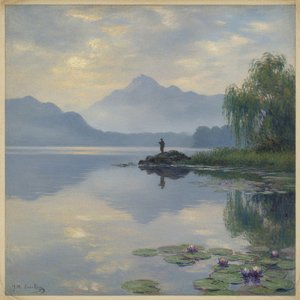
‘Way to Shambala’ is a 1933 Symbolism masterpiece by Nicholas Roerich depicting breathtaking Himalayan mountains under a vibrant purple sky. Featuring two prominent peaks and serene hills, this painting embodies Roerich's fascination with spirituality and nature.

アーティストの略歴

ロシアの画家ニコラス・ロエリヒは、シンボリズムとヒマラヤ風景を特徴とする神秘的な絵画で知られています。バレエ芸術家ディャギレフとのコラボレーションや文化遺産の保護活動で国際的に評価されています。

from ·

Chapter 1

How large should it be?

Slide to change the size; the picture on the left shows the frame at its real width. The proportions of the original are kept.

標準サイズ
オーダーメイド
CM
INCH

作品のオリジナル比率に合わせた、当店の規定サイズからお選びください。

横幅
高さ

フレームや壁のスペースに合わせて、ご希望の幅と高さを入力してください。本作品は手描きのため、異なる比率のサイズをご希望の場合、絵画の周囲を少し広げて描くか、あるいは端を少しカットして調整することが可能です。お客様のご要望に合わせます。制作を開始する前に、仕上がりを確認するためのデジタルモックアップをお送りいたします。このページに表示されている画像は完成品の実物ではなく、あくまでモックアップによるイメージです。

Chapter 2

How should it arrive?

Choose the edges of the stretched canvas

Choose your frame

Corner sample of the WhiteWrap canvas edge finish, stretched on 無垢材 bars
White ¥1
Corner sample of the BlurSideWrap canvas edge finish, stretched on 無垢材 bars
Blurside ¥1
Corner sample of the ExtendedWrap canvas edge finish, stretched on 無垢材 bars
Extended ¥1
Corner sample of the P118B picture frame: 成型ポリスチレン, 5 cm wide and 3 cm thick
P118B ¥10
Corner sample of the P118H picture frame: 成型ポリスチレン, 5 cm wide and 3 cm thick
P118H ¥10
Corner sample of the P118W picture frame: 成型ポリスチレン, 5 cm wide and 3 cm thick
P118W ¥10
Corner sample of the P438Z picture frame: 成型ポリスチレン, 5.5 cm wide and 3.5 cm thick
P438Z ¥10
Corner sample of the P508JH picture frame: 成型ポリスチレン, 7 cm wide and 3.5 cm thick
P508JH ¥12
Corner sample of the P508YH picture frame: 成型ポリスチレン, 7 cm wide and 3.5 cm thick
P508YH ¥12
Corner sample of the P805H picture frame: 成型ポリスチレン, 5 cm wide and 3.5 cm thick
P805H ¥10
Corner sample of the P805Z picture frame: 成型ポリスチレン, 5 cm wide and 3.5 cm thick
P805Z ¥10
Corner sample of the P919BZ picture frame: 成型ポリスチレン, 7 cm wide and 3.5 cm thick
P919BZ ¥10
Corner sample of the P919G picture frame: 成型ポリスチレン, 7 cm wide and 3.5 cm thick
P919G ¥10
Corner sample of the P919XJ picture frame: 成型ポリスチレン, 7 cm wide and 3.5 cm thick
P919XJ ¥10
Corner sample of the P959ZH picture frame: 成型ポリスチレン, 5 cm wide and 3 cm thick
P959ZH ¥10
Corner sample of the P968JZ picture frame: 成型ポリスチレン, 6 cm wide and 4 cm thick
P968JZ ¥12
Corner sample of the W106C picture frame: 無垢材, 5 cm wide and 3 cm thick
W106C ¥8
Corner sample of the W218G picture frame: 無垢材, 5 cm wide and 3 cm thick
W218G ¥10
Corner sample of the W218JH picture frame: 無垢材, 5 cm wide and 3 cm thick
W218JH ¥8
Corner sample of the W218Y picture frame: 無垢材, 5 cm wide and 3 cm thick
W218Y ¥10
Corner sample of the W307PJ picture frame: 無垢材, 6 cm wide and 3 cm thick
W307PJ ¥10
Corner sample of the W316G picture frame: 無垢材, 6 cm wide and 3 cm thick
W316G ¥10
Corner sample of the W316PJ picture frame: 無垢材, 6 cm wide and 3 cm thick
W316PJ ¥8
Corner sample of the W316Y picture frame: 無垢材, 6 cm wide and 3 cm thick
W316Y ¥10
Corner sample of the W398PJ picture frame: 無垢材, 5 cm wide and 3 cm thick
W398PJ ¥8
Corner sample of the W4111J picture frame: 無垢材, 6.5 cm wide and 3.5 cm thick
W4111J ¥10
Corner sample of the W500HY picture frame: 無垢材, 7 cm wide and 5 cm thick
W500HY ¥15
Corner sample of the W500JH picture frame: 無垢材, 7 cm wide and 5 cm thick
W500JH ¥15
Corner sample of the W692G picture frame: 無垢材, 8 cm wide and 4 cm thick
W692G ¥12
Corner sample of the W849H picture frame: 無垢材, 5 cm wide and 3 cm thick
W849H ¥8
Corner sample of the W940BG picture frame: 無垢材, 7.5 cm wide and 4.5 cm thick
W940BG ¥15
Corner sample of the W953PJ picture frame: 無垢材, 6 cm wide and 3.5 cm thick
W953PJ ¥8
Corner sample of the H24-GOLD picture frame: ジェッソ仕上げの木彫, 10 cm wide and 6 cm thick
H24-GOLD ¥30
Corner sample of the H24-SILVER picture frame: ジェッソ仕上げの木彫, 10 cm wide and 6 cm thick
H24-SILVER ¥30
Corner sample of the H36-GOLD picture frame: ジェッソ仕上げの木彫, 15 cm wide and 6.5 cm thick
H36-GOLD ¥45
Corner sample of the H36-SILVER picture frame: ジェッソ仕上げの木彫, 15 cm wide and 6.5 cm thick
H36-SILVER ¥45
額縁プレビュー
額装済み

Moulding: . Overall size with the frame: .

Chapter 3

Who paints it, and should anything change?

Examples of what can be changed: Replace face with customer photo; Add pet (e.g., replace cat with dog); Include hidden message in background; Change background landscape or elements.
After order, OriginalUniqueArt.com team will email client for instructions and provide a mockup preview

世界中への配送()は、通常の5週間ではなく、3〜4週間でお届けいたします。(2 11月)。品質には一切妥協いたしません。

Chapter 4

The finishing touches

A nameplate, as in a museum?

刻印入りブロンズプレートの詳細

This elegant plaque features the artist's name and the title of the artwork, finely engraved for a timeless presentation.

It is made from bronze with a refined, elegant finish. The text is precisely laser-engraved for a sharp and permanent result. Measuring 9x2 cm, the plaque is compact yet easy to read. It's built to be durable and scratch-resistant, offering a professional, museum-quality look. Mounting is simple thanks to the included adhesive backing.

透明アクリル銘板の詳細

The plaque includes essential engraved details such as the artist's name, the title of the artwork, the date it was created, the type of media used-like oil on canvas or watercolor-a brief description of the piece, and a QR code that links to the complete artwork information.

It is crafted from clear acrylic, offering a sleek, modern appearance. The text is UV-engraved in black to ensure strong visual contrast. With a size of 10x15 cm, it ensures optimal readability. It comes equipped with two metal hooks for secure wall mounting. The plaque is designed to be weather-resistant, making it suitable for various environments, and it includes interactive features that work seamlessly with smartphone scanning.

黒アクリル製銘板の詳細

This elegant plaque includes engraved information such as the artist's name, the title of the artwork, the date it was created, the type of media used (like oil on canvas or watercolor), a short description of the artwork, and a QR code for quick access to more information.

The plaque itself is made from refined black acrylic with a premium finish. The text is laser-engraved in white for high contrast and readability. Its size is 10x15 cm, designed to be easy to read. It comes with two metal hooks for professional mounting. The design is sleek and fits any interior style. It is also weather-resistant and durable, with built-in digital integration for mobile compatibility.

A protective varnish?

When do you need it?

Chapter 5

Your painting, as you ordered it

Way to Shambala

再現技法

複製画サイズ一覧

-

至高の熟練アーティスト

より細部までこだわった表現、洗練された技術、そして十分な制作時間

-

複製画用フレーム

-

-

いずれかの辺が105 cm(約41インチ)を超えるアートワークまたは複製画の場合、フレームは分解されたキットの状態でお届けいたします。この方法は、輸送中の破損を防ぎ、安全に配送するために採用しております。

組み立てには専門知識が必要です(DIY用製品ではありません)。
本キットは、経験豊富なプロの額装師が、木工用ボンド(別売)、キャンバス用プライヤー、およびボンドの乾燥時に桟を直角に保持するためのクランプを使用して、組み立ておよびキャンバスの張り作業を行う必要があります。不適切な組み立てやキャンバスの張りの不均一は、作品に永久的な損傷を与える恐れがあり、弊社の保証対象外となります。

  • すべての無垢材のパーツが含まれており、組み立てに最適なサイズに正確にカットされています。

  • 付属のネジを使用し、角の接合部には別途木工用ボンドをご用意ください(ボンドは付属しておりません)。ボンドは額装業者様にてご手配をお願いいたします。

  • プロ仕様の道具が必要ですが、キットには含まれていません:キャンバス用ストレッチングプライヤー(テンショナー)、および接着剤が乾燥するまで木枠を直角に固定するためのクランプ。

重要:
コーナーの接合部には木工用ボンドが必要です。また、ボンドが完全に乾くまでクランプでバーを固定しておく必要があり、組み立てたフレームにキャンバスを張るにはキャンバス用ストレッチングプライヤーが必要となります。これらの道具はキットに含まれておりません。このサイズをご注文される前に、経験豊富なプロの額装師(フライマー)の手配をお願いいたします。

キャプション

-

-

保護用ワニス

光沢ワニス(色彩を鮮やかに引き立て、光や湿気から保護します)

-

作品をカスタマイズ

カスタマイズの例:顔をお客様の写真に差し替える、ペットを追加する(例:猫を犬に変更)、背景に隠しメッセージを入れる、背景の風景や要素を変更する。

-

お急ぎ便

世界中への配送()は、通常の5週間ではなく、3〜4週間でお届けいたします。(2 11月)。品質には一切の妥協を許しません。

-

お急ぎ便

世界中への配送()は、5週間ほどでお届けします。(9 11月)。

込み

合計金額

¥ 47312

合計金額 ¥ 47312

ガラスオプションは、110cm未満のサイズでのみご利用いただけます。

Included with every order

  • 世界中へ無料エクスプレス配送
  • 高品質なリネンキャンバス
  • 配送時完全保険付
  • 関税・輸入税の払い戻し保証
  • 真の色彩再現に関する保証
  • 100日間返品保証(製造上の欠陥がある場合のみ)
  • 100% 全額返金保証
  • まとめ買い割引のご案内

Way to Shambala – A Journey Through Symbolism

Nicholas Roerich’s “Way to Shambhala” stands as a monumental testament to the artist's profound engagement with Eastern mysticism and his unwavering belief in the interconnectedness of humanity and nature. Painted in 1933, during a period marked by fervent exploration of shamanic traditions and spiritual quests, this tempera on canvas masterpiece embodies Roerich’s distinctive Symbolism style—a movement characterized by its deliberate use of color, form, and imagery to convey abstract ideas and emotions rather than literal representations. The painting transports the viewer into a breathtaking Himalayan landscape dominated by towering peaks bathed in an ethereal purple sky, instantly establishing a mood of serenity and grandeur.
  • Composition: Roerich meticulously crafted a panoramic vista emphasizing horizontal lines, mirroring the expansive horizons of the Himalayas and symbolizing continuity and transcendence. Two prominent mountains dominate the scene on either side, representing stability and resilience amidst the turbulent forces of change—a recurring motif in Roerich’s oeuvre.
  • Color Palette: The dominant hue is a deep violet – purple – which Roerich himself termed “Shambhala Violet,” reflecting his conviction that it embodies the essence of Shambhala, the mythical paradise at the center of Tibetan Buddhism and shamanic cosmology. Accompanying shades of ochre and crimson punctuate the canvas, symbolizing vitality and spiritual illumination.
  • Technique: Roerich employed a layered technique—applying thin washes of pigment followed by thicker impasto strokes—to achieve remarkable textural depth and luminosity. This meticulous approach allowed him to capture not only the visual splendor of the mountains but also their vibrational energy, aligning with Roerich’s belief in the power of art to influence consciousness.

Historical Context & Roerich's Visionary Beliefs

Roerich’s artistic endeavors were inextricably linked to his spiritual explorations and his fervent advocacy for Agni Yoga—a mystical system he developed based on Hindu and Buddhist principles. Inspired by Tibetan shamanic rituals and the legends surrounding Shambhala, Roerich envisioned this landscape as a gateway to enlightenment—a symbolic representation of humanity's journey toward inner peace and cosmic harmony. The painting reflects Roerich’s conviction that art could serve as a catalyst for spiritual transformation, mirroring his broader philosophical stance on the importance of uniting science and mysticism.
  • Influence of Tibetan Buddhism: Roerich drew inspiration from Tibetan Buddhist cosmology, particularly the concept of Shambhala—a hidden paradise believed to exist beyond conventional perception—and its symbolic representation as a mountain range shrouded in mist.
  • Symbolism Beyond Landscape: The mountains themselves are imbued with profound symbolism, representing stability, aspiration, and the ascent toward spiritual realization. Roerich’s meticulous attention to detail—the subtle gradations of color, the textured surface—aimed to evoke an emotional response that transcends mere visual representation.
  • Roerichism: The painting exemplifies Roerich's overarching artistic philosophy known as Roerichism—a synthesis of Eastern mysticism and Western science—which sought to unlock the hidden potential of human consciousness through art and ritual.

Emotional Impact & Artistic Legacy

“Way to Shambhala” transcends its formal qualities, captivating viewers with its palpable sense of awe and wonder. Roerich’s masterful depiction of Himalayan grandeur evokes feelings of tranquility, contemplation, and reverence—a testament to the artist's ability to translate spiritual experience into visual form. The painting continues to resonate with audiences today as a symbol of hope for humanity’s future—a reminder that beauty, harmony, and enlightenment can be found in embracing both inner reflection and engagement with the natural world. Its enduring appeal underscores Roerich’s legacy as one of the most influential artists of the 20th century, whose work remains profoundly relevant to contemporary concerns about environmental stewardship and spiritual renewal.

Reproductions & Further Exploration

High-quality reproductions of “Way to Shambhala” are available from reputable art dealers and online platforms like WikiArt.com, allowing enthusiasts worldwide to experience the painting’s breathtaking beauty and symbolic depth. For a deeper understanding of Roerich's artistic vision and his contribution to Symbolism, consider visiting the Nicholas Roerich Museum in New York City or delving into scholarly publications exploring his life and work.

Q&A

ニコライ・ロエリヒ作「Way to Shambala」は、お部屋にどのような彩りを添えてくれるでしょうか?

ニコライ・ロエリヒ作「Way to Shambala」はMysticalな雰囲気を纏っており、Living Roomに飾るのがおすすめです。作品が周囲の空間にもたらすムードをお楽しみください。

「Way to Shambala」の作者は誰ですか?

「Way to Shambala」はニコライ・ロエリヒによる作品です。このページでは、ニコライ・ロエリヒのオリジナル作品についてご紹介しています。

ニコライ・ロエリヒ作「Way to Shambala」の来場者の属性(統計データ)はどこで確認できますか?

ニコライ・ロエリヒ作「Way to Shambala」に関する統計情報は、作品の閲覧統計ページでご確認いただけます。こちらでは、作品の月間訪問数、アーティストの作品への訪問数、および最近の訪問者の国別・言語別の内訳をご覧いただけます。

More about this painting

設置イメージを表示 ARで試着 プリント版に切り替え デジタル画像販売へ切り替え シェアする

詳細を見る ガイドを表示 お気に入りに追加 ダウンロード 似ている作品 X線調査 スライドショーを表示 Q&A 統計情報

In numbers

  • 1933the year it was painted
  • 29frames to choose from
  • standard sizes, in its own proportions
  • 5weeks to paint and deliver it
ニコライ・ロエリヒ

ニコライ・ロエリヒ

1874 - 1947, ロシア

Quick facts about ニコライ・ロエリヒ

  • フルネーム: ニコライ・コンスタンチノヴィチ・ロエリヒ
  • 主な作品:
    • 聖ニコライ
    • 都市
    • ナーガスの湖
  • 出生地: サンクトペテルブルク、ロシア
  • 国籍: ロシア人
  • 影響を与えたアーティストまたは運動: ['ロシア象徴主義']
  • 影響を受けたアーティスト: ['セルゲイ・ディアギレフ']
  • 死亡年月日: 1947年12月13日
  • 生年月日: 1874年10月9日
  • 芸術運動またはスタイル: 象徴主義、精神的芸術

作家プロフィール

ニコライ・ロエリヒ:芸術と精神の融合

ニコライ・コンスタンティノヴィチ・ロエリヒは、1874年10月9日、ロシア帝国の文化の中心地であったサンクトペテルブルクに生まれました。彼は単なる画家ではありませんでした。考古学者、作家、哲学者であり、平和と文化遺産の保護を熱心に訴えかけた公的人物でもありました。彼の育ちは、父親が法務官であり知的な厳格さと母親による芸術への深い理解によって支えられ、多才なキャリアの基盤となりました。1893年からは、サンクトペテルブルク大学で法学と美術を同時に学び、世界に対する幅広い理解への初期からのコミットメントを示しました。この二つの道は矛盾するものではなく、むしろ芸術的ビジョンには歴史的文脈と知的規律が必要であるという信念を反映していました。1897年に画家としての資格を取得し、翌年には法学の学位を取得し、創造的な探求と合理的な行動の両方に捧げられた人生への舞台を設定しました。

象徴主義と劇場革新への誘い

ロエリヒの芸術的発展は、感情と精神の深さを喚起するために暗示的なイメージや形態を用いるロシア象徴主義という潮流によって深く形作られました。彼はすぐにセルゲイ・ディアギレフの影響力のある「世界芸術」協会の活動に積極的に参加し、1910年から1916年までその अध्यक्षताを務めました。この連携は画期的であり、ロシアの芸術風景を再定義していた革新的なアーティスト、作曲家、思想家のネットワークへの露出をもたらしました。彼の初期作品には考古学と舞台デザインへの関心が明らかになり、ディアギレフのバレエ・リュスのとの画期的なコラボレーションにつながりました。アレクサンドル・ボロディンの『イゴール王子』(1909)や、最も有名なイーゴリ・ストラヴィンスキーの革命的な『春の祭典』(1913)のデザインは単なる背景ではなく、劇場体験に不可欠な要素でした。彼は綿密な歴史的調査と大胆な想像力を組み合わせ、音楽と振付の感情的な力を増幅させる視覚的に素晴らしい環境を作り出しました。これらのデザインは単に装飾的なものではなく、神話と精神性への象徴主義者の関心を反映して、原始的な力と古代の儀式を喚起しようとする試みでした。彼の作品はまた、ヘレナ・ブラヴァツキーの『シークレット・ドクトリン』などの異端の著作や中世の秘密結社文献の影響を受けており、芸術的創造に深遠な神秘主義的な意味合いを加えるものでした。

神秘主義とヒマラヤへの旅路

ロエリヒのキャリアが進むにつれて、彼の絵画は大きな変化を遂げ、神秘的で精神的なテーマをますます取り入れるようになりました。このシフトは、すべてのものの相互接続性と内なる知恵の追求を強調する、心霊哲学や東洋宗教に対する彼の関心の高まりによって促進されました。1904年から1905年にかけての『建築研究』シリーズは、彼の考古学への関心を反映しているだけでなく、紛争時に芸術を保護することへの後の提唱を予感させるものでした。彼の作品には、雄大な風景、謎に包まれた古代都市、精神的な重要性を持つ人物など、反復するモチーフが現れ始めました。特にヒマラヤ山脈は、単なる地理的場所ではなく、深遠な精神力と啓蒙の領域を表す中心的主題となりました。彼は中央アジアを広範囲にわたって旅行し、古代文化を記録しながら考古学的な調査を行い、彼の芸術的ビジョンに深く影響を与え、すべての文化に対する相互理解の重要性を強化しました。

遺産:保存への献身と永続的な影響

ニコライ・ロエリヒはキャンバスを超えた活動にも積極的に取り組みました。彼は紛争時に芸術と建築を保護するための熱心な提唱者でした。文化的財の脆弱性を認識し、1935年に文化財の破壊から保護することを目的とした国際条約であるロエリヒ協定を推進しました。このイニシアチブは彼にノーベル平和賞への複数のノミネートをもたらし、彼の深い人道的精神を強調しました。彼のたゆまぬ努力は、過去を理解するためだけでなく、より平和な未来を築くためにも文化的遺産を保存することが不可欠であるという信念を示していました。今日、ロエリヒの作品は世界中の著名な美術館に展示されており、アストラハニ州立絵画館やニューヨーク市のニコライ・ロエリヒ博物館で特に注目されています。彼のロシア芸術と文化への影響は計り知れません。彼は芸術的表現と精神的な探求の間のギャップを埋め、彼の先見の明のあるアプローチで世代を超えてアーティストや思想家に影響を与えました。彼は画家であるだけでなく、学者、人道家であり、文化的遺産の保存のための希望の灯台として記憶されています。

主要作品と継続的な関連性

  • 聖ニコライ:中世芸術と紋章記号を詳細に描いたモノクローム壁画。
  • 都市:彼の考古学への関心を反映した、古代の都市景観の喚起的な描写。
  • ナーガ湖:象徴主義と自然をブレンドしたテンペラ絵画で、彼のユニークな芸術的ビジョンを例証しています。
ロエリヒの遺産は今日でも共鳴し続けています。文化的紛争や環境問題が蔓延する時代において、彼の保存への提唱はこれまで以上に重要に感じられます。彼の芸術は私たちに存在の神秘、精神性の力、そして私たちが共有する人類の遺産を保護することの重要性を考察するように誘い、平和、理解、すべての文化に対する敬意という不朽のメッセージを提供しています。

作品詳細

  • Title: Way to Shambala
  • Medium: Tempera on Canvas
  • Influences: Russian Cosmism
  • Location: Nicholas Roerich Museum, New York City, NY
  • Notable elements or techniques: Detailed mountain landscape; Mystical symbolism

アート・クイズ

各質問の正解は1つのみです。

設問 1:
What artistic style is ‘Way to Shambala’ primarily associated with?
設問 2:
The painting depicts a mountainous landscape. Where was Nicholas Roerich inspired to create this artwork?
設問 3:
What medium did Nicholas Roerich use to produce ‘Way to Shambala’?
設問 4:
Who collaborated with Roerich on the libretto and sets for the ballet “Rite of Spring”?
設問 5:
What is a key thematic element explored in Roerich’s artwork ‘Way to Shambala’?