

 設置イメージを確認
 送る
送る シェア
シェア
 詳細情報
詳細情報 ガイドを表示

 画像をダウンロード
 似ている作品
 X線調査
X線調査 スライドショー
 統計情報
統計情報The Outsider
 Expressionism
 100.0 x 50.0 cm
 Barjeel Art Foundation
 続きを読む
続きを読む
このページに掲載されている作品は著作権法によって保護されており、当社の許可なく同一の複製物を制作または販売することは法律で禁じられています。この保護は、以下のような国際条約に基づき執行されます。 ベルヌ条約 および、以下の条項に定められたものを含む各国の法律により、 米国著作権法 第17編。
敬意を払った法的な代替手段として、私たちはオリジナルにインスピレーションを与えられた、カスタムの手描きアートワークを提供しています。私たちの熟練したプロのアーティストは、元の作品が持つスタイル、情緒、そして芸術的なエッセンスを注意深く研究し、独自の創作物でありながら、同じ感性を呼び起こすような、新しくユニークな作品を作り上げます。
この手法は、著作権で保護された作品の複製や複写を伴わないため、著作権法に完全に準拠しています。これは単なる模倣ではなく、創造的な再解釈です。元の作品からインスピレーションを受けつつも、それとは異なる、全く新しい絵画を生み出すものです。
手描き油彩複製画
当社のアーティストが、お客様のご希望のサイズと額縁に合わせて、キャンバスに手描きで制作する油彩画です。 ( プリント版に切り替え デジタル画像販売へ切り替え)




































作品のオリジナル比率に合わせた、当店の規定サイズからお選びください。

フレームや壁のスペースに合わせて、ご希望の幅と高さを入力してください。本作品は手描きのため、異なる比率のサイズをご希望の場合、絵画の周囲を少し広げて描くか、あるいは端を少しカットして調整することが可能です。お客様のご要望に合わせます。制作を開始する前に、仕上がりを確認するためのデジタルモックアップをお送りいたします。このページに表示されている画像は完成品の実物ではなく、あくまでモックアップによるイメージです。
ご注文後、OriginalUniqueArt.com チームより詳細な指示をお送りするとともに、仕上がりイメージ(モックアップ)をご提供いたします。


 ガラスオプションは、110cm未満のサイズでのみご利用いただけます。

The Outsider
再現技法
複製画サイズ一覧
-


合計金額
¥ 47267
アーティストについて
Early Life and Artistic Foundations
Nazir Nabaa, born in Damascus, Syria, in 1938, emerged as a pivotal figure in the landscape of modern Syrian art—an artist whose work eloquently bridges the ancient visual heritage of his homeland with the currents of contemporary thought. His early life was steeped in the traditions of a simple, familial existence; his father’s diverse occupations and his mother's artistry as an embroiderer provided fertile ground for Nabaa’s nascent creativity. Even as a young boy, he demonstrated a remarkable inclination towards visual expression, adorning his mother’s embroidery with imaginative flourishes that hinted at the symbolic depth to come. This early encouragement, particularly from his professor Nazem al-Jaafari, culminated in a competitive exhibition showcasing a watercolor work when Nabaa was just fourteen years old—a testament to his innate talent and burgeoning artistic vision.
Nabaa’s formal training began in 1959 at the College of Fine Arts in Cairo, a period coinciding with the United Arab Republic. This formative experience exposed him to a vibrant artistic milieu and introduced him to influential figures like Hussein Bicar, Hamid Nada, and Abdel Hadi Al-Gazzar, whose guidance helped refine his painting techniques. He found resonance within Egyptian art, viewing it as a close cultural counterpart to Syria, and developed a style rooted in heroic realism, often focusing on themes of social justice and labor.
A Synthesis of Tradition and Modernity
Returning to Syria in 1964, Nabaa embarked on a period of exploration and pedagogical engagement. Teaching drawing in the remote schools of Deir Ezzor allowed him to immerse himself in the region’s rich history, particularly the remnants of Sumerian civilization. This immersion profoundly impacted his artistic trajectory, leading him away from strict realism towards a more rebellious, expressionistic style imbued with contemplative depth. His first solo exhibition in Damascus in 1965 marked a turning point, showcasing works inspired by the rugged landscapes and ancient narratives of Deir Ezzor—a bold statement that resonated within the local art scene.
The subsequent move to Damascus in 1968 saw Nabaa become deeply involved in politically charged creative projects. He lent his artistic talents to progressive causes, designing posters, contributing to puppet theater, and engaging in critical discourse about art’s role in social mobilization. This period underscored a commitment to using art as a vehicle for change—a theme that would continue to permeate his work throughout his career.
Parisian Refinement and Mature Style
From 1971 to 1974, Nabaa pursued further studies at the École Nationale Supérieure des Beaux-Arts in Paris. This experience broadened his artistic horizons, exposing him to new techniques and perspectives while simultaneously reinforcing his commitment to blending ancient visual culture with modern themes. Upon returning to Damascus, he joined the faculty of the College of Fine Arts at Damascus University, dedicating himself to nurturing a new generation of Syrian artists.
Nabaa’s mature style is characterized by its evocative symbolism and masterful use of color and texture. His best-known works often feature depictions of Arab women set against rich Oriental backdrops—archetypal representations that serve as potent symbols of homeland, history, and national identity. As regional conflicts intensified, his subject matter evolved to address pressing political issues such as the Palestinian crisis, the Lebanese Civil War, and the American invasion of Iraq.
Recognition and Legacy
Throughout his career, Nazir Nabaa received numerous accolades for his artistic achievements. He was honored with the Judges Panel’s Award at the Alexandria Biennial in 1968, a Diploma at the Bratislava International Exhibition in 1979, and another Judges Panel’s Award at the Cairo International Biennial in 1995—testaments to his growing international recognition. His work has been exhibited at prestigious institutions such as the Jordan National Gallery of Fine Arts and is held in prominent collections including those of Jalanbo Collection, Barjeel Art Foundation and Dalloul Art Foundation.
Nazir Nabaa passed away in 2016, leaving behind a rich artistic legacy that continues to inspire. He is remembered as a pioneer of modern Syrian art—an artist who fearlessly explored the complexities of his cultural heritage while remaining deeply engaged with the social and political realities of his time. His paintings are not merely aesthetic objects; they are powerful statements about identity, history, and the enduring human spirit.

Nazir Nabaa
1938 - 2016 , Syrian Arab Republic
アーティスト情報
- Full Name: Nazir Nabaa
- Nationality: Syrian
- Date Of Birth: 1938
- Date Of Death: 2016
- Place Of Birth: Damascus, Syrian Arab Republic
- Notable Artworks: ['The Outsider']
- Artistic Movement Or Style: Modern Syrian art
関連記事

Oil on Canvas: A Historical & Technical Exploration of a Timeless Artistic Medium
Explore the rich history & enduring techniques of oil painting on canvas. Discover the science behind its longevity, conservation practices, and contemporary relevance. Expert insights for art enthusiasts.

The Enduring Power of Painting: A Historical & Contemporary Exploration of Form and Emotion
Explore the rich history & enduring techniques of oil painting with OriginalUniqueArt. Discover masterpieces, learn about art collecting, and find authentic handmade reproductions crafted by skilled artists.
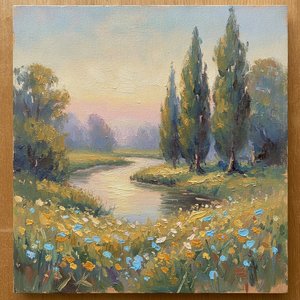
The Timeless Charm of Oil on Board: Reimagining Texture and Light through the Impressionist Lens
Discover the profound intimacy of oil on panel. Explore how Impressionist masters used rigid supports to capture light, texture, and impasto depth through exquisite, handmade oil reproductions for discerning collectors.

油彩のキャンバス:技法、歴史、そして現代の実践 - 古典美術愛好家へ
油彩の技法、歴史、巨匠たちの秘密を徹底解説。古典美術愛好家向けに、初期フランドル絵画から現代の実践まで深く掘り下げます。OriginalUniqueArtで高品質な複製画やカスタムオーダーも承ります。

The Enduring Legacy of Oil on Canvas: Technique, History & Aesthetic Impact
Explore the rich history & techniques of oil painting – from Renaissance masters to Impressionism. Discover pigments, layering methods, and why this timeless medium endures. Expert insights for artists & art enthusiasts.