

 プリントを購入
 シェアする
シェアする シェアする
シェアする
 詳細を見る
詳細を見る

 ダウンロード
 似ている作品
 スライドショー
Variability of Similar Forms


 詳細を見る
詳細を見る




































作品のオリジナル比率に合わせた、当店の規定サイズからお選びください。

特定のフレームやスペースに合わせて、ご希望のサイズをご入力いただけます。選択されたサイズが元の画像の比率と異なる場合、アートワークをトリミングするか、手描きで要素を追加して絵画を拡張いたします。デジタルモックアップ を制作し、制作開始前にご確認(承認)をいただきます。
画面上のプレビューは、実際のトリミングや拡張を正確に反映しているものではありません。最終的な構図は、モックアップによってのみ正確にご確認いただけます。
カスタムサイズもご利用いただけますが、元の比率を維持するためには、あらかじめ用意されたリストからサイズを選択することをお勧めいたします。
ご注文後、OriginalUniqueArt.com チームより詳細な指示をお送りするとともに、仕上がりイメージ(モックアップ)をご提供いたします。


 ガラスオプションは、110cm未満のサイズでのみご利用いただけます。

Variability of Similar Forms
複製技法
複製画のサイズ
-


合計金額
$ 300
Variability of Similar Forms – A Meditation on Bone and Transformation
Nancy Graves’ “Variability of Similar Forms,” created in 1970, stands as a pivotal work within the trajectory of Minimalist sculpture while simultaneously retaining an undeniable connection to the broader currents of Surrealism and Zoology. The piece isn't merely aesthetically striking; it’s imbued with layers of conceptual significance that invite contemplation on themes of decay, regeneration, and the interconnectedness of life forms across geological time scales. Presented by the Detroit Institute of Arts (DIA), this monumental sculpture—measuring 86 inches × 144 inches × 16 feet—immediately commands attention with its sheer scale and deliberate arrangement of bleached animal bones.Materiality and Technique – Embracing Imperfection
The sculpture’s construction is deceptively simple, yet profoundly sophisticated. Graves utilized steel armature to support a dense assemblage of Pleistocene skeleton fragments—primarily deer bones—alongside carefully positioned sheep and goat skin patches. This technique reflects Graves' fascination with the physicality of materials and her willingness to embrace imperfection as an integral element of artistic expression. The surface finish is deliberately rough, achieved through meticulous sanding and polishing, which emphasizes the texture of the bone itself and contrasts sharply with the smooth expanse of gray acrylic paint that coats the base. This textural juxtaposition underscores Graves’ preoccupation with confronting viewers with the tangible realities of existence—the marks left by time and circumstance on organic matter.Historical Context – Minimalist Dialogue with Surrealism
“Variability of Similar Forms” emerged during a period of intense artistic experimentation following World War II, when Minimalism sought to strip away extraneous ornamentation and reduce art to its essential geometric forms. However, Graves’ work transcends the boundaries of Minimalism by incorporating elements reminiscent of Surrealist imagery—specifically, the evocative juxtaposition of disparate materials and textures. Like Marcel Duchamp's readymades, which challenged conventional notions of artistic creation, Graves’ sculpture disrupts expectations about sculptural form through its unconventional assemblage process. The bones themselves are not idealized representations of animal anatomy but rather fragments of fossilized skeletons—a deliberate reference to paleontological discoveries that captivated the intellectual imagination of the era and fueled speculation about the history of life on Earth.Symbolism – Bones as Vessels of Memory
The choice of bone as sculptural material carries considerable symbolic weight. Throughout human culture, bones have served as emblems of mortality, transformation, and ancestral lineage—representing the cyclical nature of existence and the enduring legacy of past generations. Graves’ meticulous arrangement of the bones—standing alone and overlapping—suggests a deliberate attempt to capture this sense of temporal continuity. Furthermore, the gray acrylic paint serves as an understated counterpoint to the bone fragments, symbolizing the pervasive influence of geological forces on organic life forms. The sculpture invites viewers to consider the profound connections between individual organisms and the broader environment, prompting reflection on themes of vulnerability, resilience, and the inevitability of decay—processes that ultimately contribute to renewal and rebirth.Emotional Impact – Confronting Mortality with Quiet Elegance
Ultimately, “Variability of Similar Forms” possesses a remarkable ability to evoke contemplation without resorting to overt emotional expression. Its austere aesthetic—characterized by simplicity and restraint—creates an atmosphere of solemn beauty that compels viewers to confront the realities of mortality. Yet, there’s no sense of despair or melancholy; rather, the sculpture conveys a feeling of acceptance—a recognition that death is not an end but merely a transition into another phase of existence. Like many works of art produced during the Minimalist movement, Graves' piece prioritizes intellectual engagement over sentimental indulgence, leaving viewers with a lingering impression of profound stillness and contemplative wonder. It’s a testament to Graves’ artistic vision—a celebration of both form and concept that continues to resonate powerfully today.関連記事

Bronze Sculptures That Defined Art History | OriginalUniqueArt
Journey through art history with our Top 10 bronze sculptures! Explore masterpieces by Rodin, Michelangelo & more. Discover stories behind iconic statues and find museum-quality reproductions for your home decor at OriginalUniqueArt.com.

The Enduring Form: Exploring Themes & Techniques in Sculpture Across Historical Periods
Explore the rich history of sculpture from ancient masterpieces to contemporary innovations. Discover key techniques, influential artists & investment potential for discerning art collectors.

The Enduring Form: Sculpture Across History, Technique & Emotional Resonance
Explore the rich history of sculpture with OriginalUniqueArt. Discover key techniques, influential artists & investment potential for discerning collectors. Expert insights into valuing and collecting timeless masterpieces.

Bronze Age to Modern Masters: 10 Sculptures That Redefined Art | OriginalUniqueArt
Journey through art history with 10 legendary bronze sculptures – from Michelangelo's David to Rodin’s Thinker. Explore the stories, techniques & timeless beauty of these masterpieces. Find museum-quality reproductions & elevate your home decor on OriginalUniqueArt.com.
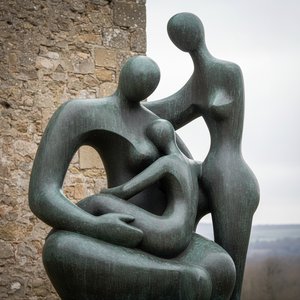
Henry Moore: Sculpting Modernity – Form, Emotion & the Human Condition
Explore the revolutionary sculptures of Henry Moore – abstract forms, reclining figures & powerful expressions of the human condition. Discover his legacy & artistic process with OriginalUniqueArt.

