

 プレビュー
プレビュー
 シェアする
シェアする シェアする
シェアする
 詳細を見る
詳細を見る

 ダウンロード
 似ている作品
 X線調査
X線調査 スライドショー
Title translation: Wedding Portrait


 詳細を見る
詳細を見る
ジークレー/アートプリント
迅速な制作と多彩な仕上げオプションを備えた、ミュージアムクオリティのジークレーまたはキャンバスプリント。 ( 手描きの絵画を購入 画像を購入)




P118B $10

P118H $10

P118W $10

P438Z $10

P508JH $12

P508YH $12

P805H $10

P805Z $10

P919BZ $10

P919G $10

P919XJ $10

P959ZH $10

P968JZ $12

W106C $8

W218G $10

W218JH $8

W218Y $10

W307PJ $10

W316G $10

W316PJ $8

W316Y $10

W398PJ $8

W4111J $10

W500HY $15

W500JH $15

W692G $12

W849H $8

W940BG $15

W953PJ $8




作品のオリジナル比率に合わせた、当店の規定サイズからお選びください。

特定のフレームやスペースに合わせて、ご自身でサイズを指定することも可能です。選択されたサイズが元の画像の比率と一致しない場合、作品をトリミングするか、鏡面反射または単色での塗りつぶしによって画像を拡張いたします。制作を開始する前に、ご確認用のデジタルモックアップをお送りいたします。
画面上のプレビューには、実際のトリミングや拡張は反映されませんのでご注意ください。最終的な構図を正確に確認できるのは、モックアップのみとなります。
カスタムサイズも承っておりますが、元の比率を維持するためには、あらかじめ用意されたリストからサイズを選択することをお勧めいたします。


 ガラスオプションは、110cm未満のサイズでのみご利用いただけます。

Title translation: Wedding Portrait
ジークレー/アートプリント
複製画のサイズ
-


合計金額
$ 80
作品詳細説明
A Celebration of Union and Identity
In the evocative masterpiece Wedding Portrait, created in 1992 by the renowned Mexican artist Nahum B. Zenil, we are invited into a deeply intimate moment of communal joy and personal significance. The painting captures a wedding ceremony, not merely as a social ritual, but as a profound tableau of human connection. At the heart of the composition stands the bride and groom, anchored by their radiant presence amidst a carefully arranged assembly of family members. The bride, draped in a pristine white dress, serves as a luminous focal point, while the groom, poised in his formal suit, completes the central axis of this matrimonial union. Surrounding them, a tapestry of figures—ranging from solemn adults to curious children—creates a sense of generational continuity and shared heritage.
The arrangement of the figures is masterfully orchestrated to guide the viewer's eye through the emotional landscape of the scene. To the left of the bride, a solitary figure stands in quiet contemplation, while behind her, another presence adds depth to the familial circle. On the right side of the groom, a trio of individuals completes the group, their poses suggesting the staged yet heartfelt nature of a family photograph. This deliberate positioning creates a sense of enclosure and protection around the central couple, emphasizing that this union is supported by the very fabric of their community.
The Visionary Hand of Nahum B. Zenil
To understand the profound impact of Wedding Portrait, one must consider the artistic lineage of its creator. Nahum B. Zenil, a pivotal figure in the Neomexicanismo movement, brings a unique psychological depth to this work. His training at the prestigious La Esmeralda National School of Fine Arts is evident in the meticulous technique and the controlled, academic precision with which he renders the subjects. However, Zenil transcends mere academic realism by infusing his work with themes of mestizism—the complex blending of indigenous and European identities that defines much of Mexican culture.
In this particular piece, the artist utilizes a style that balances the clarity of portraiture with a symbolic richness. The way light interacts with the textures of the wedding attire and the skin tones of the participants suggests a mastery over medium that captures both the physical reality and the spiritual weight of the occasion. For collectors and interior designers, this painting offers more than just visual beauty; it provides a window into the artist's lifelong exploration of marginalized voices and the complexities of national identity, making it a conversation piece of immense intellectual and emotional value.
An Enduring Legacy for the Discerning Collector
For those seeking to adorn a space with art that resonates on a visceral level, Wedding Portrait offers an unparalleled opportunity. The painting functions as a powerful symbol of stability, love, and the enduring strength of family bonds. Its composition is balanced and harmonious, making it an ideal centerpiece for sophisticated interiors where one wishes to evoke feelings of warmth, tradition, and cultural depth.
Whether viewed as a study in social portraiture or as a profound statement on the beauty of human connection, this work remains timeless. The emotional resonance of the joy captured within this 1992 creation continues to captivate contemporary audiences, offering a sense of nostalgia and hope. Owning a high-quality reproduction of such a significant piece allows the spirit of Zenil’s vision—a vision of identity, inclusion, and celebration—to become a permanent part of one's personal sanctuary.
アーティストの略歴
The Mirror of Identity: The Introspective World of Nahum B. Zenil
In the vast and often turbulent landscape of contemporary Mexican art, few voices resonate with as much raw, vulnerable intimacy as that of Nahum B. Zenil. Born in 1947 in the rural landscapes of Veracruz, specifically within the isolated ranch of El Tecomate, Zenil’s early life was a tapestry woven from the sounds of rain and the quietude of tradition. This formative period, marked by a profound sense of solitude and the presence of maternal and religious figures, laid the foundation for an artistic journey defined by self-analysis. To understand Zenil is to understand the tension between the silence of his childhood and the overwhelming bustle of the metropolis he would later inhabit. His work does not merely depict a person; it constructs a stage where the personal becomes political, and the private becomes a public testament to existence.
Zenil’s migration to Mexico City at the age of twelve served as a pivotal rupture in his biography. The transition from the rhythmic stillness of the ranch to the chaotic energy of the capital forced a confrontation with the self that would become the heartbeat of his oeuvre. Enrolling in the Escuela Nacional de Maestros and later the prestigious La Esmeralda National School of Fine Arts, he moved through the academic rigors of his training under masters like Cristobal Torres and Benito Messeguer. While many of his contemporaries embraced the burgeoning trends of abstractionism, Zenil found no resonance in its detachment. Instead, he sought a medium capable of carrying the weight of his lived experience, eventually finding his voice through a meticulous, almost meditative use of ink, pen, and colored washes on paper.
Neomexicanismo and the Language of Symbolism
As a central figure in the Neomexicanismo movement of the 1980s, Zenil played a crucial role in redefining Mexican identity. This movement was not a mere nostalgic retreat into the past, but a deliberate, critical engagement with traditional iconography, religious motifs, and folk art to challenge the prevailing artistic norms of the era. Zenil utilized these symbols—the Virgin of Guadalupe, the Mexican flag, and even the theatrical aesthetics of the circus—to explore the complexities of mestizism and national belonging. His work often functions as a site of transgression, where the sacred and the profane meet, and where the repressed desires of the individual are brought into the light of scrutiny.
The artist’s technique is characterized by a striking flatness of perspective, a stylistic choice that evokes the stillness of memory and the contemplative nature of his early years. His use of ink on paper, which often acquires a delicate yellowing with age, lends an archival, almost sacred quality to his self-portraits. In these works, Zenil frequently places his own body at the center of the gaze, sometimes clothed and sometimes exposed, inviting the viewer into a voyeuristic yet deeply empathetic dialogue. He uses himself as a vessel to explore themes of:
- Homosexuality and Desire: Navigating the complexities of queer identity within a traditionally conservative society.
- Nationalism: Questioning the constructs of Mexican identity through the use of patriotic symbols.
- Family and Absence: Reconstructing the void left by paternal figures through religious iconography.
- Memory and Solitude: Using the self as a way to bridge the gap between his rural origins and urban reality.
A Legacy of Dissent and Self-Discovery
Beyond the confines of the studio, Zenil’s impact on the cultural fabric of Mexico is profound. He has been much more than a painter; he has been an activist, bridging the gap between fine art and social movement. His participation in organizing events like the Gay Culture Day at the Museo Universitario del Chopo demonstrates his commitment to using art as a tool for visibility and resistance. For Zenil, the act of painting is an act of naming that which was previously silent or stigmatized.
His enduring significance lies in his ability to turn the mirror into a trench—a place of defense and a space for profound self-examination. Through decades of artistic production, he has maintained a consistent, unflinching gaze upon his own evolution. By documenting his struggle for self-acceptance and his navigation of marginalized identities, Nahum B. Zenil has created a body of work that serves as both a personal diary and a collective history of resistance, ensuring that the voices once lost to silence are heard with clarity and strength.

nahum b. zenil
1947 - , Mexico
基本情報
- Artistic Movement Or Style: Neomexicanismo
- Artists Or Movements Influenced By This Artist: ['Rufino Tamayo']
- Artists Who Influenced This Artist:
- Frida Kahlo
- Jose Luis Cuevas
- Date Of Birth: 1947
- Full Name: Nahum B. Zenil
- Nationality: Mexican
- Notable Artworks:
- The Great World Circus
- Wedding Portrait
- Place Of Birth: Veracruz, Mexico
関連記事
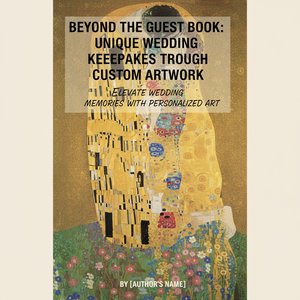
Beyond the Guest Book: Unique Wedding Keepsakes Through Custom Artwork
Elevate your wedding memories with unique custom artwork! Discover personalized paintings & prints that capture the magic of your special day. Expert guidance, premium quality, lasting keepsakes.

愛のキャンバス:結婚肖像画におけるロマンティック様式の選択と表現
ロマンティック様式の結婚肖像画で、二人の愛を永遠に。手描き複製画からカスタムメイドまで、高品質なアート作品をご提供。制作プロセスやインテリアコーディネート術もご紹介します。信頼のOriginalUniqueArt.com。
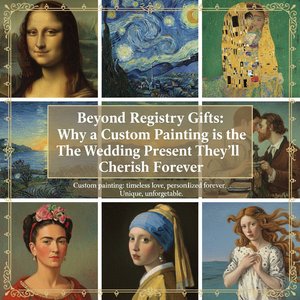
結婚の宝物:子供から両親への贈り物、時代を超えて語り継がれる絵画の価値と情感
世代を超えて語り継がれる絵画の価値。手描きの油彩複製画やカスタムアートで、特別な家族の贈り物をお届けします。OriginalUniqueArt.comで、思い出を永遠に残す高品質なアート体験を。
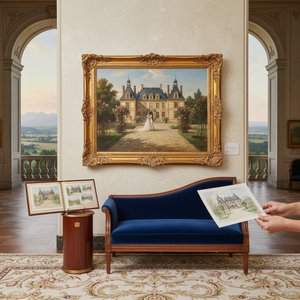
Beyond Photographs: Commissioning Bespoke Paintings of Wedding Venues for Unforgettable Keepsakes
Transform your wedding venue into timeless art! Discover the beauty of bespoke paintings & commissions with 's expert artists. Create a unique, luxurious keepsake.

From Snapshot to Masterpiece: Transforming Wedding Photos into Timeless Oil Paintings
Transform cherished wedding photos into timeless oil paintings! Expert artists at create bespoke portraits & heirloom art. Discover the process, styles & lasting value.

