
 プレビュー
プレビュー
 シェアする
シェアする シェアする
シェアする
 詳細を見る
詳細を見る

 ダウンロード
 似ている作品
 X線調査
X線調査 スライドショー
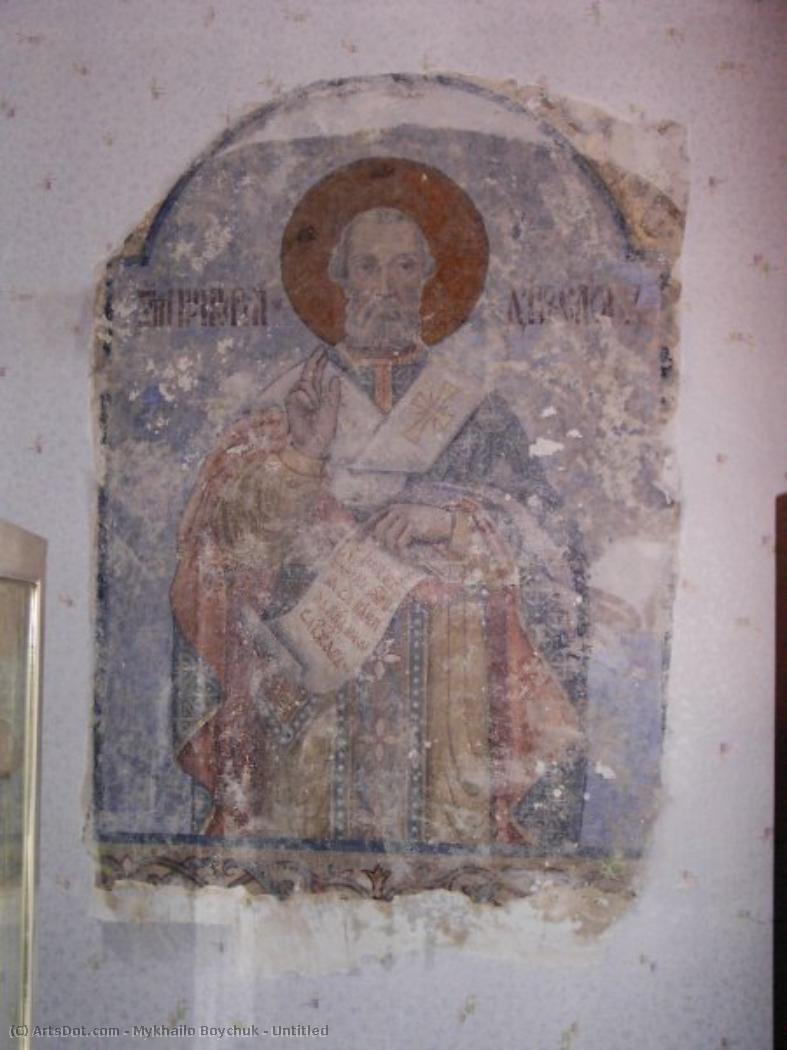
Untitled


 詳細を見る
詳細を見る
ジークレー/アートプリント
迅速な制作と多彩な仕上げオプションを備えた、ミュージアムクオリティのジークレーまたはキャンバスプリント。 ( 手描き画への切り替え 画像に切り替え)




































作品のオリジナル比率に合わせた、当店の規定サイズからお選びください。

特定のフレームやスペースに合わせて、ご自身でサイズを指定することも可能です。選択されたサイズが元の画像の比率と一致しない場合、作品をトリミングするか、鏡面反射または単色での塗りつぶしによって画像を拡張いたします。制作を開始する前に、ご確認用のデジタルモックアップをお送りいたします。
画面上のプレビューには、実際のトリミングや拡張は反映されませんのでご注意ください。最終的な構図を正確に確認できるのは、モックアップのみとなります。
カスタムサイズも承っておりますが、元の比率を維持するためには、あらかじめ用意されたリストからサイズを選択することをお勧めいたします。


 ガラスオプションは、110cm未満のサイズでのみご利用いただけます。

Untitled
ジークレー/アートプリント
複製画のサイズ
-


合計金額
$ 80
アーティストの略歴
Mykhailo Boychuk: The Byzantine Soul of Ukrainian Monumental Art
Mykhailo Lvovych Boychuk (1882 – 1937) stands as a singular figure in Ukrainian art history—a painter who wrestled with the monumental spirit of Byzantium and fused it with the revolutionary fervor of Soviet Ukraine. Born Romanivka, now Ternopil Oblast, he emerged from humble beginnings to become one of the most influential artists of his generation, shaping the visual landscape of his nation during a turbulent period. His legacy continues to inspire admiration for its uncompromising vision and enduring artistic power.Early Life & Artistic Formation
Boychuk’s formative years were steeped in Ukrainian peasant culture, yet he possessed an innate inclination towards art from a young age. Studying under Yulian Pankevych in Lviv instilled in him the foundational principles of Western European painting—particularly Impressionism—before he ventured to Kraków Academy of Fine Arts where he honed his skills and graduated in 1905. Further explorations into Viennese and Munich artistic traditions broadened his horizons, exposing him to diverse stylistic approaches that would ultimately inform his distinctive oeuvre. The Salon des Indépendants in Paris in 1910 marked a pivotal moment, showcasing Boychuk’s groundbreaking frescoes alongside those of fellow artists Félix Vallotton, Paul Sérusier, and Maurice Denis—a collective known as the Boychukists—who championed a revival of Byzantine art as a catalyst for national renewal.The Boychukist Style & Byzantine Influence
Boychuk's artistic philosophy centered on a deliberate return to the grandeur and spiritual depth of Byzantine iconography. He argued that this tradition represented the purest expression of Ukrainian identity, rejecting Western academic conventions in favor of monumental synthesis—a technique characterized by flattened planes, bold color palettes, and stylized figures imbued with symbolic resonance. This approach wasn’t merely stylistic; it was a deeply considered response to the intellectual currents of his time, reflecting anxieties about national decline amidst the pressures of European modernity. The Boychukist group actively sought to reinterpret biblical narratives through this Byzantine lens, producing works that conveyed profound emotional intensity and unwavering faith.Monumental Commissions & Artistic Achievements
Boychuk’s artistic reputation soared during the 1920s as he undertook ambitious commissions for Soviet Ukraine—primarily fresco cycles adorning churches and civic buildings across Kyiv and Kharkiv. His monumental paintings tackled themes of heroism, sacrifice, and revolutionary idealism, embodying the aspirations of a nation striving to forge its own path amidst the upheavals of the Russian Revolution. Among his most celebrated achievements are the frescoes in St. Volodymyr Cathedral in Kyiv—a breathtaking testament to Byzantine artistic principles executed with unparalleled skill and conviction—and the monumental mural depicting “The Triumph of Lenin” in Kharkiv’s Kharkiv Philharmonic Hall, a striking example of Soviet propaganda art infused with Boychuk's distinctive stylistic vision.Tragic Fate & Enduring Legacy
Despite his considerable success as an artist and educator, Boychuk’s life was tragically cut short during the Great Purge of 1937—a period of political repression orchestrated by Joseph Stalin. Along with his wife, Sofia Nalepinska—also a talented painter—he was executed without trial, silencing one of Ukraine's most luminous artistic voices. However, Boychuk’s influence endured through his students—including Tymofiy Boychuk and Ivan Padalka—who continued to champion his stylistic principles and contribute to Ukrainian art. Today, Mykhailo Boychuk remains revered as a visionary artist who dared to reimagine national identity through the timeless language of Byzantine art—a testament to the enduring power of artistic conviction and the tragic loss of a brilliant creative mind. His works continue to inspire awe and contemplation, cementing his place as one of Ukraine’s foremost cultural icons.
Mykhailo Boychuk
1882 - 1937 , Ukraine
基本情報
- Artistic Movement Or Style: Monumentalism; Byzantine-inspired frescoes & mosaics
- Artists Or Movements Influenced By This Artist: ['Boychukism']
- Artists Who Influenced This Artist:
- Yulian Pankevych
- Félix Vallotton
- Paul Sérusier
- Maurice Denis
- Date Of Birth: Romanivka, Ukraine (1882)
- Date Of Death: Kyiv (1937)
- Full Name: Mykhailo Lvovych Boychuk
- Nationality: Ukrainian
- Notable Artworks:
- Harvest
- Untitled
- Prophet Elijah
- Place Of Birth: Romanivka, Austria-Hungary

