

 設置イメージを確認
 送る
送る シェア
シェア
 詳細情報
詳細情報 ガイドを表示

 画像をダウンロード
 似ている作品
 X線調査
X線調査 スライドショー
 統計情報
統計情報Dalet Tet


 続きを読む
続きを読む
このページに掲載されている作品は著作権法によって保護されており、当社の許可なく同一の複製物を制作または販売することは法律で禁じられています。この保護は、以下のような国際条約に基づき執行されます。 ベルヌ条約 および、以下の条項に定められたものを含む各国の法律により、 米国著作権法 第17編。
敬意を払った法的な代替手段として、私たちはオリジナルにインスピレーションを与えられた、カスタムの手描きアートワークを提供しています。私たちの熟練したプロのアーティストは、元の作品が持つスタイル、情緒、そして芸術的なエッセンスを注意深く研究し、独自の創作物でありながら、同じ感性を呼び起こすような、新しくユニークな作品を作り上げます。
この手法は、著作権で保護された作品の複製や複写を伴わないため、著作権法に完全に準拠しています。これは単なる模倣ではなく、創造的な再解釈です。元の作品からインスピレーションを受けつつも、それとは異なる、全く新しい絵画を生み出すものです。
手描き油彩複製画
当社のアーティストが、お客様のご希望のサイズと額縁に合わせて、キャンバスに手描きで制作する油彩画です。 ( プリント版に切り替え デジタル画像販売へ切り替え)




P118B ¥10

P118H ¥10

P118W ¥10

P438Z ¥10

P508JH ¥12

P508YH ¥12

P805H ¥10

P805Z ¥10

P919BZ ¥10

P919G ¥10

P919XJ ¥10

P959ZH ¥10

P968JZ ¥12

W106C ¥8

W218G ¥10

W218JH ¥8

W218Y ¥10

W307PJ ¥10

W316G ¥10

W316PJ ¥8

W316Y ¥10

W398PJ ¥8

W4111J ¥10

W500HY ¥15

W500JH ¥15

W692G ¥12

W849H ¥8

W940BG ¥15

W953PJ ¥8




作品のオリジナル比率に合わせた、当店の規定サイズからお選びください。

フレームや壁のスペースに合わせて、ご希望の幅と高さを入力してください。本作品は手描きのため、異なる比率のサイズをご希望の場合、絵画の周囲を少し広げて描くか、あるいは端を少しカットして調整することが可能です。お客様のご要望に合わせます。制作を開始する前に、仕上がりを確認するためのデジタルモックアップをお送りいたします。このページに表示されている画像は完成品の実物ではなく、あくまでモックアップによるイメージです。
ご注文後、OriginalUniqueArt.com チームより詳細な指示をお送りするとともに、仕上がりイメージ(モックアップ)をご提供いたします。


 ガラスオプションは、110cm未満のサイズでのみご利用いただけます。

Dalet Tet
再現技法
複製画サイズ一覧
-


合計金額
¥ 47184
A Descent into Darkness: Morris Louis’s *Dalet Tet*
Morris Louis’s *Dalet Tet*, painted in 1959, isn't merely a canvas filled with color; it’s an immersive experience, a deliberate descent into the heart of darkness and a testament to the revolutionary techniques he pioneered. This monumental Color Field painting immediately commands attention with its overwhelming dominance of black, yet within this apparent void lies a complex interplay of subtle hues—whispers of orange, red, and yellow—that suggest a hidden vitality. It’s a work that invites prolonged contemplation, rewarding those willing to surrender to its quiet intensity.
Louis, a pivotal figure in the mid-20th century art world, sought to dismantle traditional notions of painting by rejecting representation altogether. Instead, he embraced abstraction as a means of exploring pure color and process. *Dalet Tet* exemplifies this approach perfectly, drawing heavily from the Color Field movement’s emphasis on large areas of unbroken hue. The painting's genesis lies in Louis’s groundbreaking experimentation with Magna paint – a newly developed acrylic resin that allowed for unprecedented fluidity and transparency when applied to unprimed canvas. This innovative material became central to his “veil” technique, where diluted paint was poured directly onto the fabric, creating cascading layers of color that bled and merged organically.
The Language of Flow: Composition and Technique
The composition of *Dalet Tet* is deceptively simple yet profoundly effective. Vertical bands or ribbons of color—the “veils,” as Louis termed them—cascade downwards, seemingly defying gravity. These aren’t sharply defined lines but rather the edges of expanding fields, creating a sense of dynamic movement and an illusion of depth despite the painting's predominantly two-dimensional nature. The absence of geometric precision contributes to the work’s organic quality; the forms feel fluid and responsive, as if reacting to the forces of gravity and chance.
The layering process itself is crucial to understanding *Dalet Tet*. Louis meticulously controlled the dilution of the Magna paint, allowing it to flow freely across the canvas. The resulting effect isn’t one of deliberate brushstrokes but rather a spontaneous, almost chaotic, dance of color. This technique—a departure from traditional painting methods—was incredibly risky at the time, as it challenged established notions of control and skill. Yet, Louis's willingness to embrace this process resulted in paintings that are both visually arresting and emotionally resonant.
Symbolism and Emotional Resonance
The overwhelming darkness of *Dalet Tet* immediately evokes feelings of melancholy, introspection, or perhaps even a sense of the sublime. It’s not a cheerful or celebratory work; rather, it feels deeply contemplative, inviting viewers to confront their own inner landscapes. The subtle hints of color—the flashes of orange, red, and yellow—suggest a glimmer of hope or resilience within the darkness, hinting at the possibility of transformation and renewal.
The title *Dalet Tet*, derived from the Hebrew alphabet, adds another layer of meaning. It refers to the first four letters, representing “creation” or “beginning.” This suggests that the painting isn’t simply an exploration of darkness but also a meditation on emergence—the potential for something new to arise from within it.
A Legacy in Color: Morris Louis and Beyond
Morris Louis's *Dalet Tet* stands as a landmark achievement in American art history, profoundly influencing generations of artists. His pioneering use of Magna paint and his embrace of spontaneous process revolutionized the way painting was conceived and executed. His work paved the way for subsequent Color Field painters like Helen Frankenthaler and Kenneth Noland, establishing a vibrant tradition that continues to inspire today.
Reproductions of *Dalet Tet* offer a remarkable opportunity to experience Louis’s vision firsthand. The rich textures and subtle color variations are beautifully captured in high-quality prints, allowing viewers to appreciate the depth and complexity of this iconic work. Whether adorning a contemporary living space or serving as a focal point in a gallery setting, *Dalet Tet* remains a powerful testament to the transformative potential of color and process.
よくあるご質問
モリス・ルイ作「Dalet Tet」は、絵画、デッサン、それとも版画のいずれでしょうか?
カタログ内では、モリス・ルイ作「Dalet Tet」はWallArtとして分類されています。このカテゴリーを活用することで、類似の作品を探すことができます。
「Dalet Tet」に著作権はかかっていますか?
モリス・ルイ作「Dalet Tet」 の著作権について:本作品は著作権により保護されていますです。これにより、画像の複製が自由に行えるかどうかが決まります。
モリス・ルイ作「Dalet Tet」には何が描かれており、どのような情緒が漂っていますか?
モリス・ルイ作「Dalet Tet」は、color, black, flowing, vertical, dark, abstract, veil, dynamicsを描き出し、Calmな情緒を湛えています。主題と雰囲気が相まって、作品の物語を形作っています。
アーティストについて
生い立ちと教育
- 誕生: 1912年11月28日、メリーランド州ボルチモアにて、モーリス・ルイ・バーンスタインとして生まれる。
- 両親: 家具販売を営んでいたルイ・バーンスタインと、セシリア・ラックマン・バーンスタイン。
- 教育: ボルチモアの公立学校を経て、1929年から1932年にかけてメリーランド・インスティテュート・オブ・ファイン・アンド・アプライド・アーツ(現MICA)で学ぶ。学位取得には至らなかった。
- ユージン・シュピアーやポール・セザンヌといった巨匠たちが、彼の初期の芸術的感性に深い影響を与えた。
- ボルチモアという限られた環境にありながら、家族の支えを受け、幼少期から芸術への情熱を育んでいた。
芸術家としての発展と主要な影響
- 1930年代: 創作活動を維持するため、野菜の皮むきや洗濯の仕事、ギャラップ・ポール調査員など、さまざまなアルバイトをこなしながら画家としての道を歩んだ。
- 1934年-1936年: サム・スワードロフのもとで、公共芸術プロジェクト(PWAP)の壁画制作に参加。
- 1936年-1937年: ニューヨークへ移住し、シケイロス・ワークショップにて新たな技法の実験を開始する。
- マグナ・ペイントとの出会い(1948年): 彼のキャリアにおける決定的な瞬間となった。レオナルド・ボクールとサム・ゴールデンによって彼のために開発された、新しい油性アクリル絵具「マグナ・ペイント」の使用を開始。これにより、作品にさらなる流動性と透明感をもたらすことに成功した。
- ヘレン・フランケンサーラーの影響: 1953年、ルイとケネス・ノランドはフランケンサーラーのスタジオを訪れ、彼女のステイン・ペインティング(特に「Mountains and Sea」)に深い衝撃を受ける。これが、彼らが流し込みや染め込みの技法を追求する大きなインスピレーションとなった。
ヴェール・ペインティングとカラーフィールドの革新
- 成熟期のヴェール・ペインティング(1954年): 下地処理の有無を問わず、キャンバスに流し込まれた透明な色彩が重なり合い、層を成して染み込んでいく様が特徴。
- 技法: 極限まで希釈された絵具を、未加工で未張りのキャンバスに塗布。傾斜させた表面を絵具が自律的に流れ落ちることで、半透明の色彩のヴェール(薄衣)を作り出した。この手法は筆跡を消し去り、画面の平坦性を強調した。
- カラーフィールド・ペインティング: ルイは、描画空間を簡略化し、強烈な色彩の平面を際立たせることで、カラーフィールド(色面)絵画の中心的人物となった。彼は「ワシントン・カラー・スクール」運動の旗手でもあった。
- シリーズと様式: ヴェール・ペインティングにとどまらず、花模様のシリーズ、柱(1960年)、不透明な色彩の滴りを見せるアンファールド(196なく60-61年)、そしてストライプ・ペインティング(1961-62年)など、多岐にわたる探求を見せた。
主要な業績と歴史的意義
- カラーフィールド絵画の先駆者: ケネス・ノランドやヘレン・フランケンサーラーと共に、カラーフィールド絵画における極めて重要な革新者として認められている。
- 抽象表現主義への影響: 身体的なジェスチャーや構成よりも、色彩そのものと平面性に焦点を当てることで、抽象表現主義の境界を押し広げた。
- ワシントン・カラー・スクール: 絵画における還元主義的なアプローチを強調した、この影響力ある運動の重要な貢献者である。
- 作品の破棄: 驚くべきことに、ルイは1955年から1957年の間に自身の多くの作品を自ら破棄しており、それは自身の芸術に対する極めて厳格な自己評価の表れでもあった。
- 遺産: 色彩、平坦性、そして絵具という物質性への彼のこだわりは、今なお現代のアーティストたちに多大な影響を与え続けている。
晩年と逝去
- ルイは亡くなる直前まで、精力的に創作活動を続けた。
- 逝去: 1962年9月7日、ワシントンD.C.にて49歳の若さでこの世を去る。
- 追悼展(1963年): 彼の死後間もなく、ソロモン・R・グッゲンハイム美術館において大規模な追悼展が開催された。
- 回顧展: その後、ボストン美術館(1967年)やワシントンD.C.のナショナル・ギャラリー(1976年)などで、主要な回顧展が開催された。

モリス・ルイ
1912 - 1962 , アメリカ合衆国
アーティスト情報
- Artistic Movement Or Style: カラーフィールド・ペインティング
- Artists Or Movements Influenced By This Artist:
- ケネス・ノランド
- ワシントン・カラー・スクール
- Artists Who Influenced This Artist:
- ヘレン・フランケンサーラー
- ジャクソン・ポロック
- セザンヌ
- Date Of Birth: 1912年11月28日
- Date Of Death: 1962年9月7日
- Full Name: モーリス・ルイ
- Nationality: アメリカ
- Notable Artworks:
- High
- Number 1-36
- Where
- Number 1-68
- Gamma Tau
- Third Element
- Delta Theta
- Place Of Birth: アメリカ合衆国、ボルチモア
関連記事

抽象表現主義を定義する十大傑作:芸術と装飾の深遠な旅
抽象表現主義を定義する10の傑作。ポロック、ロスコら巨匠たちの情熱と色彩の世界へ。各作品に込められた物語と技法を紐解き、至高のアート体験を。OriginalUniqueArt.comで、ミュージアムクオリティの複製画や洗練されたインテリアアイデアを発見してください。

Kandinsky's Masterpieces: 25 Paintings That Define Abstract Art | OriginalUniqueArt
Journey through Wassily Kandinsky's 25 most iconic abstract paintings. Explore his revolutionary use of color, form & spiritual expressionism. Find museum-quality Kandinsky reproductions and elevate your home decor with OriginalUniqueArt.com. Discover all masterpieces on OriginalUniqueArt.com!
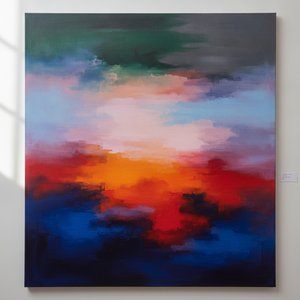
Color Field Painting: The Emotional Power of Pure Abstraction and Chromatic Depth
Explore the profound emotional depth of Color Field painting. Discover the history of mid-century abstraction, from Rothko to Newman, and learn how pure color transforms the viewer's experience through our expert art history guide.
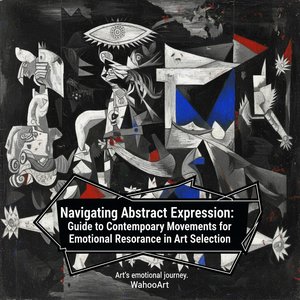
Navigating Abstract Expression: A Guide to Contemporary Movements for Emotional Resonance in Art Selection
Explore the evolution of Abstract Expressionism & discover contemporary movements for emotional resonance. Expert guidance for discerning art collectors seeking lasting value. OriginalUniqueArt.

Morris Louis: Pioneering Color Field Painting & Abstract Expressionism's Legacy
Explore the groundbreaking abstract expressionism of Morris Louis, a pioneer of Color Field painting. Discover his innovative techniques, influential series & lasting legacy in post-war American art. Learn more at OriginalUniqueArt.
