

 設置イメージを確認
 送る
送る シェア
シェア
 詳細情報
詳細情報 ガイドを表示

 画像をダウンロード
 似ている作品
 X線調査
X線調査 スライドショー
 統計情報
統計情報The Tailor
 Engraving
- WallArt
- 16th-century engraving
 1570
1570 97.0 x 74.0 cm
 ナショナル・ギャラリー
 続きを読む
続きを読む
手描き油彩複製画
当社のアーティストが、お客様のご希望のサイズと額縁に合わせて、キャンバスに手描きで制作する油彩画です。 ( プリント版に切り替え デジタル画像販売へ切り替え)




P118B ¥10

P118H ¥10

P118W ¥10

P438Z ¥10

P508JH ¥12

P508YH ¥12

P805H ¥10

P805Z ¥10

P919BZ ¥10

P919G ¥10

P919XJ ¥10

P959ZH ¥10

P968JZ ¥12

W106C ¥8

W218G ¥10

W218JH ¥8

W218Y ¥10

W307PJ ¥10

W316G ¥10

W316PJ ¥8

W316Y ¥10

W398PJ ¥8

W4111J ¥10

W500HY ¥15

W500JH ¥15

W692G ¥12

W849H ¥8

W940BG ¥15

W953PJ ¥8




作品のオリジナル比率に合わせた、当店の規定サイズからお選びください。

フレームや壁のスペースに合わせて、ご希望の幅と高さを入力してください。本作品は手描きのため、異なる比率のサイズをご希望の場合、絵画の周囲を少し広げて描くか、あるいは端を少しカットして調整することが可能です。お客様のご要望に合わせます。制作を開始する前に、仕上がりを確認するためのデジタルモックアップをお送りいたします。このページに表示されている画像は完成品の実物ではなく、あくまでモックアップによるイメージです。
ご注文後、OriginalUniqueArt.com チームより詳細な指示をお送りするとともに、仕上がりイメージ(モックアップ)をご提供いたします。


 ガラスオプションは、110cm未満のサイズでのみご利用いただけます。

The Tailor
再現技法
複製画サイズ一覧
-


合計金額
¥ 55048
A Glimpse into 16th-Century Bergamo: Giovanni Battista Moroni’s ‘The Tailor’
Giovanni Battista Moroni's “The Tailor,” painted around 1570, isn’t merely a portrait; it’s a carefully constructed tableau of Renaissance life, offering a rare and intimate window into the world of a skilled artisan. This captivating engraving, now meticulously reproduced by OriginalUniqueArt.com, transports us to Bergamo, Italy, a bustling center of commerce and craftsmanship during the late 16th century. Far from depicting a humble tradesman, Moroni elevates the tailor – a profession often relegated to the margins of artistic representation – into a subject worthy of dignified contemplation. The work immediately draws the viewer in with the tailor’s direct gaze; he isn't posed stiffly for the artist but appears caught in a moment of focused activity, holding his shears poised above a piece of fabric marked with chalk.
The scene unfolds within a modestly furnished workshop – a simple wooden table bearing the tools of his trade: the shears and a length of cloth. The muted palette—shades of gray, brown, and ochre—creates an atmosphere of quiet industry, emphasizing the textures of the fabric and the subtle details of the tailor’s attire. Moroni masterfully employs hatching and cross-hatching techniques to build depth and volume, lending a remarkable sense of realism to the figure. The fine lines delineate the folds of his clothing, the texture of his beard, and the delicate curve of his hands – all rendered with an astonishing level of precision that speaks volumes about the artist’s skill.
Symbolism and Social Commentary
Beyond its technical brilliance, “The Tailor” is rich in symbolic meaning. Moroni subtly challenges conventional notions of social hierarchy by portraying a middle-class professional with an air of quiet dignity. The inclusion of the sword belt—a symbol of status and authority typically reserved for nobility—hints at the tailor’s elevated position within his community, suggesting perhaps he was a senior guild member or even a cloth merchant of considerable standing. The inscription “S. Catharina” at the bottom of the engraving points to the subject's devotion to Saint Catherine, adding another layer of meaning and reinforcing the image of piety and respectability.
Interestingly, Moroni’s choice to depict a craftsman rather than a wealthy aristocrat reflects a broader shift in artistic trends during this period. As Pietro Aretino observed, artists were increasingly interested in portraying individuals from all walks of life, moving beyond the traditional focus on the elite. This painting represents a departure from the idealized representations of nobility and highlights Moroni’s keen eye for capturing the essence of his subjects – their character, profession, and social standing.
Technique and Artistic Influence
“The Tailor” is a testament to Moroni's mastery of engraving. He skillfully utilized the limitations of the medium—the precise lines and tonal variations achievable through hatching and cross-hatching—to create a remarkably lifelike image. The diffused lighting, achieved through careful manipulation of shadow and tone, contributes to the painting’s serene atmosphere and enhances the sense of depth. Moroni's work demonstrates a clear influence from Titian, particularly in his use of color and light, while retaining a distinctly Mannerist elegance.
Reproduced with meticulous attention to detail by OriginalUniqueArt.com, this engraving offers an unparalleled opportunity to experience the artistry and social commentary of Giovanni Battista Moroni’s “The Tailor.” Whether adorning your walls as a statement piece or serving as a thoughtful addition to a curated collection, this artwork is sure to spark conversation and evoke a sense of timeless beauty and quiet dignity. Explore the full detail and vibrant colors available in our hand-painted reproductions today.
よくあるご質問
「The Tailor」に似た作品はありますか?
ジョヴァンニ・バッティスタ・モローニ作「The Tailor」に似た作品は、作品の似ている作品ページにまとめられています。
ナショナル・ギャラリーに所蔵されているジョヴァンニ・バッティスタ・モローニ作「The Tailor」は、法的に複製することが可能でしょうか?
ジョヴァンニ・バッティスタ・モローニ作「The Tailor」の著作権の状態は明確であり、本作はパブリックドメイン(著作権消滅)です。ナショナル・ギャラリーに所蔵されているという事実によって、この状態が変わることはありません。
ジョヴァンニ・バッティスタ・モローニ作「The Tailor」は、明るい印象の作品ですか、それとも暗い印象の作品ですか?
「The Tailor」の全体的な明るさはbrightで、輝度はBright Balanceです。
アーティストについて
ジョヴァンニ・バッティスタ・モローニ:その生涯と遺産
幼少期と修業の時代
1520年、イタリアのベルガモ近郊にあるアルビノにて、ジョヴァンニ・バッティスタ・モローニ(ジャンバッティスタ・モローニとしても知られる)は産声を上げました。建築家であった父アンドレア・モローニの存在は、芸術的才能が開花するための豊かな土壌となりました。彼はブレシアにおいて、アレッサンドロ・ボンヴィチーノ(モレットとして親しまれた巨匠)のもとで最初の研鑽を積みました。この初期の徒弟修行こそが、彼の卓越した技術力と、ルネサンス絵画の精緻な技法に対する深い理解の礎となったのです。
芸術的発展と受けた影響
モローニの芸術的な旅路は、トレントやベルガモといったイタリアの様々な都市を巡ることとなりました。その歩みにおいて決定的な瞬間が訪れたのは、トレント滞在中のことでした。そこで彼は、巨匠ティツィアーノや伯爵司教クリストフォロ・マドルッツォとの出会いを果たします。ティツィアーノから受けた影響は、モローニの色彩感覚や、光を操る洗練された手法の中に鮮明に刻み込まれています。初期には古典的なルネサンス様式の影響を強く受けていたものの、彼は次第に、優雅さと写実性を兼ね備えた独自のマネリスム的アプローチを確立させていきました。
作品の核心をなす特徴
- 肖像画:モローニの名声は、主に地元の貴族や聖職者を描いた肖像画によって支えられています。彼の描く人物像は、単なる外見の模写に留まりません。それは人物の品格と心理的な深淵を捉えた、洞察に満い人物研究そのものなのです。
- 写実主義と自然主義:彼は自然主義的な技法と細部への鋭い眼差しを用い、肖像画の中に、まるでそこに存在しているかのような即時性と臨場感を生み出しました。
- 銀色を帯びた色調:モローニの絵画を際立たせているのは、光と影の繊細な階調によって描き出される、うっとりとするような美しい銀色のトーンです。
- 宗教画:肖像画ほど多くはありませんが、モローニは宗教的な主題を描いたキャンバスも残しています。これらの作品には、クアトロチェント(15世紀)後期の構成を彷彿とさせる、より古風な様式が見て取れます。
語り継がれる名作たち
モローニの代表作として、以下の作品が挙げられます:
- 仕立屋(The Tailor):現在ロンドンのナショナル・ギャラリーに収蔵されているこの作品は、日常の営みと人物の個性を写実的に描き出す彼の真骨頂を示す傑作です。
- ジャン・ロドヴィーコ・マドルッツォ:権威と内省的な精神性の両面を見事に捉えた、非常に印象的な肖像画です。
- ベルガモの貴族たちの数多くの肖像画は、16世紀社会の貴重な視覚的記録として、今なお私たちに歴史を伝えています。
歴史的意義と受け継がれるもの
ジョヴァンニ・バッティスタ・モローニの作品は、イタリア美術史において極めて重要な地位を占めています。彼は盛期ルネサンスの理想と、台頭しつつあったマネリスム様式の架け橋となり、優雅でありながら心理的な説得力を持つ肖像画を生み出しました。その影響は、被写体の本質を捉える手腕に敬意を払ったフラ・ガルガリオやピエトロ・ロンギといった後世の画家たちへと受け継がれていきました。今日、彼の作品はウフィツィ美術館やナショナル・ギャラリーといった世界的な美術館に展示され、時代を超えて芸術愛好家や研究者たちの心を捉え続けています。
結びに代えて
モローニの遺産とは、肖像画を単なる「再現」の域から高めたその手腕にあります。彼は作品に人間味と心理的な奥行きを吹き込み、それが数世紀を経た今もなお、観る者の心に深く響き続けているのです。彼の絵画は、16世紀イタリアの生活と個性の断片を私たちに垣間見せ、チェンクエチェント(16世紀)を代表する巨匠としての地位を揺るぎないものとしています。

ジョヴァンニ・バッティスタ・モローニ
1520 - 1578 , イタリア
アーティスト情報
- Birth Date: 1520年
- Birth Place: イタリア、アルビーノ
- Death Date: 1578年
- Influenced:
- フラ・ガルガリオ
- ピエトロ・ロンギ
- Influenced By: ティツィアーノ、アレッサンドロ・ボンヴィチーノ
- Movement: マニエリスム
- Name: ジョヴァンニ・バッティスタ・モローニ
- Nationality: イタリア人
- Notable Works:
- 仕立て屋
- ジャン・ロドヴィーコ・マドルッツォ
関連記事

The Intricate World of Engraving: A Historical Survey of Technique, Artistic Expression & Enduring Legacy
Explore the rich history of engraving with OriginalUniqueArt. Discover techniques, iconic artists like Dürer & Callot, collecting tips, and expert guidance for preserving your art investment. Learn about intaglio printing & more!

Engraving: A Historical Survey of Technique, Artistic Expression & Enduring Legacy
Explore the rich history of engraving with OriginalUniqueArt. Discover techniques, iconic artists like Dürer & Callot, collecting tips, and expert guidance for preserving your art investment. Learn about intaglio printing & more!
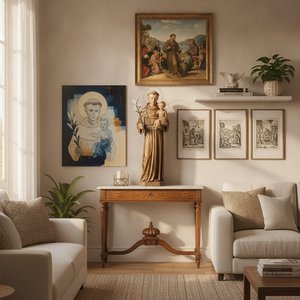
Discover the Divine: Inspiring Saint Anthony Artworks to Elevate Your Home Decor
Transform your home with the profound beauty of Saint Anthony artworks. Explore exquisite Baroque reproductions by Murillo and Zurbarán, hand-painted on 100% cotton canvas to bring divine serenity and timeless elegance to your interior design.

The Precision of the Burin: An Expert Guide to the High-Impact World of Masterful Engraving Art
Discover the sharp, high-impact world of engraving art. Our expert guide explores intaglio techniques, the mastery of the burin, and how collectors can appreciate the precision and enduring legacy of this profound graphic art form.

Engraving's Golden Age: 10 Masterpieces That Redefined Art | OriginalUniqueArt
Journey through art history with our Top 10 Legendary Engravings! Explore masterpieces by Dürer, Rembrandt & Goya. Discover the stories behind these iconic prints and find museum-quality reproductions for your home at OriginalUniqueArt.com.