
 プリントを購入
 シェアする
シェアする シェアする
シェアする
 詳細を見る
詳細を見る

 ダウンロード
 似ている作品
 スライドショー
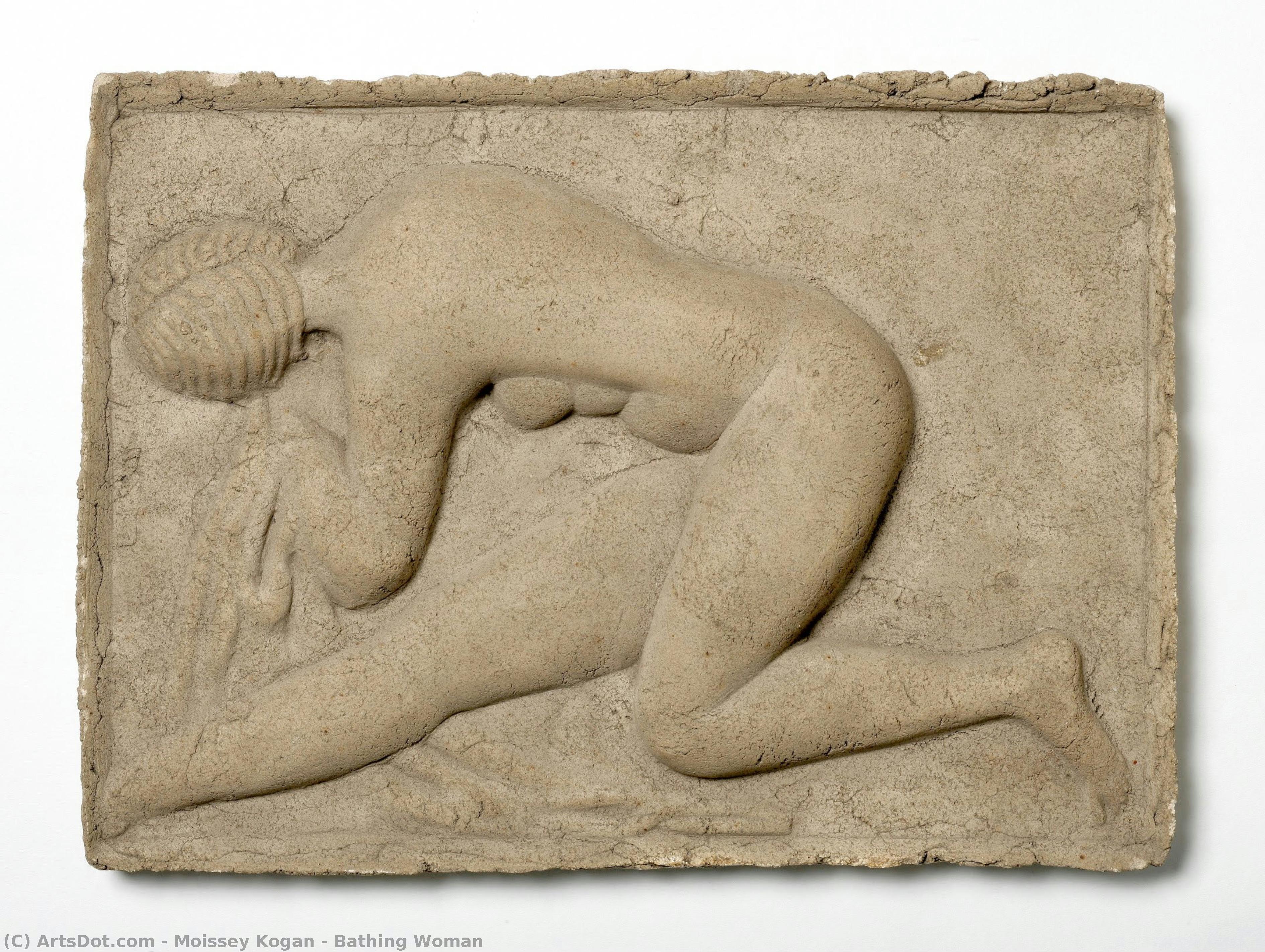
Bathing Woman
 Clay / Terracotta
- Sculpture
- Neoclassicism
 1928
1928- Modern
 38.0 x 28.0 cm
 Lehmbruck Museum
 詳細を見る
詳細を見る
オンラインプレビューをはるかに凌ぐ、高解像度で鮮明なデジタル画像をご購入いただけます。
各ファイルは、社内の専門家が高度なツールと熟練した手作業によるレタッチを用いて、細心の注意を払って準備されています。すべての画像において、卓越した鮮明度、正確な色彩再現性、そして繊細なディテールを保証いたします。
最終ファイルは、プロフェッショナルな編集・印刷環境ですぐにご利用いただけるよう最適化された状態で、72時間以内にメールにてお届けいたします。これは、一流のデザインスタジオ、出版社、ギャラリーから信頼されているものと同等の品質です。
デジタル画像のご注文に付随する特典
高品質なデジタル画像配信を、確かな品質で。
OriginalUniqueArt.com を選ぶことは、単に画像を手に入れることではありません。それは、プロの手によって精密に仕上げられ、満足保証が付いた高品質なデジタルアートワークを受け取ることを意味します。ご注文いただいた際に自動的に付随する内容は、以下の通りです:

メールですぐにお届け
ご注文から72時間以内に、高解像度のデジタル画像ファイルがメールでお手元に届きます。すぐにそのままご利用いただけます。

AI技術で最適化されたデジタルファイル
お客様の作品は、高度なAIツールと専門家による手作業の編集を組み合わせてプロフェッショナルに最適化されており、細部のディテール、鮮明さ、そして正確な色再現性を最大限に引き出しています。

一生涯無料の再送サービス
ファイルを誤って削除したり、紛失してしまったりしましたか?ご安心ください。いつでも無料で再送いたします。

輸入手数料は一切かかりません
関税や手数料、配送料を気にすることなく、お気に入りのアートワークをすぐにお楽しみいただけます。デジタルダウンロードは常に免税です。

色彩再現の保証
プロ仕様のツールとカラーマネジメント技術を用いることで、デジタル画像が元の色を最大限に忠実に再現することを保証いたします。

60日間満足保証
ご購入いただいたデジタル画像にご満足いただけない場合は、60日以内であれば、修正または100%の返金(理由を問う必要はありません)をさせていただきます。

100% 返金保証
ご満足いただけない場合は、デジタルファイルを受け取ってから60日以内であれば、理由を問わず全額返金いたします。

まとめ買い割引
3枚購入で10%OFF - 5枚購入で15%OFF - 10枚以上購入で20%OFF。クリエイティブなプロジェクト、ギャラリー、エージェンシーに最適です。
作品の詳細
The Grace of Form: Rediscovering Moissey Kogan’s Bathing Woman
In the quiet intimacy of Moissey Kogan’s Bathing Woman, we encounter a moment frozen in time, a delicate intersection of vulnerability and strength. Created in 1928, this evocative sculpture captures a woman caught in the private, rhythmic ritual of cleansing. There is an undeniable sense of movement within her stillness; as she reaches toward her back, her fingers tracing the contours of her own skin, the viewer is invited into a sanctuary of solitude. The piece does not merely depict a physical act but celebrates the profound elegance of the human silhouette, rendered with a sensitivity that speaks to the very essence of life and self-care.
The sculpture’s aesthetic is deeply rooted in the neoclassical traditions that Kogan mastered during his formative years in Paris. Influenced by the monumental legacies of Auguste Rodin and Aristide Maillol, Kogan moves away from dramatic tension toward a more serene, harmonious exploration of the female form. The texture of the medium—reminiscent of aged clay or weathered stone—adds a layer of historical weight to the work, suggesting an artifact unearthed from a classical era. This tactile quality provides a beautiful contrast against a minimalist backdrop, allowing the play of light and shadow across the woman's curves to become the primary storyteller.
A Legacy of Sensuality and Skill
To understand the emotional resonance of Bathing Woman, one must look to the artist’s unique journey through the École de Paris. Kogan, a sculptor of immense technical prowess, possessed a rare ability to imbue heavy materials with a sense of weightless grace. His mastery over the "Negativ-Scent" technique and his background in fine craftsmanship allowed him to treat every curve and fold as an opportunity for poetic expression. In this particular work, the composition is balanced yet dynamic; the placement of her hand on her hip provides a structural anchor, while the reaching motion of her other arm introduces a soft, organic flow that guides the eye around the entire figure.
For the discerning collector or interior designer, this piece serves as a sophisticated focal point. It possesses a timeless quality that transcends modern trends, making it an ideal addition to spaces that value understated luxury and classical beauty. Whether placed in a sunlit study or a contemporary living salon, the sculpture radiates a calming presence. Owning a high-quality reproduction of such a significant work allows one to bring the soulful, contemplative spirit of the interwar period into the modern home, offering a daily encounter with the enduring power of classical grace.
作家の略歴
Early Life and Education
- Born: May 12, 1879, in Orhei, Bessarabia (now Orhei, Republic of Moldova)
- Jewish merchant family background
- Demonstrated early interest in craftsmanship
- Moved to Nagybánya, Hungary, in 1889
- Studied under painter Simon Hollósy in Nagybánya
- Enrolled at the Munich Academy of Fine Arts in 1903, studying sculpture under Wilhelm von Rümann.
Artistic Development and Influences
- Initially experimented with gems, producing medals, plaques, vases, embroidery, and drawings.
- Transitioned to sculpture after moving to Paris and encountering Rodin and Maillol.
- Focused on the female form and concepts of grace in his sculptures.
- Worked primarily with terracotta, gypsum, and occasionally bronze.
- Developed a unique "Negativ-Schnitt" (intaglio cut) technique that influenced other artists.
- Influenced by Auguste Rodin and Aristide Maillol.
- Associated with the École de Paris artistic circle.
Major Works and Artistic Style
- Primarily created small sculptures and reliefs in a neoclassical style.
- His works often featured soft contours, lines, and expressive body language.
- Produced numerous wood and linocuts as well as etchings.
- Drawings utilized chalk, coal, and pencils.
- Subjects frequently depicted female figures with an emphasis on grace and sensuality.
- Exhibited extensively at the Salon d'Automne in Paris, serving as a jury member and vice-president of the sculptural department from 1925.
Later Life, Persecution, and Legacy
- Lived between Paris and the Netherlands from 1925 until his death.
- Ceased travel to Germany in 1933 due to increasing anti-Semitism.
- Some of his works were exhibited at the "Entartete Kunst" (Degenerate Art) exhibition in Berlin, 1938.
- Deported from Drancy internment camp to Auschwitz on February 11, 1943, where he died two weeks later.
- His work was rediscovered and gained recognition in the 1960s.
- Works are now held in numerous museums including Stedelijk Museum Amsterdam, Lehmbruck Museum Duisburg, Kunsthalle Bremen, Folkwang Museum Essen, National Gallery Moritzburg Halle, Hamburger Kunsthalle, and MoMA.
Artistic Significance
- Kogan's art is characterized by its timeless quality and quiet world of grace.
- His sculptures embody a "hellenistic-looking cheerfulness" with fragile grace and sensual body language.
- Despite his tragic fate, Kogan left behind a significant body of work that reflects the artistic currents of his time while maintaining a unique personal style.
- The Moissey Kogan Catalogue Raisonné project aims to document and preserve his legacy for future generations.

Moissey Kogan
1879 - 1943 , Moldova
プロフィール概要
- Artistic Movement Or Style: Expressionism, Neoclassical
- Artists Who Influenced This Artist:
- Auguste Rodin
- Aristide Maillol
- Simon Hollósy
- Date Of Birth: March 12, 1879
- Date Of Death: March 3, 1943
- Full Name: Moissey Kogan
- Nationality: Bessarabian Jewish
- Place Of Birth: Orhei, Moldova

