
 プリントを購入
 シェアする
シェアする シェアする
シェアする
 詳細を見る
詳細を見る

 ダウンロード
 似ている作品
 スライドショー
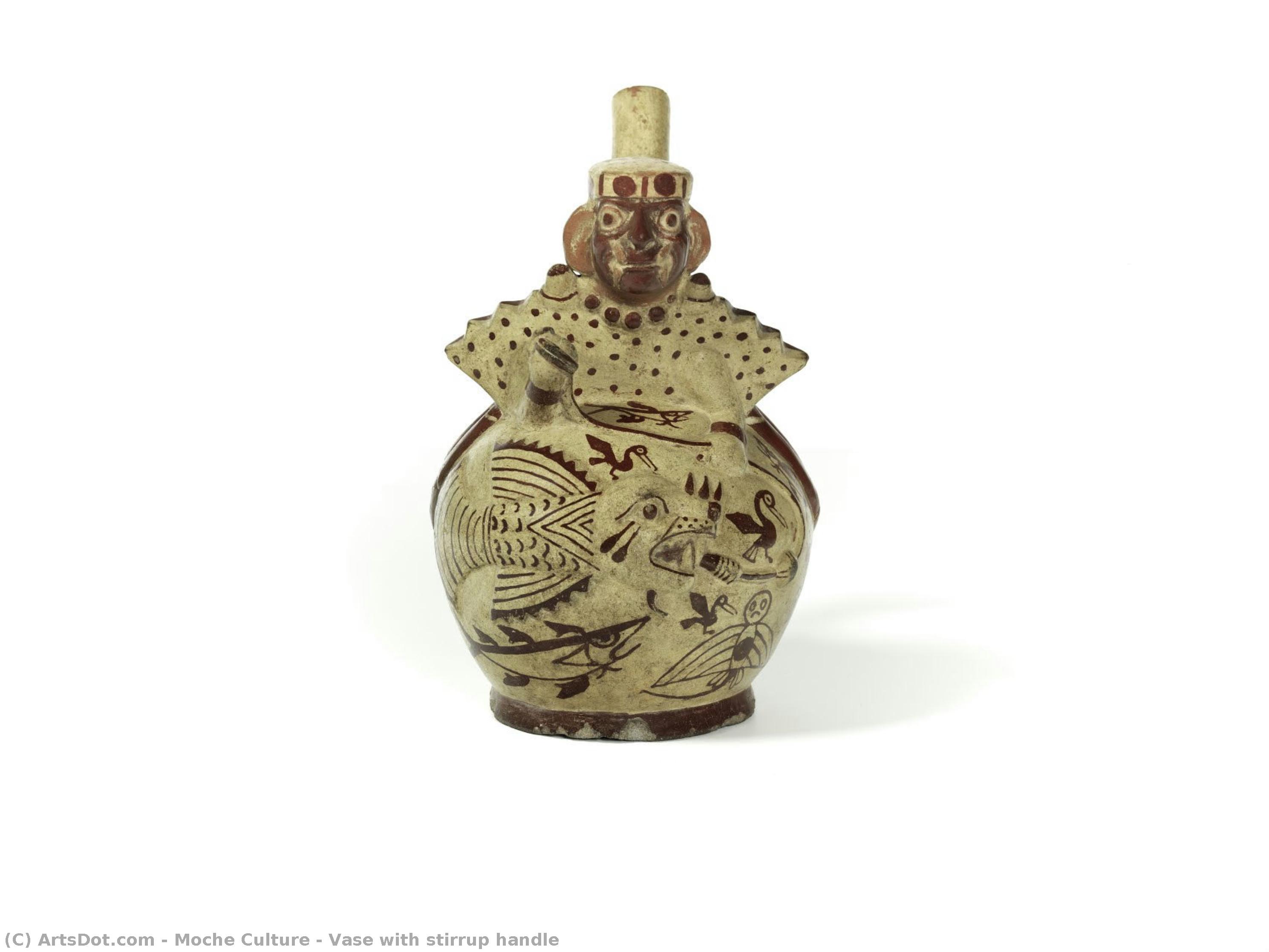
Vase with stirrup handle


 詳細を見る
詳細を見る




































作品のオリジナル比率に合わせた、当店の規定サイズからお選びください。

特定のフレームやスペースに合わせて、ご希望のサイズをご入力いただけます。選択されたサイズが元の画像の比率と異なる場合、アートワークをトリミングするか、手描きで要素を追加して絵画を拡張いたします。デジタルモックアップ を制作し、制作開始前にご確認(承認)をいただきます。
画面上のプレビューは、実際のトリミングや拡張を正確に反映しているものではありません。最終的な構図は、モックアップによってのみ正確にご確認いただけます。
カスタムサイズもご利用いただけますが、元の比率を維持するためには、あらかじめ用意されたリストからサイズを選択することをお勧めいたします。
ご注文後、OriginalUniqueArt.com チームより詳細な指示をお送りするとともに、仕上がりイメージ(モックアップ)をご提供いたします。


 ガラスオプションは、110cm未満のサイズでのみご利用いただけます。

Vase with stirrup handle
複製技法
複製画のサイズ
-


合計金額
$ 350
作品解説
An Ancient Echo from the Peruvian Coast
In the quiet presence of the Vase with stirrup handle, one does not merely observe an object, but encounters a profound dialogue with a vanished world. Emerging from the brilliant, arid landscapes of the Moche culture along Peru’s northern coast, this ceramic masterpiece serves as a tactile window into a civilization that flourished between 100 AD and 700 AD. The vessel, characterized by its iconic stirrup handle, is far more than a functional container; it is a sculptural narrative, a vessel of memory that captures the very essence of Moche spiritual life. To hold a gaze upon its surface is to feel the pulse of an ancient society that found divinity in the earth and rhythm in the ritualistic depiction of the natural world.
The artistry of the Moche masters is revealed through a sophisticated interplay of slip painting and meticulous incising. The palette is grounded in the organic, utilizing earthy tones of deep brown and warm beige that reflect the sun-drenched landscapes of the Lambayeque Region. These pigments, derived from natural mineral sources, are applied with a precision that belies the ancient medium of clay. As light dances across the uneven, textured surface, it highlights the bold, geometric lines and curvilinear forms that define the vessel's iconography. The technique creates a sense of movement, where the raised edges of incised patterns catch shadows, lending a rhythmic, three-dimensional vitality to the stylized figures that inhabit the ceramic skin.
Symbolism and the Divine Narrative
Every curve and contour of this vase is steeped in a complex web of mythological significance. The Moche were masters of symbolic storytelling, using their pottery to document a cosmos populated by powerful deities and sacred animals. Within the composition, one finds a mesmerizing arrangement of human faces with exaggerated, expressive features, interspersed with motifs of birds and perhaps the llama—creatures that held deep ritualistic importance in Moche agriculture and cosmology. These figures are not merely decorative; they are characters in a cosmic drama, representing the interconnectedness of life, death, and the divine forces governing fertility and the seasons.
For the discerning collector or interior designer, this piece offers an unparalleled opportunity to introduce a sense of historical gravity and soulful texture into a contemporary space. The vase’s aesthetic power lies in its ability to bridge the gap between the prehistoric and the modern. Its rugged, earthen texture provides a stunning contrast to the sleek surfaces of minimalist decor, while its profound historical weight adds a layer of intellectual and emotional depth to any curated collection. Owning a reproduction of such a significant cultural artifact is an invitation to surround oneself with the enduring legacy of human creativity and the timeless beauty of the ancient Andes.
アーティストの略歴
モチェ文化:陶芸芸術と儀礼的図像の巨匠たち
西暦100年から700年にかけて、ペルーの乾燥した海岸沿いで繁栄を極めたモチェ文化は、芸術的な革新と複雑な社会組織の結晶として、今なお私たちの前にその姿を現しています。同時期に存在した多くの文明が帝国へと統合されていったのに対し、モチェは独立した政治体たちの集合体でした。しかし、彼らを一つに結びつけていたのは、比類なき陶芸技術への情熱と、深い宗教的信仰という共通の伝統でした。権力、豊穣、そして死後の世界といった問いに向き合っていた、この活気に満動する社会の断片は、考古学者のみならず、現代の芸術家たちの心をも捉えて離しません。- 起源と地理: 現在のペルー、ランバイエケ地方に位置するモチェの人々は、過酷な自然環境の中で力強く生きていました。彼らは灌漑農業を駆使し、トウモロコロ、キヌア、豆類などの作物を育てる術を確立しました。この大地との密接な関わりが、植物学や畜産に関する高度な知識を育み、それが彼らの芸術表現の中に繊細な息吹として吹き込まれることとなったのです。
- 陶芸の革新: モチェの名声は、主にその卓越した陶器制作、とりわけ「鐙型注口土器(ストリラップ・スポウト)」に集約されます。青銅の型を用いた革命的な技法によって生み出されたこれらの器は、単なる実用品の枠を超えていました。それは、日々の営みや儀礼の行列、そして神話の世界を描き出す壮大なキャンバスだったのです。人間、動物(特に鳥類)、植物、そして幾何学的な文様が、驚くべき精密さで描き出されています。
- 図像学と象徴性: モチェの芸術は、彼らの宇宙観を反映した豊かな象徴性に満ちています。再生と豊穣を象徴する蛇、神の使いとしての様式化された鳥、そして儀式に臨む支配者たちの姿が繰り返し描かれます。これらのイメージは単なる視覚情報ではなく、天地創造の神話や祖先崇拝、そして生命の循環といった精神的な概念を私たちに伝えています。
- 記念碑的建築: 陶芸のみならず、モチェの人々は精緻な壁画で彩られた壮大なアドベ(日干し煉瓦)のピラミッドや神殿を築き上げました。ワカ・プクラロやワカ・ワイナのような遺跡は、彼らの卓越した建築技術と芸術的野心の高さを物語っています。これらの巨大な建造物は、モチェ社会における宗教と階級制度の重要性を雄弁に物語っています。
- 遺産と影響: 西暦700年頃、モチェ文明は突如として終焉を迎えますが、その芸術的達成は消え去ることはありませんでした。鐙型注口土器の技法はその後も数世紀にわたって受け継がれ、彼らの革新がいかに永続的なものであったかを証明しています。さらに、鳥や蛇を描くモチェ特有の図像学は、現代まで続くアンデス美術の伝統の中に脈々と息づいています。
輝かしい功績:鐙型注口土器と壁画の美
モチェ陶芸芸術の頂点を示すのが、あの鐙型注口土器です。極小のフィギュアから巨大な記念碑的なものに至るまで、これらの器は当時の他の文化では到達し得なかった、比類なき写実性と細密さを備えています。芸術家たちは青銅の型と緻密な施釉技法を駆使し、質感や色彩を驚くほど正確に捉えた表面を作り上げました。また、ワカ・プクラロやワカ・ワイナを飾る壁画も同様に圧巻であり、辰砂(シンバー)や赤鉄鉱といった鉱物から抽出された鮮やかな顔料が使用されています。儀礼の行列や王室の儀式、神話の物語を描いたこれらの壁画は、モチェの信仰と芸術的規範を知るための、かけがえのない窓となっているのです。宗教的信仰と儀礼の実践
モチェの宗教は、豊穣、農業、そして天体現象に関連する神々の体系を中心に展開していました。図像学において蛇は極めて重要な役割を担い、再生の象徴として神聖な力を体現していました。また、ハチドリや猛禽類などの鳥たちは、神々の使いとして崇められ、芸術の中で頻繁に登場します。儀礼においては、神々を鎮めるための供物や、誕生、死、収穫といった重要な節目を祝う壮麗な儀式が行われました。一方で、宗教儀式において幼子の犠牲が捧げられていたという証拠も残されており、この議論を呼ぶ側面は、今なお学術的な論争の的となっています。アンデス美術の伝統への影響
モチェ文化が遺した芸術的革新は、その衰退後も数世紀にわたり、アンデスの芸術伝統の中に響き渡りました。鐙型注口土器の技法は主要な陶器形式として存続し、モチェの職人技の不朽の遺産を証明しました。さらに、鳥や蛇を描くモチェ特有の図像は、ナスカやチムーといった後継の文明が制作したテキスタイル、彫刻、壁画の中にも姿を現します。こうした芸術的な継承は、アンデス美術史の密接な繋がりを強調するとともに、モチェの巨匠たちが残した影響がいかに永続的であったかを物語っているのです。
モチェ文化
ペルー
基本情報
- Artistic Movement Or Style: 陶磁器芸術
- Full Name: モチェ文化
- Nationality: ペルー
- Notable Artworks:
- 鐙口注口瓶
- 鐙状ハンドル付き花瓶
- Place Of Birth: ペルー
関連記事

The Alchemy of Clay: A Collector's Guide to the Mastery, Texture, and Timeless Form of Ceramic Art
Discover the profound beauty of ceramic art. Our expert guide explores the alchemy of clay, texture, and glaze, offering collectors deep insights into mastering earth and fire to create timeless, sculptural masterpieces for any curated collection.
The Art of Ceramics: A Guide to Mastery, Texture, and Timeless Form for the Discerning Collector
Explore the profound elegance of ceramic art. From master glazes to sculptural forms, our expert guide offers discerning collectors deep insights into the mastery, texture, and timeless value of fine ceramics for sophisticated collections and luxury interiors.
Timeless Treasures: A Journey Through the Sacred Artistry of Ancient Egyptian Masterpieces
Embark on an authoritative journey through Ancient Egyptian masterpieces. Uncover the profound symbolism of hieroglyphs and the Nile's legacy. Discover museum-quality, hand-painted oil reproductions of these timeless treasures, curated for the discerning history lover.
Epic Remnants: The Bold and High-Impact Visual Power of Ancient Ruins
Dive into the epic drama of ancient ruins. Our high-impact, hand-painted oil reproductions bring the cinematic power of lost worlds to your walls. Elevate your space with bold, modern remixes of historical grandeur. Premium quality, global shipping, and pure visual impact.

Preserving Your Masterpieces: The Ultimate Guide to Cleaning and Handling Fine Art
Master the art of stewardship with our expert guide to fine art preservation. Learn professional techniques for cleaning, handling, and protecting your oil paintings from light, humidity, and decay to ensure your masterpieces endure for generations.

