
 プレビュー
プレビュー
 プリントを購入
 シェアする
シェアする シェアする
シェアする
 詳細を見る
詳細を見る

 ダウンロード
 似ている作品
 X線調査
X線調査 スライドショー
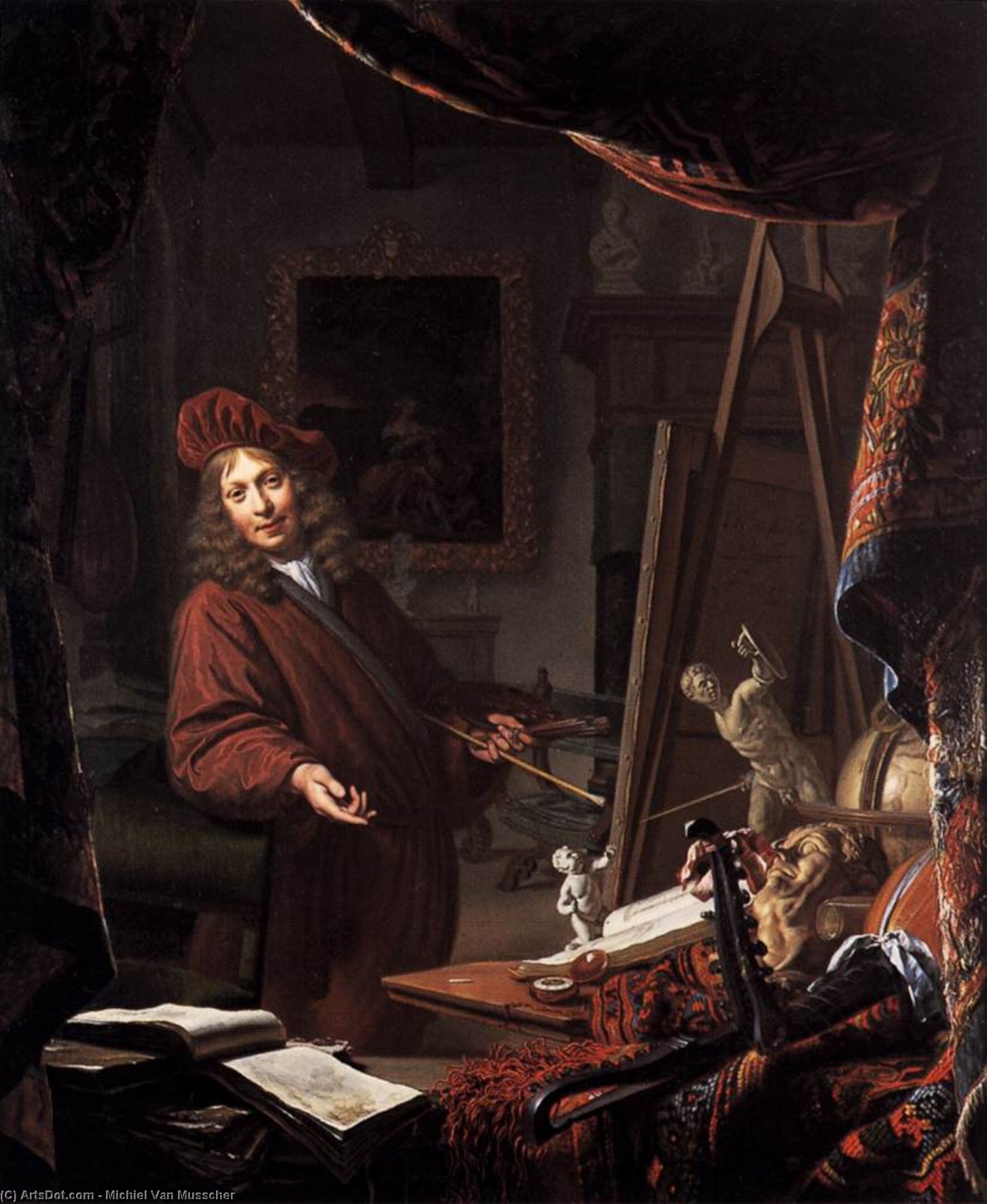
The Painter's Studio
 Oil
Oil- WallArt
- Dutch Golden Age
 1679
1679- Early Modern
 57.0 x 47.0 cm
 Historisch Museum Het Schielandhuis
 詳細を見る
詳細を見る




P118B $10

P118H $10

P118W $10

P438Z $10

P508JH $12

P508YH $12

P805H $10

P805Z $10

P919BZ $10

P919G $10

P919XJ $10

P959ZH $10

P968JZ $12

W106C $8

W218G $10

W218JH $8

W218Y $10

W307PJ $10

W316G $10

W316PJ $8

W316Y $10

W398PJ $8

W4111J $10

W500HY $15

W500JH $15

W692G $12

W849H $8

W940BG $15

W953PJ $8




作品のオリジナル比率に合わせた、当店の規定サイズからお選びください。

特定のフレームやスペースに合わせて、ご希望のサイズをご入力いただけます。選択されたサイズが元の画像の比率と異なる場合、アートワークをトリミングするか、手描きで要素を追加して絵画を拡張いたします。デジタルモックアップ を制作し、制作開始前にご確認(承認)をいただきます。
画面上のプレビューは、実際のトリミングや拡張を正確に反映しているものではありません。最終的な構図は、モックアップによってのみ正確にご確認いただけます。
カスタムサイズもご利用いただけますが、元の比率を維持するためには、あらかじめ用意されたリストからサイズを選択することをお勧めいたします。
ご注文後、OriginalUniqueArt.com チームより詳細な指示をお送りするとともに、仕上がりイメージ(モックアップ)をご提供いたします。


 ガラスオプションは、110cm未満のサイズでのみご利用いただけます。

The Painter's Studio
複製技法
複製画のサイズ
-


合計金額
$ 300
作品解説
A Window into the Dutch Golden Age
In the quiet, light-drenched atmosphere of 1679, Michiel van Musscher captured more than just a moment; he preserved an entire way of life within The Painter's Studio. This evocative masterpiece invites the viewer to step through a threshold into the heart of a seventeenth-century creative sanctuary. At the center of this composition stands a gentleman, draped in a striking red coat that serves as a vibrant focal point against the more muted, scholarly tones of his surroundings. As he holds a book or perhaps a manuscript, there is an undeniable sense of intellectual pursuit and quiet contemplation. The scene is not merely a portrait but a narrative of the era's profound respect for knowledge, art, and the meticulous labor of the creative mind.
The composition is masterfully layered, drawing the eye through a meticulously arranged space filled with the artifacts of a learned life. Scattered books rest upon tables and various surfaces, their presence suggesting a lifetime of study and the weight of accumulated wisdom. A chair sits poised near the table, as if its occupant has only just stepped away, adding a layer of lived-in realism to the studio. In the soft shadows of the background, a second figure emerges—perhaps an assistant or a companion—reminding us that while art is often a solitary pursuit, it is also a communal endeavor, rooted in tradition and shared mastery.
Technique and the Mastery of Light
Van Musscher, a student of greats like Gabriel Metsu and Adriaen van Ostade, demonstrates here his profound command over the Dutch technique of light and texture. The painting utilizes a sophisticated interplay of chiaroscuro, where soft, directional light spills into the room to illuminate the textures of fabric, paper, and wood. One can almost feel the weight of the heavy crimson cloth of the man's coat and the delicate, aged parchment of the books. His brushwork, refined through years of rigorous training in Rotterdam and Haarlem, lends a tactile quality to every object, making the studio feel tangible and three-dimensional.
For the discerning collector or interior designer, this piece offers an unparalleled sense of depth and prestige. The color palette—a sophisticated blend of deep reds, warm ochres, and earthy shadows—provides a timeless elegance that complements both classical and contemporary interiors. Whether placed in a grand library or a modern study, The Painter's Studio acts as a conversational anchor, evoking an atmosphere of sophistication, history, and intellectual curiosity. It is not merely a decoration; it is an invitation to inhabit a world of beauty and profound thought.
アーティストの略歴
A Master of Dutch Refinement: The Life and Art of Michiel van Musscher
Born in Rotterdam in January 1645, Michiel van Musscher emerged during the latter stages of the Dutch Golden Age, a period renowned for its artistic innovation and societal prosperity. From an early age, a remarkable talent for drawing was evident, nurtured by a family with artistic inclinations – his father, though primarily a grocer, had once been a painter, and both grandfathers practiced the craft. This familial connection undoubtedly played a role in shaping young Michiel’s path. His formal training began at fifteen, initially under Martinus Saeghmolen to grasp foundational drawing skills, followed by studies with Abraham van den Tempel where he learned the intricacies of paint mixing and application. However, it was his subsequent engagements with established masters – seven lessons with Gabriel Metsu and a three-month period with Adriaen van Ostade in Haarlem – that truly refined his technique and broadened his artistic horizons. Remarkably, despite the relatively brief duration of these apprenticeships, Van Musscher quickly distinguished himself, a testament to both innate ability and diligent self-practice.Ascension in Amsterdam: Portraiture and Patronage
The pivotal moment in Van Musscher’s career arrived with his relocation to Amsterdam. Securing employment with Jonas Witsen, a wealthy art enthusiast and influential figure within the city's elite circles, proved instrumental in establishing him as a sought-after portraitist. This connection opened doors to commissions from prominent families and societal leaders, allowing Van Musscher to flourish in a competitive artistic landscape. He quickly became known for his meticulous attention to detail, realistic depictions, and an overall refinement that captured the essence of his subjects with remarkable accuracy. While primarily celebrated for his portraits, Van Musscher also ventured into genre scenes, offering intimate glimpses into everyday life during this vibrant era. These works, though less numerous than his portraiture, demonstrate a similar dedication to realism and a keen observation of human interaction. His ability to convey both physical likeness and psychological depth set him apart, making his portraits not merely representations but insightful character studies.Style and Influences: A Synthesis of Dutch Masters
Van Musscher’s artistic style represents a compelling synthesis of the influences he absorbed throughout his training. The foundational skills imparted by Saeghmolen and van den Tempel were skillfully blended with the elegance and narrative flair learned from Metsu, and the earthy realism gleaned from Van Ostade. This amalgamation resulted in a distinctive aesthetic characterized by subdued color palettes, careful attention to light and shadow – creating a sense of depth and volume – and an unwavering commitment to accurate representation. His portraits are particularly notable for their masterful depiction of textures, fabrics, and the subtle nuances of human expression. The Painter’s Studio, one of his most celebrated works, provides a fascinating insight into the artistic practices of the time, offering a glimpse into Van Musscher's working environment and creative process. He wasn’t simply replicating appearances; he was striving to capture the inner lives of those he painted, imbuing each portrait with a sense of personality and dignity.Legacy and Historical Significance
Michiel van Musscher passed away in Amsterdam on June 20, 1705, leaving behind a legacy as one of the most accomplished portraitists of his generation. He trained several pupils, including Ottmar Elliger the Younger and Dirk Valkenburg, ensuring that his skills and knowledge were passed down to future artists. His work remains highly valued today for its historical significance, providing invaluable insights into the lives and appearances of prominent individuals during the Dutch Golden Age. Beyond their aesthetic qualities, Van Musscher’s portraits serve as important documents, offering a visual record of the clothing, customs, and social hierarchies of 17th-century Amsterdam. His paintings are not merely beautiful objects; they are windows into a bygone era. He stands as a testament to the enduring power of realism and the ability of art to capture the spirit of a time, solidifying his place as an important figure in Dutch art history.Notable Works
- Portrait of Eva Visscher, his wife – A tender portrayal showcasing his skill with delicate features and fabric rendering.
- Portrait of Johannes van Waveren Hudde – Depicting the mayor of Amsterdam and mathematician, this work exemplifies his ability to convey intellect and authority.
- Portret van Nicolaes Witsen – A tribute to his influential patron, showcasing a refined elegance befitting Witsen’s status.
- Double Portrait of Isaac Pontanus and Hendrik van Beek - Demonstrates his skill in capturing the dynamic between two figures.
- Thomas Hees and his Servant Thomas and Nephews Jan and Andries Hees – A complex group portrait revealing social dynamics of the time.
Michiel van Musscher
1643 - 1705 , Netherlands
基本情報
- Artistic Movement Or Style: Dutch Golden Age painting
- Artists Or Movements Influenced By This Artist:
- Ottmar Elliger the Younger
- Dirk Valkenburg
- Artists Who Influenced This Artist:
- Martinus Saeghmolen
- Abraham van den Tempel
- Gabriel Metsu
- Adriaen van Ostade
- Date Of Birth: January 1645
- Date Of Death: June 20, 1705
- Full Name: Michiel van Musscher
- Nationality: Dutch
- Notable Artworks:
- Portrait of Eva Visscher
- Johannes van Waveren Hudde
- Nicolaes Witsen portrait
- The Painter's Studio
- Place Of Birth: Rotterdam, Netherlands
関連記事

Golden Light & Dutch Skies: The Timeless Magic of Dutch Golden Age Landscapes
Discover the breathtaking beauty of Dutch Golden Age landscapes. Explore the mastery of light, chiaroscuro, and 17th-century realism through an expert art history lens, celebrating the enduring legacy of the Dutch Masters for discerning collectors and art lovers.

黄金世紀の巨匠たち:バロック絵画が彩る10選|OriginalUniqueArt
オランダ黄金時代の10大傑作を紐解く!レンブラント、フェルメール…バロック絵画の魅力と時代背景を深く探求。OriginalUniqueArtで、至高のアートコレクションと空間演出のヒントを見つけよう。高品質なアートプリントで、お部屋を華やかに。

Golden Age Reflections: Dutch Baroque Painting & Cultural Innovation
Explore the Dutch Golden Age of painting! Discover key artists like Vermeer & ter Borch, their innovative techniques, and the rich cultural context behind these Baroque masterpieces. Learn about collecting & appreciating this iconic art period.

Mastering Light & Shadow: A Journey Through the Dutch Golden Age's Luminous Legacy
Embark on a cultural journey through the Dutch Golden Age. Explore the masterful interplay of light and shadow in 17th-century masterpieces, from Rembrandt to Vermeer, and discover how this era of profound realism continues to inspire fine art collectors today.

Illuminating Innovation: Exploring the Dutch Golden Age of Painting
Explore the Dutch Golden Age of painting with OriginalUniqueArt. Discover Rembrandt, Vermeer & other Masters. Learn about key characteristics, iconic artworks, and lasting influence. Expert insights for collectors & enthusiasts.

