
 送る
送る シェア
シェア
 詳細情報
詳細情報 ガイドを表示

 画像をダウンロード
 似ている作品
 スライドショー
 統計情報
統計情報Lois O
 Photography
- Photo
- Contemporary Realism
 2008
2008 30.0 x 30.0 cm
 アートギャラリーオブニューサウスウェルス
 続きを読む
続きを読む
このページに掲載されている作品は著作権法によって保護されており、当社の許可なく同一の複製物を制作または販売することは法律で禁じられています。この保護は、以下のような国際条約に基づき執行されます。 ベルヌ条約 および、以下の条項に定められたものを含む各国の法律により、 米国著作権法 第17編。
この手法は、著作権で保護された作品の複製や複写を伴わないため、著作権法に完全に準拠しています。これは単なる模倣ではなく、創造的な再解釈です。元の作品からインスピレーションを受けつつも、それとは異なる、全く新しい絵画を生み出すものです。
ジークレー/アートプリント
スピーディーな制作と多彩な仕上げオプションが魅力の、ミュージアムクオリティなジークレー・キャンバスプリント。 ( 手描きの複製画を注文する デジタル画像販売へ切り替え)




































作品のオリジナル比率に合わせた、当店の規定サイズからお選びください。

額縁や壁のスペースに合わせて、ご希望の幅と高さを入力してください。プリントはカットすることは可能ですが、元の画像より大きくすることはできないため、異なる比率のサイズを選択された場合は、画像の一部が欠けることになります。印刷を開始する前に、内容を確認していただくためのデジタルモックアップをお送りいたします。このページに表示されている画像は、実際のカット後の状態を示すものではありません。実際の仕上がりはモックアップにてご確認ください。


 ガラスオプションは、110cm未満のサイズでのみご利用いただけます。

Lois O
ジークレー/アートプリント
複製画サイズ一覧
-


合計金額
¥ 12650
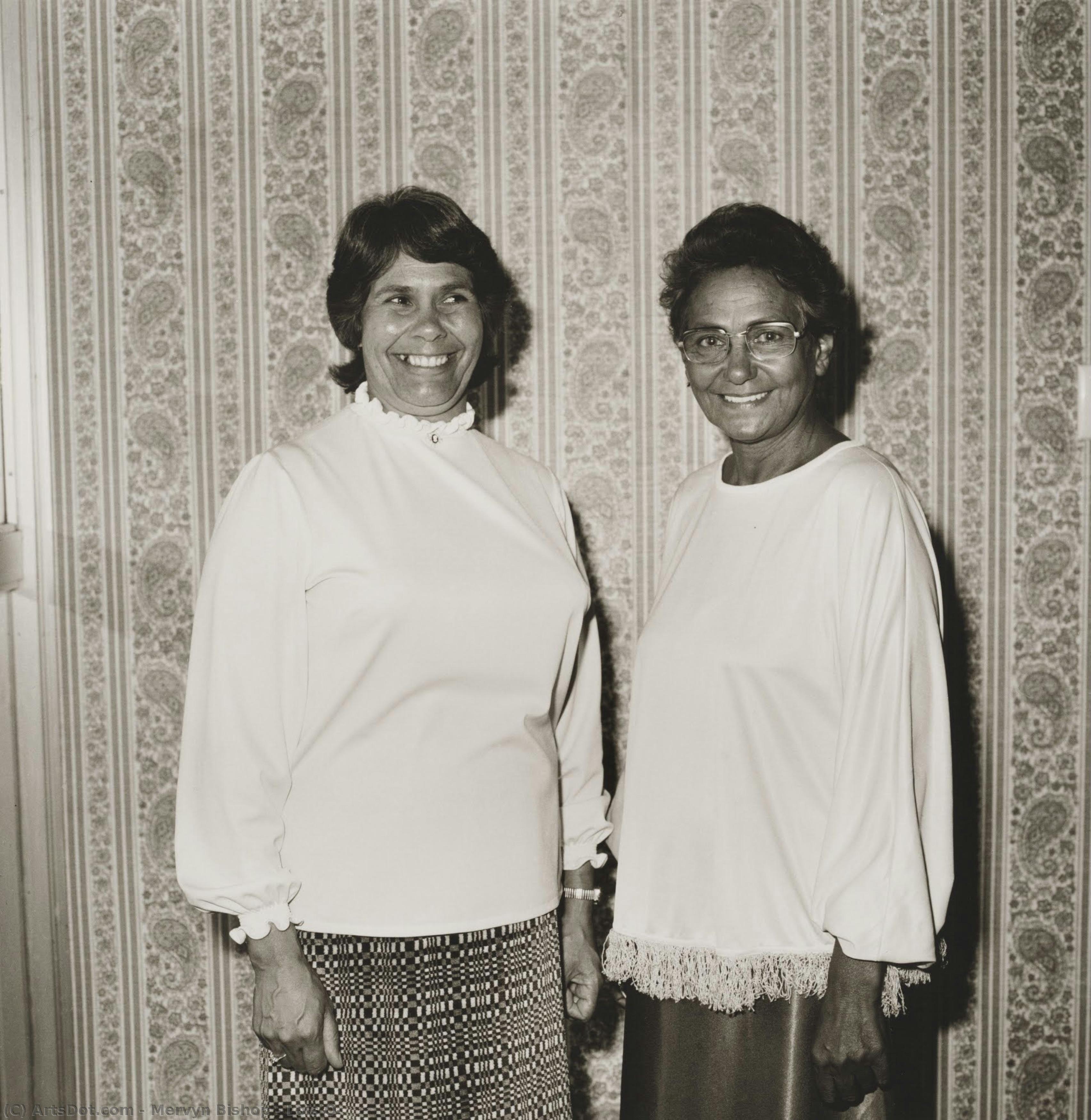
A Window Into Resilience: Mervyn Bishop’s ‘Lois O’Donoghue CBA, AM, and Oodgeroo Noonuccal’
Mervyn Bishop's 1974 photograph, “Lois O’Donoghue CBA, AM, and Oodgeroo Noonuccal,” transcends the simple act of portraiture; it’s a deliberate intervention in the historical record. More than just capturing two remarkable women, Bishop confronts the persistent erasure of Indigenous voices within Australian visual culture. The image, rendered in the starkly beautiful tones of black and white, feels both immediate and deeply resonant, inviting viewers to contemplate the complexities of identity, activism, and the ongoing struggle for recognition.
The photograph’s power lies not just in its subject matter – Lois O’Donoghue, a pioneering figure in Aboriginal affairs and government service, and Oodgeroo Noonuccal, a celebrated poet, educator, and political activist – but also in Bishop's masterful composition. The women are positioned centrally within the frame, their gazes meeting with an unspoken understanding. Their shared presence creates a visual anchor, suggesting solidarity and mutual respect. The subtle tilt of their heads, the slight asymmetry of their postures, imbue the image with a sense of quiet dignity and strength.
A Technical Portrait of Time
Bishop’s technical approach is deliberately rooted in the traditions of documentary photography, yet imbued with a sensitivity that elevates it beyond mere reportage. The photograph utilizes a gelatin silver print process, resulting in a grainy texture that speaks to the materiality of the image itself – a tangible record of a specific moment in time. The lighting is soft and diffused, casting gentle shadows that accentuate the contours of their faces and clothing, revealing the wisdom etched into their features. The choice of a straightforward, frontal perspective underscores the directness of the encounter, fostering a sense of intimacy with the subjects.
Notably, the image’s composition avoids any overtly theatrical elements. There's no elaborate backdrop or carefully arranged props; instead, Bishop focuses on capturing the essence of the women within their natural environment – a simple, patterned wallpaper providing a subtle yet effective visual context. The wallpaper, with its vertical stripes in shades of brown and cream, acts as a grounding element, anchoring the figures while simultaneously hinting at the broader social landscape they inhabit.
Symbolism and Historical Context
The photograph’s significance extends far beyond its aesthetic qualities. It emerged during a pivotal period in Australian history – the 1970s – a time of intense debate surrounding land rights, Indigenous self-determination, and the legacy of colonialism. O’Donoghue's work as a director within the Department of Aboriginal Affairs represented a crucial step towards greater inclusion and recognition for Indigenous Australians within government structures. Noonuccal’s poetry and activism challenged dominant narratives and demanded justice for her people.
By juxtaposing these two powerful women, Bishop subtly critiques the historical tendency to marginalize Indigenous voices in official representations. He offers a counter-narrative – a portrait of resilience, intellect, and unwavering commitment to social change. The photograph’s deliberate framing serves as an act of resistance against the dominant visual tropes that have historically misrepresented Indigenous Australians.
Emotional Resonance and Lasting Impact
“Lois O’Donoghue CBA, AM, and Oodgeroo Noonuccal” is a profoundly moving image. It evokes feelings of warmth, connection, and quiet dignity. The women's warm smiles suggest a shared sense of purpose and mutual respect. The photograph invites viewers to contemplate the enduring legacy of these remarkable individuals and their contributions to Australian society.
More than just a historical document, Bishop’s portrait is a testament to the power of photography as a tool for social justice and cultural preservation. It stands as a poignant reminder of the importance of amplifying marginalized voices and celebrating the strength and resilience of Indigenous communities.
よくあるご質問
マーブリン・ビショップ作「Lois O」 の推奨プリントサイズを教えてください。
マーブリン・ビショップ作「Lois O」には、Mediumのレプリカをおすすめします。比率を維持したまま、サイズを調整することが可能です。
マーブリン・ビショップ作「Lois O」 のプリントを購入するにはどうすればよいですか?
「Lois O」はコットンキャンバスまたはアーカイブ品質のキャンバスペーパーに施されたファインアートプリントとしてご購入いただけます。ご注文はファインアートプリントページにて、お好みのサイズでお選びいただけます。
マーブリン・ビショップ作「Lois O」は、よく知られた作品ですか?
「Lois O」の注目度はRecognizedに分類されます。
アーティストについて
先駆的なレンズ:マーヴィン・ビショップの生涯と作品
マーヴィン・ビショップが写真家として歩んだ道のりは、単なるキャリアの記録ではありません。それは、障壁を打ち破り、歴史を刻み、先住民であるオーストラリアの人々の声を世界に届けるための、たゆまぬ闘いの証なのです。1945年、ニューサウスウェールズ州ブリワリーナに生まれた彼の幼少期は、戦後オーストラリアの複雑な情勢と、アボリジニ・コミュニティを縛り付ける制限的な政策に深く影響されていました。退役軍人であり羊毛刈りでもあった父「ミンティ」・ビショップは、国家に尽くした者に対してさえ同化を強いる社会制度の中で、懸命に生きていました。文化の抹消に静かに抗いながら、家族としての平穏を求めたその背景は、ビショップの視点、そして最終的には彼の芸術の本質へと深く刻み込まれることになります。彼の中に灯った情熱の火種は、母が所有していたコダック620カメラでした。日常の風景をかけがえのない記憶へと変えるその魔法は、生涯続く情熱の礎となったのです。彼は独学で技術を磨き、ダボ高校での正規の学びに入る前、ブリワリーナ周辺の家族の営みの真髄を、レンズを通して捉え続けていました。新たな地平を切り拓く:ジャーナリズムの中で鍛えられたキャリア
1962年、ビショップは「シドニー・モーニング・ヘラルド」誌に、アボリニジ系オーストラリア人として初めて見習い写真家として採用されるという、当時の常識を覆す快挙を成し遂げました。これは単なる個人的な成功にとどまらず、主流メディアにおける構造的な排除を象徴的に打ち砕く出来事でもありました。それから17年もの間、彼はニュース写真の世界に身を置き、地域社会の行事からスポーツの勝利の瞬間まで、あらゆる場面を追い続けました。その間、シドニー技術大学で写真の修了コースを修了し、技術的な専門性を確固たるものにしていきました。ビショップの献身的な姿勢と鋭い眼差しは、瞬く間に高い評価を得ることとなります。1971年には、作品『Life and Death Dash(生と死の疾走)』によって、権威あるニコン・ウォークリー・オーストラリア・プレス・フォトグラファー・オブ・ザ・イヤーを受賞しました。修道女がアボリジニの子供を助けようと駆け寄るこの力強い一枚は、単なる報道写真ではありませんでした。それは社会的不平等、そして先住民コミュニティとキリスト教伝道所の間に存在する、しばしば緊張を孕んだ関係性を突きつける、痛烈な社会的メッセージだったのです。構図、コントラスト、そして剥き出しの感情が共鳴するその作品は、後に彼がオーストラリア社会に与えることになる多大な影響を予感させるものでした。彼は在籍期間中、ヘラルド誌に雇用された唯一の先住民写真家として、次世代のアボリジニ・ビジュアル・ストーリーテラーたちの道を切り拓いたのです。国家の記録者:アボリジニ事務局時代
1974年、ビショップがアボリプリニ事務局へと移ったことは、彼のキャリアにおける決定的な転換点となりました。この役割は、大きな変革期にあり、自己決定権が芽生えつつあった時代において、彼にオーストラリア全土の先住民コミュニティへの前例のないアクセスを可能にしました。彼は「希望の記録者」となり、土地権利交渉や文化復興運動、そしてアボリジニの人々の日常を、繊細かつ敬意を持って記録していきました。そしてここで、彼はおそらく最も象徴的な一枚を捉えることになります。1975年、ゴフ・ウィトラム首相がワッティ・クリークにて、グリンジ族の長老ヴィンセント・リンギアリに土を返還する瞬間です。土地の返還という象徴的な行為を描いたこの瞬間は、単なる出来事の記録を超え、オーストラリアの土地権利運動の不朽のシンボルとなり、先住民の強靭な精神を示す力強い証となりました。その写真は、単にある出来事を写しただけではなく、アボリジニと政府の関係における「新しい時代の誕生」を捉えていたのです。イメージを超えて:影響、遺産、そして続く足跡
マーヴィン・ビショップの影響力は、個々の写真の枠を遥かに超えて広がっています。彼は単に歴史を記録したのではなく、その物語を能動的に形作ってきたのです。彼の作品は、蔓延していたステレオタイプに挑戦し、共感を育み、主流メディアから疎外されがちであった先住民の声にプラットフォームを提供しました。1979年にシドニー・モーニング・ヘラルドへ戻った後、1986年にはフリーランスの写真家として活動を開始し、ナショナル・ジオグラフィック協会などのエージェンシーとも仕事を共にしました。また、教育にも情熱を注ぎ、トランビー・アボリジニ・カレッジやエオラ・カレッジ、シドニー大学のティン・シェッズ・ギャラリーなどで講師を務め、次世代の先住民写真家たちの育成に尽力しました。トレーシー・モファットがキュレーションを手掛けた回顧展『In Dreams: Merv念ビショップ、写真30年 1960–1990』は、国内外を10年にわたって巡回し、オーストラリアの芸術とフォトジャーナリズムにおける指導的な存在としての彼の地位を不動のものにしました。さらに彼は、フィル・ノイズ監督の映画『ラビット・プルーフ・フェンス』(2002年)のスチル写真家としても文化的な貢献を果たしています。2000年にはオーストラリア・カウンシルからレッド・オーカー賞を授与され、その先駆的な功績が認められました。しかし、彼の最大の遺産は、おそらく彼が残したイメージの永続的な力と、今なお私たちに与え続けているインスピレーションの中にあります。ニューサウスウェールズ州立美術館で開催された近年の回顧展は、彼の象徴的なフォトジャーナリズムだけでなく、彼の芸術的ビジョンの個人的なルーツを明かす親密な家族写真をも展示し、その重要性を改めて世に知らしめました。- 受賞歴: ニコン・ウォークリー・オーストラリア・プレス・フォトグラファー・オブ・ザ・イヤー(1971年)、オーストラリア・カウンシル・レッド・オーカー賞(2000年)。
- 主要なテーマ: 先住民のアイデンティティ、社会正義、土地の権利、文化の保存。
- 影響を与えたもの: 自身の家族史とブリワリーナでの成長体験、1970年代に高まったアボリジニ権利運動。

マーブリン・ビショップ
1945 - , オーストラリア
アーティスト情報
- Artistic Movement Or Style: フォトジャーナリズム、ドキュメンタリー
- Date Of Birth: 1945年7月
- Full Name: マーヴィン・ビショップ
- Nationality: オーストラリア人
- Notable Artworks:
- Life and Death Dash (1971)
- Whitlam pouring soil (1975)
- Place Of Birth: オーストラリア、ブリワリーナ
関連記事
Timeless Shadows: The Artistry, History, and Emotional Resonance of Black and White Photography
Explore the profound artistry of black and white photography. From historical mastery to the interplay of light and shadow, discover how monochrome captures timeless emotion and form through a sophisticated lens of art history.

Beyond the Lens: Photography's Enduring Influence on Modern & Contemporary Art
Explore photography's pivotal role in shaping modern & contemporary art. Discover key movements, influential artists like Stieglitz, and expert collecting advice from OriginalUniqueArt.

Dark Masterpieces: 10 Iconic Paintings Dominated by Black Tones |
Explore 10 iconic paintings dominated by black tones, from Rembrandt’s chiaroscuro to Goya's dark expressions. Discover the stories behind these masterpieces & find museum-quality art reproductions for your home at .

Monochrome Visions: Exploring the Aesthetic & Historical Significance of Black & White Photography
Explore the rich history & artistic power of black and white photography. From early techniques to iconic masters like Ansel Adams, discover why monochrome continues to captivate art lovers today. Expert insights for collectors.
Beyond Color: The Timeless Power and Artistry of Black and White Photography
Explore the profound artistry of black and white photography. From the chemistry of gelatin silver to the chiaroscuro of the Old Masters, discover how monochrome captures the eternal essence of light, form, and emotion for the discerning art collector.