

 プレビュー
プレビュー
 シェアする
シェアする シェアする
シェアする
 詳細を見る
詳細を見る

 ダウンロード
 似ている作品
 X線調査
X線調査 スライドショー
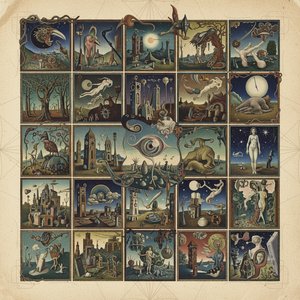
Sigmund Freud, 1932


 詳細を見る
詳細を見る
ジークレー/アートプリント
迅速な制作と多彩な仕上げオプションを備えた、ミュージアムクオリティのジークレーまたはキャンバスプリント。 ( 手描きの絵画を購入 画像を購入)




P118B $10

P118H $10

P118W $10

P438Z $10

P508JH $12

P508YH $12

P805H $10

P805Z $10

P919BZ $10

P919G $10

P919XJ $10

P959ZH $10

P968JZ $12

W106C $8

W218G $10

W218JH $8

W218Y $10

W307PJ $10

W316G $10

W316PJ $8

W316Y $10

W398PJ $8

W4111J $10

W500HY $15

W500JH $15

W692G $12

W849H $8

W940BG $15

W953PJ $8




作品のオリジナル比率に合わせた、当店の規定サイズからお選びください。

特定のフレームやスペースに合わせて、ご自身でサイズを指定することも可能です。選択されたサイズが元の画像の比率と一致しない場合、作品をトリミングするか、鏡面反射または単色での塗りつぶしによって画像を拡張いたします。制作を開始する前に、ご確認用のデジタルモックアップをお送りいたします。
画面上のプレビューには、実際のトリミングや拡張は反映されませんのでご注意ください。最終的な構図を正確に確認できるのは、モックアップのみとなります。
カスタムサイズも承っておりますが、元の比率を維持するためには、あらかじめ用意されたリストからサイズを選択することをお勧めいたします。


 ガラスオプションは、110cm未満のサイズでのみご利用いただけます。

Sigmund Freud, 1932
ジークレー/アートプリント
複製画のサイズ
-


合計金額
$ 80
アーティストの略歴
Edward Hopper: The Solitude of the American Landscape
Edward Hopper (July 22, 1882 – May 15, 1967) remains one of America’s most enduring and enigmatic figures in art. More than just a painter, he was a keen observer of modern life, capturing moments of quiet contemplation, urban isolation, and the subtle beauty found within the commonplace. Born in Nyack, New York – a town steeped in maritime history – Hopper's artistic journey began with a formal education at the New York School of Art under the tutelage of William Merritt Chase and Robert Henri, both influential figures in the American art scene. These early influences shaped his approach to depicting reality, emphasizing form, light, and shadow, while simultaneously fostering a desire to portray the emotional complexities of human experience.
Hopper’s artistic development wasn't immediate or straightforward. Initially drawn to illustration, he experimented with various styles before finding his distinctive voice. His early works, often depicting scenes from New York City, hinted at the themes that would later define his career: loneliness, alienation, and the interplay between individuals within a rapidly changing society. Crucially, Hopper’s artistic trajectory was profoundly influenced by Edgar Degas and Édouard Manet, whose innovative compositions and explorations of modern urban life served as models for his own approach to capturing fleeting moments and conveying underlying moods.
The Palette of Isolation: Themes and Techniques
Hopper's paintings are instantly recognizable for their stark realism combined with a pervasive sense of melancholy. He rarely depicted grand narratives or dramatic events; instead, he focused on intimate scenes—a solitary diner at night, an empty street corner, a couple lost in thought—that evoked a powerful feeling of isolation and introspection. His masterful use of light and shadow played a critical role in establishing this mood, often employing strong contrasts to highlight the emptiness and silence within his compositions.
A key element of Hopper’s technique was his meticulous attention to detail, particularly in rendering architectural spaces. He meticulously observed the geometry of buildings, the patterns of windows, and the way light filtered through them, creating a sense of realism that grounded his scenes in specific locations. Furthermore, he frequently employed cropped compositions, drawing the viewer into the scene and emphasizing its spatial limitations—a technique that amplified the feeling of confinement and solitude.
Notable works like *Nighthawks* (1942) exemplify this approach perfectly. The painting’s stark lighting, isolated figures, and expansive urban backdrop create a powerful sense of unease and alienation, inviting viewers to contemplate the lives and experiences of those within the scene. Similarly, paintings such as *Automat* (1927) and *Office in a Small City* (1938) capture the quiet desperation of modern American life, portraying individuals trapped within their routines and disconnected from one another.
A Life Dedicated to Observation
Edward Hopper’s personal life was inextricably linked to his art. He married Josephine Nivison in 1923, a fellow artist who served as his muse, model, and confidante. Their shared love of New England—particularly the coastal towns of Cape Cod—provided a constant source of inspiration for his paintings. The stark beauty of the landscape, the rhythmic crash of waves, and the quiet solitude of rural life all found their way into his work.
Despite achieving considerable recognition during his lifetime, Hopper remained a private and introspective individual. He deliberately avoided publicity and rarely discussed his artistic intentions, preferring to let his paintings speak for themselves. His commitment to capturing authentic moments of American experience—both the beauty and the loneliness—solidified his place as one of America’s most important artists.
Legacy and Influence
Edward Hopper's influence on 20th-century art is undeniable. His distinctive style—characterized by its realism, isolation, and evocative use of light—has inspired countless artists across a wide range of mediums. His paintings continue to resonate with viewers today because they tap into universal themes of loneliness, alienation, and the search for meaning in an increasingly complex world.
Beyond his artistic achievements, Hopper’s work offers a valuable glimpse into the social and cultural landscape of America during the early 20th century. His paintings capture the spirit of a nation undergoing rapid transformation—the rise of industrialization, urbanization, and mass culture—while simultaneously exploring the enduring human need for connection and belonging. Hopper's legacy endures not only through his iconic images but also as a reminder of the power of art to illuminate the complexities of the human condition.

max halberstadt
1882 - 1940 , Germany
基本情報
- Artistic Movement Or Style: Realism, Impressionism
- Artists Or Movements Influenced By This Artist: ['Impressionism']
- Artists Who Influenced This Artist: ['Robert Henri']
- Date Of Birth: August 12, 1882
- Date Of Death: 1925
- Full Name: George Bellows
- Nationality: American
- Notable Artworks:
- Nude with Hexagonal Quilt
- Woodstock Road, Woodstock
- Jean in a Black Hat
- Place Of Birth: Columbus, Ohio, USA
関連記事
マックス・エルンスト傑作25選:シュルレアリスムの深淵と装飾への誘い
マックス・エルンストの傑作25選。シュルレアリスムを代表する画家、その夢と無意識の世界を描いた絵画や版画を紐解きます。リビングやオフィスに飾るモダンアート、インテリアに最適な作品を見つけませんか?OriginalUniqueArt.comで全コレクションをオンラインで探す。

Monochrome Visions: Exploring the Aesthetic & Historical Significance of Black & White Photography
Explore the rich history & artistic power of black and white photography. From early techniques to iconic masters like Ansel Adams, discover why monochrome continues to captivate art lovers today. Expert insights for collectors.

Beyond the Lens: Photography's Enduring Influence on Modern & Contemporary Art
Explore photography's pivotal role in shaping modern & contemporary art. Discover key movements, influential artists like Stieglitz, and expert collecting advice from OriginalUniqueArt.

Pictorialism: A Search for Artistic Photography's Soul – Aesthetics, Techniques & Legacy
Explore the captivating world of Pictorialism – a pivotal movement that transformed photography into fine art. Discover key artists like Stieglitz & Käsebier, techniques, and collecting tips from experts.

Witnessing History Through Lens & Light: Documentary Photography's Enduring Legacy
Explore the powerful history of documentary photography – from its origins to contemporary masters like Gordon Parks & W. Eugene Smith. Discover how this art form shapes our understanding of society and witness pivotal moments in time.

