
 設置イメージを表示
 シェアする
シェアする シェアする
シェアする
 詳細を見る
詳細を見る ガイドを表示

 ダウンロード
 似ている作品
 X線調査
X線調査 スライドショーを表示
 Q&A
Q&A 統計情報
統計情報The Young Chimaera

- 25.0 x 8.0 cm


 詳細を表示
詳細を表示
このページに掲載されている作品は著作権法によって保護されており、当社の許可なく同一の複製物を制作または販売することは法律で禁じられています。この保護は、以下のような国際条約に基づき執行されます。 ベルヌ条約 および、以下の条項に定められたものを含む各国の法律により、 米国著作権法 第17編。
この手法は、著作権で保護された作品の複製や複写を伴わないため、著作権法に完全に準拠しています。これは単なる模倣ではなく、創造的な再解釈です。元の作品からインスピレーションを受けつつも、それとは異なる、全く新しい絵画を生み出すものです。
ジークレー/アートプリント
スピーディーな制作と多彩な仕上げオプションが魅力の、ミュージアムクオリティなジークレー・キャンバスプリント。 ( 手描き複製画を注文する デジタル画像販売へ切り替え)




P118B ¥10

P118H ¥10

P118W ¥10

P438Z ¥10

P508JH ¥12

P508YH ¥12

P805H ¥10

P805Z ¥10

P919BZ ¥10

P919G ¥10

P919XJ ¥10

P959ZH ¥10

P968JZ ¥12

W106C ¥8

W218G ¥10

W218JH ¥8

W218Y ¥10

W307PJ ¥10

W316G ¥10

W316PJ ¥8

W316Y ¥10

W398PJ ¥8

W4111J ¥10

W500HY ¥15

W500JH ¥15

W692G ¥12

W849H ¥8

W940BG ¥15

W953PJ ¥8




作品のオリジナル比率に合わせた、当店の規定サイズからお選びください。

額縁や壁のスペースに合わせて、ご希望の幅と高さを入力してください。プリントはカットすることは可能ですが、元の画像より大きくすることはできないため、異なる比率のサイズを選択された場合は、画像の一部が欠けることになります。印刷を開始する前に、内容を確認していただくためのデジタルモックアップをお送りいたします。このページに表示されている画像は、実際のカット後の状態を示すものではありません。実際の仕上がりはモックアップにてご確認ください。


 ガラスオプションは、110cm未満のサイズでのみご利用いただけます。

The Young Chimaera
ジークレー/アートプリント
複製画サイズ一覧
-


合計金額
¥ 12790
A Visionary Drum: Decoding Max Ernst’s ‘The Young Chimaera’
‘The Young Chimaera’ (1920) by Max Ernst is a captivating work that embodies the spirit of early Surrealism, even as it hints at earlier influences. Measuring just 25 x 8 cm, this small-scale piece possesses an outsized presence, drawing viewers into its enigmatic world.Subject and Style: Ritual and Primitivism
The artwork depicts a slender figure carrying a substantial drum upon their head. The style is deliberately *stylized*, leaning towards illustrative forms reminiscent of folk art or tribal imagery. Ernst employs simplified shapes – circles, rectangles, angular lines – to construct the figure and its burden. This deliberate reduction isn’t about inaccuracy; it's about accessing something primal and symbolic. The composition is vertical, emphasizing the figure’s upward reach and suggesting a ceremonial or ritualistic context. The subject matter evokes ancient practices, hinting at shamanic traditions where drumming serves as a conduit to other realms.Technique and Materials: Watercolor’s Ethereal Touch
Ernst executed ‘The Young Chimaera’ using watercolor or gouache on paper. The technique is characterized by loose brushwork and washes of color, creating a textured surface that feels both tactile and dreamlike. The background isn't merely a backdrop; it’s an atmospheric wash of yellow, green, and blue hues that contribute to the overall sense of mystery. This diffused lighting, lacking strong shadows, enhances the ethereal quality of the scene.Historical Context: Dadaism & the Birth of Surrealism
Created in 1920, ‘The Young Chimaera’ sits at a pivotal moment in art history. Ernst had recently emerged from the Dada movement – an anti-establishment response to the horrors of World War I – and was beginning to explore the nascent ideas that would define Surrealism. Dada rejected logic and reason, embracing absurdity and chance. While ‘The Young Chimaera’ isn't overtly chaotic like some Dada works, it shares a similar rejection of traditional representation and an interest in the subconscious. Ernst’s experimentation with techniques like frottage (rubbing textures onto paper) – which he would later perfect – is foreshadowed here in his expressive use of brushwork and texture.Symbolism: The Drum as Conduit
The drum itself is a potent symbol, resonating across cultures. It represents rhythm, power, communication, and often serves as a focal point for ritualistic practices. In this context, the figure carrying the drum can be interpreted as an intermediary – a vessel through which energies are channeled. The chimaera of the title—a mythical creature composed of disparate parts—suggests a blending of realities or states of consciousness, aligning with Surrealist interests in dreams and the irrational.Emotional Impact & Interior Design Considerations
‘The Young Chimaera’ evokes a sense of quiet reverence and mystery. The figure's posture suggests both burden and purpose, creating an intriguing tension. Its small size makes it ideal for intimate spaces – a study, bedroom, or hallway. For interior designers, the artwork’s muted color palette and stylized form would complement minimalist or bohemian aesthetics. It could serve as a focal point in a gallery wall arrangement or add a touch of intellectual curiosity to a more traditional setting. The piece's enigmatic quality invites contemplation, making it a conversation starter and a source of ongoing inspiration.Collecting & Reproductions
As an early work from a pivotal figure in 20th-century art, original prints of ‘The Young Chimaera’ are highly sought after by collectors. High-quality reproductions allow art enthusiasts to experience Ernst's visionary style and symbolic depth within their own spaces.Q&A
マックス・エルンスト作「The Young Chimaera」の形式には、どのような配置が適していますか?
Tallの形状を活かした「The Young Chimaera」の複製画は、Living Roomに飾るのがおすすめです。
「The Young Chimaera」の作者と制作年はいつですか?
「The Young Chimaera」は、1920年にマックス・エルンストによって制作されました。
「The Young Chimaera」のスタイルは、作者が生きた時代とどのように関わっていますか?
マックス・エルンスト作「The Young Chimaera」には、Surrealismの潮流と近代美術の時代が融合しています。
作家プロフィール
マックス・エルンストの生涯とルーツ
マックス・エルンストは、1891年4月2日、ドイツのブリュールに生を受けました。9人兄弟の3番目として、中流階級のカトリック家庭で育った彼の幼少期は、静かで規律正しい空気に包まれていました。父フィリップは耳の不自由な人々のための教師であり、同時にアマチュアの画家でもありました。この父の存在こそが、少年が初めて芸術の道具に触れ、表現の営みを知るきっかけとなったのです。
1909年、ボン大学の学生であった頃、マックス・エルンストは絵画を描き始めます。この時期の彼は、視覚的な世界に対して急速に感性を研ぎ澄ませていきましたが、その探求の道は後にキャンバスの枠を遥かに超えて広がっていくことになります。彼は画家、彫刻家、版画家、グラフィックアーティスト、そして詩人として、多種多様な媒体を自在に操る表現者となりました。初期の活動は、単に一つの表現スタイルを確立することではなく、世界や人間の精神をいかにして描き出すかという、飽くなき好奇心に突き動かされた探求のプロセスであったと言えるでしょう。
学問への探求と初期の芸術的影響
マックス・エルンストの芸術への道のりは、人間の精神と思考の構造に対する深い好奇心によって形作られました。ボン大学に在籍していた頃、彼は単に筆とキャンバスだけに没頭していたわけではありませんでした。むしろ、哲学、美術史、文学、心理学、そして精神医学の研鑽にその時間を費やしたのです。これらの学問は、単なる美学の枠を遥かに超え、世界を理解するための強固な基盤を彼に与えました。彼は存在の根底にある理由に惹かれ、精神のメカニズムや人間表現の歴史を解き明かそうと努めていました。この知的な土台があったからこそ、後に彼は伝統的な再現表現を脱し、経験のより深淵で非合理的な層を探求することができたのです。
彼の初期の歩みは、ドイツの芸術コミュニティとの繋がりを深めていく過程でもありました。1911年には「ライン・エクスプレッショニスト(Die Rheinischen Expressionisten)」の一員となり、この時期の彼は、新たな視覚言語を追い求める日々を送っていました。そして1912年、ケルンで開催されたゾンダーブント展への訪問が、彼の人生における決定的な転換点となります。パブロ・ピカソ、フィンセント・ファン・ゴッホ、そしてポール・ゴーギャンの作品との出会いは、彼の視界を劇的に変えました。これらの芸術家たちは、確立された規範から脱却するための道筋を彼に提示したのです。彼らのアプローチに強く惹かれたことで、マックス・エルンストは、その後のキャリアを決定づけることになる過激な実験的探求へと踏み出すことになりました。
第一次世界大戦の影響
第一次世界大戦の勃発は、マックス・エルンストの人生の軌道を根本から断ち切るものとなりました。彼は徴兵され、最前線の兵士として4年もの歳月を過ごすことになります。砲兵として、東部戦線と西部戦線の双方における残酷な現実を目の当たりにしたのです。その経験は、単なる学業の中断というレベルに留まるものではありませんでした。それは、彼の精神に深く刻み込まれた、抗いようのない心理的衝撃だったのです。目撃した混沌と破壊の光景は、彼の心を激しく揺さぶり、近代社会とその既成秩序に対する、拭い去ることのできない懐疑心を植え付けました。
紛争がもたらしたトラウマは、かつての自分自身を消し去ってしまうほどに絶対的なものでした。彼は自伝の中で、この「内なる死」について驚くほど鮮明に綴っています。1914年8月1日、マックス・エルンストは死んだ、と。この喪失感と、その後に続いた幻滅こそが、後に彼を、既存の理性を否定する急進的な芸術運動へと突き動かしていくことになるのです。
ダダイズムとケルンのグループ
第一次世界大戦がもたらした混沌は、マックス・エルンストの心に、近代社会の構造に対する深い懐疑心を植え付けました。1919年、この幻滅はケルンという地で一つの声となり、彼はハンス・アルプ、ヨハネス・テオドール・バーゲルドと共鳴し、ケルン・ダダ・グループを結成します。それは、激しく、そして落ち着きのない創造の時代でした。新たな仲間たちと共に、彼はDer Stromやdie Schammadeといった短命な雑誌の創刊にも携わり、印刷された言葉を武器に、芸術が許容される境界線を押し広げようと試みたのです。1919年に美術史を学ぶ学生であったルイーゼ・ストラウスと結婚したこともあり、彼の創造活動と私生活の両面において、急進的な変容が訪れた時期でもありました。
この数年間、マックス・エルンストは伝統的な絵画の枠組みから離れ、構成という新たな言語を見出し始めます。1919年には最初のコラージュ作品を生み出し、断片的なイメージを組み合わせることで、元の素材からは想像もつかない全く別の何かを創り出していきました。この時期の顕著な初期の例として、リトグラフのポートフォリオであるFiat modesが挙げられ、そこには断片化された構成への彼の高まる関心が鮮明に示されています。これらの実験は、単なる様式上の選択ではありませんでした。それは、もはや一貫性も合理性も失われてしまった世界を、いかにして生き抜き、理解していくかという切実な試みだったのです。
パリにおけるシュルレアリスム運動
1922年、ダダイズムの時代を突き動かしてきたあの絶え間ないエネルギーは、マックス・エルンストがフランスへと移住したことで、新たな安住の地を見出しました。彼はパリの知的な社交界へと溶け込み、シュルレアリストたちの間で自らの居場所を見出していきます。彼はアンドレ・ブルトンが率いる緊密なグループの一員となり、人間の精神における未知なる領域、すなわち未踏の地図を描き出そうとする試みに身を投じたのです。それは、芸術が表現し得る境界線を、夢や無意識という深淵な領域へと押し広げていくような、強烈な共鳴と共通の目的を持った時代でした。
この円環の中で、マックス・エルンストの存在感は、言葉と視覚的イメージに対する深い探求心によって際立っていました。彼は雑誌リテラチュールにおいてポール・エリュアールと共同作業を行い、そのプロジェクトはシュルレアリスム運動の広がりを定義づける重要な役割を果たしました。この時期の彼の歩みは、非合理的なものを視覚化するための新たな手法を追い求める、終わりのない探求に満ちていました。そして1924年、彼の飽くなき好奇心はパリの街を越え、インドシナへと彼を誘います。この旅の経験は、拡大し続ける彼の世界観に、さらなる深みと層をもたらすこととなりました。
- エディプス王
- セレベス
革新的な技法と芸術的手法
マックス・エルンストは、意識の制御をすり抜けようと試み続けた、飽くなき探求者でした。彼はしばしば、偶然の中にこそイメージの源泉があることを見出しました。そこから生まれたのが、テクスチャのある表面の上に紙を置き、鉛筆や木炭で擦り付けることで形を浮かび上がらせるフロッタージュという技法です。この単純な擦過という行為によって、木目のうねりや葉の脈動から、予期せぬ形が魔法のように現れるのです。彼はこの概念をさらに推し進め、キャンバスに塗った絵の具を掻き落とすことで、下に置かれたオブジェクトの質感を露わにするグラタージュへと発展させました。これらの手法は、有機的でありながらどこか異質な、不思議な感覚を湛えた風景を描き出すことを可能にしたのです。
また、非合理性への深い関心は、彼をデカルコマニーという領域へと導きました。塗料を別の表面に押し付けることで、まるで夢の中から浮上してきたかのような、夢幻的な歪みや重層的な効果を生み出したのです。さらに、彼はコラージュの達人でもありました。科学的な図解や雑誌の切り抜きといった、本来は結びつくはずのない断片を注意深く組み合わせ、私たちの現実認識を揺さぶるような構成を作り上げました。彼は単に情景を描いたのではありません。彼は、自分を取り巻く世界の断片から、新たな世界を構築したのです。
- セレベス象 (1921)
- 雨のあとのヨーロッパ II (1942)
- 花嫁の装い (1940)
鳥の象徴性とロプロップ
マックス・エルンストの生涯には、鳥に対する奇妙で個人的な執着が常に付きまとっていました。それは単なる自然界への興味ではなく、幼少期の記憶に深く根ざした、抗いがたい強迫観念に近いものでした。彼は、自分のお気に入りのペットの鳥が亡くなった瞬間、ちょうど妹が誕生したという出来事を鮮明に覚えていました。この偶然の一致は、彼の精神の中で生と死という概念を融合させ、鳥を予兆と神秘を孕んだ象徴へと変貌させたのです。彼にとって鳥とは、人間の経験と超自然的な世界の境界を繋ぐ、架け橋のような存在でした。
この魅惑は、やがて「ロプロップ」と呼ばれる、鳥の姿をしたフロイト的な自己の分身(アルター・エゴ)という、極めて心理的な形をとるようになります。このキャラクターは、単なる繰り返されるモチーフではありませんでした。それは、彼の精神の風景を案内するガイドだったのです。ロプロップが初めて正式に姿を現したのは、1929年のコラージュ・ノベルLa Femme 100 Têtesにおいてでした。その作品の中で、鳥は語り手として機能し、組み立てられたイメージと断片化された現実の連なりの中を、読者を導いていきます。ロプロップを通じて、マックス・エルンストは無意識下の不条理な衝動を擬人化し、論理を拒絶する自分自身の一部に、顔、あるいは「嘴(くちばし)」を与えることに成功したのです。
- 森と鳩
亡命とアメリカでの生活
第二次世界大戦の暗い影は、ついにフランスにいた彼の安息の地をも飲み込みました。1938年、政治的情勢は彼に対して急速に厳しさを増し、彼はエクス=アン=プロヴァンス近郊のキャンプ・デ・ミルに収容されることとなります。ナチス政権によって「望ましくない外国人」の烙印を押されたこの抑圧的な時期は、彼の心に重い影を落としました。戦争が激化するにつれ、自身の置かれた状況への不安は募り、ついに彼はヨーロッパで築き上げた生活を捨て、新たな地へ向かう決断を迫られたのです。
彼に救いの手を差し伸べたのは、ペギー・グッゲンハイムの存在でした。1941年、彼はニューヨークへと逃れ、多くの同時代の芸術家たちの避難所となりつつあったその街へと辿り着きます。この移住は単なる環境の変化ではなく、存在そのものの根底からの変容を意味していました。1942年、混沌とした時代の中で、彼とグッゲンハイムは結婚し、互いの中に心の安らぎを見出します。アメリカ滞在中も、マックス・エルンストは飽くことなく実験を続け、無意識の質感をキャンバスへと写し取るための新たな表現を追い求め続けました。
- Napoleón en el desierto (1941)
- Day and Night (1941)
- Europe after the Rain II (1942)
晩年と最後の作品
長年にわたるアメリカでの生活を経て、マックス・エルンストは1953年に再びパリの地へと帰還しました。この帰郷は、彼が生涯をかけて挑み続けてきた実験的な探求が、大きな評価を受ける重要な転換点となりました。1954年には、第27回ヴェネツィア・ビエンナーレにおいて絵画部門のグランプリを受賞するという栄誉に浴しています。晩年に至るまで、彼は自身の表現媒体の境界を押し広げる探求を止めることなく、芸術界における確固たる地位を築き続けました。
彼の尽きることのない好奇心は、時に脆さと永続性を併せ持つ素材へと彼を誘いました。1966年に制作されたガラス製のチェスゲーム『Immortel(不死)』は、その象徴的な作品の一つです。この作品には、かつてフロッタージュやグラタージュを通じて数十年にわたり解明してきた質感の探求と同様に、物質が持つ物理的な特性の中に魔法を見出す彼の卓越した感性が反映されています。マックス・エルンストは、1976年4月1日にパリでその生涯を閉じるまで、創造的な情熱を燃やし続けました。
今日の彼の作品に触れるために
マックス・エルンストの絶え間なき想像力の痕跡を辿るには、世界各地の主要な文化拠点へと旅をすることになります。ヴェネツィアでは、ペギー・グッゲンハイム・コレクションが、彼とシュルレアリスムの円環との深い結びつきを物語る作品を収蔵しています。また、メトロポリタン美術館の展示室においても、その存在感は色濃く漂っており、質感や形態に対する彼の実験的な試みが、20世紀初頭の芸術的変遷を研究する人々のために大切に保存されています。
旅の途中で、エディンバラのスコットランド国立美術館を訪れれば、彼の作品に出会うこともできるでしょう。そこにあるコレクションは、彼のヴィジョンを間近で体感できる貴重な機会を与えてくれます。さらに、シュトゥットガルト州立美術館やテルアビブ美術館にも重要な作品が収蔵されており、彼の芸術的影響力が大陸を越えて脈々と受け継がれていることを示しています。これらの美術館は、彼がイメージを紡ぎ出すために削り、擦りつけたキャンバスの実際の質感を生きた遺産として守り続けているのです。
- 全都市(1936年頃)
- 雨のあとのヨーロッパ II (1942年)
- 花嫁の衣装 (1940年)
- エディプス王 (1922年)
- エレファント・セレベス (1921年)
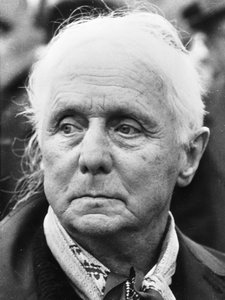
マックス・エルンスト
1891 - 1976 , ドイツ
プロフィール概要
- Artistic Movement Or Style:
- ダダイズム
- シュルレアリスム
- Artists Or Movements Influenced By This Artist: ['シュルレアリスム']
- Artists Who Influenced This Artist:
- パブロ・ピカソ
- フィンセント・ファン・ゴッホ
- ポール・ゴーギャン
- Date Of Birth: 1891年
- Date Of Death: 1976年
- Full Name: マクシミリアン・マリア・エルンスト
- Nationality: ドイツ
- Notable Artworks:
- 全都市
- エウクリデス
- このことを人は知るべきではない
- 森と鳩
- Place Of Birth: ドイツ、ブリュール
関連記事

The Magic of Gouache: Mastering the Opaque Beauty and Textural Depth of Water-Based Artistry
Discover the captivating world of gouache. Explore how its unique opacity and matte texture offer a profound alternative to watercolor, much like the masterful light-drenched works of the Impressionists. Dive into the history, technique, and enduring beauty of this versatile medium.
Kuzma Petrov-Vodkin: A Pioneer of Russian Spiritual Symbolism & the Avant-Garde
Explore the captivating world of Kuzma Petrov-Vodkin, a pivotal figure in Russian avant-garde and spiritual symbolism. Discover his iconic works, unique style & lasting influence on 20th-century art.

Dada: A Revolution of Anti-Art & the Rejection of Reason in Early 20th Century Aesthetics
Explore the revolutionary Dada art movement! Discover its origins, key artists like Duchamp & Arp, and lasting impact on modern art. A deep dive into anti-art & challenging conventions.

マックス・エルンスト傑作25選:シュルレアリスムの深淵と装飾への誘い
マックス・エルンストの傑作25選。シュルレアリスムを代表する画家、その夢と無意識の世界を描いた絵画や版画を紐解きます。リビングやオフィスに飾るモダンアート、インテリアに最適な作品を見つけませんか?OriginalUniqueArt.comで全コレクションをオンラインで探す。

The Symphony of Canvas: Capturing the Timeless Resonance of Musical Instruments in Fine Art Masterpieces
Explore the profound connection between music and fine art. From ancient iconography to Impressionist masterpieces, discover how legendary instruments are captured on canvas with unparalleled artistry and historical depth for the discerning collector.


