

 プレビュー
プレビュー
 シェアする
シェアする シェアする
シェアする
 詳細を見る
詳細を見る ガイド
ガイド

 ダウンロード
 似ている作品
 X線調査
X線調査 スライドショー
 統計情報
統計情報The Fall of an Angel
 Collage
- WallArt
- Surrealist Collage
 High Medieval
 44.0 x 34.0 cm
 詳細を見る
詳細を見る
オンラインプレビューをはるかに凌ぐ、高解像度で鮮明なデジタル画像をご購入いただけます。
各ファイルは、社内の専門家が高度なツールと熟練した手作業によるレタッチを用いて、細心の注意を払って準備されています。すべての画像において、卓越した鮮明度、正確な色彩再現性、そして繊細なディテールを保証いたします。
最終ファイルは、プロフェッショナルな編集・印刷環境ですぐにご利用いただけるよう最適化された状態で、72時間以内にメールにてお届けいたします。これは、一流のデザインスタジオ、出版社、ギャラリーから信頼されているものと同等の品質です。
デジタルアート
個人での鑑賞、印刷、クリエイティブなプロジェクト用に、高解像度ファイルをダウンロードできます。 ( プリント版に切り替え 手描きの絵画を購入)
デジタル画像のご注文に付随する特典
高品質なデジタル画像配信を、確かな品質で。
OriginalUniqueArt.com を選ぶことは、単に画像を手に入れることではありません。それは、プロの手によって精密に仕上げられ、満足保証が付いた高品質なデジタルアートワークを受け取ることを意味します。ご注文いただいた際に自動的に付随する内容は、以下の通りです:

メールですぐにお届け
ご注文から72時間以内に、高解像度のデジタル画像ファイルがメールでお手元に届きます。すぐにそのままご利用いただけます。

AI技術で最適化されたデジタルファイル
お客様の作品は、高度なAIツールと専門家による手作業の編集を組み合わせてプロフェッショナルに最適化されており、細部のディテール、鮮明さ、そして正確な色再現性を最大限に引き出しています。

一生涯無料の再送サービス
ファイルを誤って削除したり、紛失してしまったりしましたか?ご安心ください。いつでも無料で再送いたします。

輸入手数料は一切かかりません
関税や手数料、配送料を気にすることなく、お気に入りのアートワークをすぐにお楽しみいただけます。デジタルダウンロードは常に免税です。

色彩再現の保証
プロ仕様のツールとカラーマネジメント技術を用いることで、デジタル画像が元の色を最大限に忠実に再現することを保証いたします。

100日間満足保証
ご購入いただいたデジタル画像にご満足いただけない場合は、100日以内であれば、理由を問わず修正または100%の返金対応をさせていただきます。

100% 返金保証
ご満足いただけない場合は、デジタルファイルを受け取ってから100日以内であれば、理由を問わず全額返金いたします。

まとめ買い割引
3枚購入で10%OFF - 5枚購入で15%OFF - 10枚以上購入で20%OFF。クリエイティブなプロジェクト、ギャラリー、エージェンシーに最適です。
The Descent Unveiled: Exploring Max Ernst’s “The Fall of an Angel”
Max Ernst's "The Fall of an Angel" (La Chute d'un ange), painted in 1924, isn’t merely a depiction of a falling figure; it’s a potent distillation of the anxieties and revolutionary spirit simmering within the Dada movement. This arresting collage, measuring a modest 44 x 34 cm, immediately commands attention with its fragmented composition and unsettling beauty. It's a work that invites prolonged contemplation, revealing layers of symbolism and challenging viewers to confront themes of loss, rebellion, and the fractured nature of reality – all hallmarks of Ernst’s unique artistic vision.
The painting’s foundation lies in the Dada ethos: a deliberate rejection of established artistic conventions and a fervent embrace of irrationality. Ernst, deeply affected by his experiences during World War I, sought to dismantle traditional notions of art as representation, instead prioritizing process and emotional impact. “The Fall of an Angel” embodies this shift perfectly. The central image – a man plummeting from what appears to be a rotating wheel or ring – is not presented with heroic grandeur but rather with a disconcerting sense of vulnerability and abandonment. This deliberate lack of conventional narrative forces the viewer to actively participate in constructing meaning, mirroring the Dadaist desire to dismantle fixed interpretations.
A Symphony of Materials: Technique and Composition
What immediately strikes the eye is Ernst’s masterful manipulation of collage. He didn't simply juxtapose images; he wove together a diverse array of materials – paper, fabric, found objects – creating a textured surface that vibrates with visual energy. The use of contrasting elements—the smooth curves of the circular forms against the rougher textures of the paper and fabric—further amplifies this effect. Notice, too, the strategic placement of the umbrella, an unexpected element that adds to the painting’s surreal quality and perhaps hints at a lost protection or a futile attempt to shield oneself from the inevitable fall.
Beyond the collage technique itself, Ernst employs a sophisticated use of line and color. The dominant vertical lines create a sense of instability and downward momentum, mirroring the figure's descent. The muted blues of the sky contrast sharply with the vibrant red and blue stripes surrounding one of the circular forms, drawing the eye to this focal point and suggesting a potential source of both danger and allure. The inclusion of two birds – one positioned high in the upper left corner, another lower right – adds an element of symbolic weight, perhaps representing observation, freedom, or even the fleeting nature of hope amidst chaos.
Roots in Rebellion: Dadaism and Beyond
"The Fall of an Angel" is inextricably linked to the Dada movement, a reaction against the horrors of World War I. Dadaists sought to expose the absurdity of societal values and challenge established power structures through art that defied logic and reason. Ernst’s work exemplifies this spirit perfectly, rejecting traditional representations of beauty and heroism in favor of unsettling imagery and fragmented compositions. The painting's deliberate ambiguity—the identity of the fallen figure remains unknown, the cause of his descent unclear—reflects Dadaism’s rejection of definitive answers and its embrace of open-ended interpretation.
Furthermore, “The Fall of an Angel” anticipates elements of Surrealism, a movement that emerged from the ashes of Dada. Like many Surrealist artists, Ernst explored the realm of dreams and the subconscious mind, seeking to tap into primal emotions and irrational impulses. The painting’s unsettling atmosphere and dreamlike quality suggest a deep engagement with the hidden depths of the human psyche – a theme central to Surrealist art.
A Timeless Symbol: Interpretation and Resonance
Ultimately, “The Fall of an Angel” is a profoundly evocative work that continues to resonate with viewers today. It’s not simply a depiction of a falling figure; it's a meditation on loss, disillusionment, and the precariousness of human existence. The painting invites us to contemplate our own vulnerabilities and the potential for unexpected descent in life – whether literal or metaphorical. Its enduring power lies in its ability to provoke questions rather than providing easy answers, cementing its place as a significant example of Max Ernst’s artistic genius and a cornerstone of 20th-century art.
作家の略歴
マックス・エルンスト:シュルレアリスムの先駆者、夢と技法の探求
マックス・エルンストは、1891年4月2日にドイツのブリュールで生まれ、20世紀美術における最も重要な芸術家の一人として記憶されています。彼の人生は、哲学的な探究心、心理学への深い関心、そして社会規範に対する強い反抗心によって推進された、自己主導型の芸術的探求でした。エルンストの父親は耳の不自由な人々を教える教師であり、アマチュア画家でもありました。この環境が、彼に世界に対する感受性と権威に対する反逆心を植え付けたのです。幼少期から培われたこの二面性は、彼の芸術的ビジョンの根幹となりました。ボン大学での学業 – 哲学、美術史、文学、心理学、精神医学を網羅する – は単なる余興ではなく、その後の作品に深く影響を与える基盤となりました。彼は絵を描く方法だけでなく、「なぜ」描くのかという問いに向き合っていたのです。 1912年のケルンで開催されたゾンダーブント展でピカソ、ゴッホ、ゴーギャンの革新的な作品に出会い、彼の芸術的軌道は決定的に変化しました。第一次世界大戦の勃発は、エルンストにとって転換点となりました。東部および西部戦線での兵役経験は彼を深く傷つけ、確立された秩序に対する深い懐疑感と、新たな表現方法への渇望を生み出しました。この失望感が肥沃な土壌を見つけたのが、台頭してきたダダイスムでした。エルンストはこれを熱心に受け入れ、ハンス・アルプと共にケルンのダダイ集団の中核を担い、伝統的な芸術的慣習を拒否し、不条理、偶然性、非合理性を抱きしめました。しかし、ダダイズムは単なる通過点でした。1920年代初頭にパリに移住したエルンストは、アンドレ・ブルトン率いるシュルレアリスムの仲間入りを果たしました。これは、夢の世界、無意識、そして非合理を探求することへのシフトを意味しました。ジークムント・フロイトの精神分析理論の影響を受け、エルンストは芸術を通して人間の経験の深層にある心理的な力を明らかにするよう努めました。革新的な技法:フロッタージュ、グラタージュ、コラージュ
エルンストの芸術的革新は主題だけでなく、技法にも及びました。彼は既存の方法を単に採用するのではなく、新しいものを発明しました。おそらく最も有名な貢献はフロッタージュです。これは、様々な素材の表面の質感に鉛筆や木炭で擦り込むことで、予期せぬ表現力豊かなイメージを生み出すプロセスです。この技法は、退屈な瞬間から生まれたものであり、エルンストが無意識に触れ、意図的に制御できない形を生成することを可能にしました。密接に関連するものとしてグラタージュがあり、キャンバスに塗られた絵の具を掻き落とし、その下に置かれたオブジェクトの痕跡を現出させます。 彼はまた、雑誌からの切り抜き、科学的イラストレーション、写真など、様々な要素を組み合わせたシュールな構成を作り出すコラージュも巧みに使用しました。これらの技法は単なる様式的な選択ではなく、無意識を探求し、伝統的な芸術的境界線を破壊したいという彼の願望に不可欠でした。彼の絵画には、しばしば反復する象徴的なイメージが見られます。鳥(特に彼のもう一人の人格であるロプロップ)、荒涼とした風景、不穏な組み合わせ、そして蔓延する神秘主義です。影響と遺産
第二次世界大戦の勃発は、エルンストをヨーロッパからの亡命へと追い込みました。彼はアメリカ合衆国で避難し、亡くなるまで新しい技法を実験しながら絵を描き続けました。戦後、彼はフランスに戻り、1954年には第27回ヴェネツィア・ビエンナーレで芸術的業績全体に対してグランプリを受賞し、国際的な評価を得ました。彼の作品は、その後の世代のアーティストに計り知れない影響を与えました。 マックス・エルンストのダダイズムとシュルレアリスムへの貢献は、画期的でした。彼は芸術規範に挑戦し、人間の心の深淵を探求し、今日までアーティストにインスピレーションを与え続けている革新的な技術を発明しました。彼は単なる画家ではなく、探検家であり、挑発者であり、芸術そのものの境界線を拡大した先見の明を持った人物でした。彼の作品は、想像力への賛歌、非合理性の魅力、そして人間の精神の複雑さを理解するための永続的な探求の証です。- 主要な作品: 全都市、エウクリデス、このことを人は知るべきではない、森と鳩
- 影響を受けた芸術家: パブロ・ピカソ、フィンセント・ファン・ゴッホ、ポール・ゴーギャン、ジークムント・フロイト、ジョルジョ・デ・キリコ
- 運動: ダダイズム、シュルレアリスム
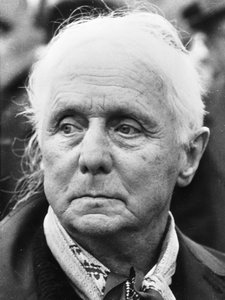
マックス・エルンスト
1891 - 1976 , ドイツ
プロフィール概要
- フルネーム: マックス・エルンスト
- 主な作品:
- エウクリデス
- 完全都市
- 森と鳩
- この男達は知るな
- 出生地: ブリュール(ドイツ)
- 国籍: ドイツ系アメリカ人、フランス人
- 影響を与えたアーティストまたは運動:
- シュルレアリスム
- ダダ
- 影響を受けたアーティスト:
- パブロ・ピカソ
- フィンセント・ファン・ゴッホ
- ポール・ゴーギャン
- ジョルジョ・デ・キリコ
- 死亡年月日: 1976年4月1日
- 生年月日: 1891年4月2日
- 芸術運動またはスタイル: ダダ、シュルレアリスム