
 設置イメージを表示
 シェアする
シェアする シェアする
シェアする
 詳細を見る
詳細を見る ガイドを表示

 ダウンロード
 似ている作品
 X線調査
X線調査 スライドショーを表示
 Q&A
Q&A 統計情報
統計情報Flying geese


 詳細を表示
詳細を表示
このページに掲載されている作品は著作権法によって保護されており、当社の許可なく同一の複製物を制作または販売することは法律で禁じられています。この保護は、以下のような国際条約に基づき執行されます。 ベルヌ条約 および、以下の条項に定められたものを含む各国の法律により、 米国著作権法 第17編。
この手法は、著作権で保護された作品の複製や複写を伴わないため、著作権法に完全に準拠しています。これは単なる模倣ではなく、創造的な再解釈です。元の作品からインスピレーションを受けつつも、それとは異なる、全く新しい絵画を生み出すものです。
ジークレー/アートプリント
スピーディーな制作と多彩な仕上げオプションが魅力の、ミュージアムクオリティなジークレー・キャンバスプリント。 ( 手描き複製画を注文する デジタル画像販売へ切り替え)




P118B ¥10

P118H ¥10

P118W ¥10

P438Z ¥10

P508JH ¥12

P508YH ¥12

P805H ¥10

P805Z ¥10

P919BZ ¥10

P919G ¥10

P919XJ ¥10

P959ZH ¥10

P968JZ ¥12

W106C ¥8

W218G ¥10

W218JH ¥8

W218Y ¥10

W307PJ ¥10

W316G ¥10

W316PJ ¥8

W316Y ¥10

W398PJ ¥8

W4111J ¥10

W500HY ¥15

W500JH ¥15

W692G ¥12

W849H ¥8

W940BG ¥15

W953PJ ¥8




作品のオリジナル比率に合わせた、当店の規定サイズからお選びください。

額縁や壁のスペースに合わせて、ご希望の幅と高さを入力してください。プリントはカットすることは可能ですが、元の画像より大きくすることはできないため、異なる比率のサイズを選択された場合は、画像の一部が欠けることになります。印刷を開始する前に、内容を確認していただくためのデジタルモックアップをお送りいたします。このページに表示されている画像は、実際のカット後の状態を示すものではありません。実際の仕上がりはモックアップにてご確認ください。


 ガラスオプションは、110cm未満のサイズでのみご利用いただけます。

Flying geese
ジークレー/アートプリント
複製画サイズ一覧
-


合計金額
¥ 12617
A Visionary Landscape: Exploring Max Ernst’s “Flying Geese”
This captivating work by Max Ernst presents a compelling example of his foray into surrealist landscape painting. While titled "Flying Geese," the artwork transcends a literal depiction, offering instead an evocative and dreamlike vision that invites contemplation on themes of isolation, transformation, and the subconscious. The composition is dominated by warm hues – fiery oranges melding with muted greens and browns – creating a sense of both allure and unease.Stylistic Influences & Surrealist Roots
Ernst was a pivotal figure in both Dadaism and Surrealism, movements that rejected rational thought in favor of the irrational, the dreamlike, and the subconscious. “Flying Geese” embodies these principles through its abstract forms and ambiguous subject matter. The painting leans heavily into Abstract Expressionism, prioritizing emotional impact over realistic representation. The fragmented composition, with scattered geometric shapes – rectangles and triangles – disrupts traditional perspective, contributing to a feeling of disorientation and the uncanny. It shares stylistic similarities with Ernst’s work *Day and Night*, showcasing his consistent exploration of symbolic landscapes.Technique & Materiality
The artwork appears to be executed in oil paint, applied with an impasto technique – meaning the paint is laid on thickly, creating textural variation across the canvas. This tactile quality adds depth and physicality to the otherwise ethereal scene. The diffused lighting, lacking strong highlights or shadows, further flattens the image, enhancing its dreamlike quality. The bold, expressive lines contribute a dynamic energy, suggesting movement within the stillness of the landscape.Decoding the Symbolism
While open to interpretation, several symbolic elements stand out. The central bird-like figure – though stylized and abstract – immediately draws the eye. Birds often represent freedom, transcendence, or messengers between worlds in art historical symbolism. Here, however, its ambiguous form and placement within a desolate landscape might suggest a sense of longing or even foreboding. The undulating white forms representing water could symbolize the fluidity of the subconscious or the passage of time. The geometric shapes scattered throughout may represent fractured realities or attempts to impose order on chaos.Historical Context & Ernst’s Artistic Journey
Born in Germany in 1891, Max Ernst experienced firsthand the tumultuous events of the early 20th century, including both World Wars. This historical context profoundly influenced his art, leading him to explore themes of alienation, anxiety, and the fragility of existence. His artistic journey was marked by experimentation with various techniques, including frottage (rubbing textures onto paper) and collage, all aimed at unlocking the creative potential of the unconscious mind. Ernst’s work continues to be celebrated for its innovative spirit and psychological depth, as evidenced by his prominent place in collections like The Menil Collection in Houston.Emotional Resonance & Interior Design Considerations
“Flying Geese” evokes a complex range of emotions – isolation, mystery, and perhaps a subtle sense of unease. Its warm color palette and abstract forms make it a striking focal point for any interior space. The painting’s surreal quality would complement modern or contemporary décor schemes, adding a touch of intellectual sophistication and artistic intrigue. It's a piece that invites viewers to lose themselves in its enigmatic world, sparking conversation and contemplation.Q&A
「Flying geese」はどのような作品ですか?
カタログ内では、マックス・エルンスト作「Flying geese」はWallArtとして分類されています。このカテゴリーを活用することで、類似の作品を探すことができます。
マックス・エルンスト作「Flying geese」 の色彩は、どの程度調和していますか?
「Flying geese」の色彩の調和は、Strong Color Unityと表現されます。
マックス・エルンスト作「Flying geese」には何が描かれ、どのような情緒が漂っていますか?
マックス・エルンスト作「Flying geese」は、abstract landscape, surreal coastline, geometric forms, warm color palette, dreamlike imagery, isolated figure, bold compositionとMysticalな雰囲気を融合させています。
作家プロフィール
マックス・エルンスト:シュルレアリスムの先駆者、夢と技法の探求
マックス・エルンストは、1891年4月2日にドイツのブリュールで生まれ、20世紀美術における最も重要な芸術家の一人として記憶されています。彼の人生は、哲学的な探究心、心理学への深い関心、そして社会規範に対する強い反抗心によって推進された、自己主導型の芸術的探求でした。エルンストの父親は耳の不自由な人々を教える教師であり、アマチュア画家でもありました。この環境が、彼に世界に対する感受性と権威に対する反逆心を植え付けたのです。幼少期から培われたこの二面性は、彼の芸術的ビジョンの根幹となりました。ボン大学での学業 – 哲学、美術史、文学、心理学、精神医学を網羅する – は単なる余興ではなく、その後の作品に深く影響を与える基盤となりました。彼は絵を描く方法だけでなく、「なぜ」描くのかという問いに向き合っていたのです。 1912年のケルンで開催されたゾンダーブント展でピカソ、ゴッホ、ゴーギャンの革新的な作品に出会い、彼の芸術的軌道は決定的に変化しました。第一次世界大戦の勃発は、エルンストにとって転換点となりました。東部および西部戦線での兵役経験は彼を深く傷つけ、確立された秩序に対する深い懐疑感と、新たな表現方法への渇望を生み出しました。この失望感が肥沃な土壌を見つけたのが、台頭してきたダダイスムでした。エルンストはこれを熱心に受け入れ、ハンス・アルプと共にケルンのダダイ集団の中核を担い、伝統的な芸術的慣習を拒否し、不条理、偶然性、非合理性を抱きしめました。しかし、ダダイズムは単なる通過点でした。1920年代初頭にパリに移住したエルンストは、アンドレ・ブルトン率いるシュルレアリスムの仲間入りを果たしました。これは、夢の世界、無意識、そして非合理を探求することへのシフトを意味しました。ジークムント・フロイトの精神分析理論の影響を受け、エルンストは芸術を通して人間の経験の深層にある心理的な力を明らかにするよう努めました。革新的な技法:フロッタージュ、グラタージュ、コラージュ
エルンストの芸術的革新は主題だけでなく、技法にも及びました。彼は既存の方法を単に採用するのではなく、新しいものを発明しました。おそらく最も有名な貢献はフロッタージュです。これは、様々な素材の表面の質感に鉛筆や木炭で擦り込むことで、予期せぬ表現力豊かなイメージを生み出すプロセスです。この技法は、退屈な瞬間から生まれたものであり、エルンストが無意識に触れ、意図的に制御できない形を生成することを可能にしました。密接に関連するものとしてグラタージュがあり、キャンバスに塗られた絵の具を掻き落とし、その下に置かれたオブジェクトの痕跡を現出させます。 彼はまた、雑誌からの切り抜き、科学的イラストレーション、写真など、様々な要素を組み合わせたシュールな構成を作り出すコラージュも巧みに使用しました。これらの技法は単なる様式的な選択ではなく、無意識を探求し、伝統的な芸術的境界線を破壊したいという彼の願望に不可欠でした。彼の絵画には、しばしば反復する象徴的なイメージが見られます。鳥(特に彼のもう一人の人格であるロプロップ)、荒涼とした風景、不穏な組み合わせ、そして蔓延する神秘主義です。影響と遺産
第二次世界大戦の勃発は、エルンストをヨーロッパからの亡命へと追い込みました。彼はアメリカ合衆国で避難し、亡くなるまで新しい技法を実験しながら絵を描き続けました。戦後、彼はフランスに戻り、1954年には第27回ヴェネツィア・ビエンナーレで芸術的業績全体に対してグランプリを受賞し、国際的な評価を得ました。彼の作品は、その後の世代のアーティストに計り知れない影響を与えました。 マックス・エルンストのダダイズムとシュルレアリスムへの貢献は、画期的でした。彼は芸術規範に挑戦し、人間の心の深淵を探求し、今日までアーティストにインスピレーションを与え続けている革新的な技術を発明しました。彼は単なる画家ではなく、探検家であり、挑発者であり、芸術そのものの境界線を拡大した先見の明を持った人物でした。彼の作品は、想像力への賛歌、非合理性の魅力、そして人間の精神の複雑さを理解するための永続的な探求の証です。- 主要な作品: 全都市、エウクリデス、このことを人は知るべきではない、森と鳩
- 影響を受けた芸術家: パブロ・ピカソ、フィンセント・ファン・ゴッホ、ポール・ゴーギャン、ジークムント・フロイト、ジョルジョ・デ・キリコ
- 運動: ダダイズム、シュルレアリスム
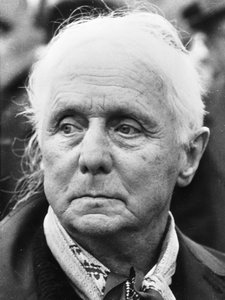
マックス・エルンスト
1891 - 1976 , ドイツ
プロフィール概要
- フルネーム: マックス・エルンスト
- 主な作品:
- エウクリデス
- 完全都市
- 森と鳩
- この男達は知るな
- 出生地: ブリュール(ドイツ)
- 国籍: ドイツ系アメリカ人、フランス人
- 影響を与えたアーティストまたは運動:
- シュルレアリスム
- ダダ
- 影響を受けたアーティスト:
- パブロ・ピカソ
- フィンセント・ファン・ゴッホ
- ポール・ゴーギャン
- ジョルジョ・デ・キリコ
- 死亡年月日: 1976年4月1日
- 生年月日: 1891年4月2日
- 芸術運動またはスタイル: ダダ、シュルレアリスム
関連記事

Neo-Abstract Art: The High-Impact Evolution of Modern Visual Energy and Geometric Sophistication
Discover the power of Neo-Abstract art. Explore how bold geometric forms and high-impact visual energy are redefining modern design. Learn to curate sophisticated, high-energy spaces with the latest trends in contemporary abstraction and structural color.

幾何学的抽象絵画を定義した傑作10選|アート、アーティスト、インテリア装飾
モンドリアン、マレーヴィチ…幾何学的抽象絵画を代表する傑作10選。各作品の背景や色彩構成、アーティストの情熱に迫ります。美術館品質の複製画はOriginalUniqueArt.comで。オンラインでアートコレクションをご覧ください。
マックス・エルンスト傑作25選:シュルレアリスムの深淵と装飾への誘い
マックス・エルンストの傑作25選。シュルレアリスムを代表する画家、その夢と無意識の世界を描いた絵画や版画を紐解きます。リビングやオフィスに飾るモダンアート、インテリアに最適な作品を見つけませんか?OriginalUniqueArt.comで全コレクションをオンラインで探す。

Mastering Abstraction: The 25 Most Iconic Works by Wassily Kandinsky
Explore 25 iconic Kandinsky masterpieces and the birth of abstraction. Discover the full collection online at OriginalUniqueArt.com.

Beyond Form & Color: Geometric Abstraction's Evolution in 20th/21st Century Art
Explore the evolution of geometric abstraction from Cubism to contemporary art. Discover key artists like Malevich & Mondrian, investment insights, and expert collecting advice at OriginalUniqueArt.


