プリント版に切り替え
 続きを読む
続きを読む







































 いずれかの辺が105 cm(約41インチ)を超えるアートワークまたは複製画の場合、フレームは分解されたキットの状態でお届けいたします。この方法は、輸送中の破損を防ぎ、安全に配送するために採用しております。


A Surrealist Dialogue: Max Ernst’s “Bird Superior” – Portrait of Leonora Carrington
Leonora Carrington's "Portrait of Max Ernst," completed circa 1939, stands as an arresting testament to the burgeoning relationship between two artists at the epicenter of Surrealism. Purchased by Scottish National Gallery of Modern Art in 2018, this oil on canvas painting captures a moment frozen in time—a clandestine affair that yielded one of the museum’s most significant acquisitions and cemented Carrington's place amongst Britain’s foremost Surrealist voices.- Subject Matter: The portrait depicts Max Ernst himself, rendered with meticulous detail against a backdrop of fantastical imagery. Dominating the composition is a colossal bird-like creature—referred to as “Bird Superior”—whose outstretched wings cast an imposing shadow over Ernst’s figure.
- Style & Technique: Carrington's approach aligns seamlessly with Ernst’s signature Surrealist style, characterized by dreamlike landscapes and unsettling juxtapositions. She employs a rich palette of earthy tones—ochre, umber, and crimson—to imbue the canvas with an atmosphere of both grandeur and unease. The brushstrokes are loose and expressive, conveying movement and dynamism while simultaneously hinting at hidden depths.
Historical Context: Surrealism’s Embrace of Psyche and Imagination
The painting emerged during the height of Surrealist fervor—a movement born from Dada’s rejection of rationality and fueled by psychoanalytic theories pioneered by Sigmund Freud. Surrealists sought to liberate the subconscious mind, believing it held the key to unlocking artistic creativity and confronting societal anxieties. Ernst and Carrington's collaboration exemplifies this ethos, reflecting a shared fascination with mythology, folklore, and the exploration of primal instincts.- Symbolism: The bird—particularly “Bird Superior”—is laden with symbolic significance. It represents aspiration, transcendence, and perhaps even dominance—themes recurrent throughout Ernst’s oeuvre. Its colossal size underscores its metaphorical importance, suggesting that Ernst's inner world surpasses the limitations of conventional perception.
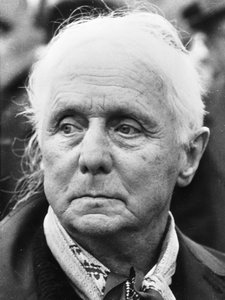
- Emotional Impact: Carrington skillfully captures Ernst’s contemplative gaze—a look imbued with both vulnerability and intellectual curiosity. The painting evokes a profound sense of mystery and invites viewers to contemplate the complexities of human consciousness and artistic inspiration.
A Legacy of Dreamlike Vision
“Portrait of Max Ernst” transcends mere representation; it’s an embodiment of Surrealism's core principles—a daring assertion of imagination over logic. Carrington’s masterful execution ensures that this evocative artwork continues to resonate with audiences today, serving as a poignant reminder of the transformative power of art and its ability to illuminate the hidden realms of human experience. Its acquisition by Scottish National Gallery of Modern Art underscores its enduring value as a cornerstone of Surrealist heritage.よくあるご質問
マックス・エルンスト作「Dibujo al natural」の手描き複製画を販売しているのはどこですか?
マックス・エルンスト作「Dibujo al natural」の手描き複製画は、こちらの手描き油彩複製画ページからご注文いただけます:リネンキャンバスに手描きされた油彩複製画(受注制作)
「Dibujo al natural」の推奨されるプリント方法について教えてください。サイズや向きはどうするのが良いでしょうか?
「Dibujo al natural」の推奨プリント設定は、サイズLarge、向きLandscapeです。
「Dibujo al natural」はギフトとしておすすめですか?
Anniversaryへの贈り物として、「Dibujo al natural」をおすすめします。
More about this painting
 設置イメージを確認
 送る
送る シェア
シェア
 詳細情報
詳細情報 ガイドを表示

 画像をダウンロード
 似ている作品
 X線調査
X線調査 スライドショー
 Q&A
Q&A 統計情報
統計情報