

 設置イメージを確認
 送る
送る シェア
シェア
 詳細情報
詳細情報 ガイドを表示

 画像をダウンロード
 似ている作品
 X線調査
X線調査 スライドショー
 統計情報
統計情報Alfi with Mask


 続きを読む
続きを読む
手描き油彩複製画
当社のアーティストが、お客様のご希望のサイズと額縁に合わせて、キャンバスに手描きで制作する油彩画です。 ( プリント版に切り替え デジタル画像販売へ切り替え)




P118B ¥10

P118H ¥10

P118W ¥10

P438Z ¥10

P508JH ¥12

P508YH ¥12

P805H ¥10

P805Z ¥10

P919BZ ¥10

P919G ¥10

P919XJ ¥10

P959ZH ¥10

P968JZ ¥12

W106C ¥8

W218G ¥10

W218JH ¥8

W218Y ¥10

W307PJ ¥10

W316G ¥10

W316PJ ¥8

W316Y ¥10

W398PJ ¥8

W4111J ¥10

W500HY ¥15

W500JH ¥15

W692G ¥12

W849H ¥8

W940BG ¥15

W953PJ ¥8




作品のオリジナル比率に合わせた、当店の規定サイズからお選びください。

特定のフレームやスペースに合わせて、ご希望のサイズをご入力いただけます。選択されたサイズが元の画像の比率と異なる場合、アートワークをトリミングするか、手描きで要素を追加して絵画を拡張いたします。デジタルモックアップ を制作し、制作開始前にご確認(承認)をいただきます。
画面上のプレビューは、実際のトリミングや拡張を正確に反映しているものではありません。最終的な構図は、モックアップによってのみ正確にご確認いただけます。
カスタムサイズもご利用いただけますが、元の比率を維持するためには、あらかじめ用意されたリストからサイズを選択することをお勧めいたします。
ご注文後、OriginalUniqueArt.com チームより詳細な指示をお送りするとともに、仕上がりイメージ(モックアップ)をご提供いたします。


 ガラスオプションは、110cm未満のサイズでのみご利用いただけます。

Alfi with Mask
再現技法
複製画サイズ一覧
-


合計金額
¥ 46112
Max Beckmann's *Alfi with Mask*: A Study in Fragmented Form and Emotional Intensity
Max Beckmann’s *Alfi with Mask*, painted in 1936, is a powerfully evocative work that immediately arrests the viewer with its bold simplification and intensely expressive brushwork. This oil painting transcends mere representation of a reclining nude; it's an exploration of vulnerability, anonymity, and perhaps even a veiled theatricality – themes deeply rooted in the anxieties and uncertainties of the era. Beckmann, already a significant figure in German art, was grappling with the profound psychological impact of World War I, a shift reflected dramatically in his increasingly distorted figures and spaces. The influence of medieval stained glass, particularly its symbolic weight and flattened perspective, is palpable here, creating an atmosphere both familiar and unsettling.
- Composition & Style: The composition centers almost entirely on the figure of Alfi, rendered with a deliberate lack of naturalism. Beckmann employs a Cubist-influenced fragmentation of form, breaking down the body into geometric planes while simultaneously channeling the emotional intensity characteristic of Expressionism. This creates a dynamic tension between observation and feeling, inviting the viewer to actively participate in constructing meaning.
- Technique – Impasto & Color: The painting’s surface is alive with visible brushstrokes, utilizing a thick impasto technique that adds considerable texture and depth. Beckmann's use of color is equally deliberate; vibrant, non-naturalistic hues amplify the emotional impact, eschewing traditional representational values in favor of expressive intensity.
Symbolism and the Mask
The most striking element of *Alfi with Mask* is undoubtedly the subject’s face – a mask-like visage that immediately raises questions about identity and concealment. This motif isn't simply decorative; it speaks to the anxieties of a society grappling with disillusionment and the loss of traditional values. The mask can be interpreted as representing anonymity, a deliberate attempt to shield oneself from the world, or perhaps even a theatrical persona – a performance enacted for an unseen audience. Beckmann’s use of this symbol aligns with broader artistic trends of the period that explored themes of alienation and the breakdown of social cohesion.
The reclining nude itself, a recurring subject in art history, is imbued with layers of meaning. Here, it's not simply a celebration of beauty or sensuality; rather, it’s presented as a vulnerable state, stripped bare both physically and emotionally. The close cropping further intensifies this intimacy, drawing the viewer into a profoundly personal space.
Historical Context & Beckmann’s Vision
*Alfi with Mask* was created in 1936, a turbulent year for Germany marked by rising political tensions and increasing social unrest. Beckmann's artistic trajectory during this period reflects these anxieties – his work became increasingly preoccupied with themes of isolation, loss, and the fragility of human existence. His earlier academic training is evident in the careful construction of the figure’s form, but it quickly gives way to a more expressive and emotionally charged style. The painting stands as a testament to Beckmann's ability to translate personal turmoil into a powerfully universal statement about the human condition.
Beckmann’s artistic lineage is equally significant. He drew inspiration from masters such as Rembrandt, Rubens, and Bosch, incorporating elements of Northern European symbolism and medieval art into his own unique vision. This confluence of influences contributes to the painting's complex and layered meaning, inviting viewers to engage with a rich tradition of artistic thought.
Collecting & Appreciation
*Alfi with Mask* is more than just a beautiful image; it’s a profound meditation on the human experience. Its dynamic composition, expressive technique, and evocative symbolism make it a compelling addition to any collection. A hand-painted reproduction offers an unparalleled opportunity to bring this powerful artwork into your home or office, allowing you to appreciate Beckmann's genius and contemplate its enduring themes.
よくあるご質問
マックス・ベックマン作「Alfi with Mask」は、何年に制作されましたか?
マックス・ベックマン作「Alfi with Mask」は1936年に制作されました。
「Alfi with Mask」を手がけたアーティストは誰ですか?
「Alfi with Mask」はマックス・ベックマンによって制作されました。このページでは、マックス・ベックマンのオリジナル作品についてご紹介しています。
「Alfi with Mask」が制作されたとき、マックス・ベックマンは何歳でしたか?
マックス・ベックマンは、1936年に「Alfi with Mask」を制作した際、52歳でした。この年齢は、アーティストの誕生年である1884年から算出されています。
「Alfi with Mask」において、技法と動きはどのように融合しているのでしょうか?
「Alfi with Mask」は、Expressionism様式によるOil On Canvasで制作されています。
マックス・ベックマン作「Alfi with Mask」 のプリントを購入するにはどうすればよいですか?
マックス・ベックマン作「Alfi with Mask」のプリントをご希望の方は、このページよりご注文いただけます:コットンキャンバスまたはアーカイブ品質のキャンバスペーパーに施されたファインアートプリント。
マックス・ベックマン作「Alfi with Mask」のコントラストはどの程度ですか?
マックス・ベックマン作「Alfi with Mask」のコントラストレベルはStatementです。
「Alfi with Mask」の色使いは、鮮やかでしょうか、それとも淡い感じでしょうか?
「Alfi with Mask」の彩度はBalancedです。彩度とは、色の鮮やかさの度合いを表します。
アーティストについて
黎明期の表現と初期の歩み
マックス・ベックマン、本名マックス・カール・フリードリヒ・ベックマンは、1884年2月12日にザクセン州ライプツィヒで生まれました。画家、版画家、彫刻家、そして作家として多才な才能を発揮した彼は、当初、アカデミックに正確な描写を追求していました。しかし、第一次世界大戦中に医療兵として従軍した経験が彼の視点を大きく変え、その後の作品には歪んだ人物像や空間表現が目立つようになりました。戦争の残酷さと人間の存在に対する深い問いかけが、ベックマンの芸術的探求の原動力となったのです。様式と影響
ベックマンのスタイルは、中世のステンドグラスのイメージを基盤としています。彼はセザンヌ、ゴッホ、ブレイク、レンブラント、ルーベンスなど、多様な芸術家から影響を受けました。特に、セザンヌの形態へのこだわりや、ゴッホの感情的な表現は、ベックマンの作品に大きな足跡を残しています。また、中世後期からルネサンス初期の北ヨーロッパの芸術家たち、例えばボッシュ、ブリューゲル、マティアス・グルーネヴァルトからもインスピレーションを得ていました。これらの影響が融合し、ベックマン独自の象徴的で力強い表現世界を築き上げていったのです。重要な作品と展覧会
* 「樹皮」(Die Bark) - ベルリン国立ギャラリーに所蔵されています。この作品は、ベックマンの初期の代表作の一つであり、彼の独特な空間構成と人物描写が際立っています。 * 「タキシード姿の自画像」(Selbstbildnis in Tuxedo) - 1928年に購入されました。これは、ベックマンが自身の内面を深く掘り下げた作品であり、彼の芸術家としてのアイデンティティを探求しています。 * マンハイム市立美術館(Städtische Kunsthalle Mannheim)(1928年)、バーゼルとチューリヒ(1930年)での回顧展は、ベックマンの芸術的評価を高める上で重要な役割を果たしました。これらの展覧会を通じて、彼の作品がより多くの人々に知られるようになり、その才能が広く認められるようになりました。晩年と亡命
アドルフ・ヒトラーの台頭は、ベックマンの運命を大きく変えました。彼はフランクフルト美術学校から解雇され、500点以上の作品が没収されました。その後、彼は10年間オランダのアムステルダムに自発的な亡命生活を送りましたが、アメリカへのビザを取得することはできませんでした。この時期は、ベックマンにとって苦難の時代でしたが、彼は創作活動を続け、多くの傑作を生み出しました。遺産
* ベックマンは、ワシントン大学セントルイス校とブルックリン美術館で教鞭をとりました。これらの教育機関での指導を通じて、次世代の芸術家たちに大きな影響を与えました。 * 1948年には、セントルイス市立美術館でアメリカ初の回顧展が開催されました。この展覧会は、ベックマンの作品をアメリカ社会に紹介する上で重要な役割を果たし、彼の国際的な評価を高めるきっかけとなりました。 * ドイツのマックス・スレフォート・ギャラリー(Max-Slevogt Galerie)では、彼の作品コレクションが展示されています。マックス・ベックマンは、ドイツ表現主義の重要な人物として、その象徴的で力強い作品を通じて、現代美術に多大な貢献をしました。彼の芸術は、戦争のトラウマや人間の存在に対する深い問いかけを反映しており、今日でも多くの人々に感動を与え続けています。 重要な日付: * 生年月日:1884年2月12日 * 没年月日:1950年12月27日
マックス・ベックマン
1884 - 1950 , ドイツ
アーティスト情報
- Artistic Movement Or Style: 表現主義
- Artists Or Movements Influenced By This Artist:
- レンブラント
- ボッシュ
- Artists Who Influenced This Artist:
- セザンヌ
- ゴッホ
- Date Of Birth: 1884年2月12日
- Date Of Death: 1950年12月27日
- Full Name: マックス・カール・フリードリヒ・ベックマン
- Nationality: ドイツ人
- Notable Artworks (List Of Titles):
- 「樹皮」
- 自画像(タキシード)
- Place Of Birth (City And Country): ドイツ、ライプツィヒ
関連記事
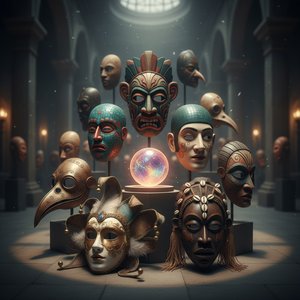
Unveiling the Mystery: A Journey Through the World's Most Iconic Mask Artworks
Embark on a profound journey through the world's most iconic mask artworks. Explore the spiritual depth, intricate craftsmanship, and rich cultural heritage of global traditions, from Chhau to Gomira, in this expert-led exploration of ancestral artistry and symbolic beauty.

Max Beckmann: Navigating Trauma & Modernity Through a Distorted Lens
Explore the powerful world of Max Beckmann's art – a journey through trauma, modernity & distortion. Discover his key works, influences, and lasting legacy with expert analysis.

マックス・エルンスト傑作25選:シュルレアリスムの深淵と装飾への誘い
マックス・エルンストの傑作25選。シュルレアリスムを代表する画家、その夢と無意識の世界を描いた絵画や版画を紐解きます。リビングやオフィスに飾るモダンアート、インテリアに最適な作品を見つけませんか?OriginalUniqueArt.comで全コレクションをオンラインで探す。
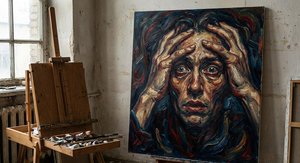
Figurative Expressionism: Emotional Intensity & Subjective Reality in 20th-Century Art
Explore the powerful world of Figurative Expressionism with OriginalUniqueArt. Discover key artists like Kirchner & Beckmann, understand its emotional depth, and learn how to collect this influential 20th-century art movement.

German Expressionism's 10 Defining Masterpieces | Art for Your Home
Explore 10 defining German Expressionism masterpieces – from Munch's 'The Scream' to Kandinsky’s abstracts. Discover the artists, stories & bold colors behind this powerful art movement. Find museum-quality reproductions at OriginalUniqueArt.com.
![夜(プレート7)[Die Nacht (Blatt 7)] - 地獄(Die Hölle)より](/media/artworks/images-thumb/00/ef/00eff412211ea97065a3447811e4a94b.jpg)


