

 設置イメージを確認
 送る
送る シェア
シェア
 詳細情報
詳細情報 ガイドを表示

 画像をダウンロード
 似ている作品
 X線調査
X線調査 スライドショー
 統計情報
統計情報Maréchal de Saxe
 Pastel
- WallArt
- Rococo Portraiture
 Early Modern
 61.0 x 51.0 cm
 ルーブル美術館
 続きを読む
続きを読む
ジークレー/アートプリント
スピーディーな制作と多彩な仕上げオプションが魅力の、ミュージアムクオリティなジークレー・キャンバスプリント。 ( 手描きの複製画を注文する デジタル画像販売へ切り替え)




P118B ¥10

P118H ¥10

P118W ¥10

P438Z ¥10

P508JH ¥12

P508YH ¥12

P805H ¥10

P805Z ¥10

P919BZ ¥10

P919G ¥10

P919XJ ¥10

P959ZH ¥10

P968JZ ¥12

W106C ¥8

W218G ¥10

W218JH ¥8

W218Y ¥10

W307PJ ¥10

W316G ¥10

W316PJ ¥8

W316Y ¥10

W398PJ ¥8

W4111J ¥10

W500HY ¥15

W500JH ¥15

W692G ¥12

W849H ¥8

W940BG ¥15

W953PJ ¥8




作品のオリジナル比率に合わせた、当店の規定サイズからお選びください。

額縁や壁のスペースに合わせて、ご希望の幅と高さを入力してください。プリントはカットすることは可能ですが、元の画像より大きくすることはできないため、異なる比率のサイズを選択された場合は、画像の一部が欠けることになります。印刷を開始する前に、内容を確認していただくためのデジタルモックアップをお送りいたします。このページに表示されている画像は、実際のカット後の状態を示すものではありません。実際の仕上がりはモックアップにてご確認ください。


 ガラスオプションは、110cm未満のサイズでのみご利用いただけます。

Maréchal de Saxe
ジークレー/アートプリント
複製画サイズ一覧
-


合計金額
¥ 12604
A Vision of Rococo Grandeur
In the delicate dance of light and pigment, few works capture the aristocratic splendor of the eighteenth century as intimately as Maurice Quentin de La Tour’s 1731 pastel portrait, Maréchal de Saxe. To gaze upon this masterpiece is to step directly into the opulent intellectual landscape of Enlightenment France, where every brushstroke—or in this case, every soft application of pastel—serves to elevate the subject beyond mere mortal likeness. The portrait does not simply present a military commander; it orchestrates a symphony of power, prestige, and refined grace. Through the masterful use of the pastel medium, De La Tour achieves an ethereal luminosity that oil paints often struggle to replicate, allowing the skin tones to glow with a lifelike warmth and the fabrics to shimmer with a soft, tactile elegance.
The subject himself, the celebrated Maréchal de Saxe, is rendered with a profound sense of dignity. Clad in the authoritative attire of his station, he wears a striking blue sash draped across his shoulder, a symbol of high rank that cuts through the composition with a regal vibrancy. His black coat, punctuated by meticulously detailed gold buttons, speaks to the wealth and status inherent in his role as an influential advisor to Louis XV. De La Tour’s technical prowess is most evident in the subtle gradations of color; he blends hues of cerulean, cream, and gold so seamlessly that the textures of silk, lace, and skin appear almost tangible. This soft-focus brilliance is a hallmark of the Rococo style, creating an atmosphere that feels both intensely real and dreamily idealized.
The Intersection of Might and Intellect
Beyond the surface beauty of the portrait lies a deeper narrative regarding the cultural zeitgeist of the era. During this period, the ideals of the Enlightenment—reason, virtue, and intellect—were beginning to reshape the French court. De La Tour, a master of characterization, does not merely depict a soldier of war; he presents an embodiment of these very ideals. The Maréchal’s expression, marked by a quiet confidence and a gaze of seasoned wisdom, suggests a man whose strategic brilliance is matched by his philosophical depth. This portrayal aligns beautifully with the spirit of contemporaries like Voltaire, whose influence permeated the artistic circles of the time.
The minimalist background serves a vital compositional purpose, stripping away the distractions of a cluttered landscape to focus the viewer's entire emotional investment on the man himself. By placing the Maréchal against a plain, light-colored void, De La Tour ensures that the interplay of shadow and light on the subject's face becomes the focal point. This choice emphasizes the psychological depth of the sitter, inviting collectors and art enthusiasts to contemplate the weight of responsibility carried by such an influential figure.
An Enduring Legacy for the Discerning Collector
For the interior designer or the passionate art collector, a high-quality reproduction of Maréchal de Saxe offers more than just a decorative element; it provides a window into a vanished era of elegance. The piece possesses a unique ability to anchor a room, bringing a sense of historical gravity and sophisticated charm to any space. Whether placed in a sunlit library or a formal dining hall, the soft textures and regal color palette of the pastel medium evoke a feeling of timeless luxury.
Owning a reproduction of this caliber allows one to celebrate the technical mastery of Maurice Quentin de La Tour, an artist who redefined the possibilities of pastel. The artwork serves as a conversation piece that bridges the gap between the historical grandeur of the French monarchy and the modern aesthetic appreciation for fine detail and emotive portraiture. It is an investment in atmosphere, a tribute to the enduring power of the Rococo spirit, and a profound addition to any curated collection of fine art.
よくあるご質問
モーリス・カントン・ド・ラ・トゥール作「Maréchal de Saxe」の手描き複製画を販売しているのはどこですか?
モーリス・カントン・ド・ラ・トゥール作「Maréchal de Saxe」の手描き複製画は、当サイトの手描き油彩複製画ページよりリネンキャンバスに手描きされた油彩複製画にてご購入いただけます。
現在、モーリス・カントン・ド・ラ・トゥール作「Maréchal de Saxe」はどこで展示されていますか?
原画の「Maréchal de Saxe」はルーブル美術館, パリ, フランスにてご覧いただけます。
モーリス・カントン・ド・ラ・トゥール作「Maréchal de Saxe」のX線画像を見ることはできますか?
モーリス・カントン・ド・ラ・トゥール作「Maréchal de Saxe」のX線ビューは、作品のX線解析ページでご覧いただけます。11層の光学レイヤーを通じて画像をインタラクティブに解析できる、詳細な検証機能です。
アーティストについて
生い立ちと芸術的才能の開花
モーリス・カンタン・ド・ラ・トゥールは、1704年9月5日にフランス北部のサン=カンタンで生まれました。彼の父フランソワ・ド・ラ・トゥールは、デュック・ド・メーヌのために働く音楽家でした。家族の期待とは裏腹に、モーリスは絵画への道を歩み始めます。1724年頃、彼はパリに移り住み、芸術家としてのキャリアをスタートさせました。初期の訓練には、ジャック・スポードとの研究や、しばらくの間ランスでの修行が含まれていました。1725年のイギリス旅行は、彼のスタイルに更なる影響を与えました。初期の肖像画、例えばヴォルテール(1731年)は、人物描写と似顔絵を描く才能が芽生え始めたことを示しています。この肖像画は、ラングロワによって版画され、彼に広く認知されるきっかけとなりました。芸術的スタイルと代表作
- パステル技法の習熟: ド・ラ・トゥールは、卓越したパステル技術で知られています。彼はこの媒体を用いて、並外れた柔らかさと繊細さを持つ肖像画を制作し、微妙な表情やテクスチャを捉えました。
- ロココ様式の影響: 彼の作品は、優雅さ、洗練さ、そして流行の社会を描くことに焦点を当てたロココ様式を体現しています。
- 代表作:
- ヴォルテール像 (1731年) - キャリア初期に彼の評判を確立しました。
- 自画像、笑う (約1737年) – 個性と機知を表現する能力を示しています。
- ポンパドゥール夫人の肖像画 – 著名な人物の似顔絵を描く彼の技術を示す重要な依頼作品です。
- ルイ15世の肖像画 - フランス国王の肖像画を複数制作し、宮廷内での地位を確固たるものとしました。
- サロンへの出品: 彼は定期的にパリ・サロンに出品し、30年以上にわたって150点以上の肖像画を展示しました。これは訪問者にとってのハイライトとなりました。
王室からの認められと晩年
- 王室からの承認: 1737年には、王立絵画彫刻アカデミーから認められました。その後、1750年には国王の宮廷画家となりました。
- 慈善活動: 富を築くにつれて、ド・ラ・トゥールはサン=カンタンで製図学校を設立し、貧困に苦しむ芸術家を支援するなど、慈善活動に献身しました。
- 精神的な困難: 1773年頃、彼は神経衰弱に見舞われ、精神疾患の時期を経て、故郷のサン=カンタンで引退しました。
遺産と歴史的意義
- ド・ラ・トゥールの肖像画は、心理的な洞察力と卓越した技術によって高く評価されています。彼はパステル肖像画を新たな高みに引き上げ、後世の芸術家に影響を与えました。
- 彼の作品が捉えた被写体の本質—彼らの個性、知性、社会的地位—は、彼を当時の最も求められる肖像画家の一人へと押し上げました。
- 今日、彼の作品はルーブル美術館を含む世界中の著名な博物館に所蔵されており、18世紀フランス社会と芸術的実践に関する貴重な洞察を提供しています。
影響を受けた芸術家と影響を与えた運動
ド・ラ・トゥールのパステル技法は、その後のロココ様式の画家たちに大きな影響を与えました。彼の肖像画における繊細な色彩表現や人物描写の技術は、多くの芸術家の模範となりました。フランソワ・ブーシェやジャン=バティスト・グレーズといった同時代の画家たちは、ド・ラ・トゥールの作品からインスピレーションを受け、より洗練された優雅な肖像画を制作しました。また、彼のパステル技法は、19世紀の印象派の画家たちにも影響を与え、彼らは戸外での風景描写や人物表現にパステルを用いるようになりました。ド・ラ・トゥールの作品は、ロココ様式における肖像画の発展において重要な役割を果たし、その遺産は今日でも多くの芸術家たちによって受け継がれています。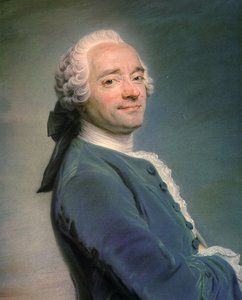
モーリス・カントン・ド・ラ・トゥール
1704 - 1788 , フランス
アーティスト情報
- Artistic Movement Or Style: ロココ
- Date Of Birth: 1704年9月5日
- Date Of Death: 1788年2月17日
- Full Name: モーリス・カントン・ド・ラ・トゥール
- Nationality: フランス人
- Notable Artworks:
- ヴォルテール像
- 自画像(笑う)
- ポンパドゥール夫人像
- Place Of Birth (City And Country): フランス、サン=カンタン
関連記事
The Elegance of Rococo Portraiture: A Journey Through Grace, Soft Light, and Pastel Dreams
Discover the exquisite world of Rococo portraiture. Explore the delicate beauty of 18th-century French art, from pastel light to graceful asymmetry, and learn how to bring this era of elegance into your home through masterfully hand-painted oil reproductions.

Maurice Quentin de La Tour: Light, Shadow & the Rococo Portrait
Explore the captivating world of Maurice Quentin de La Tour, a master of Rococo portraiture. Discover his innovative pastel techniques, intimate depictions of French aristocracy, and lasting artistic legacy. Learn more at OriginalUniqueArt.

ゴヤ傑作25選:スペインの魂を揺さぶる、深遠な芸術の世界 | OriginalUniqueArt
ゴヤ傑作25選:ロマン主義を代表するスペインの巨匠、フランシスコ・デ・ゴヤの世界へ。黒衣の女からマハまで、魂を揺さぶる絵画の物語と技法を紐解きます。OriginalUniqueArtで高品質なアートレプリカを見つけ、インテリアに深みと風格を。今すぐコレクションをご覧ください。
Georges de La Tour: Luminosity, Spirituality & Realism in Baroque Painting
Discover the captivating world of Georges de La Tour, a Baroque master renowned for his dramatic chiaroscuro & spiritual realism. Explore key works, influences, and his remarkable rediscovery. Learn more at OriginalUniqueArt.
Águeda Ruiz de la Prada: A Study of Eclecticism & Emotional Resonance in Contemporary Spanish Painting
Discover the vibrant world of Ágatha Ruiz de la Prada, a leading figure in contemporary Spanish art. Explore her eclectic style, emotional depth & legacy – a must-read for discerning collectors.