
 送る
送る シェア
シェア
 詳細情報
詳細情報 ガイドを表示

 画像をダウンロード
 似ている作品
 スライドショー
 統計情報
統計情報Clara Barton
 Black and White Photography
- Photo
 1865
1865- 19th Century
 6.0 x 10.0 cm
 ナショナル・ギャラリー
 続きを読む
続きを読む
オンラインプレビューをはるかに凌ぐ、高解像度で鮮明なデジタル画像をご購入いただけます。
各ファイルは、社内の専門家が高度なツールと熟練した手作業によるレタッチを駆使し、細心の注意を払って仕上げています。すべての画像において、卓越した鮮明度、正確な色彩再現性、そして繊細なディテールをお約束いたします。
最終ファイルは、プロフェッショナルな編集・印刷環境ですぐにご利用いただけるよう最適化された状態で、72時間以内にメールにてお届けいたします。これは、一流のデザインスタジオ、出版社、ギャラリーから信頼されているものと同等の品質です。
デジタル画像
個人での鑑賞、印刷、クリエイティブなプロジェクトにご利用いただける高解像度ファイルをダウンロードできます。 ( プリント版に切り替え 手描きの複製画を注文する)
デジタル画像のご注文に付随する特典
プロフェッショナルなデジタル配信を、確かな品質で。
OriginalUniqueArt.com を選ぶことは、単に画像を手に入れることではありません。プロの手によって精密に仕上げられ、満足保証が付いた高品質なデジタルアートワークを受け取ることを意味します。ご注文いただいた際に自動的に付随する内容は、以下の通りです:

メールですぐにお届け
ご注文から72時間以内に、高解像度のデジタル画像ファイルをメールでお送りいたします。お手元に届き次第、すぐにご利用いただけます。

AI技術で最適化されたデジタルファイル
お客様の作品は、高度なAI技術と専門家による手作業を組み合わせてプロフェッショナルに最適化されており、細部のディテール、鮮明さ、そして正確な色再現性を最大限に引き出しています。

一生涯無料の再送サービス
ファイルを誤って削除したり、紛失してしまったりしましたか?ご安心ください。いつでも無料で再送いたします。

輸入手数料は、いつでも一切かかりません
関税や手数料、配送料を気にすることなく、お気に入りのアートワークをすぐにお楽しみいただけます。デジタルダウンロードは常に免税です。

正確な色彩の保証
プロ仕様のツールとカラーマネジメント技術を用いることで、デジタル画像が元の色を最大限に忠実に再現することを保証いたします。

100日間満足保証
ご購入いただいたデジタル画像にご満足いただけない場合は、100日以内であれば、理由を問わず修正または100%の返金対応をさせていただきます。

100% 返金保証
ご満足いただけない場合は、デジタルファイルを受け取ってから100日以内であれば、理由を問わず全額返金いたします。

まとめ買い割引
3枚購入で10%OFF、5枚購入で15%OFF、10枚以上のご購入で20%OFF。クリエイティブなプロジェクトやギャラリー、エージェンシーに最適です。
A Glimpse Through the Lens of History
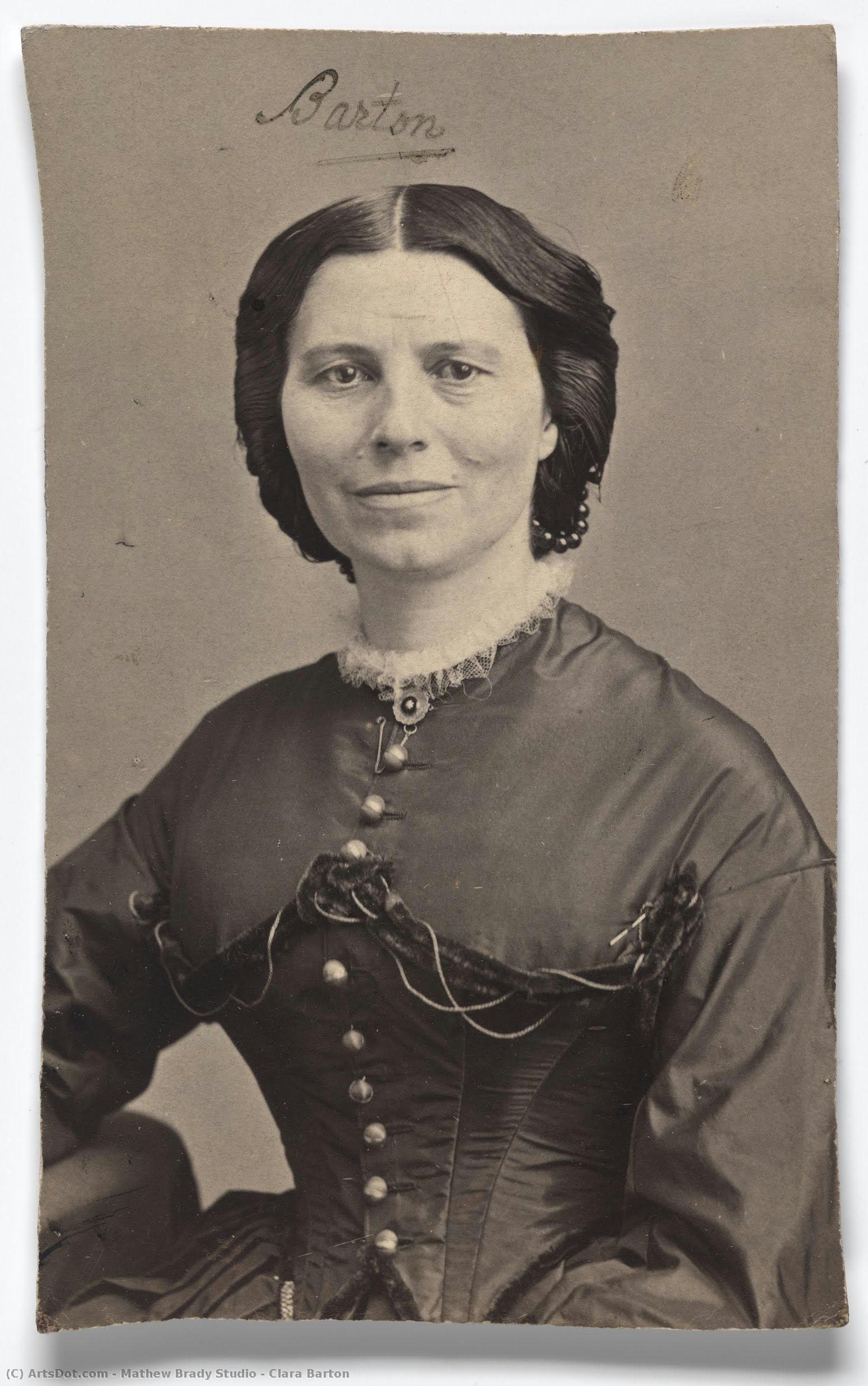
In this evocative portrait from 1865, we are invited into an intimate encounter with one of the most formidable spirits in American history: Clara Barton. Captured by the legendary Mathew Brady Studio, the photograph transcends a mere photographic record to become a window into a soul defined by both grace and iron will. The image presents Barton in a moment of quiet elegance, her features softened by a gentle smile that belies the immense hardships she would later endure on the battlefields of the Civil War. Clad in the structured fashion of the era, with a corset and a flowing long dress, she embodies the Victorian ideal of femininity, yet there is an unmistakable spark of agency in her gaze—a precursor to the legendary humanitarian who would eventually found the American Red Cross.
The technical mastery of the Mathew Brady Studio is palpable even in this monochromatic format. The play of light and shadow across her pinned-up hairstyle and the delicate curls framing her face demonstrates a sophisticated command of early photographic chemistry. The subtle gradations of grey and black create a sense of depth that breathes life into the two-dimensional plane, allowing the viewer to feel the texture of her attire and the warmth of her expression. This is not merely a portrait; it is a study in light, used here to immortalize a woman whose life was dedicated to bringing light to the darkest corners of human suffering.
For the discerning collector or interior designer, this reproduction offers more than just aesthetic beauty; it provides a profound historical anchor. The piece serves as a poignant symbol of resilience and compassion, making it an ideal centerpiece for spaces that value heritage, strength, and the enduring power of the human spirit. Whether placed in a curated gallery wall or used to add a sense of timeless gravity to a sophisticated study, this portrait of Clara Barton commands attention. It invites conversation about the intersection of art and activism, reminding us that even within the rigid structures of 19th-century society, greatness could emerge through selfless service and unwavering courage.
アーティスト・プロフィール
The Enduring Legacy of Mathew Brady Studio: Capturing a Nation in Transition
Mathew Brady, more than simply a photographer, was an architect of American memory. Born in Warren County, New York, in 1823, his journey to becoming the most celebrated visual chronicler of the 19th century began not with a lens, but with an ambition for artistry. Initially drawn to landscape painting and the burgeoning world of daguerreotypy, Brady quickly recognized the power of photography to transcend artistic interpretation and deliver unvarnished reality. He established his New York studio in 1844, rapidly gaining prominence through meticulously crafted portraits of prominent figures – a testament to his technical skill and keen understanding of public image. However, it was the seismic event of the Civil War that would irrevocably define Brady’s legacy and cement his place in history.Witnessing History: The Civil War Photographs
With the outbreak of hostilities in 1861, Brady embarked on a monumental undertaking: to document the entirety of the conflict. He didn't wield the camera himself at every battle; instead, he assembled and financed a team of photographers – Alexander Gardner, Timothy H. O’Sullivan, George N. Barnard among them – who ventured onto the front lines, braving danger to capture the brutal realities of war. Brady’s vision was comprehensive: not just grand landscapes of battlefields like Antietam and Gettysburg, but also intimate portraits of soldiers, camp life, and the devastating aftermath of conflict. The resulting collection, numbering in the thousands, presented a starkly different portrayal of war than anything previously seen by the American public. These weren’t romanticized depictions of heroism; they were unflinching glimpses into the carnage, suffering, and sheer scale of destruction.Technique and Innovation: Beyond Portraiture
Brady's studio wasn’t merely a place for taking pictures; it was an early adopter of photographic innovation. He moved beyond the limitations of daguerreotypes to embrace the collodion wet-plate process, which allowed for greater detail and reproducibility – crucial for creating multiple prints from each negative. This technical shift enabled wider dissemination of his images through publications like *Harper’s Weekly* and *Leslie's Illustrated Newspaper*, bringing the war directly into American homes. The logistical challenges were immense. The wet-plate method required a portable darkroom, immediate development of negatives after exposure, and careful handling of fragile materials in often harsh conditions. Brady’s team pioneered techniques for capturing movement and depth, laying the groundwork for future generations of photojournalists. His commitment to documenting the war wasn't driven by profit; he initially funded the project himself, believing it was a vital historical record.A Lasting Impact: Shaping Public Perception
The impact of Brady’s Civil War photographs extended far beyond their immediate publication. They shattered prevailing illusions about the glory of war and forced Americans to confront its horrific cost. While initially met with mixed reactions – some found the images too graphic, others dismissed them as staged – they gradually gained recognition for their authenticity and power. These photographs fundamentally altered public perception of conflict, paving the way for a more critical and informed understanding of warfare. Brady’s work also established photography as a legitimate form of historical documentation, influencing subsequent generations of war correspondents and documentary photographers.Beyond the Battlefield: Legacy and Remembrance
Though financially ruined by his investment in the Civil War project – he received little financial support from the government or public for years – Mathew Brady’s legacy remains undiminished. He continued to photograph prominent figures after the war, but it is his wartime work that continues to resonate most powerfully. The collection amassed by the studio became a cornerstone of American visual history, preserved and studied by scholars and artists alike.- Brady's photographs are now considered essential primary sources for understanding the Civil War.
- His team’s work established many of the conventions of war photography still used today.
- The studio’s commitment to documenting reality helped shape public opinion and foster a more critical awareness of conflict.

略歴
- Artistic Movement Or Style: Photography
- Date Of Death: Living
- Full Name: Mathew Brady Studio