

 プレビュー
プレビュー
 シェアする
シェアする シェアする
シェアする
 詳細を見る
詳細を見る

 ダウンロード
 似ている作品
 X線調査
X線調査 スライドショー
 統計情報
統計情報Saint Matthew
 Gothic
 1200
1200 5.0 x 18.0 cm
 The Catedral de Santiago Foundation
 詳細を見る
詳細を見る
ジークレー/アートプリント
迅速な制作と多彩な仕上げオプションを備えた、ミュージアムクオリティのジークレーまたはキャンバスプリント。 ( 手描きの絵画を購入 デジタル画像販売へ切り替え)




































作品のオリジナル比率に合わせた、当店の規定サイズからお選びください。

特定のフレームやスペースに合わせて、ご自身でサイズを指定することも可能です。選択されたサイズが元の画像の比率と一致しない場合、作品をトリミングするか、鏡面反射または単色での塗りつぶしによって画像を拡張いたします。制作を開始する前に、ご確認用のデジタルモックアップをお送りいたします。
画面上のプレビューには、実際のトリミングや拡張は反映されませんのでご注意ください。最終的な構図を正確に確認できるのは、モックアップのみとなります。
カスタムサイズも承っておりますが、元の比率を維持するためには、あらかじめ用意されたリストからサイズを選択することをお勧めいたします。


 ガラスオプションは、110cm未満のサイズでのみご利用いただけます。

Saint Matthew
ジークレー/アートプリント
複製画のサイズ
-


合計金額
$ 80
アーティストの略歴
The Soul of Santiago’s Glory
Master Mateo, a sculptor whose name remains shrouded in mystery despite his monumental contribution to the Catedral de Santiago de Compostela Cathedral, stands as one of the most revered figures of Romanesque art in Spain. Born around 1161 in Galicia, though precise details about his life are scarce, Mateo’s legacy rests primarily on his unparalleled achievement: the Portico de la Gloria. This breathtaking architectural marvel dominates the cathedral’s façade and embodies the spiritual fervor of the twelfth century. He emerged as a sculptor during a period marked by fervent religious devotion and artistic innovation, stepping into a world where the pilgrimage route to Santiago was already a transformative journey for thousands of souls.
The genesis of his greatest work began around 1188, when he was tasked with overseeing the creation of the triple doorway that would become his magnum opus. The Cathedral project itself had been conceived decades earlier, driven by King Alfonso VIII and fueled by the immense religious significance of the site. Within this sacred context, Mateo did not merely carve stone; he breathed life into it. His involvement in the Portico de la Adamant was a divine undertaking, transforming a structural necessity into a theological narrative that continues to captivate pilgrims and art historians alike.
A Symphony in Stone: Technique and Style
Mateo's sculptural style is characterized by a remarkable realism that represented a profound departure from earlier, more rigid Romanesque conventions. While his contemporaries often relied on stylized, flat figures, Mateo meticulously studied human anatomy and the complex behavior of drapery, achieving an astonishing accuracy in his depictions. His mastery of limestone carving was unparalleled, particularly through his use of a technique known as trabajo vivo. This method involved layering stone slabs to create textured surfaces that mimicked the appearance of flesh and fabric, lending a sense of movement and vitality to the static medium.
This innovative approach allowed him to bridge the gap between the earthly and the divine. When observing his work, one can see how he skillfully employed light and shadow to enhance the depth of his reliefs. His ability to manipulate stone to suggest the softness of a saint's robe or the muscular tension of a biblical figure elevated his craftsmanship to a level of sophistication rarely seen in the Middle Ages. This technical brilliance ensured that his figures were not merely symbols, but palpable presences within the cathedral's entrance.
The Portico de la Gloria: A Testament to Faith
The Portico de la Gloria serves as the ultimate testament to Mateo’s artistic and spiritual vision. Its central panels depict profound scenes from the Gospels—including the Nativity, Annunciation, and the Crucifixion—arranged in a way that guides the viewer through a sacred history. The iconography is vast and complex, featuring:
- The Central Arch: Featuring iconic figures such as Saint Luke, where the intricate Romanesque sculpture displays profound religious symbolism.
- The Left Arch: A masterclass in 12th-century Spanish relief carving, showcasing detailed biblical narratives.
- The Right Arch: An exhibition of intricate beauty that demonstrates his ability to manage complex architectural and sculptural integration.
Through these works, Mateo achieved a level of historical significance that transcends the era of his birth. He transitioned the Romanesque style toward the burgeoning elegance of the Gothic, leaving behind a legacy that remains the heartbeat of Santiago de Compostela. His work stands as a permanent bridge between the medieval mind and the eternal, ensuring that even centuries after his death in 1217, the glory of his stone symphony continues to inspire awe.

master mateo
1161 - 1217 , Spain
基本情報
- Artistic Movement Or Style: Romanesque Sculpture
- Date Of Birth: c. 1150
- Date Of Death: c. 1217
- Full Name: Mateo de Compostela
- Nationality: Spanish
- Notable Artworks: ['Portico de la Gloria']
- Place Of Birth: Spain
関連記事

The Enduring Form: Sculpture Across History, Technique & Emotional Resonance
Explore the rich history of sculpture with OriginalUniqueArt. Discover key techniques, influential artists & investment potential for discerning collectors. Expert insights into valuing and collecting timeless masterpieces.
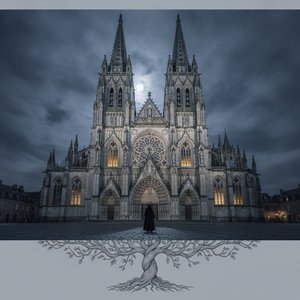
Shadows & Splendor: A Journey Through the Soul of Gothic Art and Architectural Grandeur
Embark on a profound journey through the spiritual intensity of Gothic art. Explore the architectural marvels, luminous stained glass, and sacred sculptures that define this era of grandeur and human devotion.

Bronze Age to Modern Masters: 10 Sculptures That Redefined Art | OriginalUniqueArt
Journey through art history with 10 legendary bronze sculptures – from Michelangelo's David to Rodin’s Thinker. Explore the stories, techniques & timeless beauty of these masterpieces. Find museum-quality reproductions & elevate your home decor on OriginalUniqueArt.com.

Bronze Sculptures That Defined Art History | OriginalUniqueArt
Journey through art history with our Top 10 bronze sculptures! Explore masterpieces by Rodin, Michelangelo & more. Discover stories behind iconic statues and find museum-quality reproductions for your home decor at OriginalUniqueArt.com.

The Enduring Form: Exploring Themes & Techniques in Sculpture Across Historical Periods
Explore the rich history of sculpture from ancient masterpieces to contemporary innovations. Discover key techniques, influential artists & investment potential for discerning art collectors.