

 設置イメージを確認
 送る
送る シェア
シェア
 詳細情報
詳細情報 ガイドを表示

 画像をダウンロード
 似ている作品
 X線調査
X線調査 スライドショー
 Q&A
Q&A 統計情報
統計情報Cell #7
 Contemporary Minimalism
 300.0 x 200.0 cm
 Viafarini
 続きを読む
続きを読む
ウェブ上のプレビューを遥かに凌駕する、印刷に最適なファイルをご提供します。当サイトで販売しているすべてのデジタル画像は、弊社のデータベース内にある高解像度のマスターデータ(通常、幅5,000〜15,000ピクセル)から作成されています。そのため、大判印刷やタイトなクロップ、細部まで緻密な再現も、安心してお楽しみいただけます。
当スタジオから送り出される画像は、すべて丁寧に加工されています。デジタルエキスパートが原画と照らし合わせて色調を精査し、必要に応じて補正を行った上で、プロ仕様のリタッチツールを用いて鮮明さと細部を向上させます。その際、アーティストの筆致やスタイルに忠実であることを常に追求しています。その結果、単なるスキャン画像にフィルターをかけたようなものではなく、まるで本物の絵画を見ているかのような仕上がりを実現しています。
仕上がりをご確認いただいてから完了となります。専門スタッフが、ご確認用の画像を72時間以内にメールでお送りいたします。もしご満足いただけない場合は、修正や改善のご要望を承るほか、品質が基準に満たない場合には返金も可能です。
出版社、デザインスタジオ、ギャラリー、そして印刷所から信頼される品質です。
デジタル画像
個人での鑑賞、印刷、クリエイティブなプロジェクトにご利用いただける高解像度ファイルをダウンロードできます。 ( プリント版に切り替え 手描きの複製画を注文する)
デジタル画像のご注文に付随する特典
プロフェッショナルなデジタル配信を、確かな品質で。
OriginalUniqueArt.com を選ぶことは、単に画像を手に入れることではありません。プロの手によって精密に仕上げられ、満足保証が付いた高品質なデジタルアートワークを受け取ることを意味します。ご注文いただいた際に自動的に付随する内容は、以下の通りです:

メールですぐにお届け
ご注文から72時間以内に、高解像度のデジタル画像ファイルをメールでお送りいたします。お手元に届き次第、すぐにご利用いただけます。

AI技術で最適化されたデジタルファイル
お客様の作品は、高度なAI技術と専門家による手作業を組み合わせてプロフェッショナルに最適化されており、細部のディテール、鮮明さ、そして正確な色再現性を最大限に引き出しています。

一生涯無料の再送サービス
ファイルを誤って削除したり、紛失してしまったりしましたか?ご安心ください。いつでも無料で再送いたします。

輸入手数料は、いつでも一切かかりません
関税や手数料、配送料を気にすることなく、お気に入りのアートワークをすぐにお楽しみいただけます。デジタルダウンロードは常に免税です。

正確な色彩の保証
プロ仕様のツールとカラーマネジメント技術を用いることで、デジタル画像が元の色を最大限に忠実に再現することを保証いたします。

100日間満足保証
ご購入いただいたデジタル画像にご満足いただけない場合は、100日以内であれば、理由を問わず修正または100%の返金対応をさせていただきます。

100% 返金保証
ご満足いただけない場合は、デジタルファイルを受け取ってから100日以内であれば、理由を問わず全額返金いたします。

まとめ買い割引
3枚購入で10%OFF、5枚購入で15%OFF、10枚以上のご購入で20%OFF。クリエイティブなプロジェクトやギャラリー、エージェンシーに最適です。
よくあるご質問
「Cell #7」のダウンロードは可能ですか?
「Cell #7」はダウンロード可能です。作品のダウンロードページにて高解像度デジタル画像のダウンロードいただけます。
Viafarini所蔵の「Cell #7」の複製権について教えてください。
Massimo Kaufmann作「Cell #7」の著作権の状態は明確であり、本作は著作権により保護されていますです。Viafariniに所蔵されているという事実によって、この状態が変わることはありません。
Massimo Kaufmann作「Cell #7」のX線画像を見ることはできますか?
Massimo Kaufmann作「Cell #7」のX線ビューは、作品のX線解析ページでご覧いただけます。11層の光学レイヤーを通じて画像をインタラクティブに解析できる、詳細な検証機能です。
アーティスト・プロフィール
A Milanese Painter of Diverse Expressions
Massimo Kaufmann, born in Milan in 1963, embodies a fascinating trajectory within the landscape of contemporary Italian art. He is an artist who resists easy categorization, having consistently explored diverse mediums and approaches throughout his career. While he readily identifies as a painter, Kaufmann’s artistic journey has been marked by a willingness to embrace installation, photography, and video—a characteristic that places him firmly within the generation of artists who emerged after 1960, those who consciously moved beyond the established ideologies of Arte Povera and Transavantgarde. His work is not defined by adherence to a single style but rather by an ongoing investigation into form, color, and the very act of creation itself.Early Influences and Artistic Development
Kaufmann’s formative years in Milan were crucial in shaping his artistic sensibility. The city's vibrant cultural scene, steeped in both historical tradition and avant-garde experimentation, provided a fertile ground for his developing aesthetic. He attended classical studies and the Faculty of Philosophy, suggesting an early inclination towards intellectual inquiry that would later inform his work. Active since the late 1980s, Kaufmann quickly established himself as a prominent voice within the “Emerging Scene,” as documented by the Museo Pecci in Prato in 1990. This period saw a new wave of Italian artists rejecting rigid classifications and embracing a plurality of mediums—a spirit that resonated deeply with Kaufmann’s own artistic inclinations. His early exhibitions, held in influential galleries such as Giò Marconi and Massimo Minini, signaled his arrival on the national art stage.A Multifaceted Practice: Painting as Performance
While Kaufmann has consistently returned to painting, it is crucial to understand this practice not as a static pursuit but as an evolving process deeply intertwined with other forms of expression. In recent years, his work has become increasingly focused on abstract painting, where the performative aspect takes center stage. He approaches painting less as a means of representation and more as a musical score—a dynamic interplay of color, gesture, and emotion. This emphasis on the act of painting itself is evident in his canvases, which often bear witness to the energy and immediacy of their creation. The color becomes an emotional vehicle, conveying a sense of both intensity and vulnerability.Exhibitions, Collections, and Lasting Legacy
Kaufmann’s work has been widely exhibited in prestigious institutions across Italy and internationally. Notable shows include solo exhibitions at the MACRO in Rome (2011), the Museo Pecci in Prato (both 1990 and 2011), and the Arnaldo Pomodoro Foundation in Milan (2010). His pieces have also graced the halls of renowned museums such as the Fondation Cartier in Paris, the Martin Gropius Bau in Berlin, and the Museum Moderner Ludwig in Vienna. This extensive exhibition history underscores his significance within the contemporary art world. Furthermore, Kaufmann’s work is held in numerous public collections, including those of the Fondation Cartier, the Bronx Museum, and the National Gallery of Modern Art in Rome—a testament to its enduring artistic value. His influence can be seen in a new generation of artists who embrace experimentation and challenge traditional boundaries.Historical Significance and Contemporary Relevance
Massimo Kaufmann’s contribution lies not in adhering to a specific movement but in his ability to synthesize diverse influences and create a uniquely personal visual language. He represents a pivotal moment in Italian art history—a transition from the ideological concerns of previous generations to a more open-ended exploration of form, color, and emotion. His work continues to resonate with audiences today because it speaks to universal themes of isolation, order, and the search for meaning in an increasingly complex world. Kaufmann’s paintings are not merely objects to be observed but experiences to be felt—a testament to his enduring artistic vision. His art is a powerful reminder that painting can be both a deeply personal act and a profound form of communication.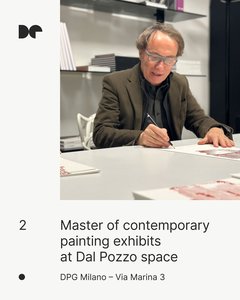
Massimo Kaufmann
1963 - , Italy
略歴
- Full Name: Massimo Kaufmann
- Nationality: Italian
- Date Of Birth: 1963
- Place Of Birth: Milan, Italy
- Notable Artworks: ['Cell #7']
- Artistic Movement Or Style: Abstract Expressionism