

 設置イメージを確認
 送る
送る シェア
シェア
 詳細情報
詳細情報 ガイドを表示

 画像をダウンロード
 似ている作品
 X線調査
X線調査 スライドショー
 統計情報
統計情報Dawn


 続きを読む
続きを読む
ジークレー/アートプリント
スピーディーな制作と多彩な仕上げオプションが魅力の、ミュージアムクオリティなジークレー・キャンバスプリント。 ( 手描きの複製画を注文する デジタル画像販売へ切り替え)




P118B ¥10

P118H ¥10

P118W ¥10

P438Z ¥10

P508JH ¥12

P508YH ¥12

P805H ¥10

P805Z ¥10

P919BZ ¥10

P919G ¥10

P919XJ ¥10

P959ZH ¥10

P968JZ ¥12

W106C ¥8

W218G ¥10

W218JH ¥8

W218Y ¥10

W307PJ ¥10

W316G ¥10

W316PJ ¥8

W316Y ¥10

W398PJ ¥8

W4111J ¥10

W500HY ¥15

W500JH ¥15

W692G ¥12

W849H ¥8

W940BG ¥15

W953PJ ¥8




作品のオリジナル比率に合わせた、当店の規定サイズからお選びください。

額縁や壁のスペースに合わせて、ご希望の幅と高さを入力してください。プリントはカットすることは可能ですが、元の画像より大きくすることはできないため、異なる比率のサイズを選択された場合は、画像の一部が欠けることになります。印刷を開始する前に、内容を確認していただくためのデジタルモックアップをお送りいたします。このページに表示されている画像は、実際のカット後の状態を示すものではありません。実際の仕上がりはモックアップにてご確認ください。


 ガラスオプションは、110cm未満のサイズでのみご利用いただけます。

Dawn
ジークレー/アートプリント
複製画サイズ一覧
-


合計金額
¥ 12604
A Luminist’s Quiet Vision: The Life and Art of Martin Johnson Heade
Martin Johnson Heade (1819 – 1904), born in the serene Pennsylvania countryside, stands as a quietly influential figure in American art history—a painter whose luminous landscapes and intimate depictions of nature gradually emerged from relative obscurity to claim their rightful place among the nation’s most significant artistic achievements. His formative years in Lumberville, nestled along the Delaware River, instilled within him an enduring reverence for the natural world, an affection nurtured by initial studies under local artists Edward and possibly Thomas Hicks. These foundational lessons provided Heade with the technical skills that would later coalesce into a distinctive style, though his journey to artistic recognition proved anything but straightforward. Initially drawn to portraiture, his early works demonstrate a proficient hand but lack the singular vision that would ultimately characterize his mature oeuvre. A pivotal period of travel in Europe broadened Heade’s artistic perspective, exposing him to Impressionist influences and fostering experimentation with bolder brushstrokes—a deliberate departure from the restrained palette and meticulous detail favored by Luminism, the movement he championed. Luminism, born in the mid-1850s, represented a reaction against Romantic idealism, prioritizing atmospheric effects and capturing fleeting moments of beauty rather than grand narratives or dramatic compositions. Artists like Heade sought to convey not just what they saw but how they *felt*, immersing viewers in the tranquility and majesty of unspoiled wilderness. Heade’s technique was remarkably consistent throughout his prolific career—primarily employing oil paints on canvas, applying thin layers of pigment mixed with linseed oil to achieve a velvety surface texture. This method allowed for subtle gradations of color and luminosity, mirroring the diffused light characteristic of dawn landscapes. Unlike Impressionists who aimed to capture immediate sensory impressions, Heade meticulously built up his paintings over time, patiently blending colors and reworking sections until he achieved the desired tonal harmony. The resulting images possess an ethereal quality—a palpable stillness that invites contemplation and evokes a profound connection with nature’s rhythms. “Dawn,” painted in 1862, exemplifies this Luminist aesthetic perfectly. The canvas depicts a tranquil beach scene bathed in the nascent glow of sunrise. Gentle waves lap against the shore, reflecting the rosy hues of the rising sun—a masterful orchestration of color and light that captures the essence of early morning serenity. Scattered boats bobbing on the water add to the visual richness of the composition, while two figures stand silhouetted against the horizon, seemingly absorbed in observing this sublime spectacle. The artist’s careful attention to detail—the texture of the sand, the ripples on the water surface, and the subtle variations in color—contributes to an immersive experience for the viewer. Symbolically, “Dawn” speaks to themes of renewal and hope—a visual representation of the promise held within each new day. The luminous light symbolizes enlightenment and spiritual awakening, mirroring the Luminist preoccupation with capturing transcendent beauty. Furthermore, the depiction of nature’s undisturbed grandeur underscores the movement's belief in its restorative power, offering solace and inspiration amidst the complexities of Victorian society. Ultimately, “Dawn” transcends mere representation; it aspires to evoke emotion—a feeling of profound peace and wonder at the majesty of creation. Its enduring appeal lies in its ability to transport viewers back to a time when art sought not just to depict reality but to communicate its deepest truths. Reproductions of this masterpiece continue to captivate collectors and interior designers alike, serving as reminders of Luminism’s legacy—a testament to the power of understated beauty and the importance of preserving the unspoiled splendor of our natural world.よくあるご質問
マーティン・ジョンソン・ヒーデ作「Dawn」の全体的な雰囲気はどのようなものですか?
マーティン・ジョンソン・ヒーデ作「Dawn」は、その情緒においてSereneと表現されます。この分類は、作品を空間やシーンに合わせる際の手助けとなります。
マーティン・ジョンソン・ヒーデ作「Dawn」は、明るい印象の作品ですか、それとも暗い印象の作品ですか?
全体として、「Dawn」の明るさはbrilliantと記録されています。知覚的な明るさとは、作品がどの程度明るく、あるいは暗く感じられるかを表すものです。
マーティン・ジョンソン・ヒーデ作「Dawn」を異なる照明の下で見ることはできますか?
マーティン・ジョンソン・ヒーデ作「Dawn」のX線ビューは、作品のX線解析ページでご覧いただけます。11層の光学レイヤーを通じて画像をインタラクティブに解析できる、詳細な検証機能です。
アーティストについて
マーティン・ジョンソン・ヒーデの静謐なビジョン:生涯と芸術
マーティン・ジョンソン・ヒーデは、1819年にペンシルベニア州の穏やかな田園地帯に生まれ、アメリカ美術史において魅惑的な人物として残っています。彼の光り輝く風景画と自然への親密な描写は、比較的無名から徐々に抜け出し、国の最も重要な芸術的業績の一つとしての正当な地位を確立しました。デラウェア川沿いのランバービルでの幼少時代は、彼の中に自然界への深い感謝の念を植え付けました。これは、地元のアーティストであるエドワード・ヒックス、そしておそらくトーマス・ヒックスによる初期の研究によって育まれました。これらの基礎的なレッスンは、後に彼の独特なスタイルへと開花する技術を提供しましたが、名声への道は決して直接的ではありませんでした。当初は肖像画に焦点を当てていましたが、初期の作品は有能さを示していましたが、成熟した作風を定義する独自のビジョンには欠けていました。ヨーロッパ旅行の一時期は、彼の芸術的な視野を広げ、多様な影響に触れさせ、最終的に風景画への傾倒の舞台を設定しました。肖像画からパノラマのような光へ
ヒーデの芸術的指向における重要な転換点は、ハドソン・リバー派のメンバーとの出会いを通じて起こりました。ジョン・フレデリック・ケンセットやベンジャミン・チャンプニーといったアーティストたちは、彼の中にアメリカの風景の壮大さと繊細な美しさを捉える情熱を目覚めさせました。この影響と、光と大気への彼の生まれつきの感受性が組み合わさり、穏やかな構成と細部への細心の注意を特徴とするスタイルが確立されました。ヒーデの作品は、同時代の他のアーティストが好んだ劇的な物語を避け、湿地帯、海景、そして最終的には熱帯の動植物の研究に焦点を当てることで、静かな強烈さによって区別されるようになりました。1863年から1864年のブラジルへの旅行は、彼の芸術的アウトプットに深く影響を与えた決定的な瞬間となりました。ブラジルの熱帯雨林の鮮やかな色彩とエキゾチックな形に浸ったヒーデは、ユリの花の中のハチドリを描いた一連の小規模な絵画に取り組みました。これらの作品は、彼の技術的熟練度と生命と環境の間の繊細な相互作用への魅力を示しています。彼はこれらを「ブラジルの宝石」と呼びましたが、当初は出版のために意図されていましたが、彼の生涯中はほとんど実現しませんでした。しかし、今日では彼の最も祝われた作品の一つとして立っています。中央アメリカやジャマイカへのその後の旅行は、熱帯の主題を探求することをさらに促進し、彼のパレットを豊かにし、芸術的語彙を拡大しました。湿地帯、マグノリア、そして巨匠の再発見
晩年、ヒーデはフロリダ州セントオーガスティンに定住し、静物画、特に豊かなベルベットの背景に配置された美しいマグノリアの花を描くことに焦点を当てました。これらの絵画は、彼の色彩と形の習熟度を例証しています。しかし、キャリアを通じてかなりの量の作品を制作したにもかかわらず、ヒーデは生涯を通してほとんど知られていませんでした。1940年代になって初めて、学者が彼の貢献のアメリカ美術における重要性を認識し始めました。ガレージセールやフリーマーケットのような予期しない場所で絵画が発見されるという注目すべき一連の再発見により、彼の作品への関心が高まり、これまで見過ごされてきたルミニズムの巨匠が明らかになりました。ヒーデとフィッツ・ヘンリー・レーンなどのアーティストによって共有されたスタイルを説明するために造語された「ルミニズム」という用語は、彼のアートビジョンの本質をとらえています。それは、大気効果、光の微妙なグラデーション、静けさ、そして穏やかさへの強調です。静かな熟考の遺産
マーティン・ジョンソン・ヒーデの遺産は、彼の技術的なスキルと美的感性にとどまりません。彼の絵画は、視聴者に静かな熟考のための空間を提供します。それは、自然界の美しさと穏やかさに浸るための招待です。彼は生涯を通じて広範な名声を得たわけではありませんが、彼の作品は再発見されて以来、聴衆に深く共鳴し、19世紀のアメリカで最も愛され影響力のある画家の一人としての地位を確固たるものにしました。今日、彼の絵画は世界中の著名な美術館のコレクションに収められており、光と大気の質をとらえ、平凡なシーンを超越的な美しさの瞬間に変える能力に対する畏敬の念と賞賛を引き続けています。ヒーデのアートは、自然界を保護し感謝することの重要性、そしてその静かな壮厳さの中で慰めを見つけることの重要性を痛切に思い出させてくれます。ヒーデのスタイルの主な特徴
- ルミニズム: 大気効果と微妙な光のグラデーションを強調する定義的な特徴です。
- 穏やかな構成: 平和なシーンを好んで劇的な物語を避けます。
- 細心の注意を払った詳細: 自然な形とテクスチャの正確なレンダリング。
- 主題: 塩沼、海景、熱帯鳥(特にハチドリ)、マグノリア、静物画。
- ロマンチックなアプローチ: 自然の感情的な影響と美しさに焦点を当てます。

マーティン・ジョンソン・ヒーデ
1819 - 1904 , アメリカ合衆国
アーティスト情報
- Artistic Movement Or Style: ルミナリズム
- Artists Who Influenced This Artist:
- エドワード・ヒックス
- ジョン・フレデリック・ケンセット
- Date Of Birth: 1819年8月11日
- Date Of Death: 1904年9月4日
- Full Name: マーティン・ジョンソン・ヒーデ
- Nationality: アメリカ人
- Notable Artworks:
- オーキッドとハミングバード
- ソルトマーシュ風景
- ハミングバードブロッサム
- Place Of Birth (City And Country): ペンシルベニア州ランバービル
関連記事
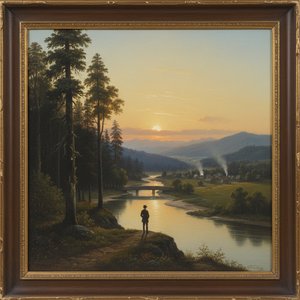
Robert Spencer: Luminism, Narrative & the American Landscape Tradition
Explore the captivating world of Luminism & the Hudson River School with our expert analysis. Discover the history, artists, and enduring beauty of 19th-century American landscape painting. Find museum-quality reproductions at OriginalUniqueArt.
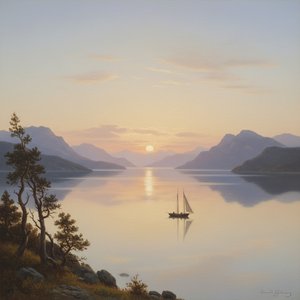
Sanford Robinson Gifford: Luminism & the American Landscape Tradition
Explore the serene landscapes of Sanford Robinson Gifford, a leading Luminist painter of the Hudson River School. Discover his mastery of light, atmospheric effects & lasting influence on American art. Hand-painted reproductions available.
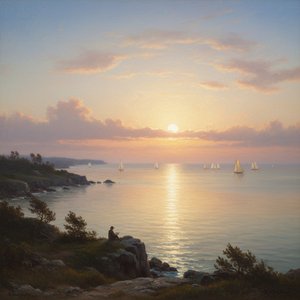
William Trost Richards: Luminism, Spirituality & the American Landscape Tradition
Explore the captivating landscapes of William Trost Richards, a master of Luminism associated with both the Hudson River School & American Pre-Raphaelite movements. Discover his spiritual connection to nature and lasting influence on American art.
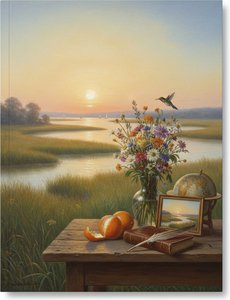
Martin Johnson Heade: Luminism, American Identity & the Poetic Still Life
Explore the captivating world of Martin Johnson Heade, a master of Luminism. Discover his serene landscapes, vibrant still lifes & profound connection to American identity. Learn about his techniques and legacy.

Luminism: Capturing the Ethereal Glow of Light in American Landscape Painting
Explore the ethereal beauty of Luminism. Discover how 19th-century American masters captured light and atmosphere through profound landscape painting. Learn about this iconic movement and find museum-quality, hand-painted oil reproductions to bring historical brilliance to your home.