

 設置イメージを確認
 送る
送る シェア
シェア
 詳細情報
詳細情報 ガイドを表示

 画像をダウンロード
 似ている作品
 X線調査
X線調査 スライドショー
 統計情報
統計情報Untitled (Blue, Green, and Brown)

 続きを読む
続きを読む
手描き油彩複製画
当社のアーティストが、お客様のご希望のサイズと額縁に合わせて、キャンバスに手描きで制作する油彩画です。 ( プリント版に切り替え デジタル画像販売へ切り替え)




P118B $10

P118H $10

P118W $10

P438Z $10

P508JH $12

P508YH $12

P805H $10

P805Z $10

P919BZ $10

P919G $10

P919XJ $10

P959ZH $10

P968JZ $12

W106C $8

W218G $10

W218JH $8

W218Y $10

W307PJ $10

W316G $10

W316PJ $8

W316Y $10

W398PJ $8

W4111J $10

W500HY $15

W500JH $15

W692G $12

W849H $8

W940BG $15

W953PJ $8




作品のオリジナル比率に合わせた、当店の規定サイズからお選びください。

特定のフレームやスペースに合わせて、ご希望のサイズをご入力いただけます。選択されたサイズが元の画像の比率と異なる場合、アートワークをトリミングするか、手描きで要素を追加して絵画を拡張いたします。デジタルモックアップ を制作し、制作開始前にご確認(承認)をいただきます。
画面上のプレビューは、実際のトリミングや拡張を正確に反映しているものではありません。最終的な構図は、モックアップによってのみ正確にご確認いただけます。
カスタムサイズもご利用いただけますが、元の比率を維持するためには、あらかじめ用意されたリストからサイズを選択することをお勧めいたします。
ご注文後、OriginalUniqueArt.com チームより詳細な指示をお送りするとともに、仕上がりイメージ(モックアップ)をご提供いたします。


 ガラスオプションは、110cm未満のサイズでのみご利用いただけます。

Untitled (Blue, Green, and Brown)
再現技法
複製画サイズ一覧
-


合計金額
$ 300
Mark Rothko’s ‘Blue, Green, and Brown’: A Meditation on Color and Emotion
Mark Rothko's Blue, Green, and Brown (1952) stands as a monumental achievement within the American abstract expressionist movement. More than simply a painting, it is an immersive experience—a carefully constructed space designed to evoke profound emotional responses in the viewer. Created during a pivotal period of Rothko’s artistic development, this work exemplifies his signature style: vast rectangular blocks of color stacked vertically against a subtly textured ground, creating a sense of depth and ambiguity that continues to captivate audiences today.
The painting's genesis lies in Rothko’s deliberate exploration of the relationship between color and human experience. He sought to move beyond representational imagery, aiming instead to capture fundamental aspects of existence – sorrow, joy, spirituality – through pure chromatic form. Rothko himself described his process as “an anecdote of the spirit,” a phrase that encapsulates the painting's core intention: not to depict something recognizable, but to offer a visceral encounter with emotion itself. The seemingly simple arrangement of blue, green, and brown is, in fact, the result of meticulous layering and glazing techniques, building up complex tonal variations within each block.
Color as Symbol and Atmosphere
The choice of these specific colors is profoundly significant. Rothko’s use of blue—a color often associated with melancholy, introspection, and spirituality—dominates the composition, creating a sense of quiet contemplation. The green introduces an element of vitality and growth, yet remains subdued, suggesting a restrained energy. Finally, the brown provides grounding and stability, anchoring the vertical forms within the canvas. These colors aren’t merely decorative; they are carefully calibrated to create a specific atmosphere—one that is both unsettling and deeply moving.
Rothko's technique involved applying thin layers of oil paint, building up color through multiple glazes. This process allowed him to achieve remarkable luminosity and depth within the rectangular forms, creating an illusion of three-dimensionality. The subtle variations in tone—the way light catches on the edges of each block—are crucial to the painting’s impact, inviting the viewer to lose themselves in its surface.
Contextualizing Rothko's Vision
Blue, Green, and Brown was created during a period of intense experimentation within abstract expressionism. While artists like Jackson Pollock were embracing gestural abstraction, Rothko sought a more controlled and contemplative approach. His work reflects the broader anxieties and spiritual questioning of post-war America, grappling with themes of mortality, isolation, and the search for meaning in a rapidly changing world.
The painting’s eventual placement within the Rothko Chapel in Houston, Texas—a space designed to foster contemplation and spiritual reflection—further solidified its significance. The chapel's architecture, with its darkened walls and soaring ceilings, was specifically conceived to enhance the impact of Rothko’s monumental canvases. This setting underscores the artist’s ambition: to create works that transcend mere decoration and become genuine spaces for emotional and spiritual engagement.
A Timeless Masterpiece
Blue, Green, and Brown remains one of Mark Rothko's most iconic paintings, a testament to his profound understanding of color and its ability to evoke powerful emotions. Its enduring appeal lies in its simplicity, its ambiguity, and its capacity to connect with viewers on a deeply personal level. A hand-painted reproduction offers an unparalleled opportunity to experience the full force of this masterpiece within your own space – a window into the soul of one of 20th century’s most influential artists.
アーティストについて
マーク・ロスコ:色彩の深淵と魂の叫び
1903年、ラトビアのダウガフピルスでマルクス・ヤコヴレヴィチ・ロトコヴィッチとして生まれたマーク・ロスコは、その生涯を色彩という言葉で人間の存在と感情の深淵を探求することに捧げた。幼少期から政治不安や迫害に晒されたユダヤ人家庭環境は、彼の中に深い感受性と苦悩の種を植え付けた。1913年のアメリカへの移民は、新たな文化との出会いをもたらす一方で、故郷との断絶という喪失感も与えた。ポートランドでの生活を経てニューヨークへ移り、当初は都市風景や人物を描いていたロスコだが、第二次世界大戦の激動期を迎え、その芸術は劇的な変貌を遂げる。
シュルレアリスムの影響を受けながら、ロスコは象徴的な形を通して普遍的な人間の感情を表現しようと試みた。1940年代後半には、彼の画業における転換点となる、純粋な色彩領域による作品群が誕生する。それらは単なる色の配置ではなく、深遠な精神性を帯びた、瞑想的な空間へと誘う力を持っていた。次第に、ロスコは具象表現から完全に脱却し、巨大なキャンバス上に不規則な矩形の色面を配置することで、見る者を圧倒的な色彩の海へと引き込むような作品を生み出した。このスタイルこそが、後のカラーフィールド絵画と呼ばれるものであり、抽象表現主義運動における重要な位置を占める。
色彩の交響曲:ロスコの芸術的探求
ロスコの成熟期作品は、色彩そのものが感情と直接的に結びつくという信念に基づいている。彼は、色の微妙なニュアンスや重ね合わせによって、喜び、悲しみ、絶望、希望といった人間の複雑な感情を表現しようとした。彼の絵画は、しばしば静寂の中に潜む激しいエネルギーを感じさせる。それは、色彩が互いに共鳴し合い、まるで音楽のように響き渡るかのような感覚である。ロスコは、作品にタイトルを与えることを避け、「No. 1」や「No. 6」といった番号のみを付与することで、鑑賞者が先入観なしに作品と向き合い、自身の感情を通して作品の意味を受け止めることを望んだ。
セagram美術館の壁画プロジェクトは、ロスコにとって重要な出来事であった。しかし、彼の作品が単なる装飾品として扱われることへの嫌悪感から、依頼を断り、これらの作品を Tate Gallery に寄贈した。この行為は、彼が芸術を商業主義から切り離し、純粋な精神的価値を守ろうとした姿勢を示すものだった。そして、ヒューストンにあるロスコ礼拝堂は、彼の芸術的探求の集大成と言えるだろう。14枚の絵画が配置されたこの聖域は、静寂と瞑想の中で、人間の魂を深く揺さぶる体験を提供する。
遺産:抽象表現主義を超えた影響力
マーク・ロスコの死後も、彼の作品は世界中の人々に深い感銘を与え続けている。彼の芸術は、ミニマリズムや現代絵画に多大な影響を与え、色彩を通して感情を表現する可能性を広げた。ロスコの作品は、単なる視覚的な体験を超え、鑑賞者の内面へと深く入り込み、自己と向き合い、存在の意味を探求することを促す力を持っている。彼の遺産は、抽象表現主義という芸術史上の重要な潮流を代表するだけでなく、人間の感情と精神性を探求する普遍的な芸術の力を体現していると言えるだろう。
ロスコの作品群は、色彩が持つ無限の可能性を示し、私たちに心の奥底にある感情と向き合う勇気を与えてくれる。それは、言葉では表現できない、人間の魂の叫びであり、永遠に人々の心に響き続けるであろう。

マーク・ロスコ
1903 - 1970 , ラトビア
アーティスト情報
- フルネーム: マーク・ロスコ
- 主な作品:
- No. 10 (1950)
- セagramの壁画
- ロスコ礼拝堂
- 出生地: ラトビア、ダウガフピルス
- 国籍: アメリカ合衆国
- 影響を与えたアーティスト: ['ミニマリズム']
- 死亡年月日: 1970年2月25日
- 生年月日: 1903年9月25日
- 芸術運動またはスタイル: 抽象表現主義、カラーフィールド
関連記事

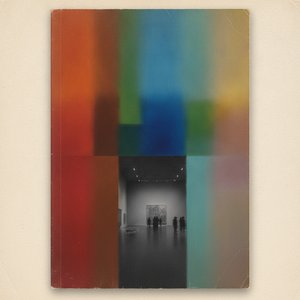
抽象表現主義を定義する十大傑作:芸術と装飾の深遠な旅
抽象表現主義を定義する10の傑作。ポロック、ロスコら巨匠たちの情熱と色彩の世界へ。各作品に込められた物語と技法を紐解き、至高のアート体験を。OriginalUniqueArt.comで、ミュージアムクオリティの複製画や洗練されたインテリアアイデアを発見してください。
The Essence of Abstraction: A Definitive Guide to the Power and History of Color Field Painting Masterpieces
Explore the profound emotional depth of Color Field painting. Our expert guide delves into the post-war origins of Abstract Expressionism, analyzing masterpieces by Rothko and Newman. Discover museum-grade, hand-painted oil reproductions that bring art history to your walls.
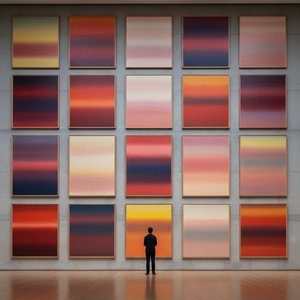
マーク・ロスコ傑作25選:色彩が織りなす深遠な世界|OriginalUniqueArt
マーク・ロスコの傑作25選。抽象表現主義を代表する巨匠、色彩が織りなす深遠な世界を探求します。絵画の背景や技法、感動的なストーリーを紐解き、OriginalUniqueArtで高品質なアートプリントをお楽しみください。リビングやオフィスにモダンアートを飾るなら!

The Sublimity of Color: Exploring the Emotional Landscapes of Mark Rothko's Abstract Expressionism
Explore the profound emotional depth of Mark Rothko's abstract expressionism. Discover the history, techniques & lasting impact of this pivotal Color Field painter. Expert insights for collectors and art enthusiasts.
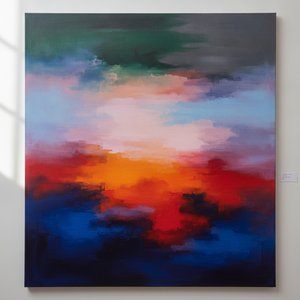
Color Field Painting: The Emotional Power of Pure Abstraction and Chromatic Depth
Explore the profound emotional depth of Color Field painting. Discover the history of mid-century abstraction, from Rothko to Newman, and learn how pure color transforms the viewer's experience through our expert art history guide.


