Abstract Expressionism · 1947
Untitled (マーク・ロスコ, 1947)
マーク・ロスコ (1903–1970)による作品『Untitled』 制作年は1947年です。 Abstract Expressionism運動に属しています。 Acrylic On Canvasで制作されています。 サイズは96 × 53 cmです。
- 1947
- Acrylic On Canvas
- 96 × 53 cm

 設置イメージを表示

 手描き油彩画
 シェアする
 シェアする
 解説シート


 ダウンロード
 似ている作品
 X線調査
 スライドショーを表示
 Q&A

 統計情報
Untitledの概要
Untitledには何が描かれていますか?
A Window into the Soul: Exploring Mark Rothko’s 1947 Untitled Painting
This captivating work by Mark Rothko, created in 1947, exemplifies a pivotal moment in the artist's transition towards his signature Color Field style. Measuring 96 x 53 cm, this painting isn’t about *what* it depicts, but rather *how* it makes you feel – a hallmark of Abstract Expressionism and Rothko’s enduring legacy.Style & Technique: Gestural Abstraction and the Birth of Color Fields
The artwork is deeply rooted in Abstract Expressionism, specifically leaning towards gestural abstraction. Unlike purely abstract works that might emphasize geometric forms, this piece showcases a fluidity and spontaneity achieved through loose brushstrokes and washes of color. Rothko masterfully employs a wet-on-wet blending technique, allowing hues to seamlessly merge and create atmospheric depth. While reminiscent of the later, more defined Color Field paintings – like his iconic series of stacked rectangles – this 1947 work retains a greater textural variation, hinting at the emotional turmoil and experimentation that characterized his artistic evolution. The layering of paint creates a sense of movement within the composition, drawing the eye upwards through subtle shifts in tone and saturation.Historical Context: Post-War Emotion & Artistic Innovation
Created immediately after World War II, this painting reflects the anxieties and existential questioning prevalent during that era. Abstract Expressionism emerged as a response to the horrors of war, rejecting traditional representational art in favor of expressing raw emotion and subjective experience. Rothko, having immigrated from Latvia as a child, carried with him a sense of displacement and cultural shift which profoundly influenced his artistic vision. This period saw American artists seeking new ways to articulate universal human experiences – grief, hope, spirituality – through non-figurative forms.Symbolism & Emotional Resonance
While Rothko resisted explicit interpretations of his work, the painting undeniably evokes a powerful emotional response. The muted tones and lack of defined shapes contribute to a sense of tranquility tinged with melancholy. The amorphous, organic forms suggest hidden depths and invite introspection. It’s not about recognizing *something* in the painting; it's about allowing the colors and textures to resonate within you, prompting personal reflection. Rothko aimed to create paintings that were almost like spiritual experiences – spaces for contemplation and emotional release.Interior Design & Collecting Considerations
This piece, or a high-quality reproduction, would serve as a striking focal point in a modern or minimalist interior. Its subdued palette lends itself well to spaces seeking calm and sophistication. The vertical orientation makes it ideal for hallways or above seating areas. As an early example of Rothko’s evolving style, this work represents a significant investment for collectors interested in the development of Abstract Expressionism. It offers a glimpse into the artist's formative years and foreshadows the iconic Color Field paintings that would define his career.- Dimensions: 96 x 53 cm
- Date: 1947
- Style: Abstract Expressionism, Gestural Abstraction, Color Field (Proto)
- Materials: Likely oil or acrylic on canvas.
Untitledの高解像度画像
Protected by copyright: these files are for personal reference, not a licence to republish.
マーク・ロスコ, Untitled (1947).
Untitledに関するよくあるご質問
マーク・ロスコ作「Untitled」の制作時期はいつですか?
「Untitled」の制作技法は何ですか?
原画「Untitled」のサイズはどのくらいですか?
「Untitled」はどのような内容の作品ですか?
マーク・ロスコ作「Untitled」の画像は自由に複製できますか?
「Untitled」はどの様式に属していますか?
アーティスト マーク・ロスコ について

1903–1970, ラトビア
マーク・ロスコ
マーク・ロスコの幼少期 マーク・ロスコは1903年、マルクス・ヤコヴレヴィチ・ロトコヴィッチとしてその生を受けた。彼が誕生したのは、当時はロシア帝国の一部であり、現在はラトビアのダウガフピルスとして知られるドヴィンスクであった。彼の家族は、政治的不安とポグロムの絶え間ない影に覆われたユダヤ人居住区に暮らしていた。こうした不安定な空気は、1913年に家族がアメリカ合衆国へと移住した後も、彼らの人生に静かに付きまとった。エリス島を経て、家族はオレゴン州ポートランドに定住することとなる。 父ジェイコブは薬剤師として働いていた。彼は社会主義的な傾向を持つ知的な人物であり、学びと議論を重んじる家庭環境を築いていた。しかし、この深い思索に満ちた日常は、突然の喪失によって断ち切られることになる。家族がアメリカに到着して間もなく、ジェイコブは大腸癌によりこの世を去った。この幼少期の悲しみと、移民として生きる苦闘の経験は、後に偉大な芸術家へと変貌を遂げる彼の内面に、静かな、しかし揺るぎない土台を形作ることとなった。芸術的修行とニューヨークでの初期時代 1923年のニューヨークへの移住は、彼の表現の核心に大きな転換をもたらしました。イェール大学で学んだ後、都市が放つ強烈な引力は、彼をアカデミックな学問の世界から引き離していきました。彼は自らの技法を研鑽するため、アート・ストゥデンツ・リーグへと身を投じます。この初期の時代、彼の筆先は極めて「実体的なもの」に向けられていました。人物の表情や、都市の街路に漂う荒々しい質感に対して細部まで細心の注意を払い、肖像画や都市の風景を描き上げたのです。その作品は写実主義に根ざしており、抽象表現へと向かう大きな変容が訪れる前の、目に見える物理的な世界を鮮明に捉えていました。 1940年を迎える頃、彼は名を「マーク・ロスコ」へと改名することを決断します。それは、若き日の整然とした具象表現から脱却しようとする、過渡期の象徴的な出来事でした。表現の焦点は、都市の中に存在する認識可能な物体から、より定義の曖昧な何かへと移ろい始めます。彼は、周囲に存在する具体的な形に頼ることなく、人間の経験が持つ重みを表現するための、新たな術を探求していたのです。抽象表現主義への進化 1940年代が進むにつれ、初期の作品に見られた緻密な写実主義は次第に影を潜めていきました。その関心は、都市の風景や人物像といった、目に見える具体的なディテールから、より深い領域へと移り変わっていったのです。マーク・ロスコは、シュルレアリスムの言語や神話の世界へと自身の表現を傾け、それらのテーマを通じて、人間の感情が持つ重みをいかに描き出すかという問いに向き合いました。この時期の作品には、生命の躍動を感じさせるバイオモーフィック(生物形態的)な形がしばしば現れます。それらの形態は、完全な具象でも、かといって完全な抽象でもない、宙に浮遊するような不思議な状態を保っていました。 この変遷は、彼がアメリカ抽象表現主義運動へと足を踏み入れた重要な転換点となりました。マーク・ロスコは、秩序立てられた「物」の世界から離れ、より内面的な精神の探求へと向かったのです。キャンバスは、対象が「どのように見えるか」を描くためのものではなく、その対象が「どのような感情を宿しているか」を伝えるための媒体へと変貌を遂げました。彼は、形と神話という手段を用いて、人間という存在が抱える複雑な葛藤を表現するための、新たな言葉を模索していたのです。 Mother and Child (1934) The Pugilist The High Priest (1945) カラーフィールド・ペインティングの展開 1940年代後半、彼の作品は劇的な変貌を遂げ始める。それまでの具象的な形態や神話的な物語から離れ、認識可能なイメージを削ぎ落としていくことで、彼はより直接的な表現を追い求めたのである。キャンバスは巨大なスケールへと膨れ上がり、そこには宙に浮いているかのような、大きな矩形の色彩の塊が鎮座するようになった。これらの形態は単に画面の表面に置かれているのではなく、浅く、それでいて呼吸しているかのような空間の中に存在しているように感じられる。この転換こそが、カラーフィールド・ペインティングの台頭と密接に結びついた、マーク・ロスコの成熟期の幕開けであった。 絵具の塗布は、極めて緩やかで、幾重にも重なるプロセスであった。彼は顔料を薄く、層を成すように塗り重ねることで、色調と質感に繊細な変化を与えていった。この層の重なりによって、まるで光がキャンバスの内部から溢れ出しているかのような視覚効果が生まれる。色彩を帯びた形態の境界線は、決して鋭いものではなかった。むしろ、それらはぼやけ、柔らかく、異なる色相同士の境界が互いに浸透し合っているかのように感じさせる。この技法によって、キャンバスは静謐で、重厚な存在感を放つ場所へと変貌を遂げたのである。 No. 1 Three No. 3/No. 13 No.
マーク・ロスコのその他の作品
 ホワイト・センター1950
 ロスコ Chapel
 No.61 (錆と青)1953
 オレンジと黄色1956
Untitledに関するエッセイ
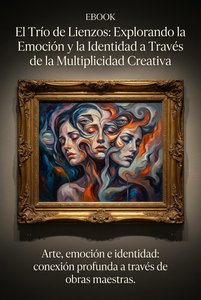 The Triadic Resonance of Artistic Choice: Exploring Emotional Response to Multiple Interpretations of a Singular ConceptExplore the emotional power of art & discover how skilled artists create lasting masterpieces. Custom paintings, expert consultations, & mu…
 マーク・ロスコ傑作25選:色彩が織りなす深遠な世界|OriginalUniqueArtマーク・ロスコの傑作25選。抽象表現主義を代表する巨匠、色彩が織りなす深遠な世界を探求します。絵画の背景や技法、感動的なストーリーを紐解き、OriginalUniqueArtで高品質なアートプリントをお楽しみください。リビングやオフィスにモダンアートを飾るなら!
 The Architecture of Emotion: A Connoisseur’s Guide to the Chromatic Sublimity of Mark RothkoExplore the profound emotional landscapes of Mark Rothko. An expert editorial on Color Field painting, decoding the spiritual depth, techni…