

 設置イメージを確認
 送る
送る シェア
シェア
 詳細情報
詳細情報 ガイドを表示

 画像をダウンロード
 似ている作品
 X線調査
X線調査 スライドショー
 統計情報
統計情報Untitled (18)

 続きを読む
続きを読む
このページに掲載されている作品は著作権法によって保護されており、当社の許可なく同一の複製物を制作または販売することは法律で禁じられています。この保護は、以下のような国際条約に基づき執行されます。 ベルヌ条約 および、以下の条項に定められたものを含む各国の法律により、 米国著作権法 第17編。
この手法は、著作権で保護された作品の複製や複写を伴わないため、著作権法に完全に準拠しています。これは単なる模倣ではなく、創造的な再解釈です。元の作品からインスピレーションを受けつつも、それとは異なる、全く新しい絵画を生み出すものです。
ジークレー/アートプリント
スピーディーな制作と多彩な仕上げオプションが魅力の、ミュージアムクオリティなジークレー・キャンバスプリント。 ( 手描きの複製画を注文する デジタル画像販売へ切り替え)




P118B ¥10

P118H ¥10

P118W ¥10

P438Z ¥10

P508JH ¥12

P508YH ¥12

P805H ¥10

P805Z ¥10

P919BZ ¥10

P919G ¥10

P919XJ ¥10

P959ZH ¥10

P968JZ ¥12

W106C ¥8

W218G ¥10

W218JH ¥8

W218Y ¥10

W307PJ ¥10

W316G ¥10

W316PJ ¥8

W316Y ¥10

W398PJ ¥8

W4111J ¥10

W500HY ¥15

W500JH ¥15

W692G ¥12

W849H ¥8

W940BG ¥15

W953PJ ¥8




作品のオリジナル比率に合わせた、当店の規定サイズからお選びください。

額縁や壁のスペースに合わせて、ご希望の幅と高さを入力してください。プリントはカットすることは可能ですが、元の画像より大きくすることはできないため、異なる比率のサイズを選択された場合は、画像の一部が欠けることになります。印刷を開始する前に、内容を確認していただくためのデジタルモックアップをお送りいたします。このページに表示されている画像は、実際のカット後の状態を示すものではありません。実際の仕上がりはモックアップにてご確認ください。


 ガラスオプションは、110cm未満のサイズでのみご利用いただけます。

Untitled (18)
ジークレー/アートプリント
複製画サイズ一覧
-


合計金額
¥ 12539
The Enigmatic Core: An Exploration of Mark Rothko's "Untitled (18)"
Mark Rothko’s “Untitled (18),” a painting shrouded in mystery yet profoundly resonant, stands as a cornerstone of Abstract Expressionism and a testament to the power of color to evoke complex emotional states. Created around 1948, this work embodies Rothko's signature style – vast fields of luminous color stacked vertically, creating an almost architectural presence on the canvas. It’s not merely a painting; it’s an invitation to contemplate the depths of human experience, a journey into realms of anxiety, introspection, and ultimately, a fragile sense of peace.
The photograph reveals a scene both unsettling and strangely compelling. A solitary figure, seemingly male, kneels on the ground, his hands clasped tightly over his head – an immediate gesture of distress or perhaps profound contemplation. Around him swirl other figures: one brandishing a knife, another bearing a bowl upon their head, elements that immediately introduce layers of symbolic interpretation. These aren’t simply decorative additions; they contribute to a narrative of disruption and the struggle for meaning within a chaotic world. The inclusion of trees, cacti, and a bird – rendered with a muted, almost dreamlike quality – anchors the scene in a naturalistic setting while simultaneously highlighting its surreal and emotionally charged atmosphere.
The Language of Color: Rothko’s Method and Philosophy
Rothko's technique was deliberately reductive. He eschewed traditional brushwork, opting instead for layers of thin paint applied with meticulous care to create the illusion of depth and luminosity. The colors – predominantly deep blues, greens, and reds – are not blended but rather juxtaposed, allowing them to bleed into one another subtly. This creates a vibrating effect, as if the canvas itself is alive with energy. He famously described his process as “making a stain,” emphasizing the importance of the material qualities of paint and its ability to evoke feeling directly. The scale of the painting – an unknown size but undeniably imposing – further intensifies this immersive experience, enveloping the viewer in a sea of color.
Crucially, Rothko wasn’t interested in depicting recognizable forms or narratives. Instead, he sought to create what he called “feeling” – pure emotional expression communicated through the interaction of color and shape. His work is deeply rooted in his belief that art should transcend representation and tap directly into the viewer's subconscious. The absence of a clear subject allows for individual interpretation; each observer brings their own experiences and emotions to bear on the painting, forging a unique connection with the artwork.
Historical Context & Rothko’s Existential Concerns
Born in Latvia in 1903, Mark Rothko's early life was marked by displacement and upheaval – experiences that profoundly shaped his artistic vision. His family’s journey to America, followed by the tragic loss of his father, instilled within him a deep sensitivity to themes of mortality, trauma, and the search for meaning. This existential angst permeates much of his work, particularly during the post-World War II era. “Untitled (18)” can be viewed as an embodiment of this struggle – a visual representation of the anxieties and uncertainties that characterized the period.
Rothko’s work gained prominence within the Abstract Expressionist movement, alongside artists like Jackson Pollock and Willem de Kooning. However, he deliberately distanced himself from the more overtly gestural styles of his contemporaries, focusing instead on creating a meditative space for contemplation. His later years were marked by a growing disillusionment with the commercialization of art, culminating in his decision to donate his paintings to museums rather than sell them for profit. “Untitled (18)” stands as a poignant reminder of this commitment to artistic integrity and the profound emotional depth that fueled Rothko’s extraordinary career.
A Legacy of Resonance: The Enduring Power of "Untitled (18)"
“Untitled (18)” continues to captivate viewers with its enigmatic beauty and unsettling power. It's a painting that demands attention, inviting us to slow down, breathe deeply, and confront our own emotions. Reproductions offer a remarkable opportunity to experience this work’s immersive quality in one’s own space, bringing Rothko’s profound vision into the heart of the home. OriginalUniqueArt offers meticulously crafted hand-painted reproductions that faithfully capture the luminosity, depth, and emotional resonance of this iconic masterpiece – allowing you to connect with its timeless message.
よくあるご質問
マーク・ロスコ作「Untitled (18)」 の色彩は、どの程度調和していますか?
「Untitled (18)」の色彩の調和は、Discordant Paletteと表現されます。
マーク・ロスコ作「Untitled (18)」にはどのような技法が用いられていますか?
マーク・ロスコは、「Untitled (18)」においてAcrylic On Canvasの技法を用いています。この技法が、原画の素材としての性質を決定づけています。
「Untitled (18)」は、マーク・ロスコの最も人気のある作品の一つでしょうか?
マーク・ロスコ作「Untitled (18)」の記録されている人気度はLegendaryです。
アーティストについて
マーク・ロスコ:色彩の深淵と魂の叫び
1903年、ラトビアのダウガフピルスでマルクス・ヤコヴレヴィチ・ロトコヴィッチとして生まれたマーク・ロスコは、その生涯を色彩という言葉で人間の存在と感情の深淵を探求することに捧げた。幼少期から政治不安や迫害に晒されたユダヤ人家庭環境は、彼の中に深い感受性と苦悩の種を植え付けた。1913年のアメリカへの移民は、新たな文化との出会いをもたらす一方で、故郷との断絶という喪失感も与えた。ポートランドでの生活を経てニューヨークへ移り、当初は都市風景や人物を描いていたロスコだが、第二次世界大戦の激動期を迎え、その芸術は劇的な変貌を遂げる。
シュルレアリスムの影響を受けながら、ロスコは象徴的な形を通して普遍的な人間の感情を表現しようと試みた。1940年代後半には、彼の画業における転換点となる、純粋な色彩領域による作品群が誕生する。それらは単なる色の配置ではなく、深遠な精神性を帯びた、瞑想的な空間へと誘う力を持っていた。次第に、ロスコは具象表現から完全に脱却し、巨大なキャンバス上に不規則な矩形の色面を配置することで、見る者を圧倒的な色彩の海へと引き込むような作品を生み出した。このスタイルこそが、後のカラーフィールド絵画と呼ばれるものであり、抽象表現主義運動における重要な位置を占める。
色彩の交響曲:ロスコの芸術的探求
ロスコの成熟期作品は、色彩そのものが感情と直接的に結びつくという信念に基づいている。彼は、色の微妙なニュアンスや重ね合わせによって、喜び、悲しみ、絶望、希望といった人間の複雑な感情を表現しようとした。彼の絵画は、しばしば静寂の中に潜む激しいエネルギーを感じさせる。それは、色彩が互いに共鳴し合い、まるで音楽のように響き渡るかのような感覚である。ロスコは、作品にタイトルを与えることを避け、「No. 1」や「No. 6」といった番号のみを付与することで、鑑賞者が先入観なしに作品と向き合い、自身の感情を通して作品の意味を受け止めることを望んだ。
セagram美術館の壁画プロジェクトは、ロスコにとって重要な出来事であった。しかし、彼の作品が単なる装飾品として扱われることへの嫌悪感から、依頼を断り、これらの作品を Tate Gallery に寄贈した。この行為は、彼が芸術を商業主義から切り離し、純粋な精神的価値を守ろうとした姿勢を示すものだった。そして、ヒューストンにあるロスコ礼拝堂は、彼の芸術的探求の集大成と言えるだろう。14枚の絵画が配置されたこの聖域は、静寂と瞑想の中で、人間の魂を深く揺さぶる体験を提供する。
遺産:抽象表現主義を超えた影響力
マーク・ロスコの死後も、彼の作品は世界中の人々に深い感銘を与え続けている。彼の芸術は、ミニマリズムや現代絵画に多大な影響を与え、色彩を通して感情を表現する可能性を広げた。ロスコの作品は、単なる視覚的な体験を超え、鑑賞者の内面へと深く入り込み、自己と向き合い、存在の意味を探求することを促す力を持っている。彼の遺産は、抽象表現主義という芸術史上の重要な潮流を代表するだけでなく、人間の感情と精神性を探求する普遍的な芸術の力を体現していると言えるだろう。
ロスコの作品群は、色彩が持つ無限の可能性を示し、私たちに心の奥底にある感情と向き合う勇気を与えてくれる。それは、言葉では表現できない、人間の魂の叫びであり、永遠に人々の心に響き続けるであろう。

マーク・ロスコ
1903 - 1970 , ラトビア
アーティスト情報
- フルネーム: マーク・ロスコ
- 主な作品:
- No. 10 (1950)
- セagramの壁画
- ロスコ礼拝堂
- 出生地: ラトビア、ダウガフピルス
- 国籍: アメリカ合衆国
- 影響を与えたアーティスト: ['ミニマリズム']
- 死亡年月日: 1970年2月25日
- 生年月日: 1903年9月25日
- 芸術運動またはスタイル: 抽象表現主義、カラーフィールド
関連記事

The Sublimity of Color: Exploring the Emotional Landscapes of Mark Rothko's Abstract Expressionism
Explore the profound emotional depth of Mark Rothko's abstract expressionism. Discover the history, techniques & lasting impact of this pivotal Color Field painter. Expert insights for collectors and art enthusiasts.
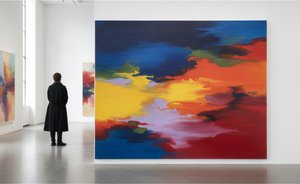
Beyond the Brushstroke: A Definitive Guide to the Emotional Power of Color Field Painting
Explore the profound history and emotional depth of Color Field painting. From Mark Rothko to Barnett Newman, discover how pure color redefined modern art through our expert-led guide for students and collectors alike.
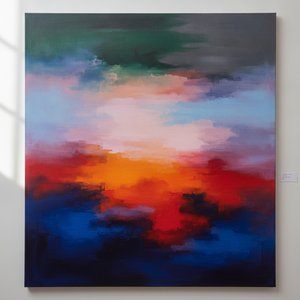
Color Field Painting: The Emotional Power of Pure Abstraction and Chromatic Depth
Explore the profound emotional depth of Color Field painting. Discover the history of mid-century abstraction, from Rothko to Newman, and learn how pure color transforms the viewer's experience through our expert art history guide.
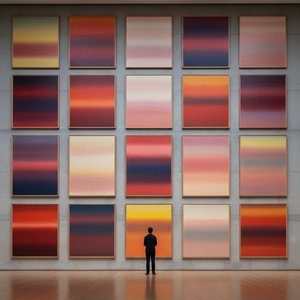
マーク・ロスコ傑作25選:色彩が織りなす深遠な世界|OriginalUniqueArt
マーク・ロスコの傑作25選。抽象表現主義を代表する巨匠、色彩が織りなす深遠な世界を探求します。絵画の背景や技法、感動的なストーリーを紐解き、OriginalUniqueArtで高品質なアートプリントをお楽しみください。リビングやオフィスにモダンアートを飾るなら!

抽象表現主義を定義する十大傑作:芸術と装飾の深遠な旅
抽象表現主義を定義する10の傑作。ポロック、ロスコら巨匠たちの情熱と色彩の世界へ。各作品に込められた物語と技法を紐解き、至高のアート体験を。OriginalUniqueArt.comで、ミュージアムクオリティの複製画や洗練されたインテリアアイデアを発見してください。


