

 設置イメージを確認
 送る
送る シェア
シェア
 詳細情報
詳細情報 ガイドを表示

 画像をダウンロード
 似ている作品
 X線調査
X線調査 スライドショー
 Q&A
Q&A 統計情報
統計情報St Jerome
 Oil On Panel
- WallArt
- Northern Renaissance
 1547
1547- Renaissance
 80.0 x 108.0 cm
 プラド美術館
 続きを読む
続きを読む
ウェブ上のプレビューを遥かに凌駕する、印刷に最適なファイルをご提供します。当サイトで販売しているすべてのデジタル画像は、弊社のデータベース内にある高解像度のマスターデータ(通常、幅5,000〜15,000ピクセル)から作成されています。そのため、大判印刷やタイトなクロップ、細部まで緻密な再現も、安心してお楽しみいただけます。
当スタジオから送り出される画像は、すべて丁寧に加工されています。デジタルエキスパートが原画と照らし合わせて色調を精査し、必要に応じて補正を行った上で、プロ仕様のリタッチツールを用いて鮮明さと細部を向上させます。その際、アーティストの筆致やスタイルに忠実であることを常に追求しています。その結果、単なるスキャン画像にフィルターをかけたようなものではなく、まるで本物の絵画を見ているかのような仕上がりを実現しています。
仕上がりをご確認いただいてから完了となります。専門スタッフが、ご確認用の画像を72時間以内にメールでお送りいたします。もしご満足いただけない場合は、修正や改善のご要望を承るほか、品質が基準に満たない場合には返金も可能です。
出版社、デザインスタジオ、ギャラリー、そして印刷所から信頼される品質です。
デジタル画像
個人での鑑賞、印刷、クリエイティブなプロジェクトにご利用いただける高解像度ファイルをダウンロードできます。 ( プリント版に切り替え 手描きの複製画を注文する)
デジタル画像のご注文に付随する特典
プロフェッショナルなデジタル配信を、確かな品質で。
OriginalUniqueArt.com を選ぶことは、単に画像を手に入れることではありません。プロの手によって精密に仕上げられ、満足保証が付いた高品質なデジタルアートワークを受け取ることを意味します。ご注文いただいた際に自動的に付随する内容は、以下の通りです:

メールですぐにお届け
ご注文から72時間以内に、高解像度のデジタル画像ファイルをメールでお送りいたします。お手元に届き次第、すぐにご利用いただけます。

AI技術で最適化されたデジタルファイル
お客様の作品は、高度なAI技術と専門家による手作業を組み合わせてプロフェッショナルに最適化されており、細部のディテール、鮮明さ、そして正確な色再現性を最大限に引き出しています。

一生涯無料の再送サービス
ファイルを誤って削除したり、紛失してしまったりしましたか?ご安心ください。いつでも無料で再送いたします。

輸入手数料は、いつでも一切かかりません
関税や手数料、配送料を気にすることなく、お気に入りのアートワークをすぐにお楽しみいただけます。デジタルダウンロードは常に免税です。

正確な色彩の保証
プロ仕様のツールとカラーマネジメント技術を用いることで、デジタル画像が元の色を最大限に忠実に再現することを保証いたします。

100日間満足保証
ご購入いただいたデジタル画像にご満足いただけない場合は、100日以内であれば、理由を問わず修正または100%の返金対応をさせていただきます。

100% 返金保証
ご満足いただけない場合は、デジタルファイルを受け取ってから100日以内であれば、理由を問わず全額返金いたします。

まとめ買い割引
3枚購入で10%OFF、5枚購入で15%OFF、10枚以上のご購入で20%OFF。クリエイティブなプロジェクトやギャラリー、エージェンシーに最適です。
A Sanctuary of Silent Wisdom
In the quiet, contemplative depths of Marinus van Reymerswaele’s St Jerome, we are invited into a world where the pursuit of divine knowledge meets the heavy reality of human existence. Completed around 1547, this oil-on-panel masterpiece serves as a profound window into the Northern Renaissance—a period defined by an almost obsessive devotion to detail and a deep-seated fascination with the symbolic language of everyday objects. The painting captures the saint not merely as a historical figure, but as an emblem of intellectual piety, embodying the humanist ideals that were reshaping Europe during the Reformation era.
The scene is anchored by the central figure of St Jerome, an elderly scholar whose weathered face and long, flowing beard speak of decades spent in rigorous study. Draped in a richly textured crimson robe—a hue that signifies his ecclesiastical dignity as a cardinal or bishop—he sits at a desk that serves as a stage for profound theological reflection. The atmosphere is one of heavy, scholarly stillness, where the only movement is the soft stream of natural light entering from an upper corner, casting gentle shadows that heighten the sense of tranquil isolation.
The Language of Symbols and Mortality
Every object meticulously placed upon the desk by Reymerswaele serves as a silent narrator, contributing to a complex tapestry of meaning. At the heart of the composition lies an open book, its illuminated text hinting at Jerome’s monumental task: the translation of the Bible into Latin. This act of scholarship was pivotal in shaping Christian theology, and the artist renders the parchment with such tactile accuracy that one can almost feel the weight of the history contained within those pages.
Yet, amidst this celebration of intellect, a somber reminder of our shared fate rests near the book: a skull. This memento mori—a classic Renaissance motif—serves as a poignant counterpoint to the scholarly pursuits, reminding the viewer of the ephemeral nature of earthly life and the inevitability of death. Other carefully positioned tools, such as a pair of compasses symbolizing the navigation toward divine truth and a quill pen representing the power of intellectual discourse, further enrich the scene. Through these symbols, Reymerswaele transforms a simple study into a profound meditation on the balance between worldly learning and spiritual preparation.
A Masterpiece for the Discerning Collector
Technically, the painting is a triumph of Northern Renaissance realism. Reymerswaele’s ability to capture the varied textures of heavy fabric, aged wood, and cold bone is nothing short of remarkable. His expressive brushwork, blended with a subdued palette of earth tones, creates a solemn and immersive atmosphere that draws the viewer into the saint's private sanctuary. The subtle modeling of forms and the interplay of light and shadow provide a depth that makes the composition feel remarkably alive.
For the art lover or interior designer, a high-quality reproduction of St Jerome offers more than just aesthetic beauty; it brings a sense of historical gravity and intellectual depth to any space. Whether placed in a private library, a study, or a sophisticated living area, this artwork acts as a focal point for contemplation. It is a piece that invites conversation, offering a window into a time when faith and reason were inextricably intertwined, making it an enduring choice for those seeking to surround themselves with art that possesses both soul and substance.
よくあるご質問
マリヌス・ファン・レイメルスウェール作「St Jerome」はどのような種類の作品ですか?
マリヌス・ファン・レイメルスウェール作「St Jerome」はWallArtに分類されます。このカテゴリーは、原画の作品形式を表しています。
マリヌス・ファン・レイメルスウェール作「St Jerome」の色彩の彩度はどの程度ですか?
マリヌス・ファン・レイメルスウェール作「St Jerome」の色調は、Subtle Colorな彩度を持っています。彩度とは、色の鮮やかさや落ち着きの度合いを表すものです。
原画のマリヌス・ファン・レイメルスウェール作「St Jerome」のサイズ(寸法)を教えてください。
マリヌス・ファン・レイメルスウェール作「St Jerome」の記録されている寸法は80 x 108 cmです。複製画は、同じ比率を維持したまま他のサイズで注文することが可能です。
アーティスト・プロフィール
The Enigmatic Master of Antwerp's Shadows
In the bustling, mercantile heart of the sixteenth-century Low Countries, a painter emerged whose brush captured the profound tension between spiritual devotion and worldly greed. Marinus van Reymerswaele, an artist whose very name evokes the coastal town of Reimerswaal where he was born, remains one of the most fascinating enigmas of the Dutch Renaissance. His life followed the typical trajectory of a skilled craftsman; after studying in Leuven, he found professional footing within the prestigious Antwerp Guild of Saint Luke. Registered as a pupil of the glass painter Symon van Daele, Reymerswaele possessed an eye for detail and light that would later define his mastery of texture and atmosphere.
As he established himself in Antwerp, the epicenter of European trade, his work began to mirror the city's own complex identity. He operated a prolific workshop, a bustling studio capable of producing numerous versions of his most celebrated themes. This industriousness allowed his specific visual language—a blend of meticulous realism and biting social commentary—to permeate the collections of the era. His paintings did not merely depict scenes; they staged moral dramas that reflected the anxieties of an era caught between medieval piety and the rising tide of capitalism.
A Gallery of Greed and Grace
To look upon a work attributed to Reymerswaele is to enter a space where the sacred and the profane collide. He was a master of a very specific, recurring iconography that captured the imagination of the sixteenth-century public. His compositions often centered on four pivotal themes that explored the human condition through various lenses:
- The intense study of St. Jerome, representing scholarly devotion and religious contemplation.
- The bustling activity of tax collectors, serving as a satirical commentary on greed and corruption.
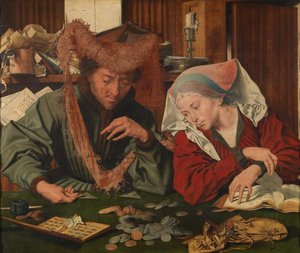
- A money changer and his wife, capturing the intersection of domestic life and commerce.
- The legal world, such as a lawyer in his office, reflecting the growing complexity of civic bureaucracy.
His masterpiece, Two Tax Gatherers, stands as a striking example of Northern Renaissance art. Through the use of oil on oak wood, he achieved a sense of depth and texture that brought his subjects to life. The painting serves as a vivid commentary on the corruption of tax officials, using the detailed depiction of clothing and surroundings to ground his satire in a recognizable reality. In these works, the heavy, old-fashioned garments of his characters add a layer of social critique, reminding the viewer of the era's shifting moral landscape.
Legacy and Artistic Influence
The stylistic development of Marinus van Reymerswaele shows the profound influence of the Antwerp painter Quentin Matsys. This connection helped shape his ability to blend elements of realism with a sharp, often caricatural sense of humor. His work is characterized by an attention to detail that allows the viewer to witness the minute textures of manuscripts, legal documents, and coins, all of which serve as symbols of the era's preoccupation with wealth and law.
While he worked extensively in Antwerp, his journey eventually led him back to the Northern Netherlands. After working in Antwerp until at least 1540, he moved to Goes, where his life reached its conclusion. Though many of his panels are known through attribution rather than signature, his impact on the genre scene remains undeniable. He left behind a visual legacy that continues to captivate, offering a profound glimpse into the mind of an artist grappling with faith, scholarship, and the ever-present shadows of human avarice.
マリヌス・ファン・レイメルスウェール
1490 - 1546 , オランダ