

 プレビュー
プレビュー
 シェアする
シェアする シェアする
シェアする
 詳細を見る
詳細を見る

 ダウンロード
 似ている作品
 X線調査
X線調査 スライドショー
 統計情報
統計情報Traveller's Folding Item

 詳細を見る
詳細を見る
手描き油彩複製画
当社のアーティストが、お客様のご希望のサイズと額縁に合わせて、キャンバスに手描きで制作する油彩画です。 ( プリント版に切り替え デジタル画像販売へ切り替え)




































作品のオリジナル比率に合わせた、当店の規定サイズからお選びください。

特定のフレームやスペースに合わせて、ご希望のサイズをご入力いただけます。選択されたサイズが元の画像の比率と異なる場合、アートワークをトリミングするか、手描きで要素を追加して絵画を拡張いたします。デジタルモックアップ を制作し、制作開始前にご確認(承認)をいただきます。
画面上のプレビューは、実際のトリミングや拡張を正確に反映しているものではありません。最終的な構図は、モックアップによってのみ正確にご確認いただけます。
カスタムサイズもご利用いただけますが、元の比率を維持するためには、あらかじめ用意されたリストからサイズを選択することをお勧めいたします。
ご注文後、OriginalUniqueArt.com チームより詳細な指示をお送りするとともに、仕上がりイメージ(モックアップ)をご提供いたします。


 ガラスオプションは、110cm未満のサイズでのみご利用いただけます。

Traveller's Folding Item
複製技法
複製画のサイズ
-


合計金額
$ 300
A Quiet Revolution: Exploring Marcel Duchamp’s Traveller's Folding Item
Marcel Duchamp’s “Traveller’s Folding Item,” created in 1916, stands as a cornerstone of Dada and Conceptual Art—a deceptively simple object transformed into a profound statement about the very definition of art. More than just a photograph documenting an unassuming typewriter cover, it embodies Duchamp's radical challenge to artistic conventions and continues to resonate with audiences today.The Object Itself: Minimalism and Everyday Life
At first glance, “Traveller’s Folding Item” presents itself as remarkably unremarkable. A cylindrical metal table supports a folded Underwood typewriter cover—a commonplace item found in offices across Europe during the early 20th century. Yet, Duchamp deliberately eschewed traditional artistic representation, opting instead for a direct confrontation with the viewer. This decision wasn't born of indifference; it was driven by a deliberate desire to strip away illusion and expose the underlying conceptual framework. As Duchamp himself eloquently articulated, “My intention was to get away from myself, though I knew perfectly well that I was using myself.” The choice of the typewriter cover—a symbol of bureaucratic efficiency and industrial production—further underscores this subversive impulse.A Dada Aesthetic: Challenging Artistic Boundaries
The artwork’s stylistic roots lie firmly within the Dada movement, which emerged in Zurich during World War I as a reaction to the perceived absurdity and brutality of the conflict. Dada artists rejected logic and reason, embracing chance, irrationality, and provocation. Duchamp's appropriation of the typewriter cover exemplifies this ethos—a deliberate act of negation designed to dismantle established artistic hierarchies. He famously declared that he was “putting art up against non-art,” questioning whether an object could be considered art simply by its presentation. The photograph itself serves as a tool for disseminating this conceptual idea, capturing the object’s materiality and contextualizing it within the broader Dada aesthetic.Technique and Context: Documentation Through Photography
The photograph's execution is remarkably straightforward—a testament to Duchamp’s commitment to minimizing artistic embellishment. Utilizing diffused lighting, the photographer skillfully captures the textures of the metal table base and the folded typewriter cover, highlighting their materiality without resorting to idealized depictions. The subtle gradient in the background suggests a studio setting, emphasizing the deliberate control exerted over the visual experience. This technique aligns perfectly with Dada’s rejection of academic artifice, prioritizing conceptual clarity over aesthetic beauty. Created during the tumultuous period of World War I, “Traveller's Folding Item” reflects the anxieties and disillusionment of its time—a response to the horrors of war and a critique of societal values.Symbolism Beyond Appearances: The Power of Conceptual Art
Ultimately, "Traveller’s Folding Item" transcends its physical form to convey a deeper symbolic message. Duchamp's gesture is not merely about presenting an object; it’s about redefining what constitutes art itself. By elevating the mundane to the level of artistic contemplation, he compels viewers to reconsider their assumptions about creativity and aesthetic judgment. The photograph serves as a conduit for this intellectual challenge, inviting audiences to engage in a dialogue about the role of art in confronting societal realities. It remains an enduring emblem of Conceptual Art—a movement that prioritizes ideas over visual sensation—and continues to inspire artists and thinkers alike.アーティストの略歴
マルセル・デュシャン:芸術の定義を覆した革命家
マルセル・デュシャンは、1887年にノルマンディー地方ブレーヌヴィル=シュル=メールで生まれ、1968年にパリでその生涯を終えたフランス系アメリカ人アーティストです。彼は単なる画家ではありませんでした。むしろ、芸術の概念そのものを問い直し、現代美術の流れを大きく変えた思想的な挑発者だったのです。デュシャンの幼少期は一見すると平凡に見えるかもしれません。芸術を愛する家庭に育ち、兄弟たちはそれぞれ才能あるアーティストとして成功を収めました。しかし、この伝統的な環境の中でさえ、彼は既存の規範を打ち破るような、型破りな才能を秘めていました。デュシャンは当初、伝統的な技法を習得し、印象派以降のスタイルを実験しましたが、それは単なる技術の習得ではなく、芸術の本質、目的、そして定義そのものを問いかけるための基盤となったのです。彼の飽くなき知的探求心こそが、多作なキャリア全体を特徴づけるものとなりました。キュビスムからダダイズムへ:伝統からの脱却
デュシャンの芸術的遍歴は、常に進化し、確立された規範を意図的に放棄するものでした。初期のキュビスムへの関わり(1911年の『チェスプレイヤーの肖像』に見られるように)は、断片化された形態と多角的な視点に対する興味を示唆しており、伝統的な表現からの脱却でした。しかし、彼は単に視覚的要素を再配置するだけでは、彼が抱えるより深い問いに答えることはできないことに気づきました。第一次世界大戦の惨劇は、彼の不満をさらに煽り上げ、論理や理性、そして伝統的な芸術価値観を拒絶する運動であるダダイズムへと導きました。ダダイズムの中でこそ、デュシャンは初めて従来の芸術的概念を根本から覆し始めました。彼は美しいオブジェクトを作り出すことに関心を持っていませんでした。むしろ、思考を刺激し、前提を揺さぶり、美学的な判断の恣意性を暴露することを目的としていたのです。この時期に、彼の最も革新的なアイデアである「レディメイド」が誕生しました。レディメイドと芸術の転覆
レディメイド——日常的で製造されたオブジェクトを選択し、芸術作品として提示する——デュシャンの最も重要な貢献です。これらは単なる偶然の発見物ではありませんでした。むしろ、芸術的な転覆という意図的な行為だったのです。例えば、小便器を『噴水』と名付け、R. Muttという偽名で独立アーティスト展に出品したことで、芸術的技能や作者そのものの定義に挑戦しました。作品は、誰が作ったのか、アーティストの手なのか、それともアイデアなのか?この問いかけこそが彼の実践の中心となり、コンセプトアートの基礎を築いたのです。『L.H.O.O.Q.』(1919年)のような他の著名なレディメイドは、モナ・リザの複製に口ひげと顎髭を描き加えたものであり、芸術史や確立された文化的アイコンに対する遊び心のある、しかし鋭い批判でした。これらの作品は、その美的な品質のために賞賛されることを意図したものではありませんでした。むしろ、議論を巻き起こし、鑑賞者が芸術とは何かという先入観を見直すよう促すことを目的としていたのです。デュシャンは、芸術は目に留まるのではなく、心に宿るべきだと信じていました。遺産と持続的な影響
マルセル・デュシャンの現代美術に対する影響力は計り知れません。彼は芸術の理解を根本的に変え、コンセプトアート、ミニマリズム、ポップアートなど、数多くの運動への道を開きました。アーティストのアイデア——作品背後にある概念——がその美学的な品質よりも重要であるという彼の強調は、今日でもアーティストにインスピレーションを与え続けています。- キュビスム: 形態の断片化と空間表現の初期の研究。
- ダダイズム: 論理や理性、そして伝統的な芸術的価値観を拒絶し、第一次世界大戦への反応として生まれた運動。
- コンセプトアート: 作品の美学的な品質よりも、作品背後にあるアイデアに重点を置く芸術形態。
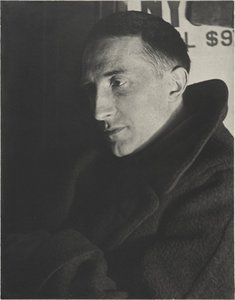
マルセル・デュシャン
1887 - 1968 , フランス
基本情報
- フルネーム: マルセル・デュシャン
- 主な作品:
- ファウンテン
- L.H.O.O.Q.
- 大きなガラス
- ボワテ・アン・ヴァリーズ
- 出生地: ブロインヴィル=レ=ブーア(フランス)
- 国籍: フランス系アメリカ人
- 影響を与えたアーティストまたは運動:
- 概念美術
- ポップアート
- ミニマルアート
- 死亡年月日: 1968年10月2日
- 生年月日: 1887年7月28日
- 芸術運動またはスタイル:
- キュビスム
- ダダイスム
- 概念美術
関連記事

The Enduring Form: Exploring Themes & Techniques in Sculpture Across Historical Periods
Explore the rich history of sculpture from ancient masterpieces to contemporary innovations. Discover key techniques, influential artists & investment potential for discerning art collectors.

Bronze Age to Modern Masters: 10 Sculptures That Redefined Art | OriginalUniqueArt
Journey through art history with 10 legendary bronze sculptures – from Michelangelo's David to Rodin’s Thinker. Explore the stories, techniques & timeless beauty of these masterpieces. Find museum-quality reproductions & elevate your home decor on OriginalUniqueArt.com.
The Gritty Muse: Industrial Vibe as Defining Aesthetic in Modern Artwork
Explore the captivating world of industrial aesthetics in modern art. Discover key movements, influential artists & collecting insights at OriginalUniqueArt.com – your source for museum-quality reproductions and expert art guidance.

Bronze Sculptures That Defined Art History | OriginalUniqueArt
Journey through art history with our Top 10 bronze sculptures! Explore masterpieces by Rodin, Michelangelo & more. Discover stories behind iconic statues and find museum-quality reproductions for your home decor at OriginalUniqueArt.com.
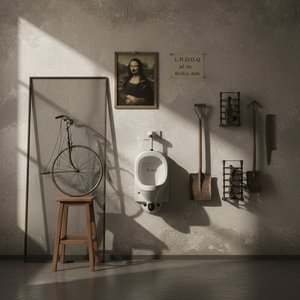
Marcel Duchamp: Challenging Conventions & Redefining Art in the 20th Century
Explore the revolutionary art of Marcel Duchamp! Discover how his Dadaist readymades challenged artistic conventions & redefined modern art. A deep dive into 'Fountain', conceptual shifts, and his lasting impact.


